5 tips for a waste-free Christmas

by Lydia on 07/11/2023 No comments

That could also save you money!

The holiday season is rapidly approaching. It’s that special time of year when we exchange gifts, embrace cherished traditions and indulge in delicious feasts. However, there is a not-so-jolly side to the festive season: Christmas generates approximately 30% more waste than any other time of the year, and by the time spring arrives, a disheartening 41% of the gifts given have already found their way to landfills. As much as we love the spirit of the time of year, there is no doubt it could benefit from a zero waste makeover.

We’re sharing our top tips to reduce waste and save money over the holiday season. So let’s get started!  

1. Redefine your traditions 

Many of us cherish our Christmas traditions, but this year, why not take time to consider what you buy, why you buy it and if it can be replaced with a less wasteful alternative? Traditional items such as crackers and stocking fillers are often made with plastic and end up in the bin after a few hours. Instead of plastic-filled crackers, try just having just the jokes on the table for everyone to read and enjoy. Experiment with getting crafty and making plastic-free stockings and advent calendars. They could be filled with home-baked biscuits or purposeful gifts. 

If you own plastic decorations or a synthetic Christmas tree, there’s no need to rush into a zero-waste overhaul. Transition to plastic-free options when your current items need replacing. When they do, explore your local second-hand shops for unique decorations.

2. Stop food waste 
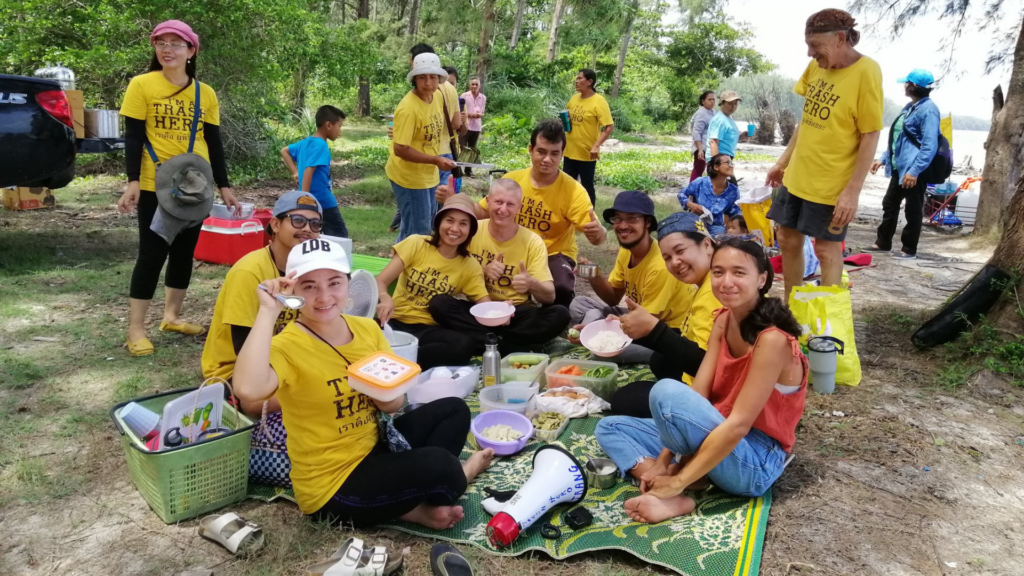
zero waste picnic

Many Christmas menu items are out of tradition rather than genuine enjoyment. When planning your festive menu, reflect on past waste. What food was barely touched and ended up in the trash? What food has everyone coming back for seconds? Consider embracing new traditions centred around food everyone enjoys. Create a meal plan and research recipes for your anticipated leftovers in advance. Having a plan will prevent overbuying and make it easier to reduce waste during the busy and often stressful Christmas season. 

3. Reduce packaging waste 

When planning your menu, opting for locally available and in-season ingredients can reduce packaging waste and result in better quality produce. Exotic or out-of-season items in supermarkets often come wrapped in unnecessary plastic and have a higher carbon footprint. Smaller local businesses may have refill and reuse systems in place, or they may be open to discussing eco-friendly options.

It’s not just food packaging that creates plastic waste. Many people don’t realise that glitter and metallic paper contain plastic. Glitter, in particular, is just ready-made microplastic. Some glitter is now marketed as “biodegradable”, but this is misleading and should also be avoided.  We have a social media post that delves into this issue in more detail. One way to avoid glitter-covered Christmas cards, or paper cards with limited shelf life, is to send an e-card instead. Trash Hero offers a range of e-cards for every occasion, with all donations going toward our programmes working to reduce plastic pollution.

To determine if your wrapping paper contains plastic, try the “crumple test.” If you crush foil or shiny paper, and it stays crumpled when you release it, it’s a good sign. However, if it contains plastic, it will spring back or have a slight mark. This is mixed material and cannot be recycled. Any type of wrapping paper is expensive, so why not use old newspapers or magazines or utilise pillowcases? Remember, the heart of the season lies in the gift, not in the extravagance of the packaging.

4. Give mindfully 
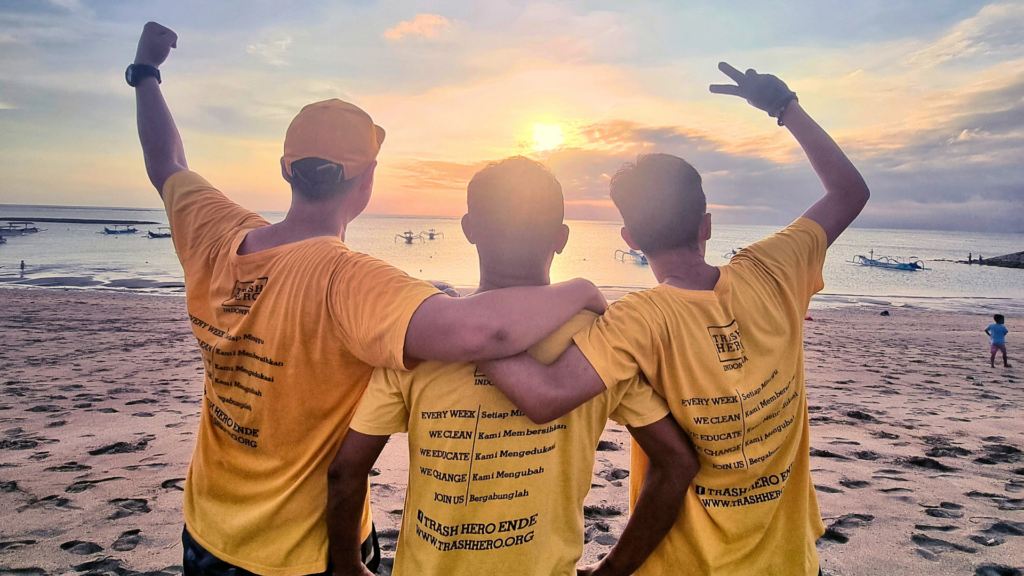
The holiday season is all about giving, but do we need to give people more stuff that will end up in landfills? Instead, you could offer the gift of experience. It doesn’t have to break the bank – it could be as simple as cooking a meal, going for a leisurely walk, or trying out a new activity together. These experiential gifts reduce waste, nurture your bonds, and create cherished memories with your loved ones.

For those who wish to make a lasting impact beyond the holidays, consider making a charitable donation. Your generosity can bring joy to others in need, embodying the true spirit of the season.

5. Receive thoughtfully 

It’s also important to let your loved ones know you prefer not to receive physical gifts, and explain why. This reduces demand for unnecessary physical items and will encourage them to give more mindfully. If your friends and family insist on purchasing gifts for you, kindly suggest they opt for items you genuinely need. Encourage them to explore second-hand or charity stores. This will both save them money and contribute to a great cause. 

Receiving thoughtfully is a powerful way to raise awareness and inspire others to adopt more conscious choices, benefiting both our planet and our communities.

Bonus tip – Be a Trash Hero! 
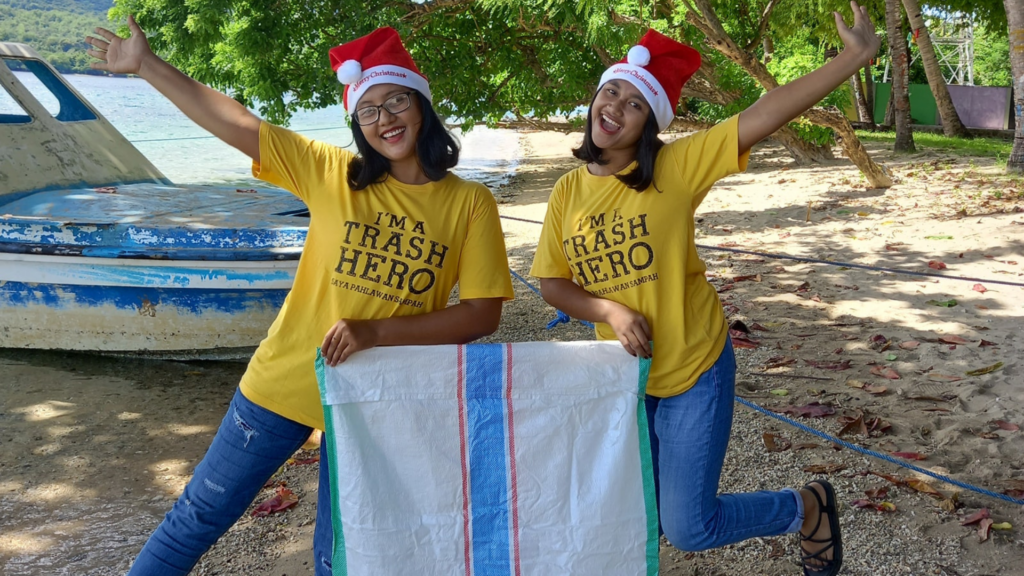
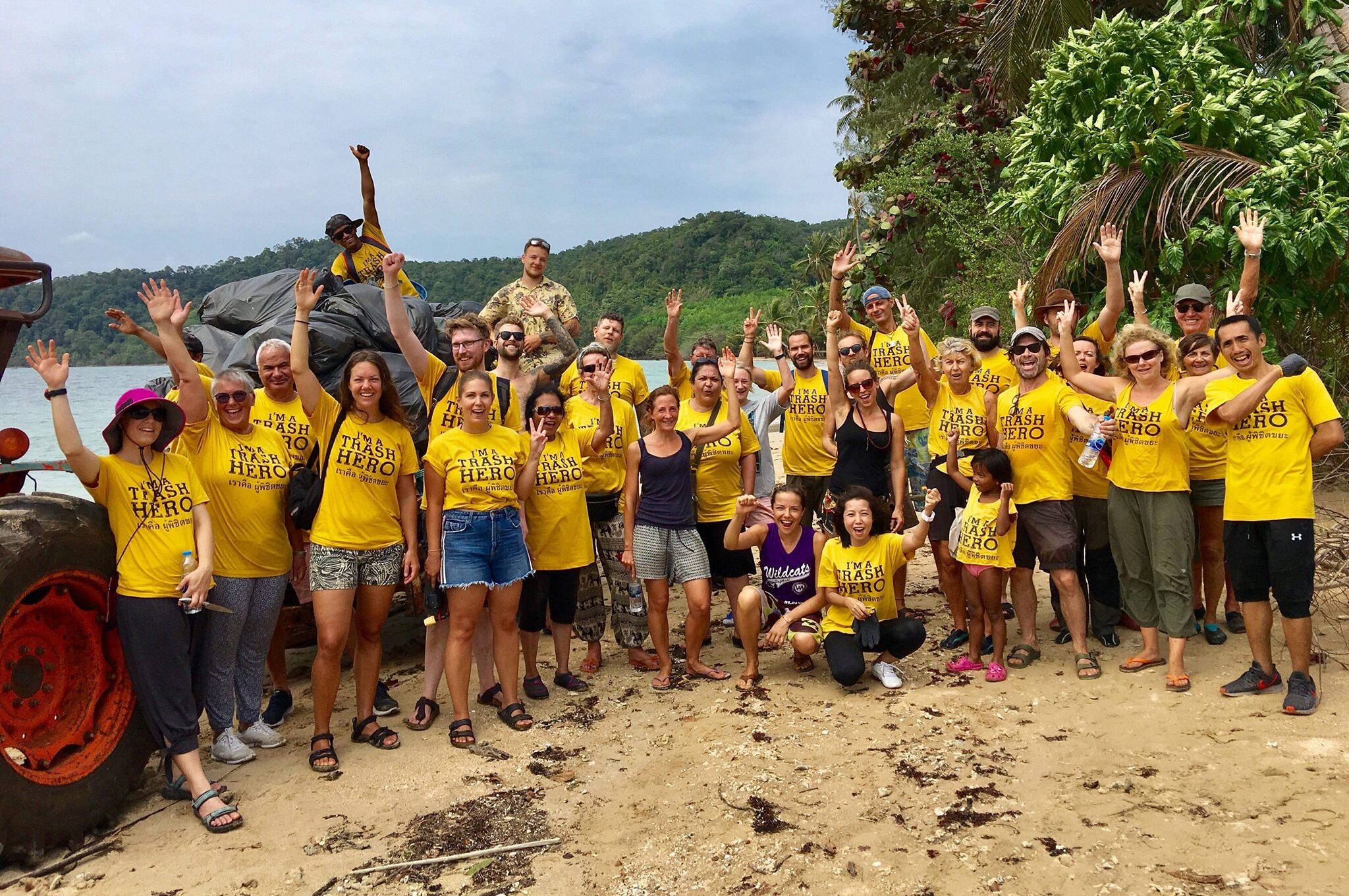
You can be a part of the solution this holiday season! Trash Hero chapters organise cleanups worldwide throughout the year. You’re invited to join, and it’s free! Find your nearest chapter and get involved in reducing plastic pollution in your community. If there’s no chapter in your area, get in touch today to learn more about starting your own with friends and family. If you don’t have time to start a chapter, you can still be a Trash Hero every day. Say no to single-use plastics and promote reuse and refills at local events. Share this post with your friends to inspire a less wasteful holiday!

Having a completely zero-waste Christmas is challenging, but taking small steps can create meaningful, sustainable celebrations that connect us with our loved ones and the planet. Do you have any additional tips for reducing waste and saving money this holiday season? Share your insights in the comments below!

read more
Lydia5 tips for a waste-free Christmas

October 2023: monthly news roundup

by Lydia on 26/10/2023 No comments

Our roundup of the month’s most important stories

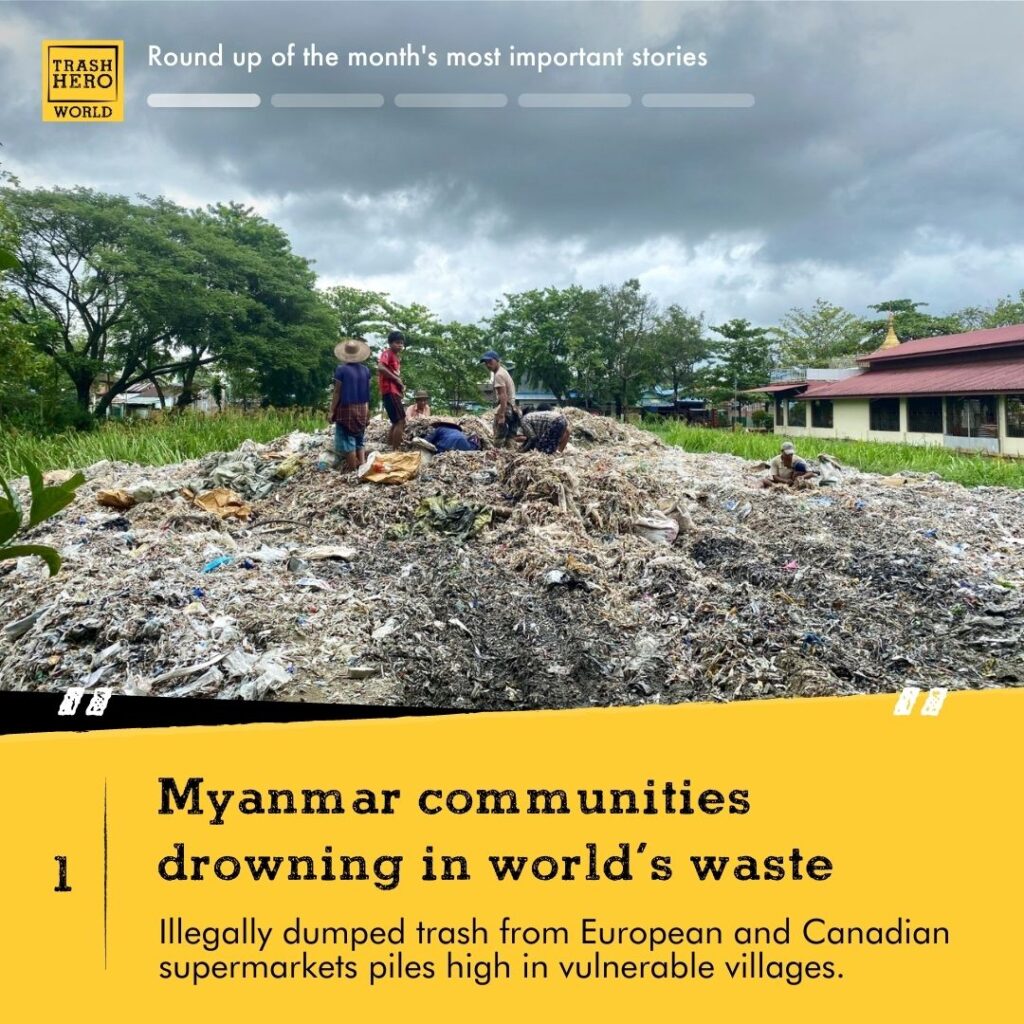
Myanmar communities drowning in world’s waste

Trash from Lidl supermarkets in the UK and other stores in Poland and Canada has been discovered at illegal dumping sites in Myanmar. Residents of the vulnerable communities are concerned about their health

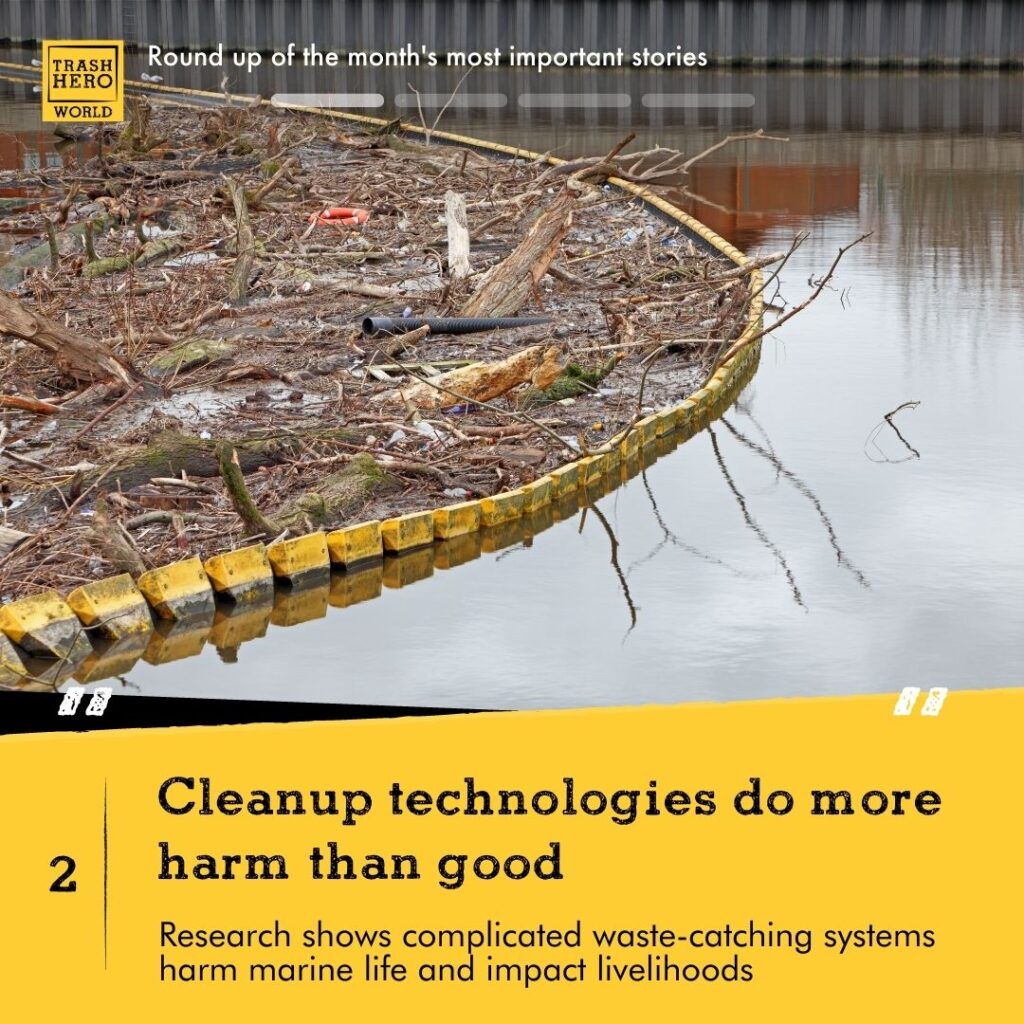
Cleanup technologies do more harm than good

New research shows that complicated cleanup technologies cause more harm than good. They can damage marine life and impact the livelihoods of local communities.

K-Pop marketing create huge plastic waste problem

Fans of K-Pop are told to buy lots of albums to help their favourite bands get to the top of the charts. But this has caused a big increase in plastic waste. “No K-Pop on a Dead Planet” wants businesses to do things differently.

Microplastics “clogging the systems” of ocean carbon capture

Tiny sea creatures called plankton are important for getting rid of carbon in the atmosphere. However, microplastics are “clogging the systems”, which is bad news for ocean life and the climate.

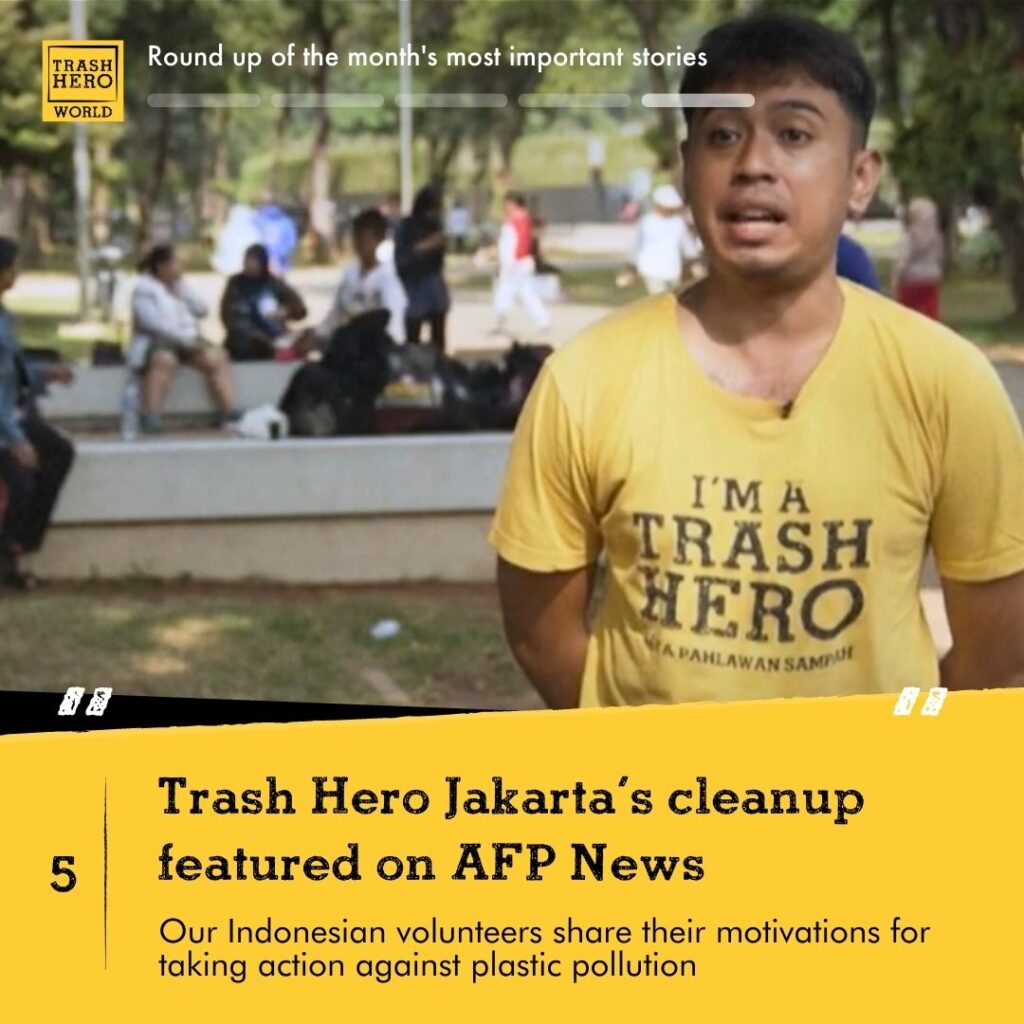
Trash Hero Jakarta’s cleanup featured on AFP News

Trash Hero Jakarta’s cleanup was featured on AFP news! Volunteers shared their motivations for reducing plastic pollution.

What do you think about these stories? Let us know in the comments!

read more
LydiaOctober 2023: monthly news roundup

Who are the Trash Hero volunteers?

by Lydia on 12/10/2023 2 comments

The results of our big volunteer survey are in! Discover who volunteers for our movement – and what motivates them.

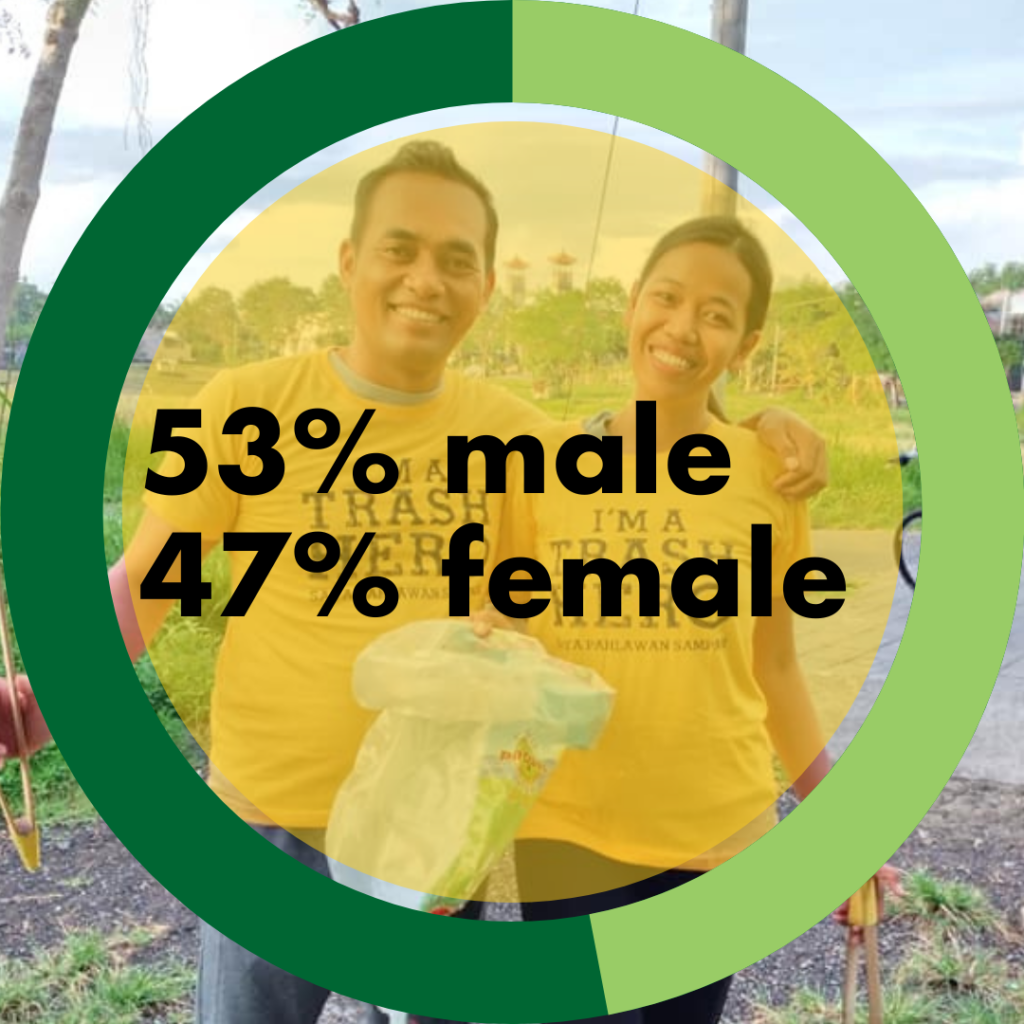
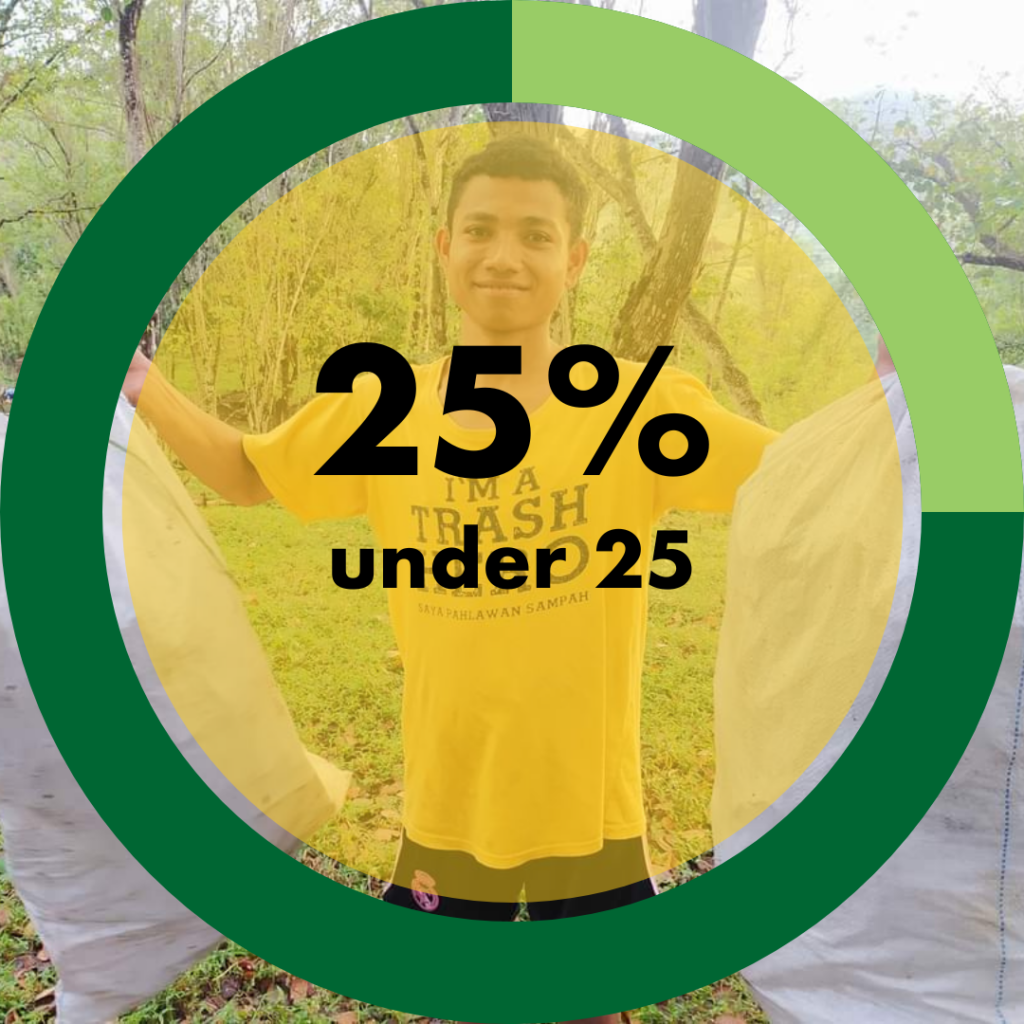
Trash Hero volunteers are the driving force of our mission to create a world free from plastic pollution. To find out more about the incredible individuals who dedicate their time and energy to the movement, we conducted a survey of volunteers in all countries worldwide. We collected demographic information, asked about their motivation for joining Trash Hero and how their experience has impacted them and those around them.

We received 177 responses (approximately 70% of active volunteers). They make for inspiring reading and give some fascinating insights into the kind of people Trash Hero attracts – let’s dive in!

Volunteer demographics

Impact of volunteering

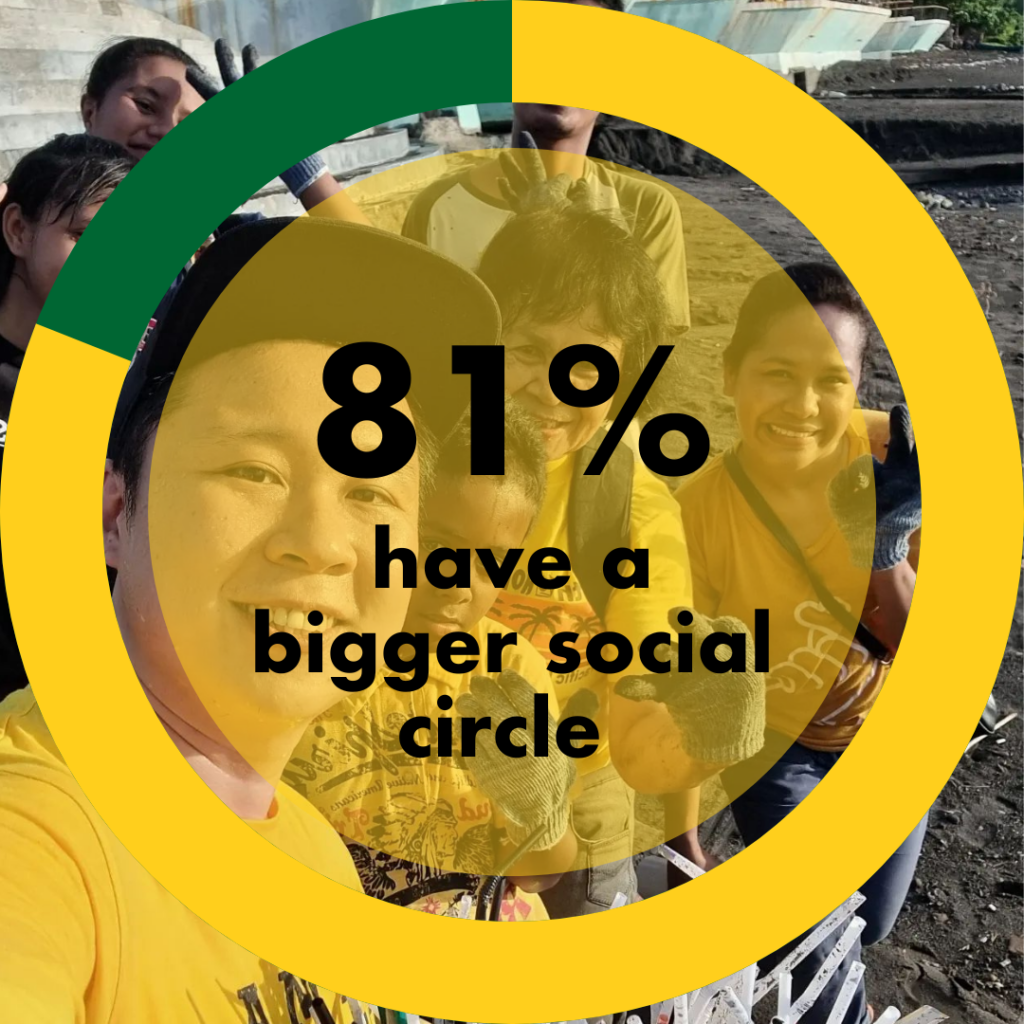
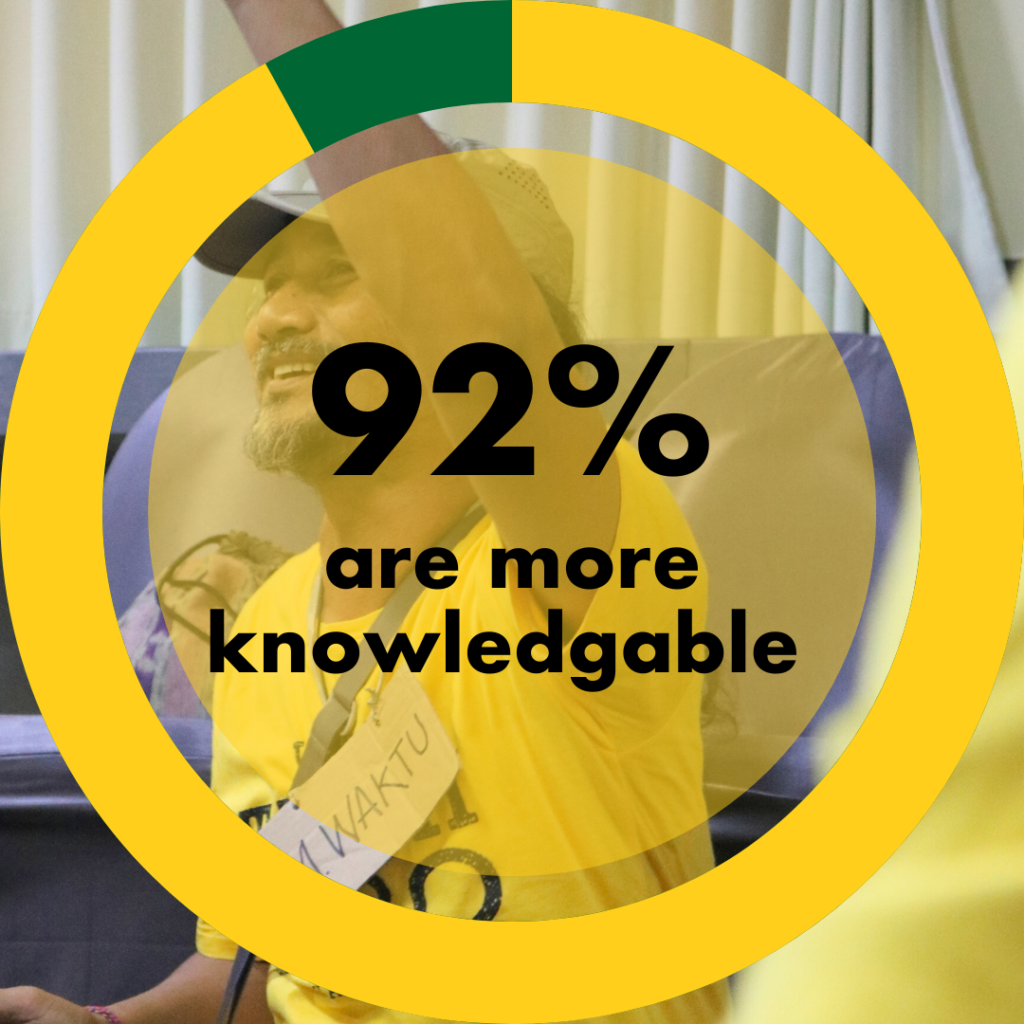
The survey revealed overwhelmingly positive feedback about how volunteering has helped people in multiple areas: making new friends, learning new skills and gaining knowledge about plastic pollution, as well as feeling happier and more confident! This confirms our experience that volunteering with Trash Hero is good for both the planet and your personal wellbeing.

Note: these statistics are self-reported.

Volunteer experience

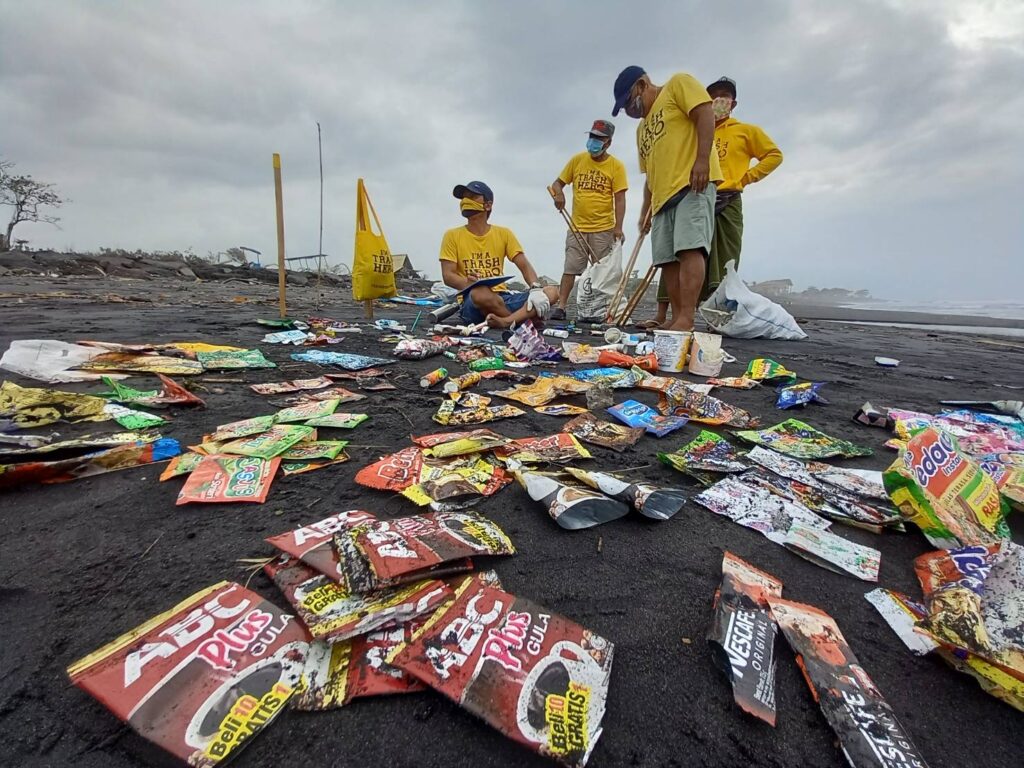
Meet some of the volunteers who responded to the survey below:

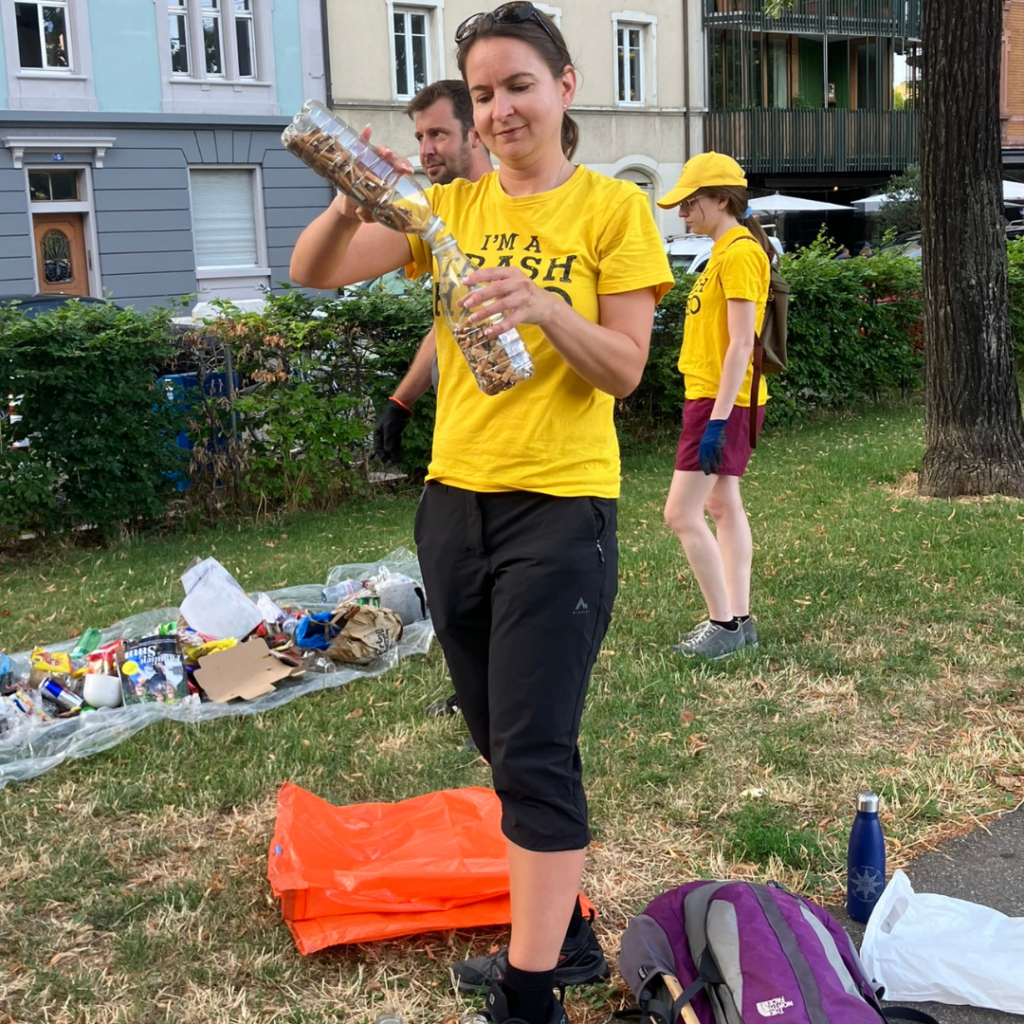
Sabine, Trash Hero Basel, Switzerland Sabine found out about Trash Hero online and decided to join to help prevent plastic pollution. Before Trash Hero, she was already trying to reduce her plastic use, but since joining Trash Hero she has felt more confident to speak to others about the issue. She loves her team and the attitude of Trash Hero and hopes to volunteer with us for years to come.

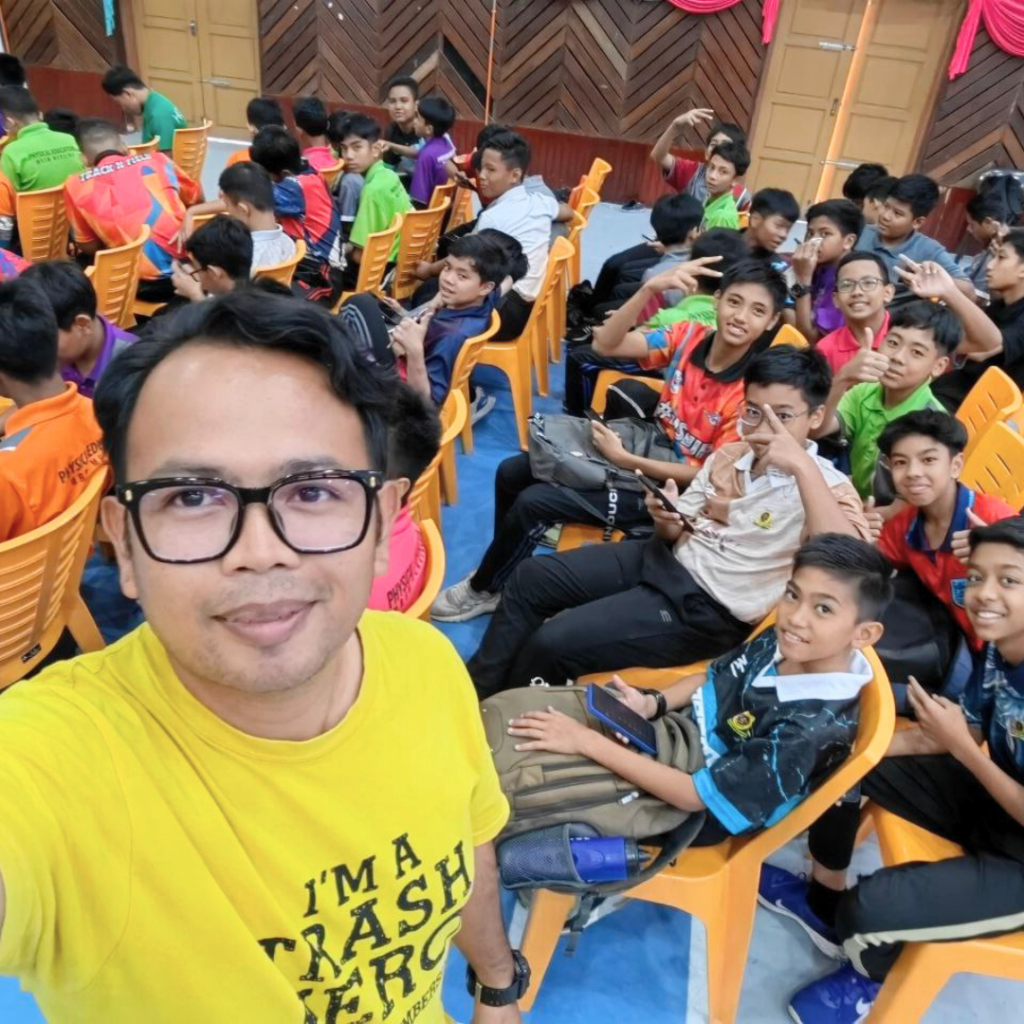
Aziz, Trash Hero Mersing, Malaysia Aziz is a teacher who joined Trash Hero because he liked the vision and mission. Aziz wants to be a role model for people to reduce plastic use at home and school – he carries his Trash Hero water bottle wherever he goes! Thanks to Aziz, a friend chose an alternative to polystyrene plates at his wedding, avoiding a lot of plastic waste.

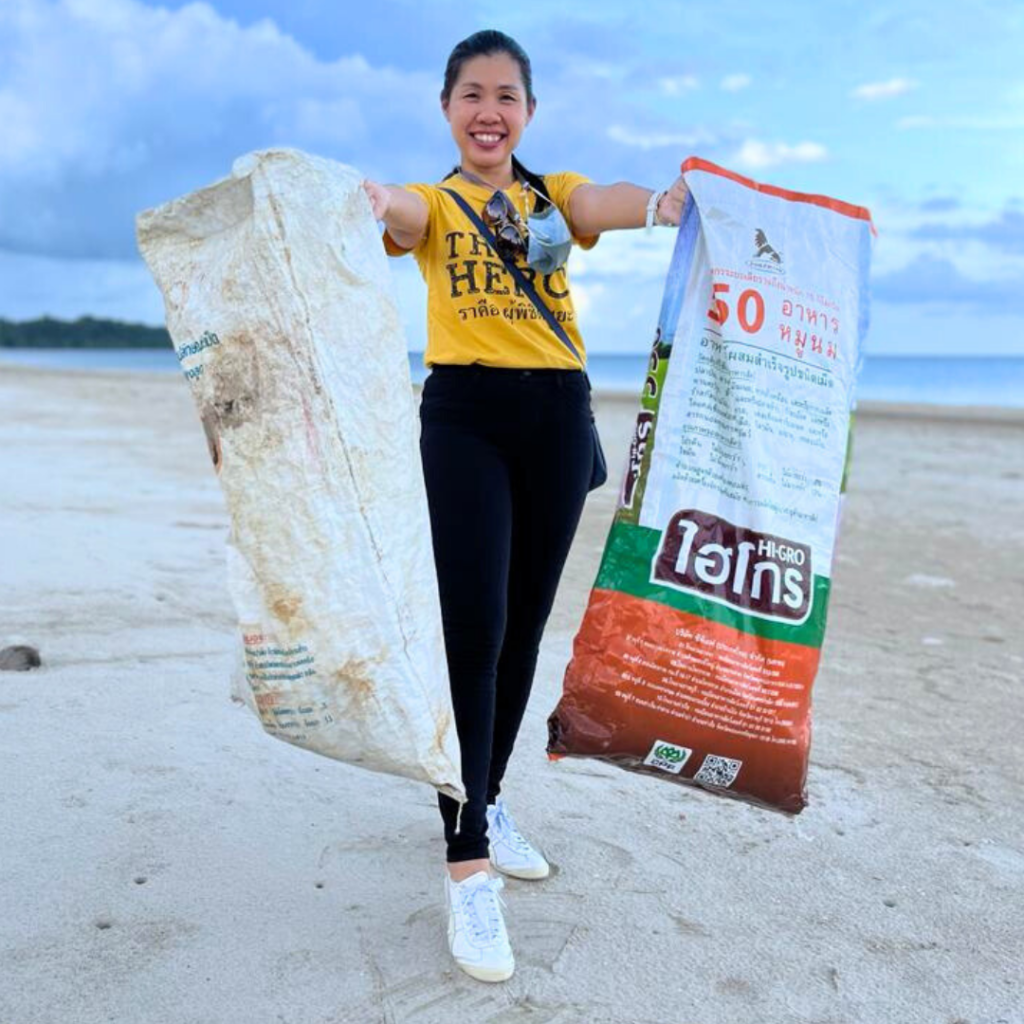
Nan, Trash Hero Ao Nang, Thailand Nan joined Trash Hero in 2015 after hearing about the cleanups in Koh Lipe. She loved the positive attitude of the movement. Since joining Trash Hero, she has installed a water filter in her home so they don’t have to buy water in plastic bottles. She has also reduced her own use of plastic and noticed that her friends and family have followed her example.

Suta, Trash Hero Tabanan, Indonesia Suta saw another chapter, Trash Hero Yeh Gangga, organising regular cleanups and thought it was a great way to expand his social circle. Since starting his own chapter, Suta has learned about the issues of plastic pollution and is now organising cleanups because he recognises plastic’s impact on our health. Since being part of the Trash Hero movement, Suta has become more confident, knowledgeable, happier and has made new friends.

So what are you waiting for? Join the Trash Hero movement today! You can join an existing chapter, start your own or volunteer remotely.

read more
LydiaWho are the Trash Hero volunteers?

September 2023: Monthly news round up

by Lydia on 28/09/2023 No comments

Our roundup of the month’s most important stories

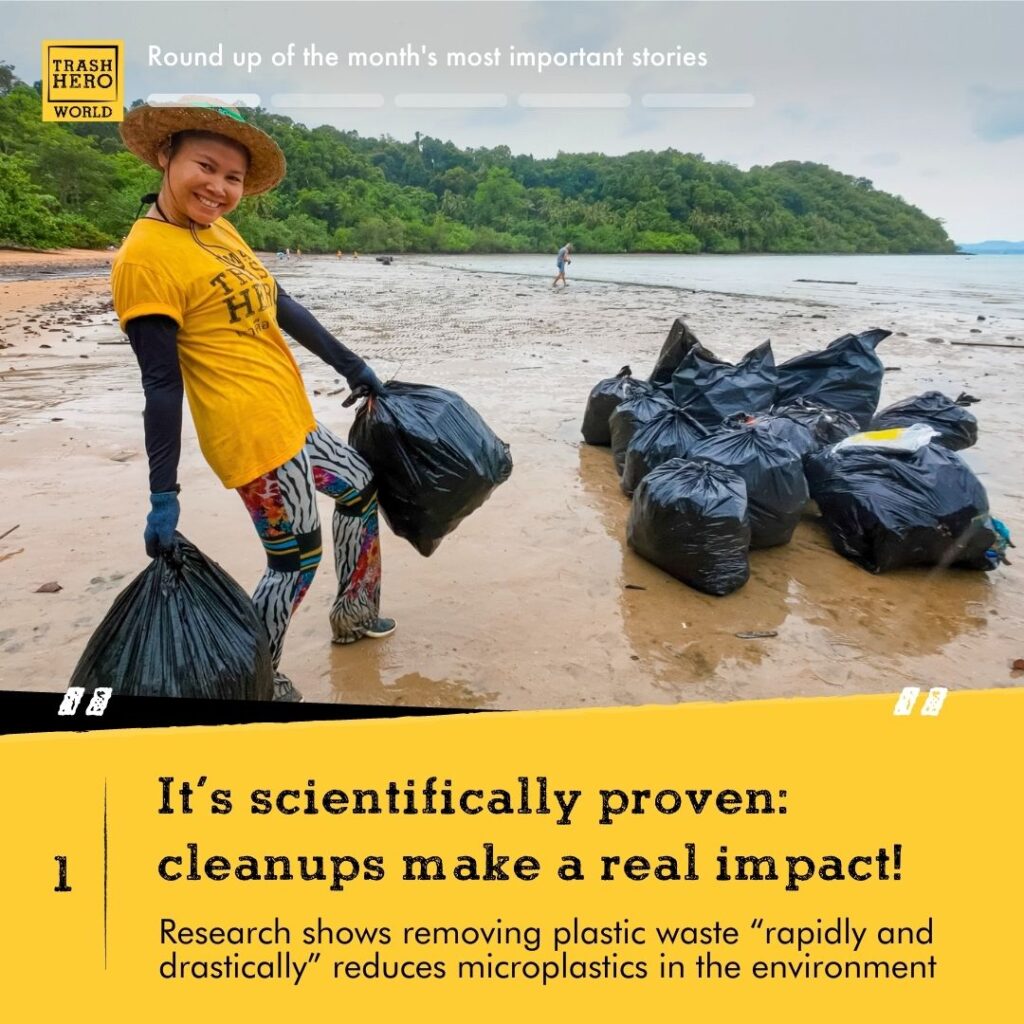
It’s scientifically proven: cleanups make a real impact!

We’ve always known it, but it’s now been scientifically proven – beach cleanups matter! New research shows that cleanups “rapidly and drastically” reduce the amount of plastic particles that end up in the environment.

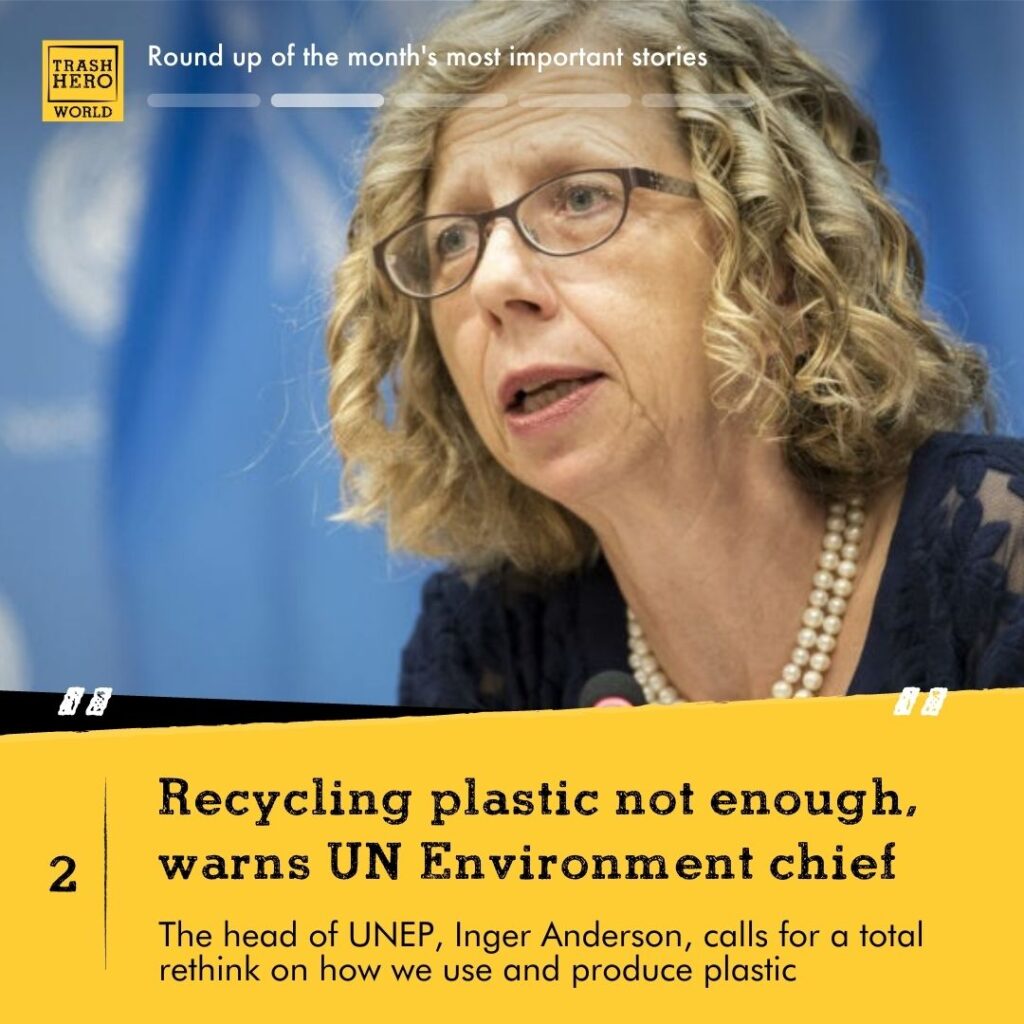
Recycling plastic not enough, warns UN Environment chief

The UN Environment Chief, Ingrid Anderson, says we need to rethink how we produce and use plastic completely. Recycling is not enough.

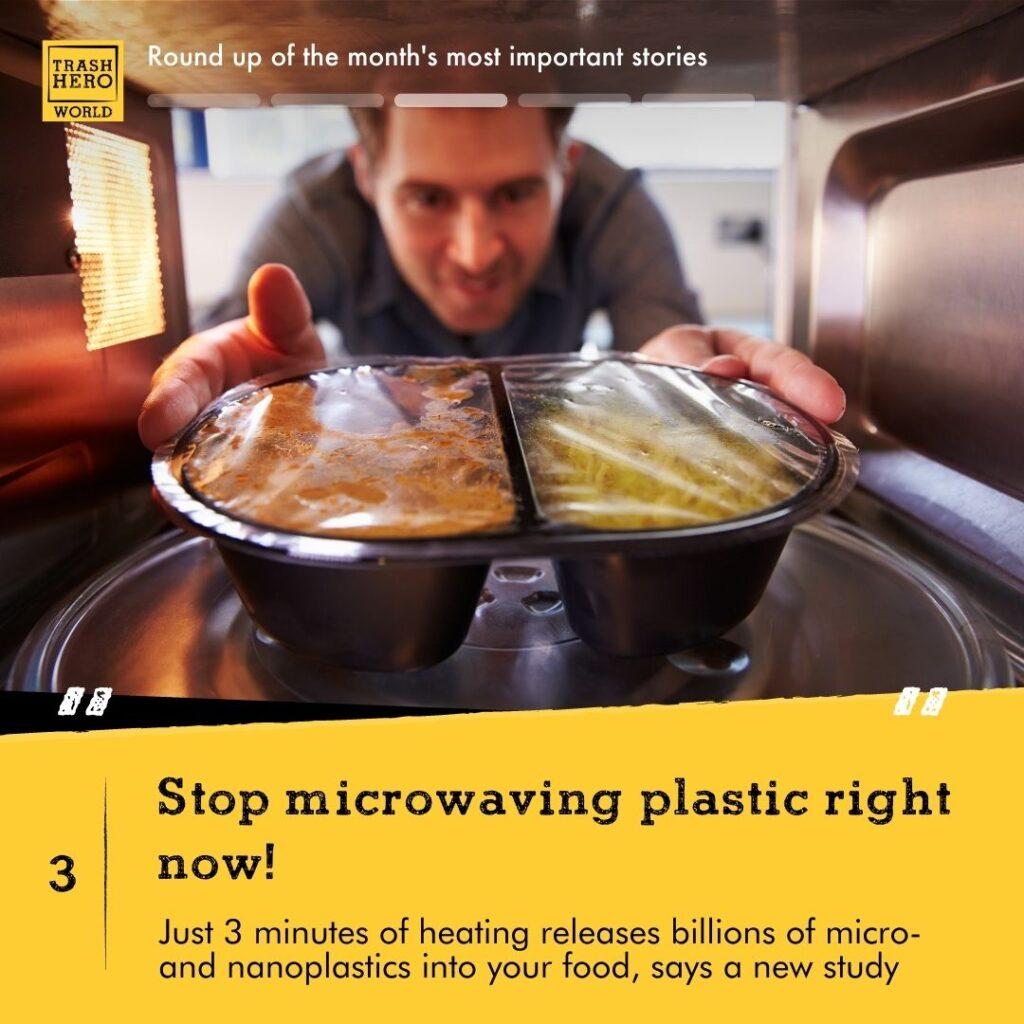
Stop microwaving plastic right now!

Want to reduce the amount of microplastics you’re consuming? Then stop microwaving your food in plastic! A recent report shows that even “microwave safe” plastic releases billions of nanoplastics.

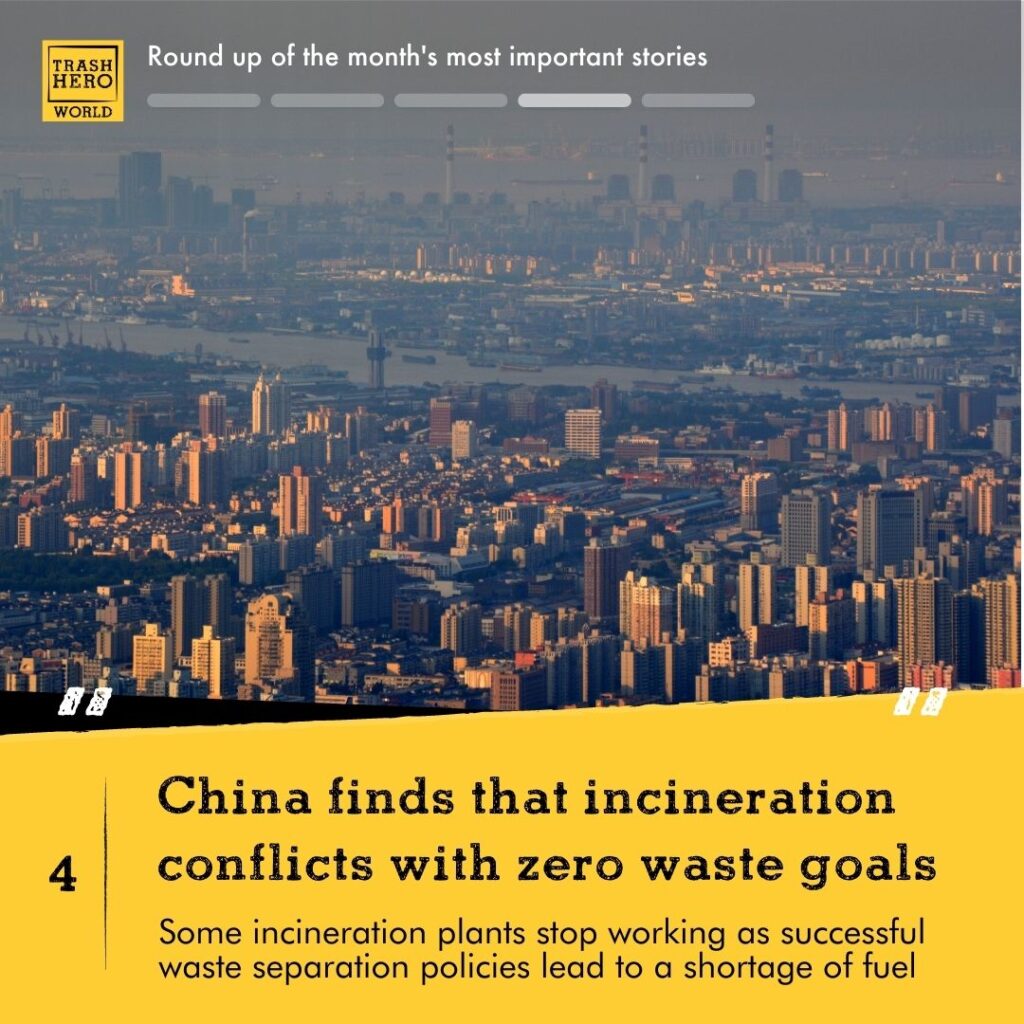
China finds that incineration conflicts with zero waste goals

As part of their plan to implement more zero waste policies, China has been sorting waste for the last four years. This has caused some of their incineration plants to stop working due to a shortage of fuel

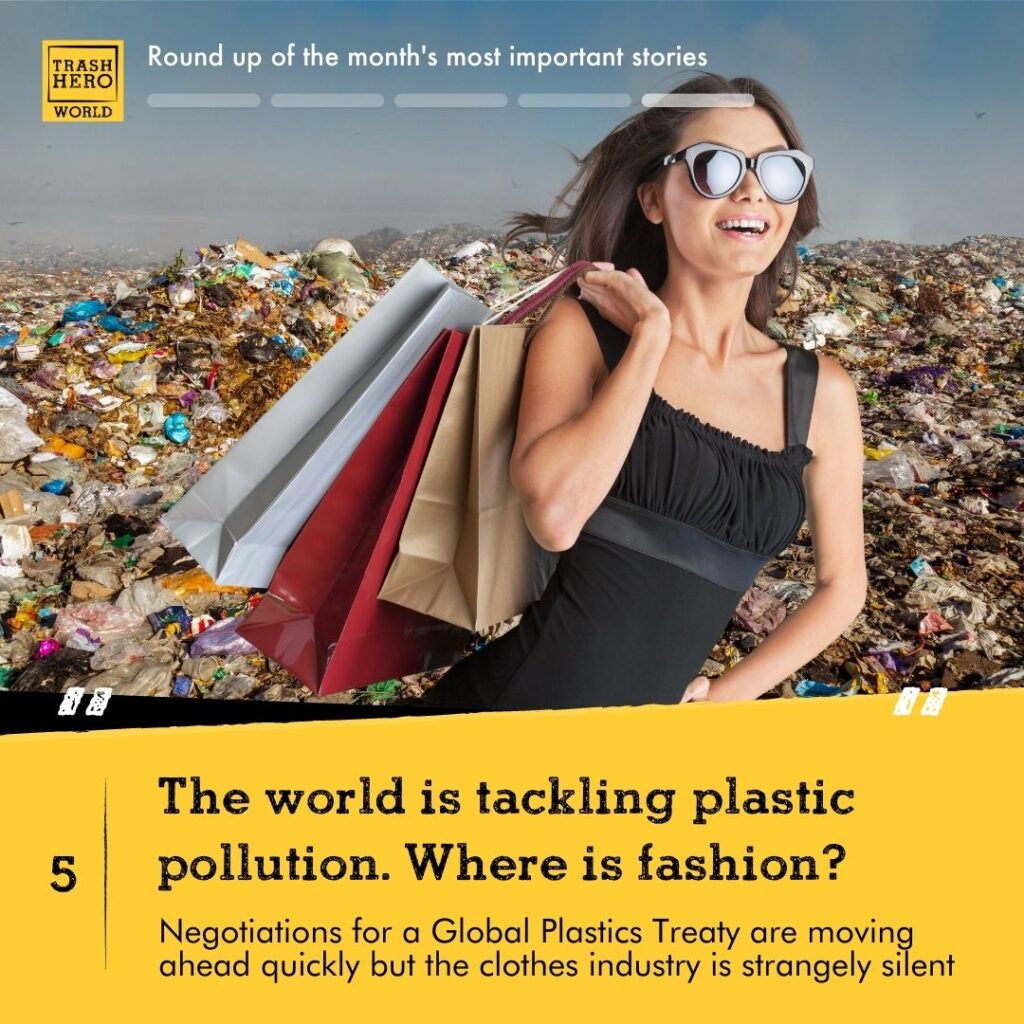
The world is tackling plastic pollution. Where is fashion?

Negotiations for a Global Plastics Treaty are moving ahead quickly but the clothes industry is strangely silent


What do you think about these stories? Let us know in the comments!


read more
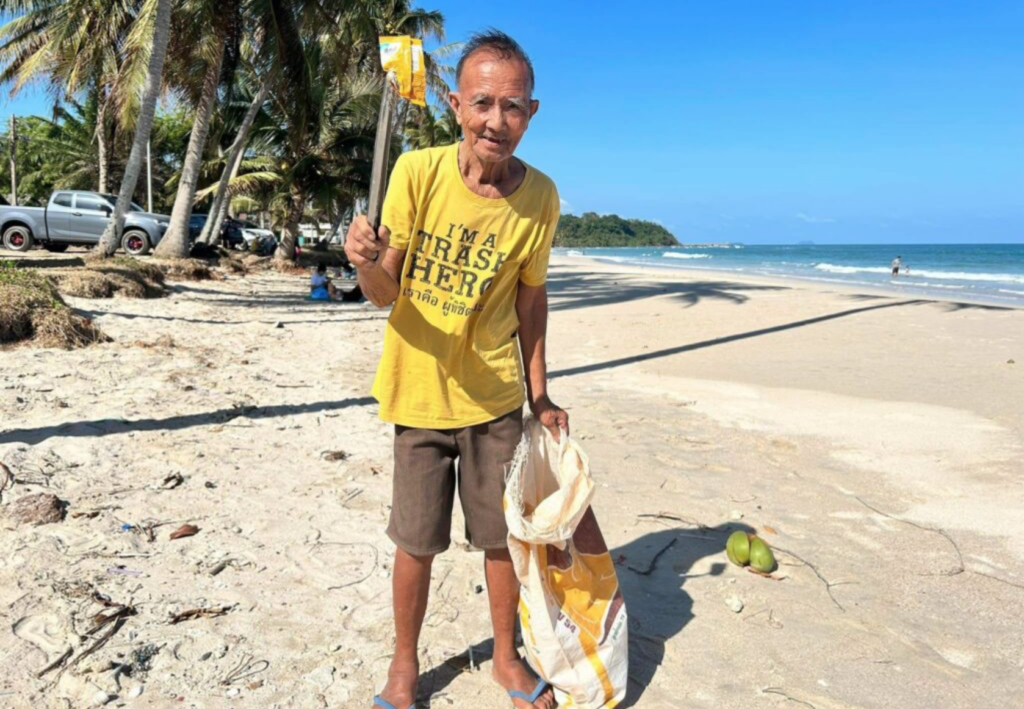
LydiaSeptember 2023: Monthly news round up

August 2023: Monthly news round up

by Lydia on 31/08/2023 No comments

Our roundup of the month’s most important stories

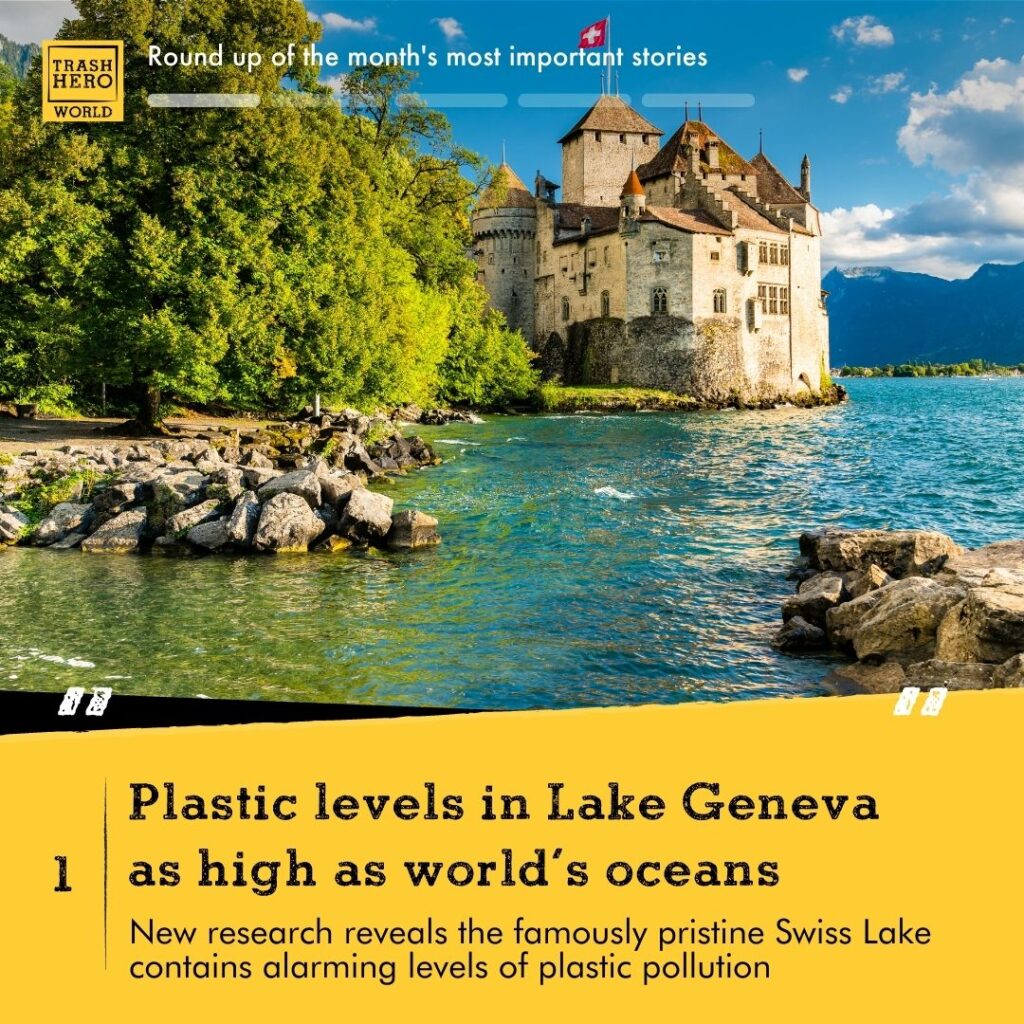
Plastic levels in Lake Geneva was high as world’s oceans

Oceaneye, a Geneva-based non-profit, has released research revealing that the famously pristine Swiss Lake contains alarming levels of plastic pollution.

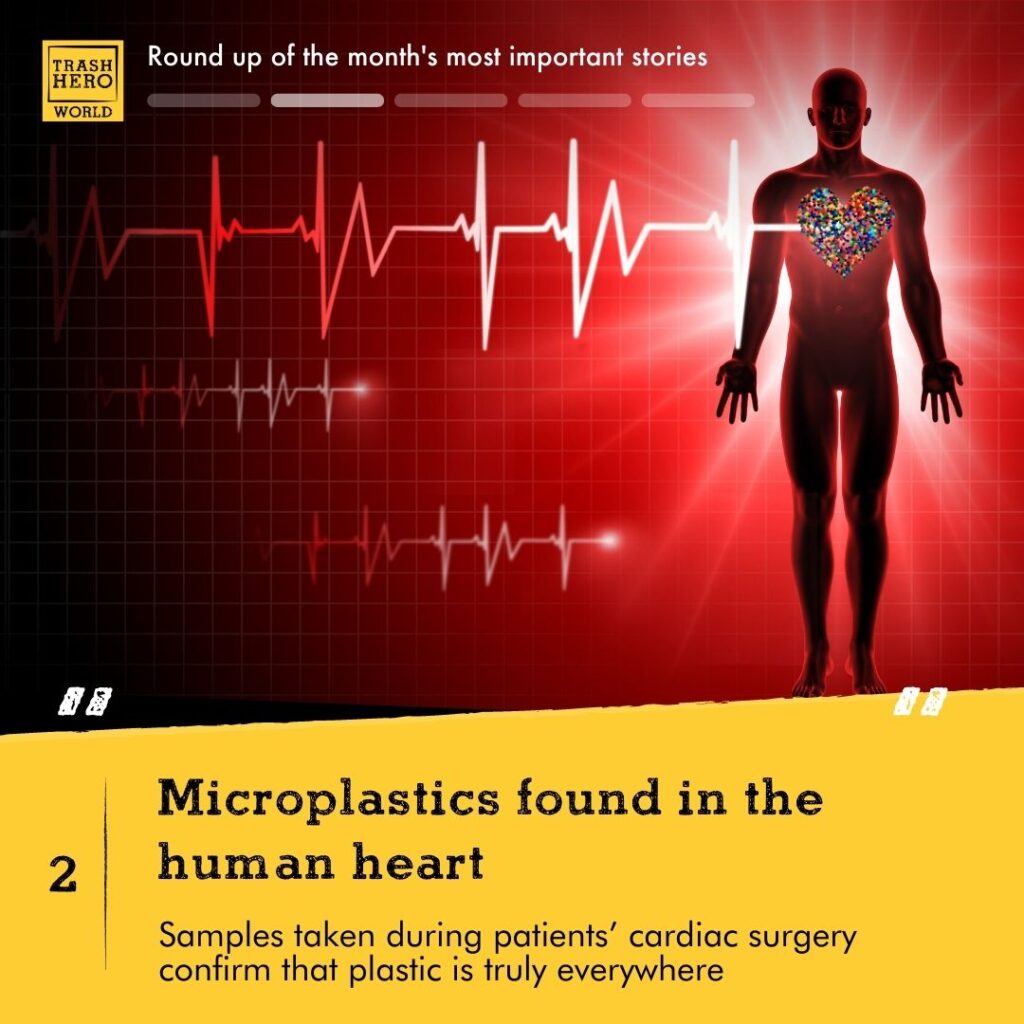
Microplastics found in the human heart

Samples taken during patients’ cardiac surgery confirm that plastic is truly everywhere.

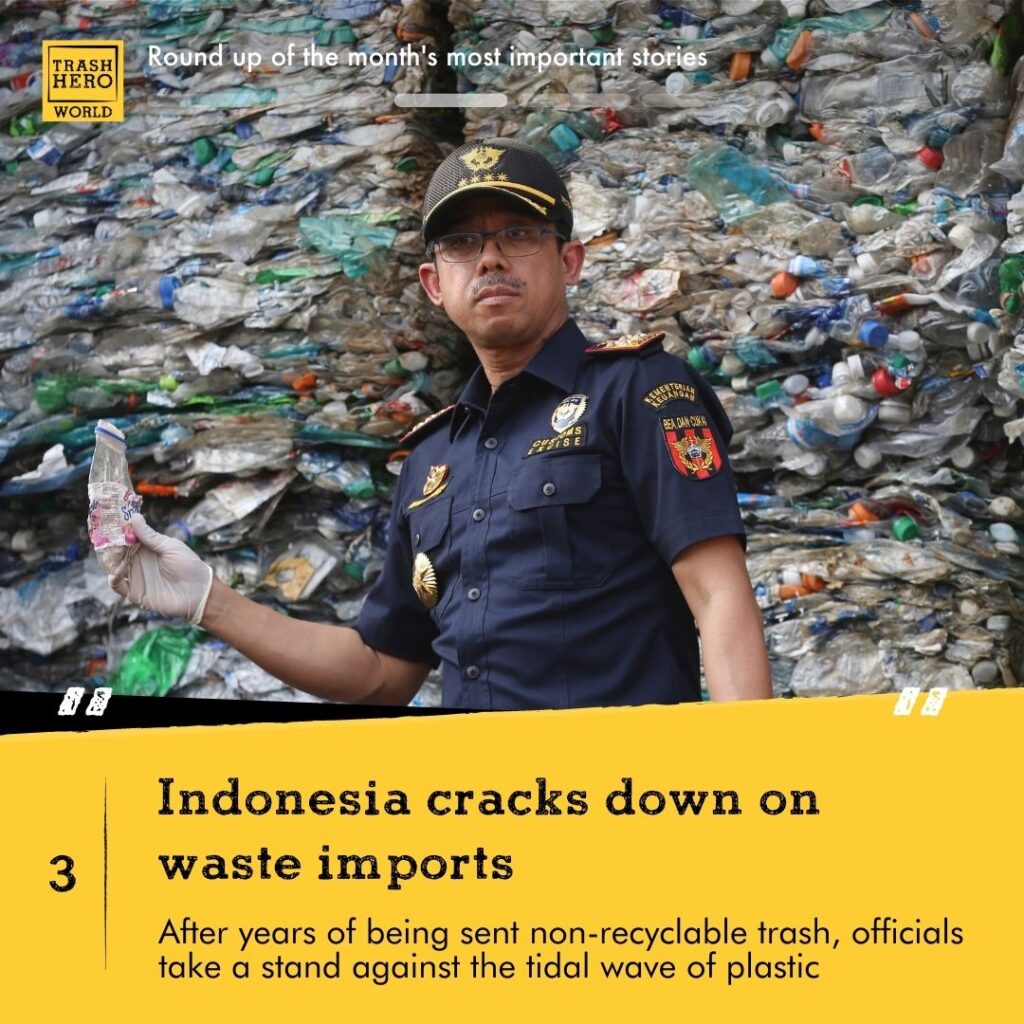
Indonesia cracks down on waste imports

When China closed their borders to waste, exporters had to send it elsewhere. After years of being sent non-recyclable trash, officials in Indonesia are taking a stand against the tidal wave of plastic.

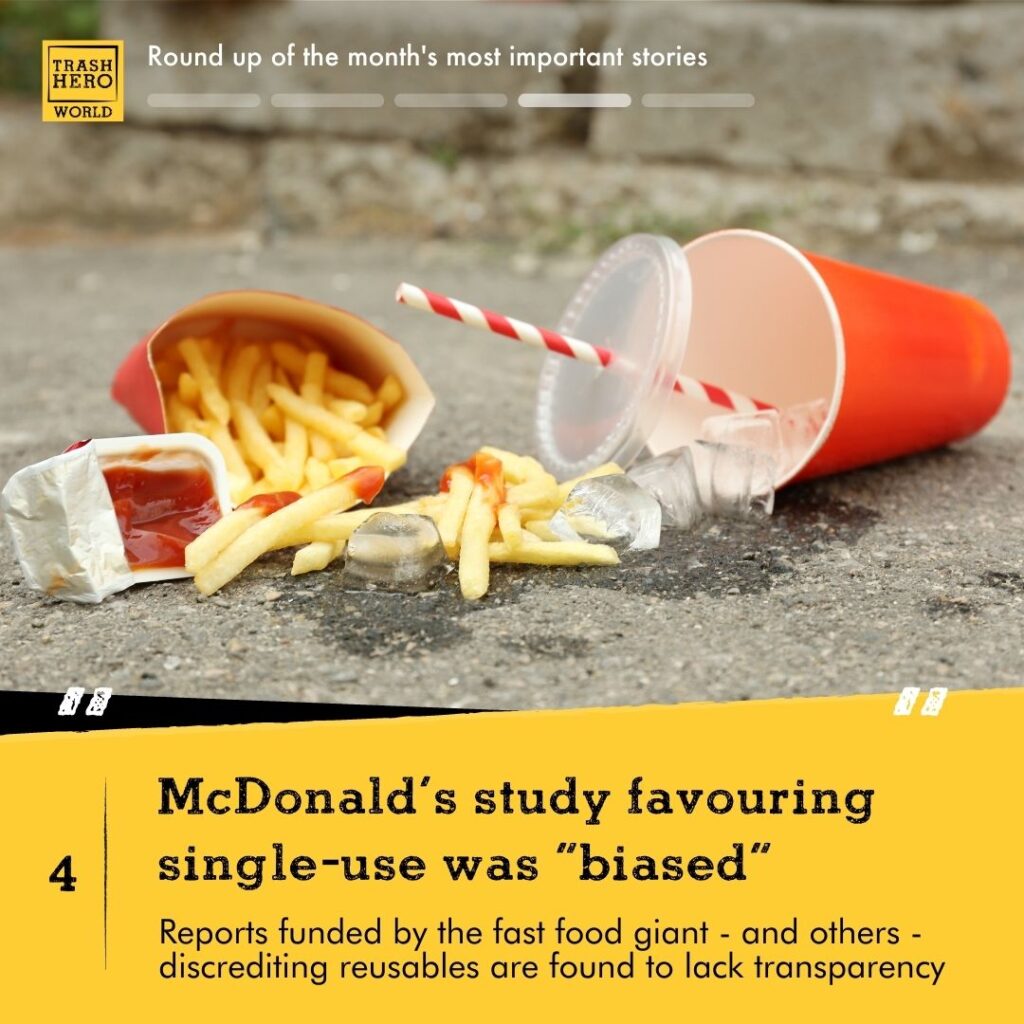
McDonald’s study favouring single-use was “biased”

The fast food giant, and others, funded studies that discredited reuse and favoured single-use. A new report reveals such studies lack transparency and showed significant bias.

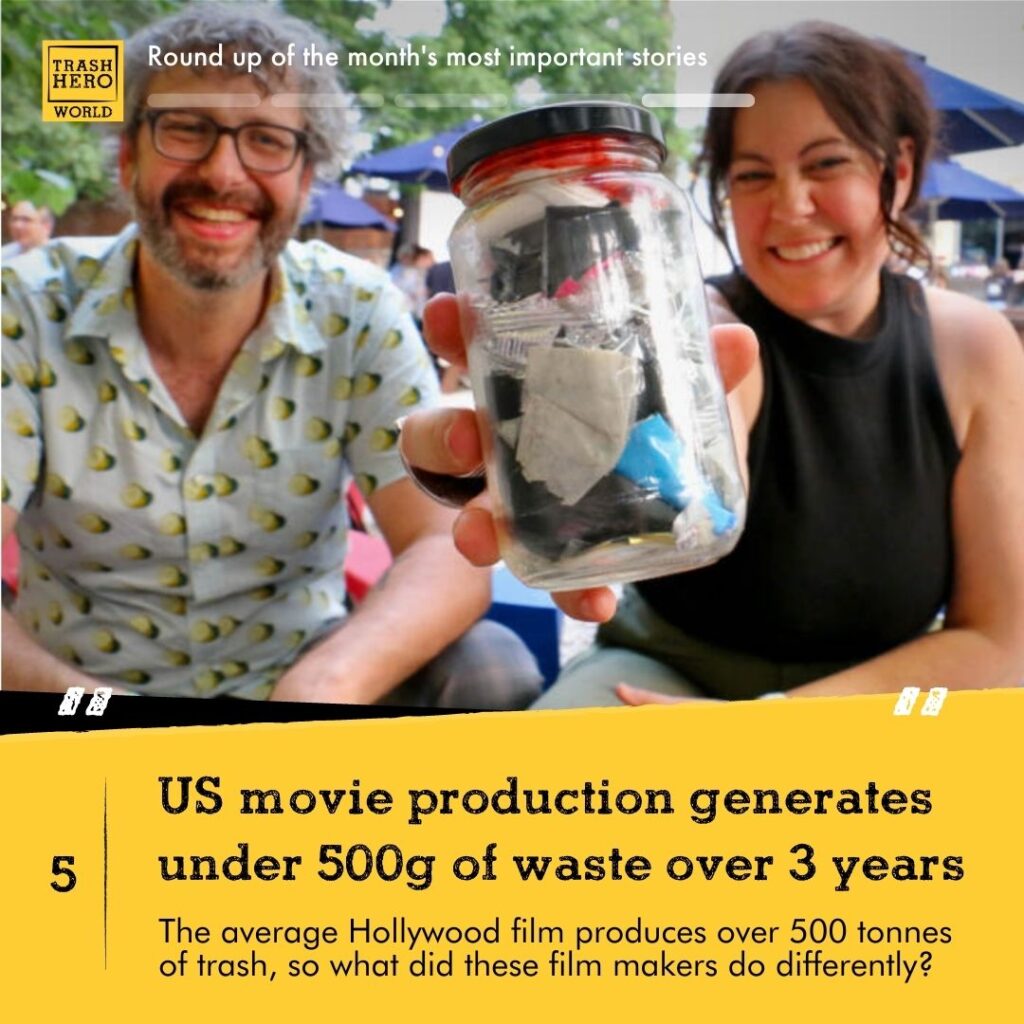
US movie production generates under 500g of waste over 3 years

The average Hollywood production produces over 500 tonnes of trash, so what did these filmmakers do differently?


What do you think about these stories? Let us know in the comments!

read more
LydiaAugust 2023: Monthly news round up

Exposing the hidden cost of sachets

by Lydia on 15/08/2023 No comments

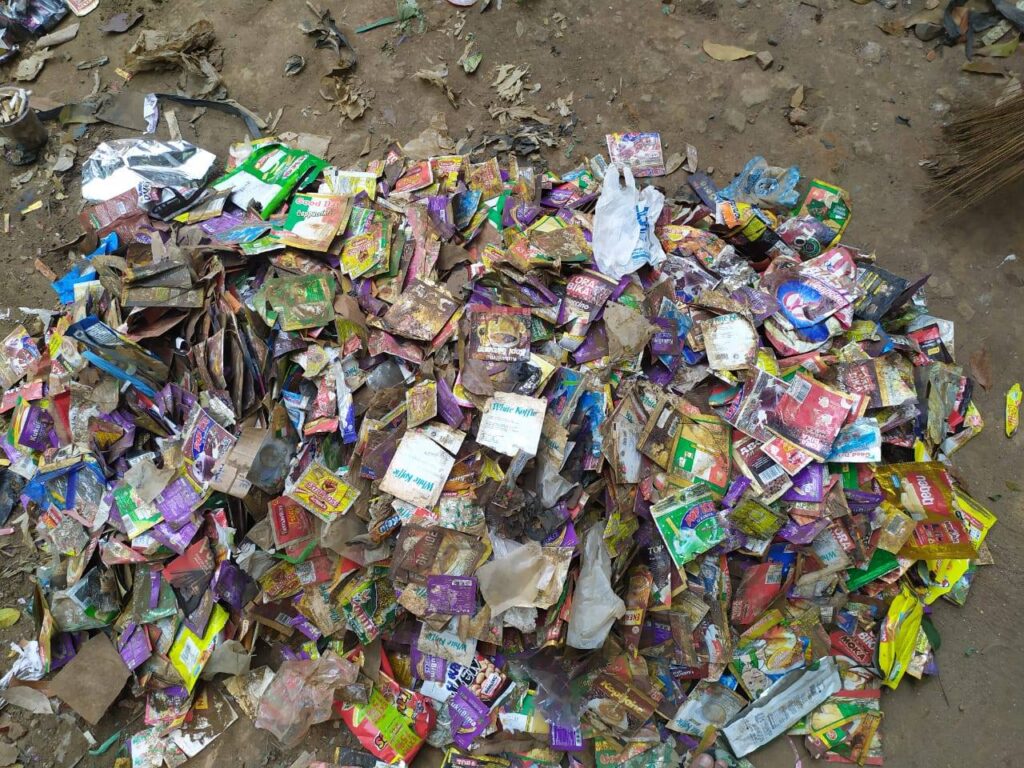
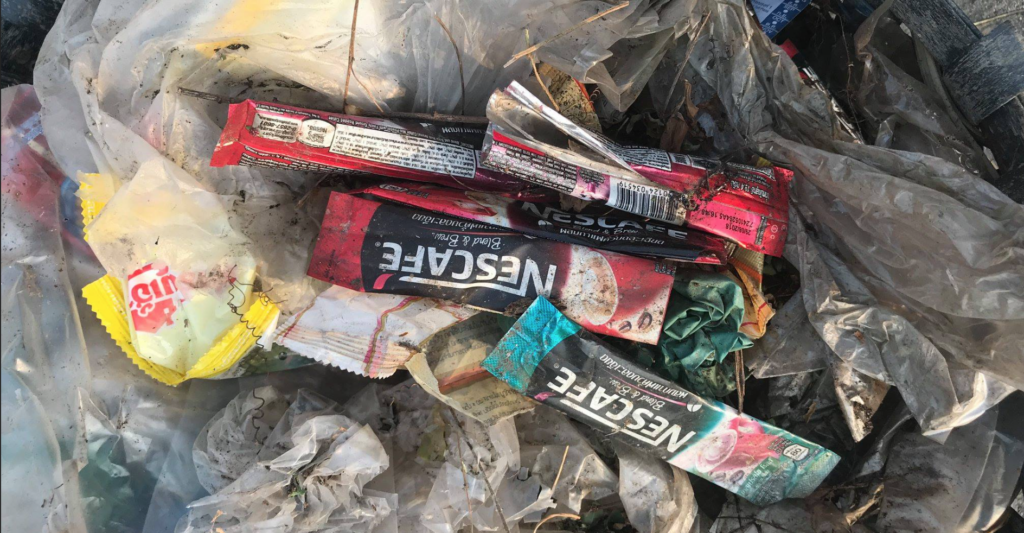
Lightweight, brandable, airtight, and cheap: sachets embody plastic’s most appealing qualities. As single-serving pouches, they are touted as affordable for low-income households. Yet, the actual cost of sachets extends far beyond their price. Their short-lived life triggers serious environmental, health, and social impacts, particularly in the very communities they claim to assist.

The first record of commercially sold sachets was in the 1980s by Unilever’s India subsidiary, Hindustan Unilever Ltd (HUL). They targeted lower-income areas with small quantities of shampoo, sold in plastic pouches for just 1 rupee ($0.01). By the turn of the century, 70% of all shampoo in India sold was in sachets and companies such as Nestle SA and The Procter & Gamble Company had also jumped on the bandwagon.  A staggering 2 billion sachets containing shampoo, laundry detergent, candy and more are now sold daily. These sales amount to enough sachets per year to blanket the entire Earth’s surface.

So why did we, and 116 other organisations globally, sign a letter asking for them to be phased out?

A means to exploit the poor and undermine local culture 

In the Global South, sachets are marketed aggressively at low-income households. At first, they may appear as an economical choice for families with low weekly earnings. A closer examination of the prices per 100g or 100ml (the “unit cost”) reveals that sachet products are frequently pricier than their counterparts in bottles or larger containers. The packaging also encourages the use of more product than may be necessary, resulting in more money lost over time. The price difference becomes worse over time. A 10ml shampoo sachet is used for one wash, while a 200ml bottle enables 20+ washes with less shampoo per wash. 

The takeover of sachets has meant traditional refill systems and the use of natural packaging have been forgotten. Before they flooded the market, families would bring their containers to shops, and shopkeepers would measure out portions of items such as sugar or cooking oil catering for all sizes and needs with no environmental impact.

The epitome of throw-away culture, but where is  ‘away’?

A typical sachet has an airtight inner plastic layer that protects the product, a foil barrier against moisture and heat, and an outer flexible layer that can be printed on. An adhesive holds it all together.

This small, single-use, yet durable design creates big environmental impacts. Their light weight means they often end up in forests, rivers, and oceans. From here, animals mistake them for food and get sick or even die after consuming them. Discarded sachets also worsen flooding by clogging waterways and drains, leading to more water-borne diseases. For something that is used for seconds, they have a very long-lasting impact!  

For recyclers and waste pickers, sachets have no value. The layers of cheap materials and adhesive render them unrecyclable and expensive to manage. So there is little incentive to collect them, as nothing useful can be done with them. . Former CEO of Unilever, Paul Polman, has said: “Packaging this small and with such little value has proved impossible to collect at scale, let alone recycle. We need to get rid of harmful sachets for good”. And he is not the only one who has spoken out. Unilever’s President for Global Food and Refreshments, Hanneke Faber, branded their multilayer design as ‘evil’ due to its non-recyclability. 

Producer responsibility: a burning question

Despite this, sachets continue to be sold in areas where waste collection infrastructure is non-existent. If not ending up in nature, the fate of most sachets is either a dumpsite or, more commonly, some form of burning. This is highly toxic, being detrimental to both human health and ecosystems, as well as contributing to the climate crisis. 

Various “recycling” schemes promoted by the producers of sachets often turn out to be little more than burning them, often as fuel for barbecue stalls or laundries, where they pollute further.

In 2017, Unilever invested in “revolutionary” chemical recycling plants in Indonesia that claimed to solve the problem of sachets. Just two years later, they quietly shut down the project. This was due to the ‘logistical difficulties of sachet collection and the challenging economics around the end product.’

In 2019, Unilever announced plans to support refill systems. They planned vendor machines in the Philippines to refill containers with shampoo and conditioner. Reuters visited the sites of these refill stations and discovered that Unilever had removed them after just one month. 

So, what is the solution?

Products sold in sachets can be sold as part of a refill system, but companies are reluctant to invest in the infrastructure needed.  Sachets are cheap to produce and so make more profit.  So they continue to focus on ways to better managing waste instead of avoiding it in the first place. 

We need companies to stop pushing unproven and harmful processes such as ‘chemical recycling’ as a solution. We need them to stop allowing poor communities, our planet and climate to bear the brunt of sachets devastating costs. We need them to commit to safe and sustainable reuse and refill systems that are accessible to everyone.

If you agree that plastic sachets should be phased out, then share our Instagram post so more people see the true cost of sachets! 

read more
LydiaExposing the hidden cost of sachets

July 2023: Monthly news round up

by Lydia on 27/07/2023 No comments

Our roundup of the month’s most important stories

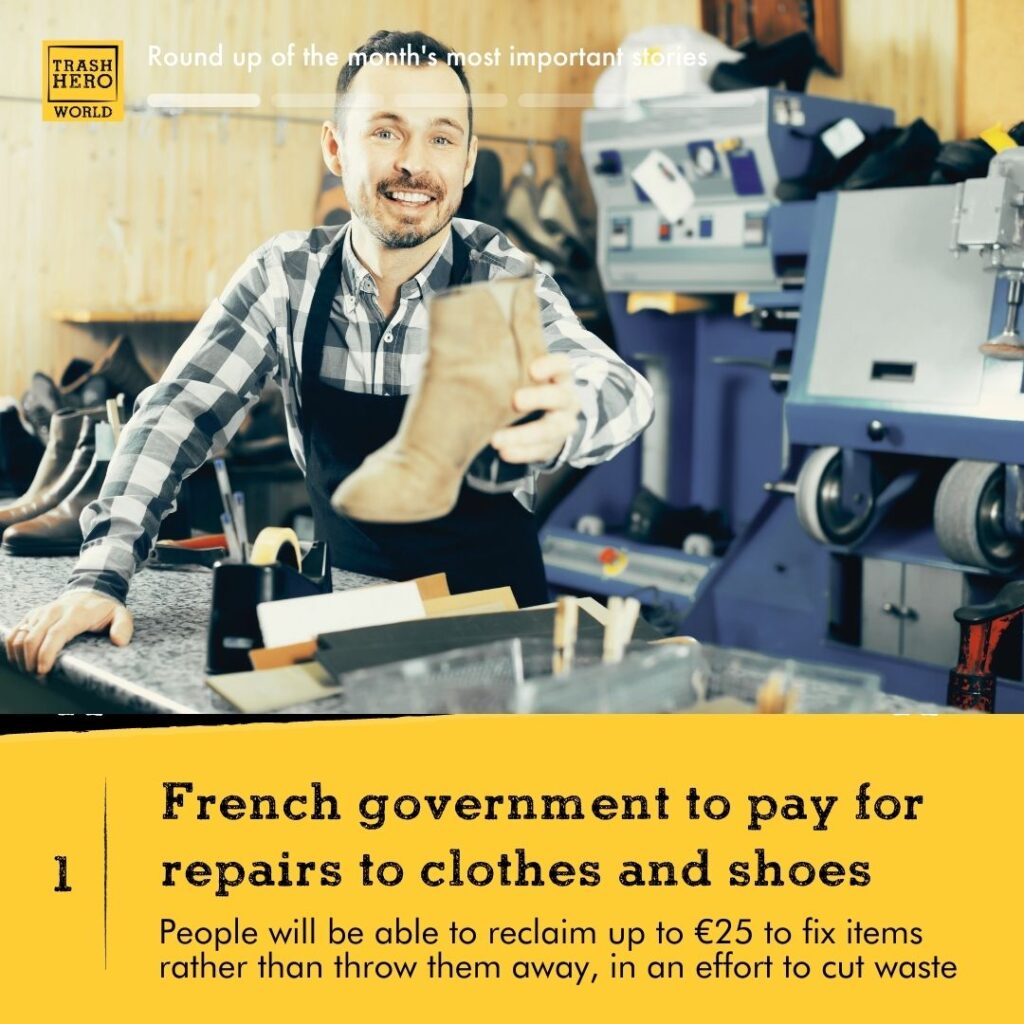
French government to pay for repairs to clothes and shoes

The French government are encouraging people to have their clothes and shoes repaired instead of throwing them away. People can reclaim up to €25 when they use certain workshops to fix the items, rather than throw them away.

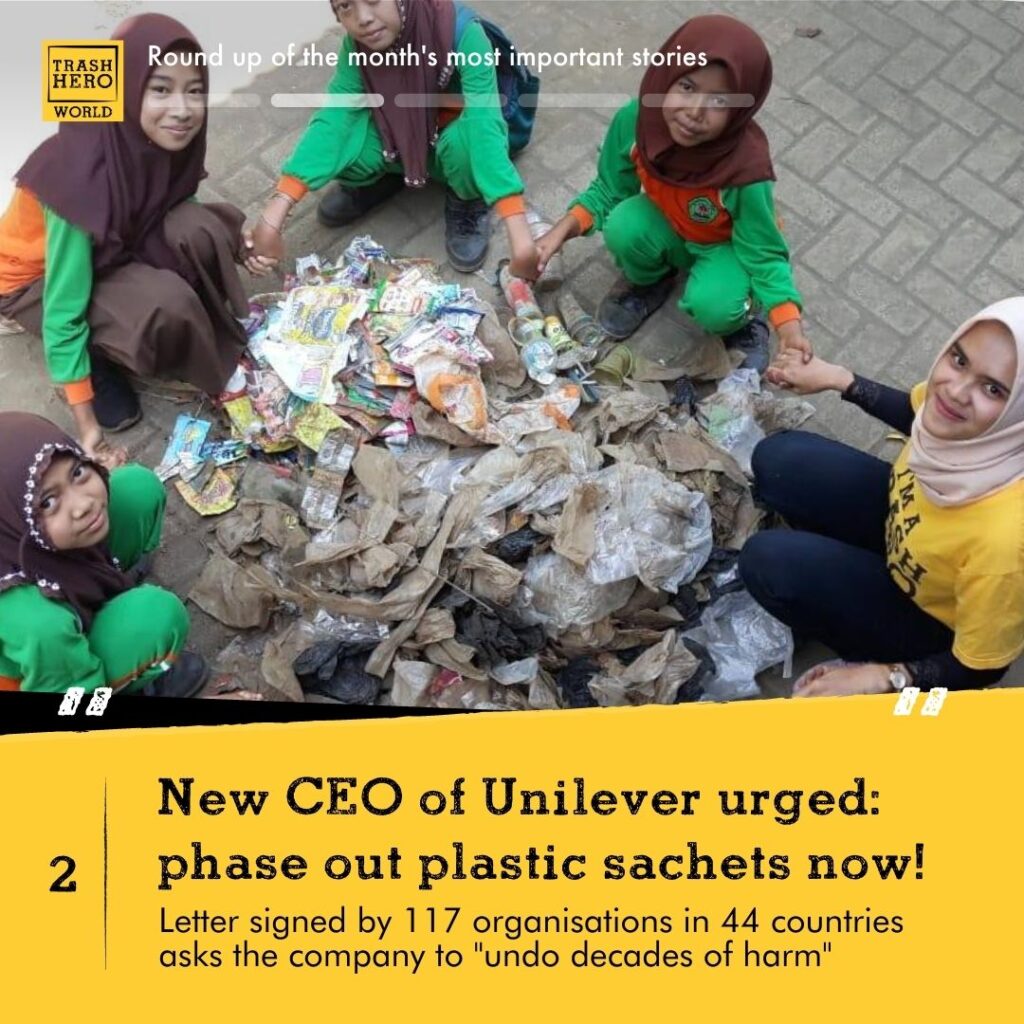
New CEO of Unilever urged: phase out plastic sachets now!

In an open letter to the new CEO of Unilever, 117 organisations (including Trash Hero) from 44 countries have asked them to phase out plastic sachets now and undo decades of harm

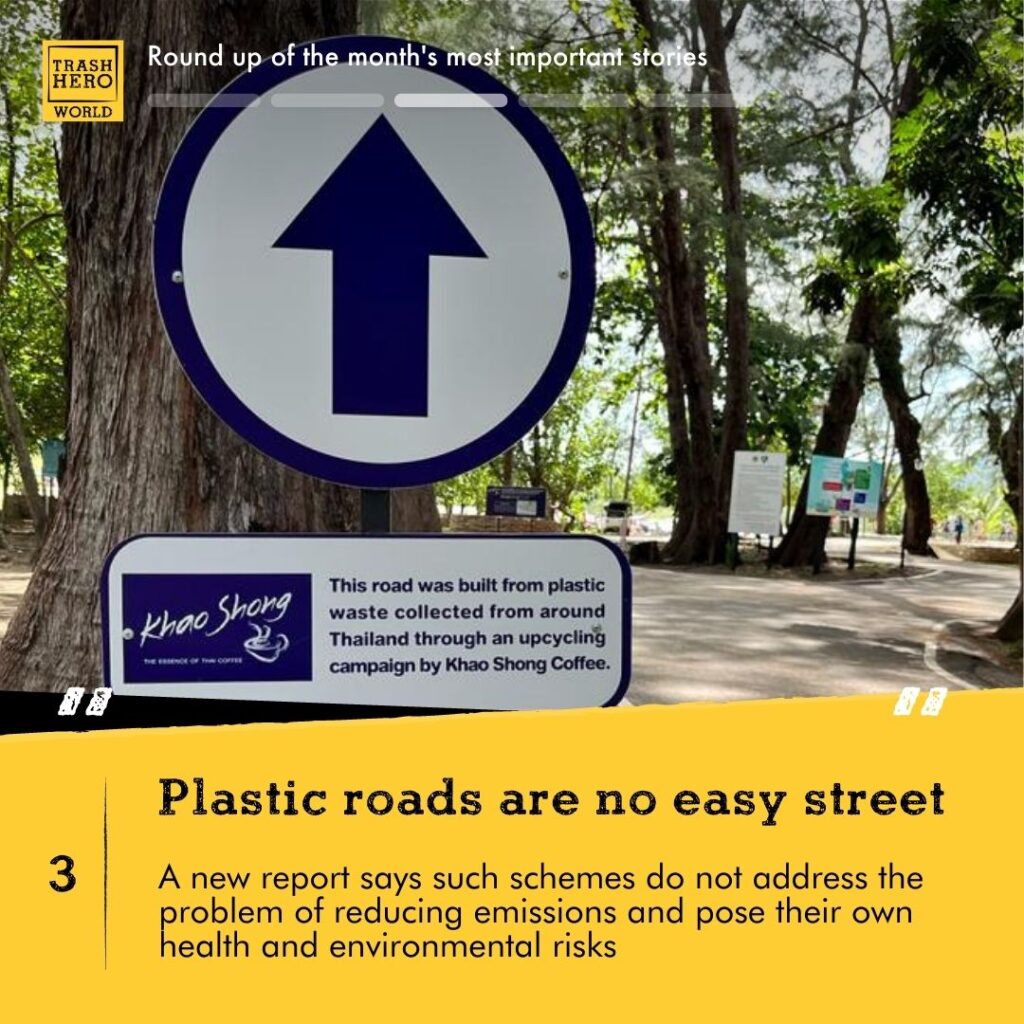
Plastic roads are not easy street

Think plastic-to-roads is a good idea? A new report reveals how schemes fail to address the problem of reducing emissions and come with their own health and environmental risks.

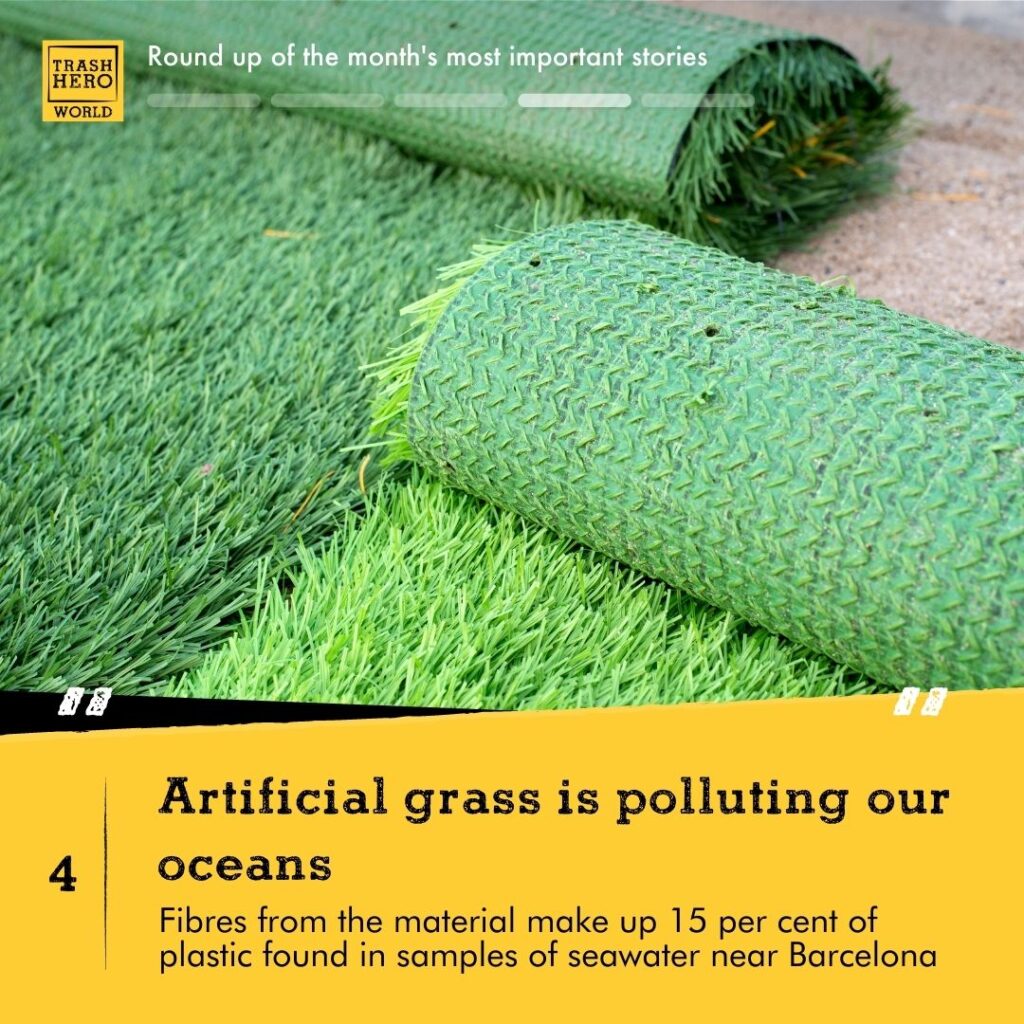
Artificial grass is pollution our oceans

Vast amounts of plastic from artificial grass is entering the ocean! A study done off the coast of Barcelona found that fibres from the material made up 15% of the plastics found in samples.

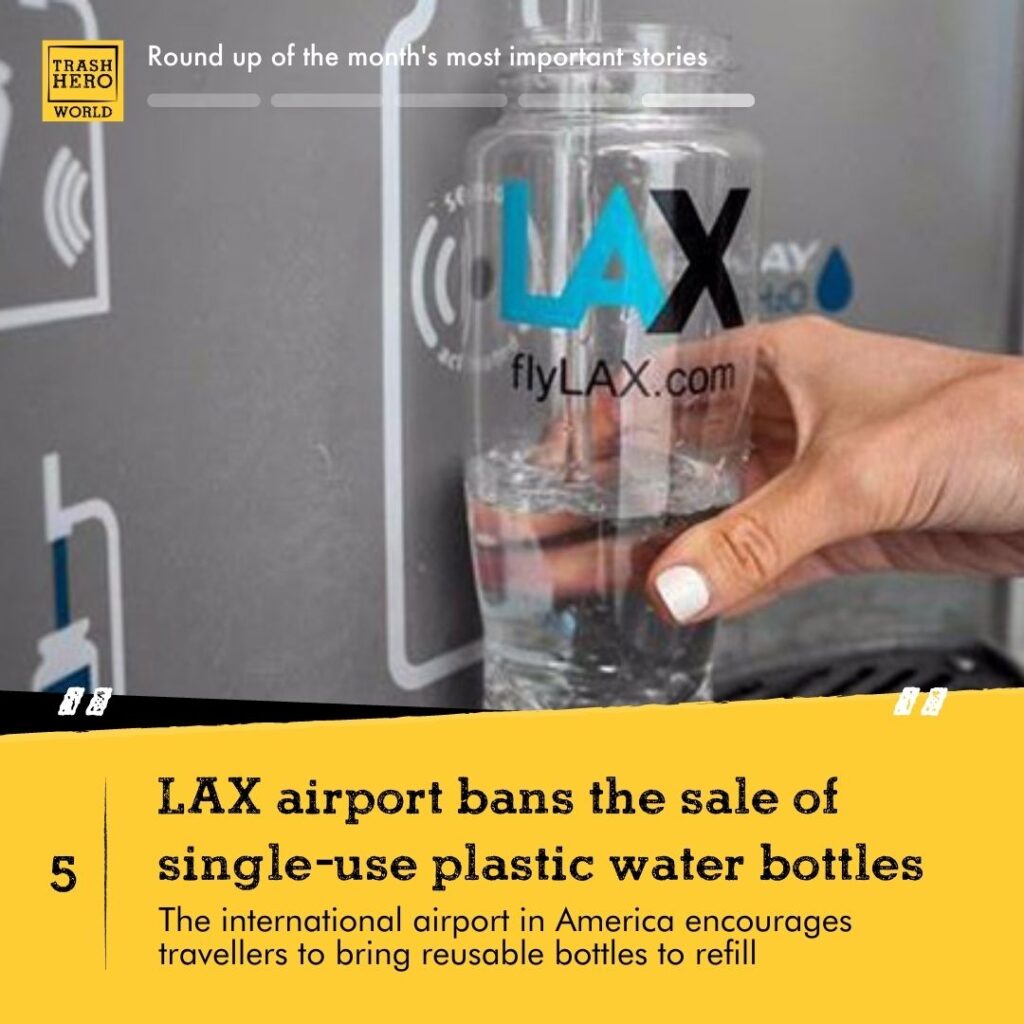
LAX airport bans the sale of single-use plastic water bottles

LAX airport is leading by example! They have banned the sale of single-use plastic bottles and are encouraging travellers to bring reusable bottles to refill.


What do you think about these stories? Let us know in the comments!

read more
LydiaJuly 2023: Monthly news round up

Busting the myth: plastic credits and their impact on plastic pollution

by Seema on 04/07/2023 1 comment

“With every product sold, we’ll recover 1kg of ocean-bound plastic. Together, we can stop plastic pollution”

Have you ever seen a claim like this? We have. As a network that organises thousands of cleanups every year, Trash Hero is often approached by companies offering so-called “plastic offsetting”. We are offered cash for trash, in return for joining a “plastic credits” scheme. 

The plastic credits industry is experiencing rapid global growth, with plastic producers queuing up to be certified. With a contribution to a middleman – like Verra or Plastic Bank – they can buy themselves “plastic neutrality”, supposedly achieved by balancing a portion of their production with a collection of plastic waste. 

Trash Hero has always refused to take part in these schemes. Why? Let’s delve deeper into the concept of plastic credits and the impact they have on plastic waste.

What are plastic credits?

Plastic credits are tradable certificates that represent a specific amount of plastic waste, typically 1 metric tonne per credit. This waste has either been recycled, picked up as litter or prevented from entering the environment. It can be made up of any type of plastic and can be from any location worldwide, but is typically “ocean-bound”, meaning it was collected within 50km of a coastline. 

The credits are issued by third party brokers that manage the collection or recycling, authenticate the origin and track sales to avoid fraud. Each broker has its own set of rules, standards and pricing for credits and there is currently no regulation of the market.

The credits confirm the amount of plastic “recovered” in the buyer’s name and entitle them to claim several different things:

  • Their products, made from the same quantity of plastic, are “plastic neutral”
  • Their products, if the credits are for recycled material, are made from “recycled plastic” (even if actually made from virgin plastic).
  • They are helping to solve the plastic pollution problem, despite continuing to produce plastic that is toxic and polluting.

This is problematic in many ways.

Permitting “business as usual”

Plastic offsetting allows companies to say they are doing something about the problem, while continuing to produce plastic. It is easier and cheaper to buy plastic credits than to implement packaging and delivery systems that would reduce their plastic output – widely recognised as the only real means of stopping pollution. 

The credits, and the marketing around them, give the false impression that something is being done about the crisis and reduce public pressure to build alternative systems.

Do they really balance?

Different types of plastics possess unique physical and chemical properties that influence their environmental impact. But with plastic credits, there is no principle of “like for like”. Can a tonne of plastic water bottles removed from an urban dumpsite really offset the production of a tonne of low-value plastic sachets that can never be recycled and might end up in the ocean? Or a fast fashion clothing line that releases microplastic fibres into the air and water during use? These decisions are in the hands of the brokers. 

What happens to the waste that is collected?

This is another issue that complicates the “offsetting” calculation. “Recovery” of plastic waste has no universal definition, and in practice has been shown to include disposal in open dumpsites and various methods of incineration – all of which have serious, long term impacts on the climate and human health. In our experience, most waste that is collected from nature is mixed, contaminated or degraded and only a small percentage can be recycled – or, more likely, downcycled. 
Even in the ideal case, plastic never ‘disappears’ when it is recovered. Clean PET bottles may be recycled once or twice at best, then must be landfilled or incinerated. It is misleading to suggest recovery of any sort can negate the impact of creating new plastic destined to meet a similar end, just a short while later.

‘In our experience, most waste that is collected from nature is mixed, contaminated or degraded and only a small percentage can be recycled’

Challenges with additionality

Additionality refers to the concept of demonstrating that the waste collected through plastic credits is in addition to what would have been collected anyway, without the credits being purchased. This is not the case if credits come from trash collected by existing waste pickers, or that is diverted from going to an existing recycling programme. However, this is nearly impossible to check or adjudicate. There is a worrying lack of independent standards, transparency and oversight in the industry.

Perpetuating waste colonialism 

Aside from the issues of calculation, plastic credits raise significant social and ethical considerations. The majority of companies participating in these schemes are large corporations located in developed countries, predominantly in the Global North. Whereas most, if not all, of the projects that collect plastic waste are based in less developed countries, primarily in the Global South.

By purchasing these credits, corporations take advantage of cheap labour costs and more lenient environmental and health and safety regulations. This dynamic perpetuates an already unfair situation. Waste workers and waste pickers in less developed countries of the Global South continue to bear the harmful consequences of handling low-value plastic waste that is often exported from developed countries in the first place.
For all of these reasons, Trash Hero will never take part in any plastic offsetting programme.The goal of our cleanups is to engage and educate the community to reduce waste, not to enable plastic producers to greenwash their image and continue creating trash for us to pick up forever. 

You can read more about the issues of plastic credits on the Plastic Solutions Review website, GAIA’s Plastic Neutrality briefing or watch the Break Free From Plastic webinar here 
Note: all Trash Hero cleanup participants are volunteers and do not receive any form of financial compensation, including expenses, for their work.
read more
SeemaBusting the myth: plastic credits and their impact on plastic pollution

June 2023: Monthly news round up

by Lydia on 29/06/2023 No comments

Our roundup of the month’s most important stories

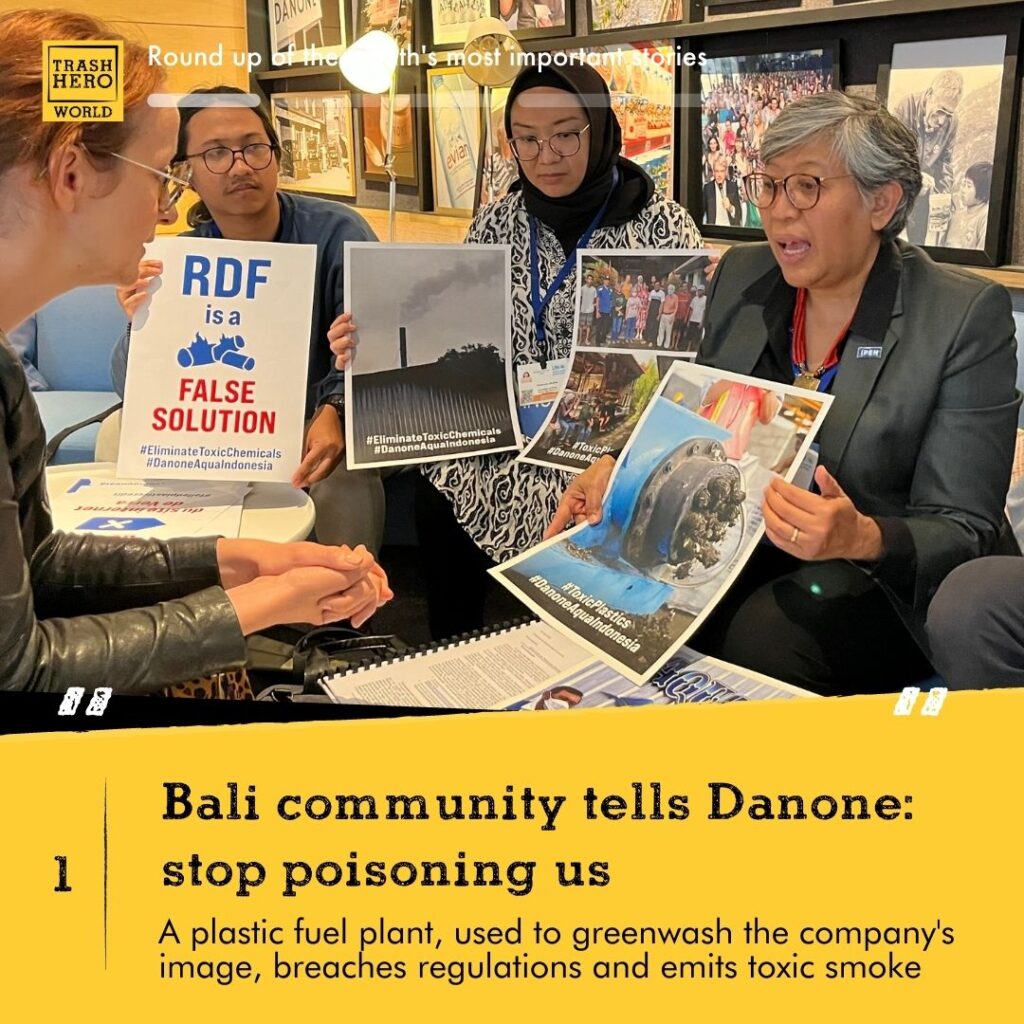
Bali community tell Danone: stop poisoning us

In Bali, members of the Angga Swara neighbourhood in Jimbaran, wrote a letter to Danome asking ‘stop poisoning us’. A plastic plant in the area, used to greenwash the company’s image, breaches regulations and emits toxic smoke. Articles are also available in Indonesian language.

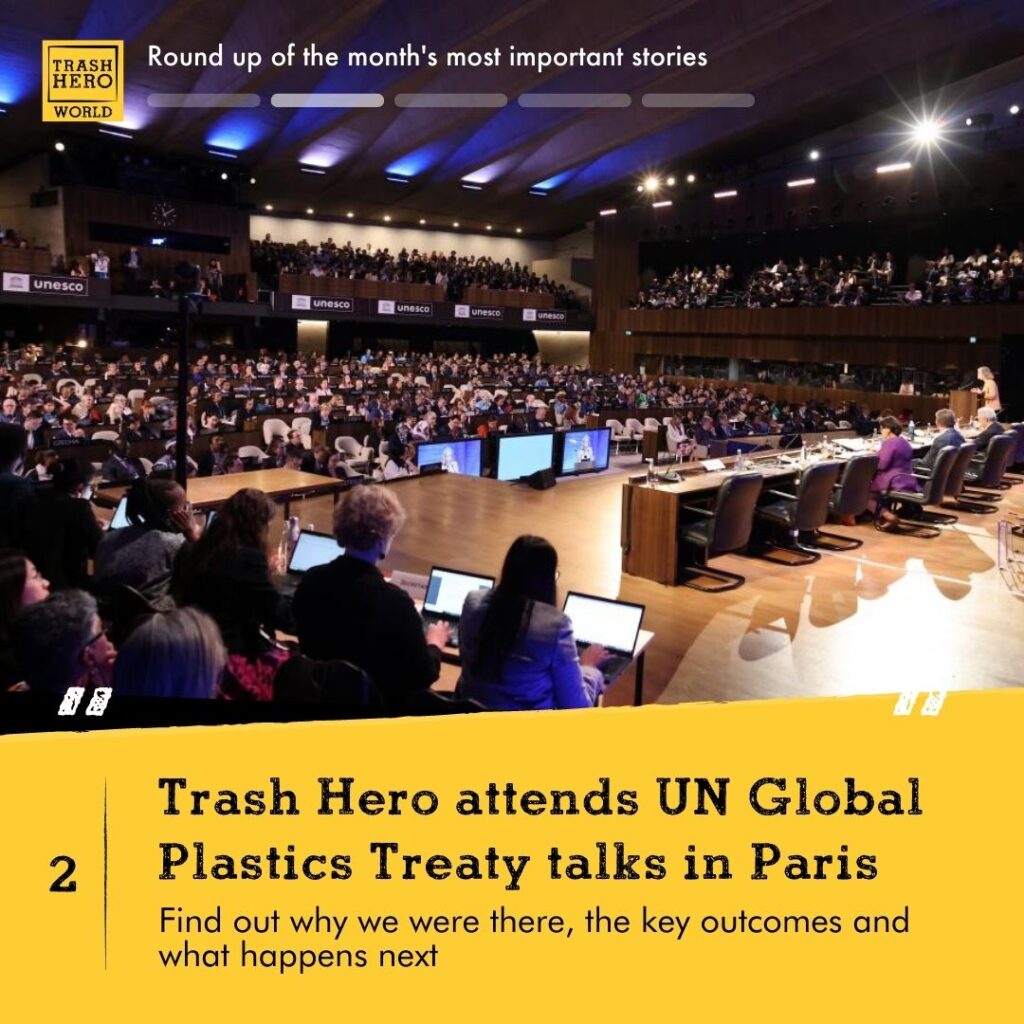
Trash Hero attends UN Global Plastic Treaty talks in Paris

Find out why we were there, the key outcomes and what happens next in our blog post.

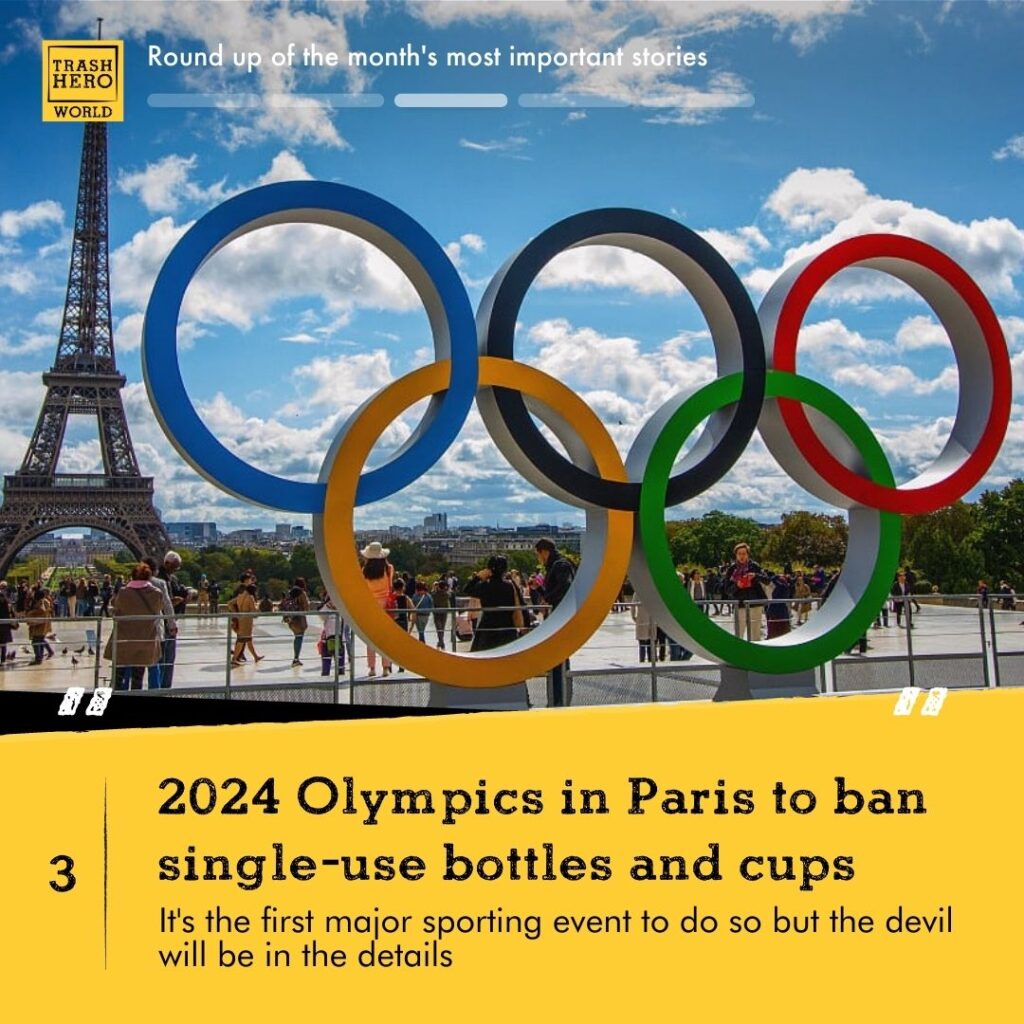
2024 Olympics in Paris to ban single-use bottles and cups

The Paris Olympics 2024 announced they will ban single-use plastic bottles and cups at the event. They are the first large sporting event to make such a commitment, and how the details of how they do it will be key to its success.

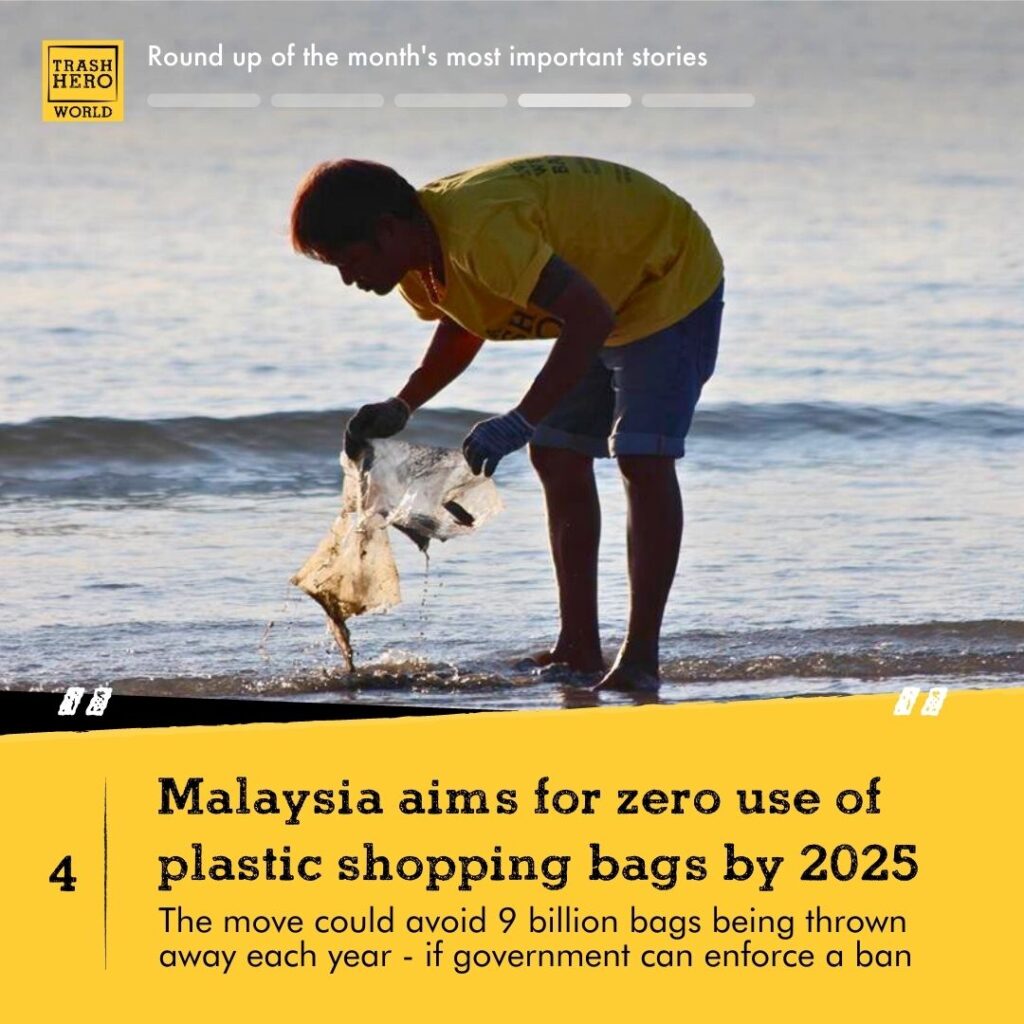
Malaysia aims for zero use of plastic shopping bags by 2025

The ban could prevent the use of an estimated 9 billion bags per year, but for this to happen, the government needs to take important steps, such as public education. Check out our blog if you’re curious about how to make a plastic ban effective.

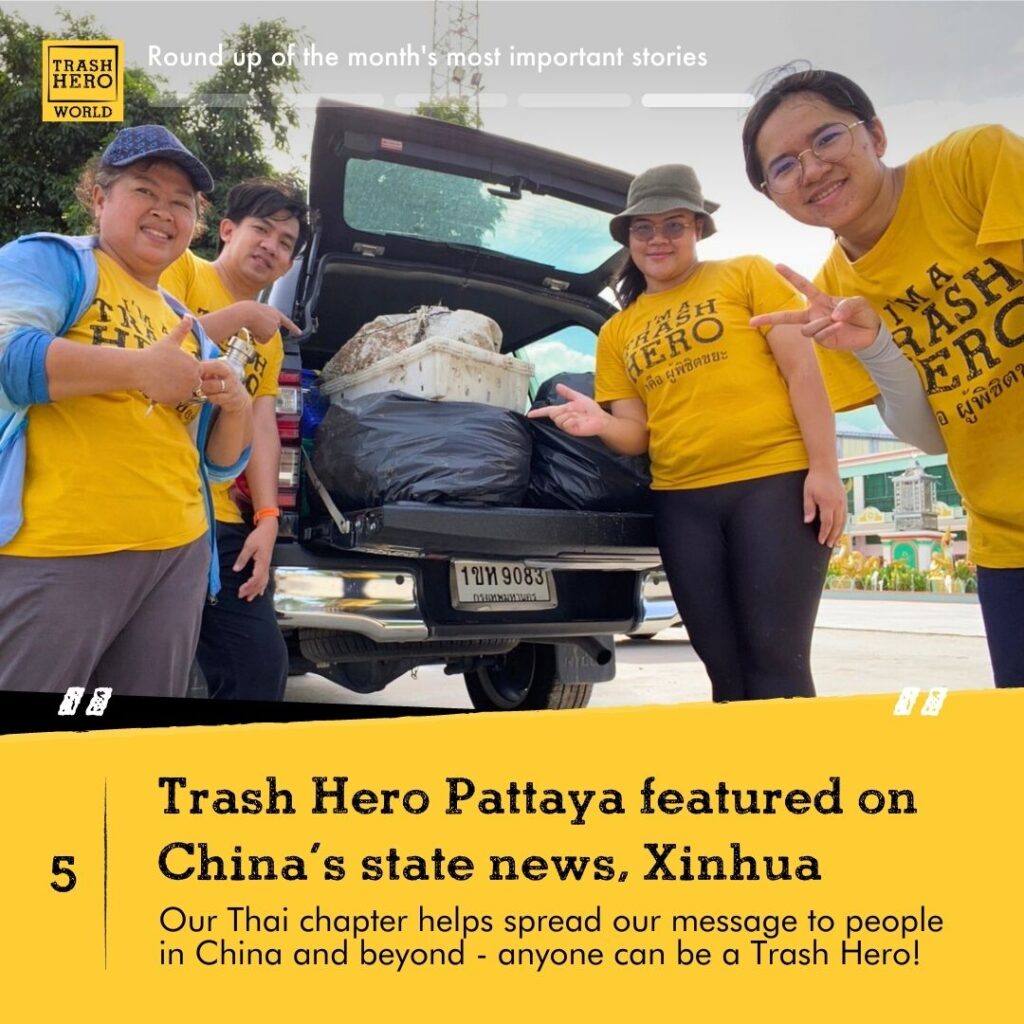
Trash Hero Pattaya featured on China’s state news, Xinhua

The media outlet is helping us spread our message in China and beyond – anyone can be a Trash Hero!


What do you think about these stories? Let us know in the comments!

read more
LydiaJune 2023: Monthly news round up

Volunteer training 2023 kicks off with over 100 participants

by Lydia on 13/06/2023 No comments

The incredible impact that Trash Hero has had is due to the dedication and commitment of our volunteers. They are the movement’s driving force, and their positive attitude and hard work is inspiring

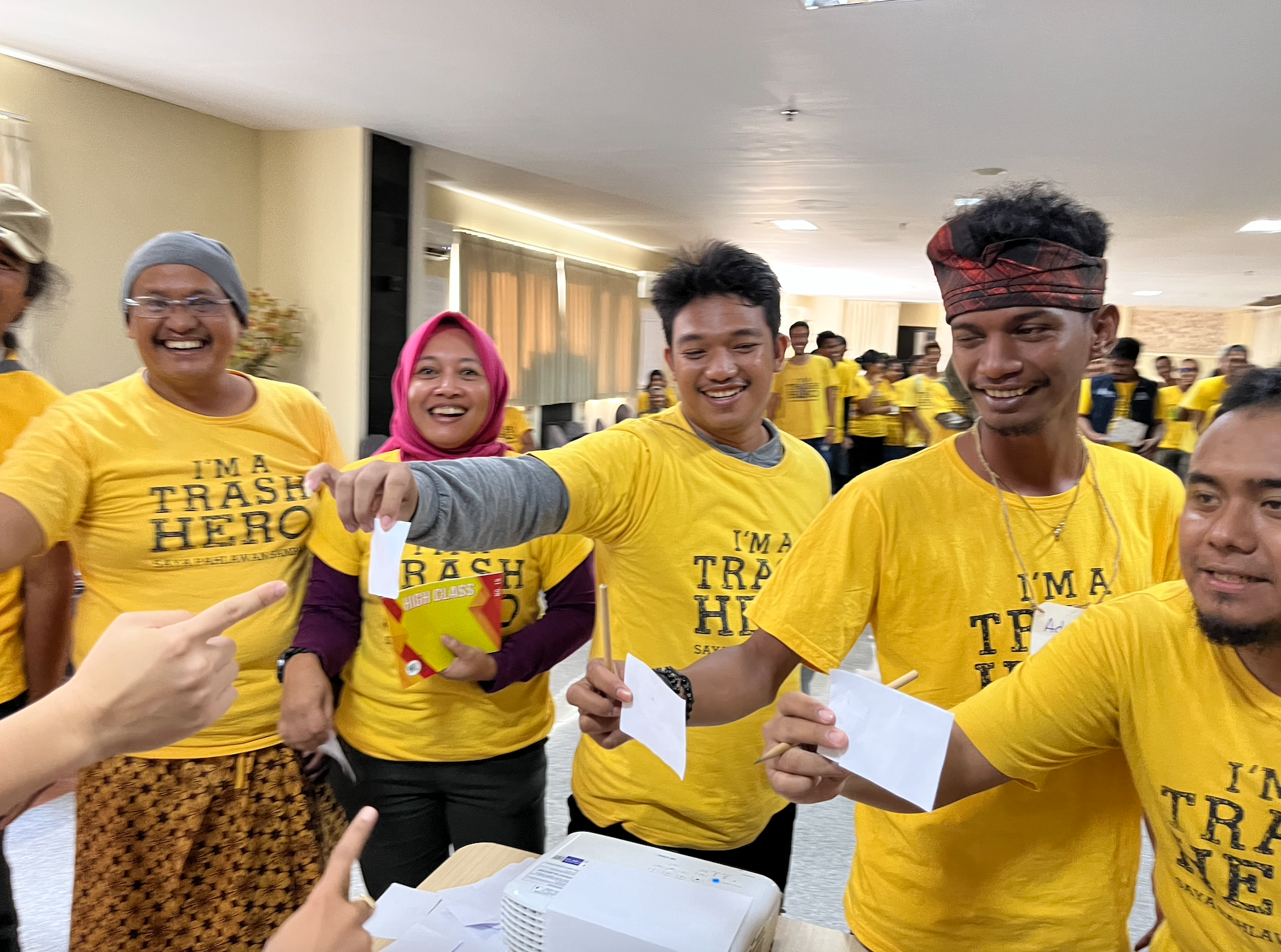
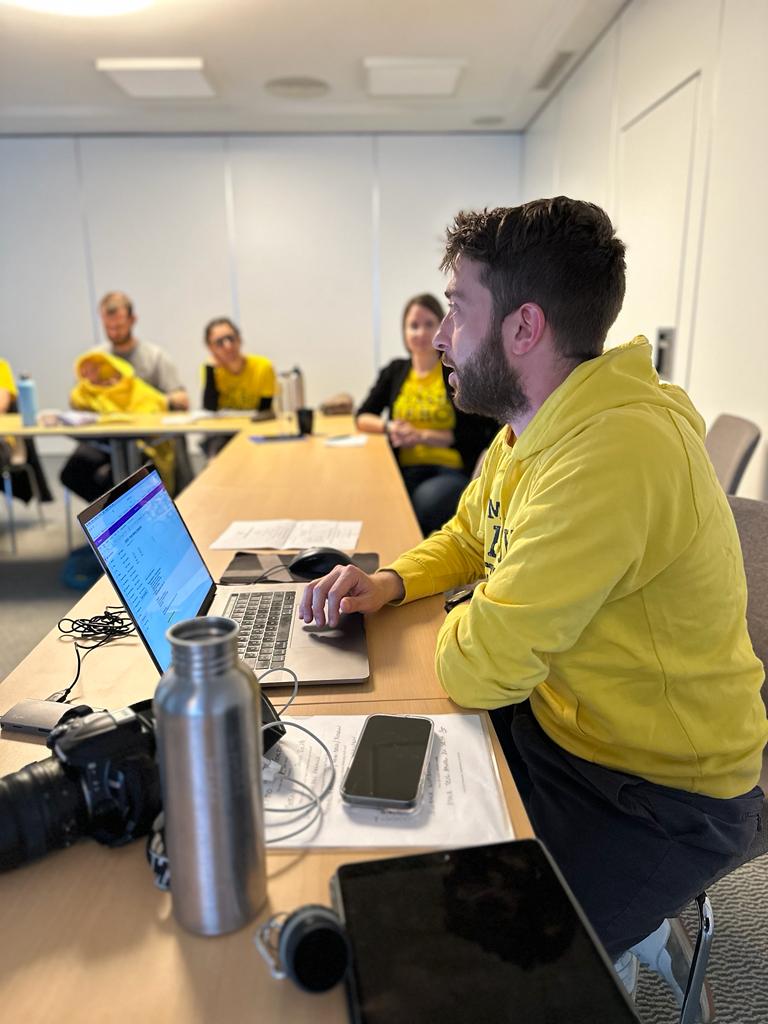
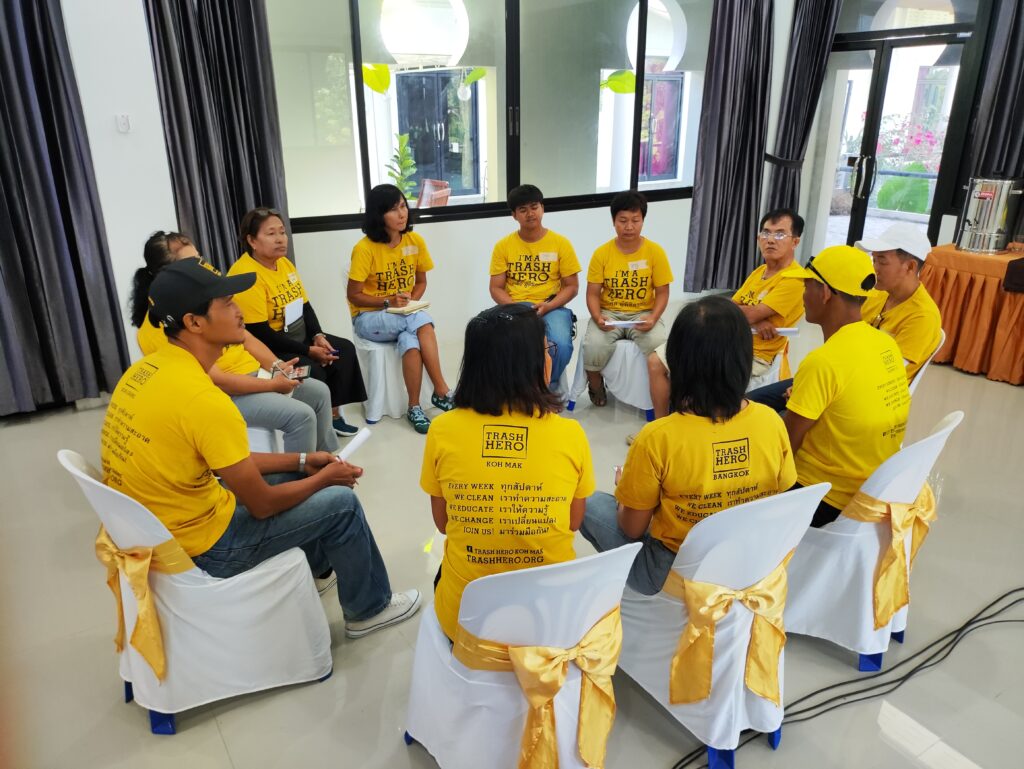
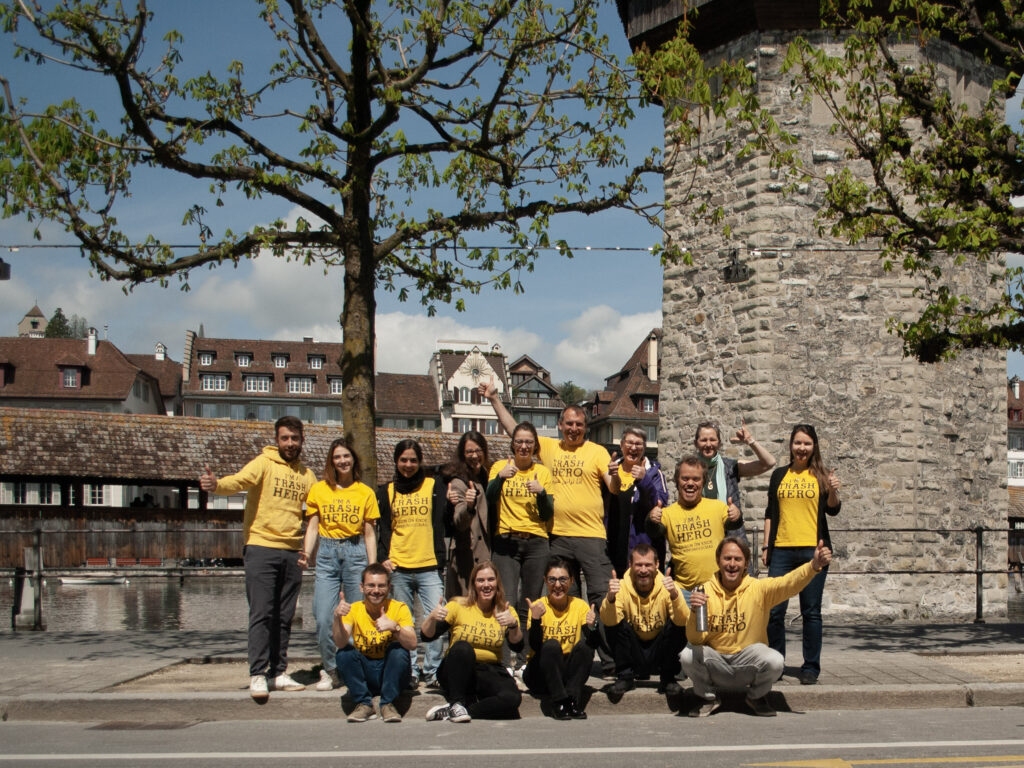
To keep this spirit alight, Trash Hero World holds regular on-site “Family Meetings”, which allow active volunteers inside our major countries of operation to meet and share new knowledge and experiences. In April and May this year, we hosted a one-day event in Switzerland and 3 x three-day residential events in Indonesia, Malaysia and Thailand. 

“It was great to see the Swiss Trash Hero Family again, share different experiences, learn from each other and spend a great time together.” Fabio, Trash Hero Bern, Switzerland

In Southeast Asia, volunteers got to know each other through small group work and games, mixing serious learning with plenty of fun. The first day was spent introducing the principles of zero waste systems, including the importance of waste separation, debunking false solutions such as incineration and mapping the problem of waste management in a small island community. Of particular interest was the composting workshop: many participants were keen to try this out on their return home. 

The focus of the second day was improving community engagement – exploring how the Trash Hero values and consistent approach establishes trust. This can then be built on to create long term change, for example with the kids’ book programme or the water bottle refill network. The workshops covered social media skills to help increase participation in activities and how to provide meaningful education through cleanups.

“Professional speakers and very good material for us to make improvements in our respective chapters”. Jack, Trash Hero Biak, Indonesia

On day three, volunteers were asked to reflect on the new knowledge and skills they had learned and prepare a strategic action plan to take back to their chapters. Together with support from our mentor teams, this will help to guide their activities over the next six months.

With new friendships formed and new energy found, we see the network stronger than ever moving forward. We are thankful to everyone involved in organising the transport, accommodation and food, creating, facilitating and presenting the sessions, and of course to all those who took time off work to join us.

“This Family Meeting is very extraordinary for each of us chapters to motivate each other more” Trash Hero Volunteer, Indonesia

In total 108 participants joined the Family Meetings from 54 chapters

Trash Hero Switzerland Family Meeting

Date: 23 April 2023

Location: Luzern, Switzerland

Participants: 15

Chapters: 6

Trash Hero Indonesia Family Meeting

Date: 5-7 May 2023

Location: Bali, Indonesia

Participants: 67

Chapters: 33

Trash Hero Malaysia Family Meeting

Date: 12-14 May 2023

Location: Kuala Lumpur, Malaysia

Participants: 9

Chapters: 4

Trash Hero Thailand Family Meeting

Date: 19-21 May 2023

Location: Pattani, Thailand

Participants: 24

Chapters: 11

Thank you to CFLI for supporting the event in Thailand

read more
LydiaVolunteer training 2023 kicks off with over 100 participants