
“Building a circular economy of plastics” and increasing the use of “circular plastic” are industry buzzwords that have been doing the rounds (pun intended) for the last few years in policy papers and glossy reports. They paint an appealing picture: just put a plastic bottle in the recycling bin and it will become another bottle. If only more resources were put into recycling efforts, the plastic problem would be solved.
But is it even accurate to refer to plastic as a circular material, and does recycling it really make the system that produces it circular?
To answer this, let’s take a closer look at how plastic is recycled and what a circular economy involves.
Plastic is designed for convenience, not circularity
The vast majority of plastic is made from fossil fuel feedstock and chemicals and is designed around its immediate purpose and cost, rather than what will happen to the material afterwards.
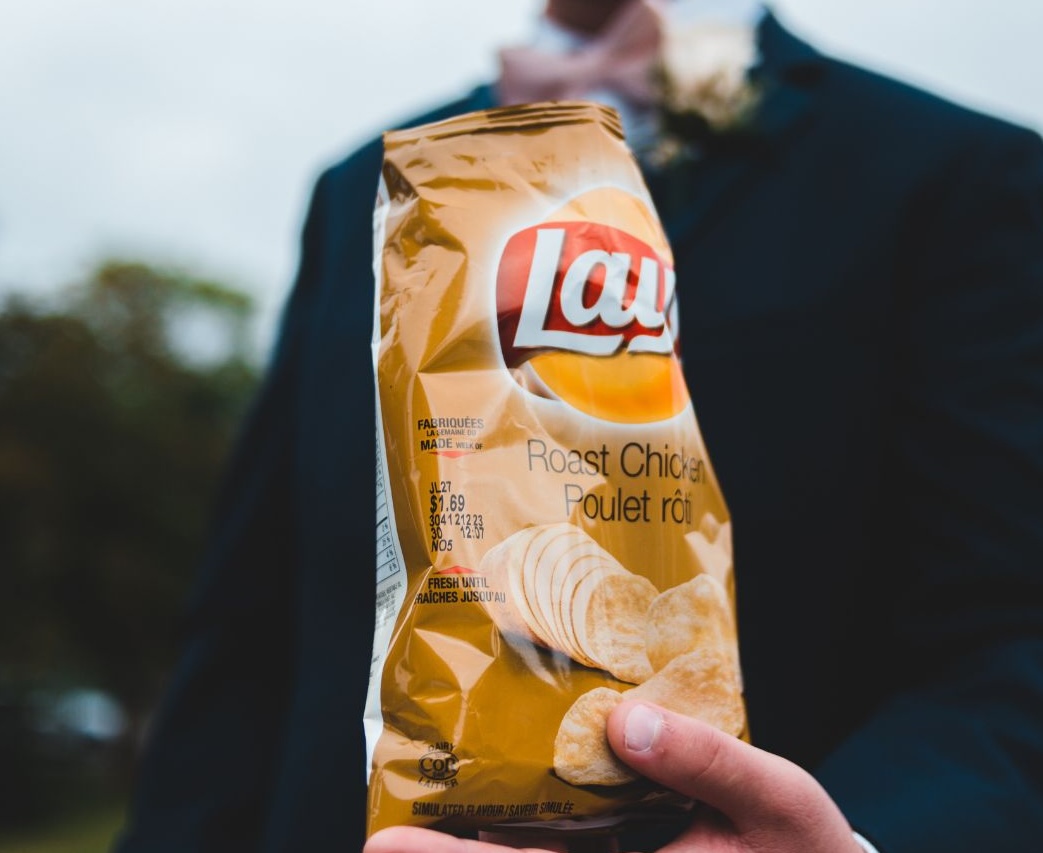 Let’s take a packet of crisps. It’s designed to be lightweight, cheap, convenient and easy to transport, to keep the contents fresh and then be thrown away. The packaging will typically combine several layers of different materials, along with synthetic additives and dyes. Classifying the material and physically separating those layers for recycling is practically impossible.
In addition, there are around 16,000 known chemicals in plastic, many of them hazardous to life. Yet the exact chemical composition of any given plastic is typically not disclosed (it is considered a “trade secret”), so recycling risks carrying unwanted toxins into new products, including unknown chemical cocktails formed when mixed with other packaging in the batch.
These limitations are not just technical. Recyclability also depends on available resources for collection and sorting, and whether there is a viable market for the recovered material. When the cost of virgin plastic (bolstered by oil subsidies and huge economies of scale) is significantly cheaper than recycled plastic, it’s little wonder recycling capacity is decreasing across Europe.
As long as the focus is on cheap, disposable, branded packaging, plastics will remain fundamentally problematic to recycle, despite what the label says. It’s well known that “recyclable” does not guarantee that something will actually be recycled – in fact only 9% of plastic ever is. That’s an awfully long way to go to reach full circularity.
Plastic recycling is not a never-ending loop
And even if that huge gap were somehow filled, there is another issue. Unlike materials such as glass and aluminium, plastics become harder to recycle into equivalent products as they go through repeated processing. Mechanical recycling damages the long molecular chains that give plastics their properties.
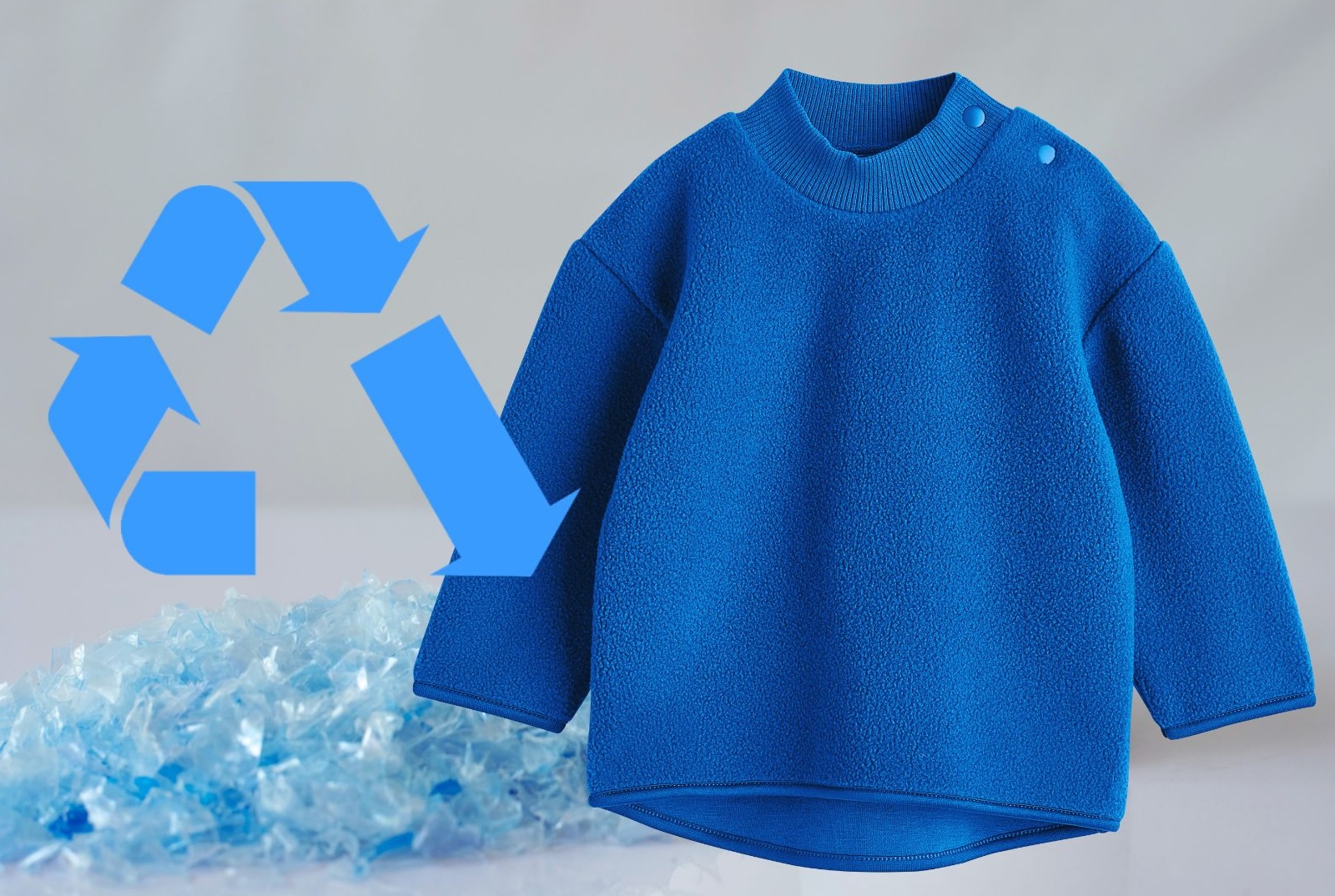 The result is plastic that can only be used for a narrower range of products (think PET bottles turned into fleece material or quilt stuffing) or that needs to be mixed with new plastic to meet the required specifications (like the “100% recycled” bottles that turn out to have far less recycled content). Contamination and mixed materials only further degrade the quality of the final product. This is why plastic recycling is often called “downcycling”.
Typically after 1-2 cycles the material becomes unsuitable for further recycling and ends up being dumped. The recycling process only delays the inevitable, rather than keeping plastic in circulation forever.
Another single cycle frequently being passed off as “circular” is burning. Turning waste plastic into fuel, energy or heat is a dead end, resulting in a dirty product that can never be used again, as well as significant additional emissions and toxic by-products. Another thermal treatment, chemical recycling, promises to do better but has a poor efficiency and needs additional fossil fuel to make it viable.
All of this is important because any system that still needs a continuous supply of new plastic is not a closed loop. Mechanical recycling can temporarily reduce demand for new material in some applications, but it cannot be assumed to replace virgin production in any serious way.
Circularity means more than dealing with waste
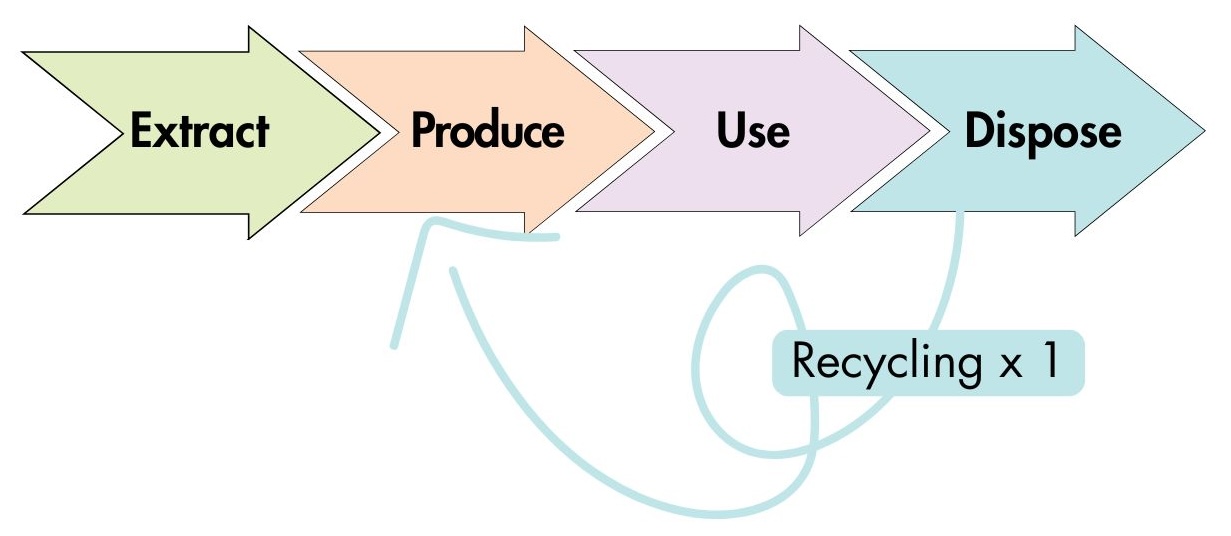
In our current, linear economy, we extract resources, turn them into products, use those products, throw them away and start all over again with new extraction.
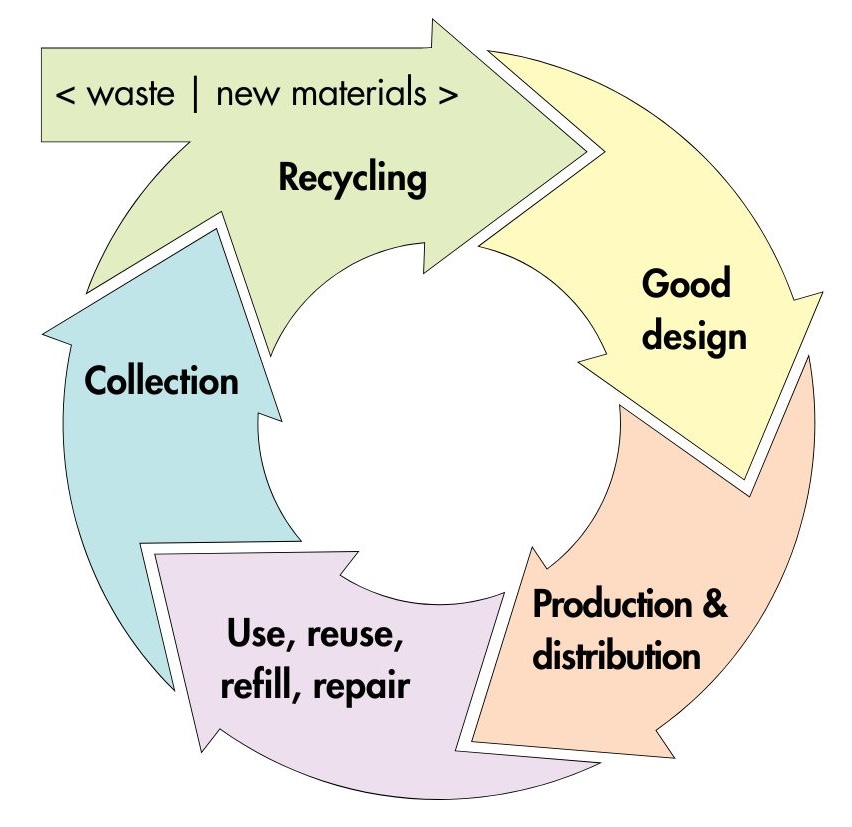 A circular economy is intended to work differently. In its truest sense, it aims to limit the use of resources by keeping them in useful circulation for as long as possible, reducing the need to extract new materials and preventing pollution and waste. It also considers where materials come from, the environmental, social and health costs of production and whether their impacts can be safely managed at the end of their useful life.
Recycling is just one part at the end of that system, not its defining principle. The main driver of a circular economy is in fact reduction, through good design, reuse and repair – and the infrastructure that makes that possible.
If discussions about a “circular economy for plastics” start and end at the bin, it means the finite resources extracted, the energy consumed, the pollution, microplastics and emissions created and the people and ecosystems affected before it becomes waste never enter the equation.
This is why the Center for International Environmental Law (CIEL), in its report Beyond Recycling: Reckoning with Plastics in a Circular Economy, argues that discussions about circularity must account for the entire life cycle of plastics.
So, can plastic ever be part of a circular economy?
The plastics and fossil fuel industries have strong commercial interests in maintaining demand for plastic. As CIEL notes, they have systematically appropriated the term circular economy and created their own version of circularity.
Under this narrow definition, a company can promote recyclable packaging, invest in recycling technology or increase the recycled content of its products while continuing to pollute and produce large quantities of new plastic.
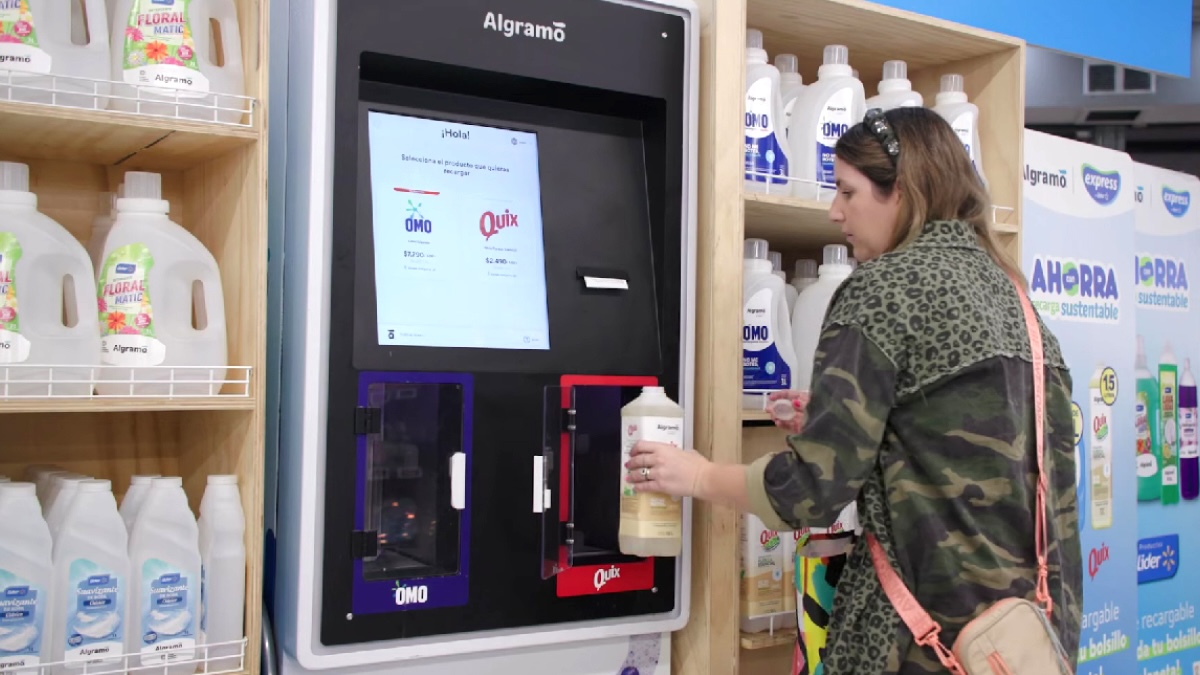 A real circular economy, on the other hand, that addresses whether we need a product at all, would likely eliminate the vast amount of single-use plastic being produced today.
And for the plastic that remains necessary, it would demand mono-materials, additives with proven safety and clear labelling, and effective systems to reuse the products and packaging without creating further harm.
Recycling would still have a role to play, but here would follow reduction and reuse, rather than being the only intervention in the system.
These measures require more than individual consumers putting items in the right bins. Businesses will need to rethink how products are delivered, and governments will need policies that support reduction and reuse, hold producers responsible for their impacts and prevent harmful materials from circulating.
This is a more demanding – but more accurate – definition of circularity than pledging to increase the recycling rate while continuing to produce ever more plastic.
Why the definition matters
This is more than just an argument about who uses what words. The definitions we use shape the solutions we pursue.
Industry knows this and that’s exactly why they are shaping the definition they prefer. In the negotiations for a global plastics treaty for example, governments are working on measures to end plastic pollution, but they need a shared understanding of what a circular economy should achieve. If “circularity” is broadly interpreted as “more recycling”, the treaty risks overlooking the role of production and design decisions that create the problem in the first place.
If we want a genuine circular economy, we need to stand firm on the definition of what it means – otherwise the same term can be used to support very different agendas.
We must judge progress on whether we reduce the use of new resources and prevent pollution and other harms, not simply by how much plastic we collect, recycle or label as recyclable.
This is how the language of circularity becomes a form of greenwashing.
Join the conversation