May 2025 : the month’s most important stories

by Lydia on 29/05/2025 No comments

Our round-up of the month’s most important stories.

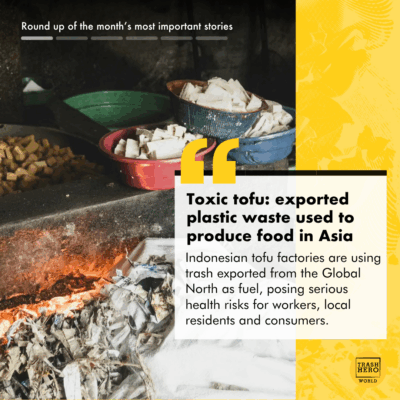
Toxic Tofu: exported waste used to produce food in Asia.
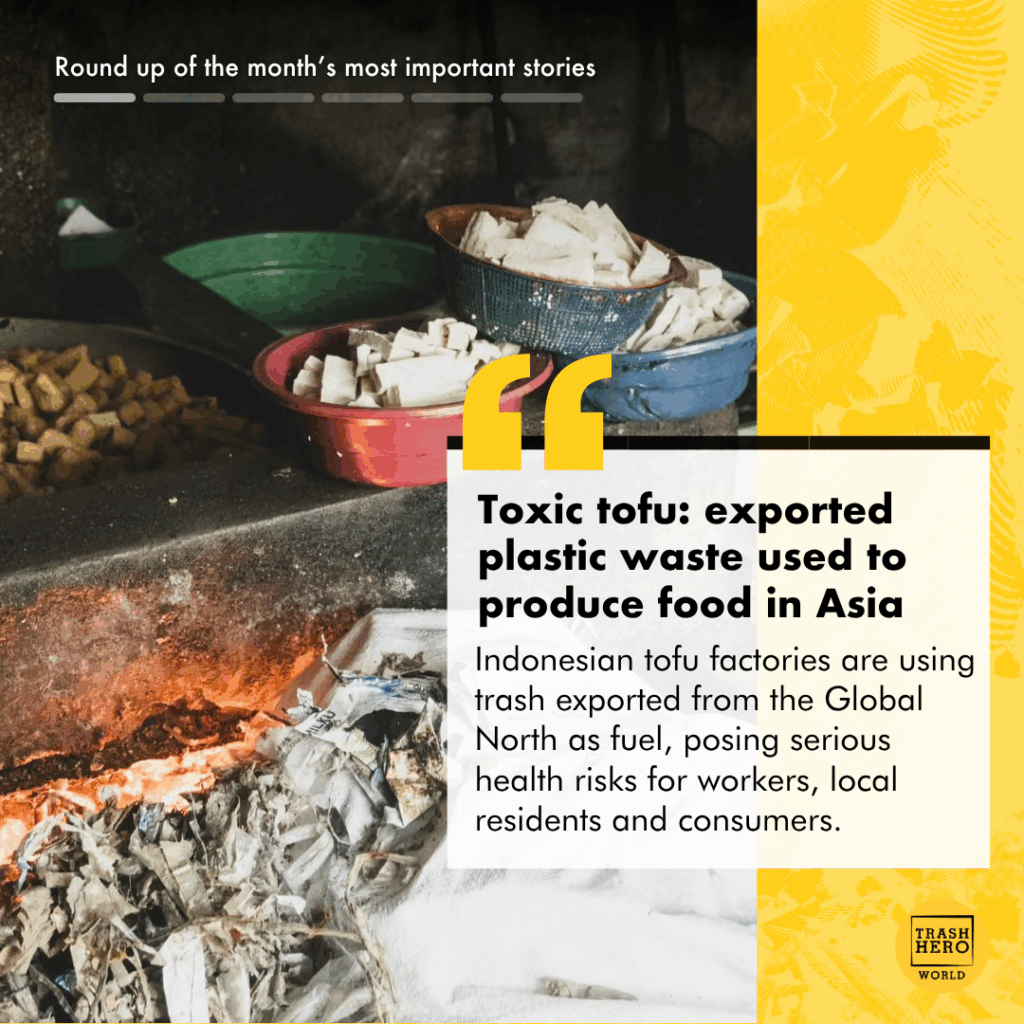
Indonesian tofu factories are using trash exported from the Global North as fuel, posing serious health risks for workers, local residents and consumers.


Farmland contains 23 times more microplastics than the ocean
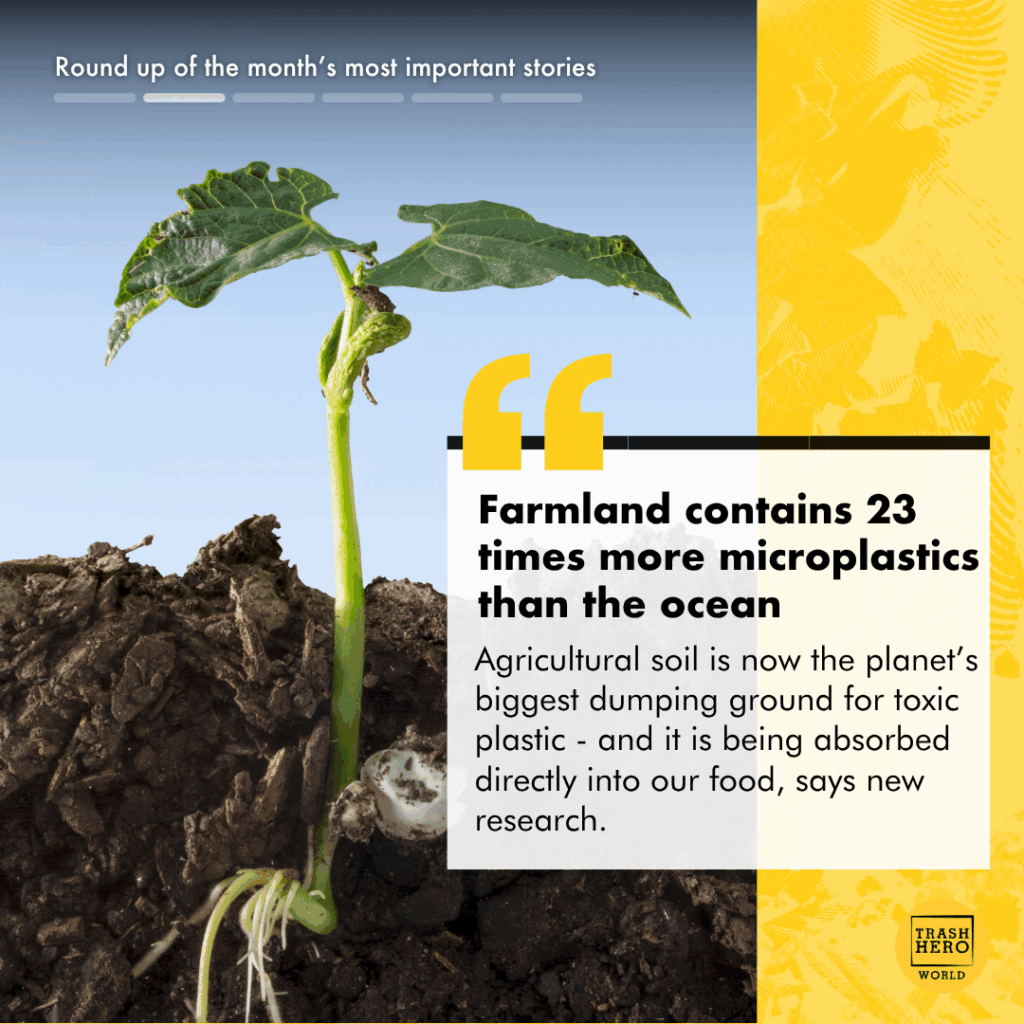
Agricultural soil is now the planet’s biggest dumping ground for toxic plastic – and its being absorbed directly into our food, says new research.

Plant plastics as toxic as traditional plastics
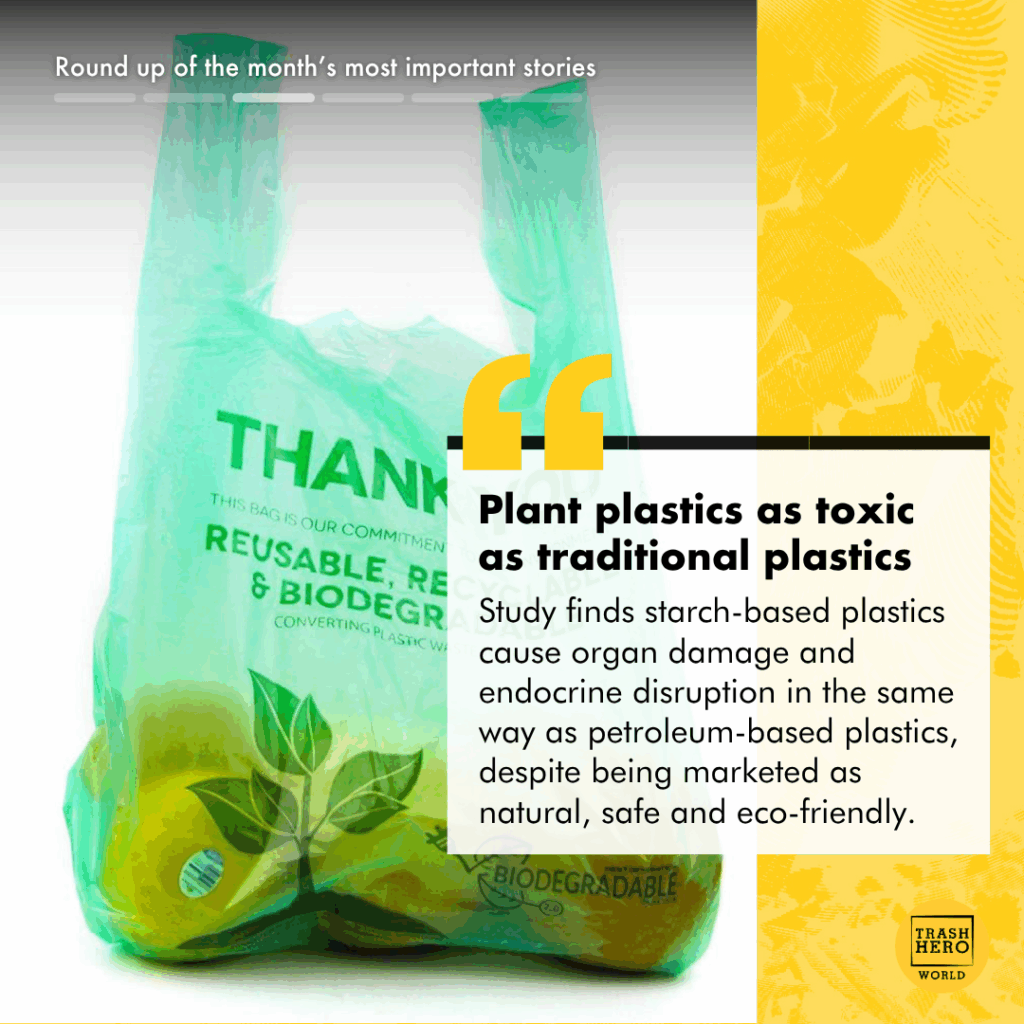
Study finds starch-based plastics cause organ damage and endocrine disruption in the same way as petroleum-based plastics, despire being marketed as natural, safe and ecofriendly.


NGOs track illegal US e-waste exports to Southeast Asia
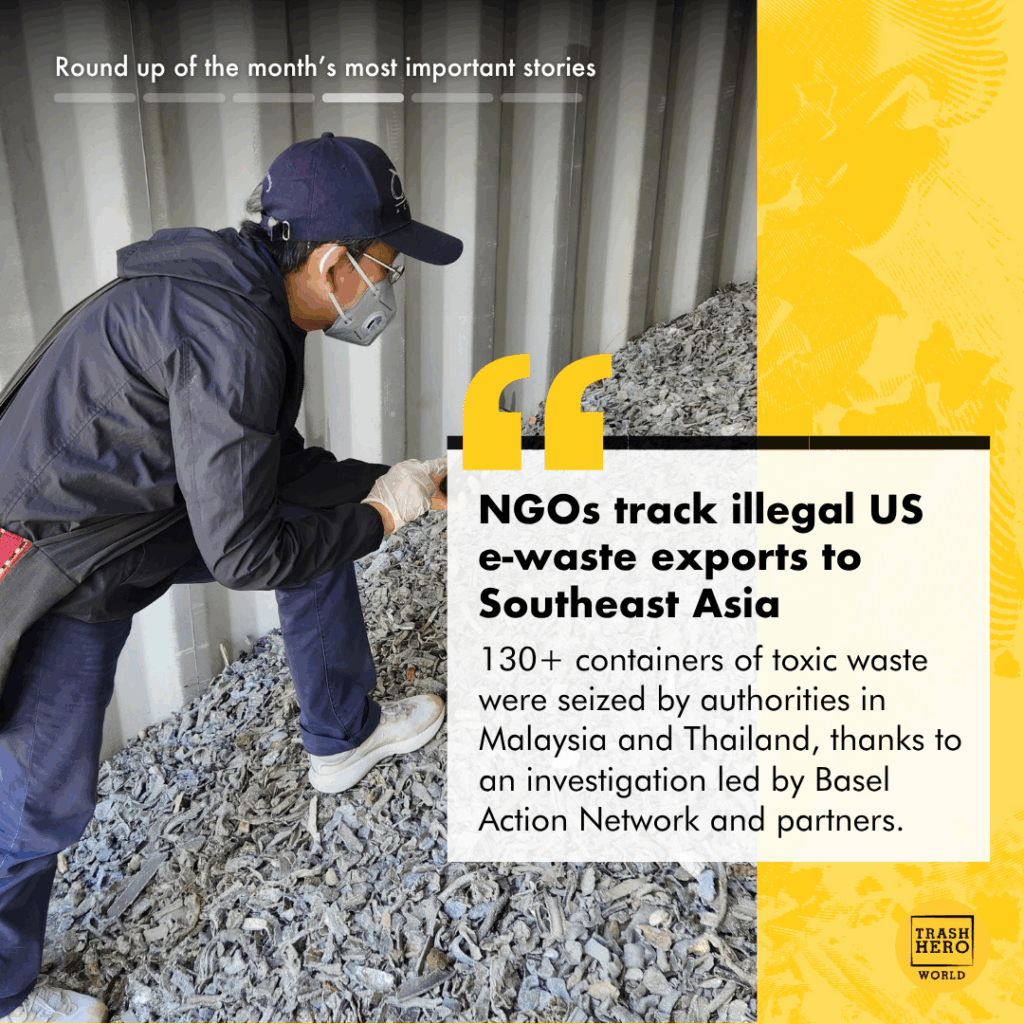
130+ containers of toxic waste were seized by authorities in Malaysia and Thailand, thanks for the investigation led by Basel Action Network and partners.


Results of Switzerland’s Big Plastic Count reveal massive overproduction
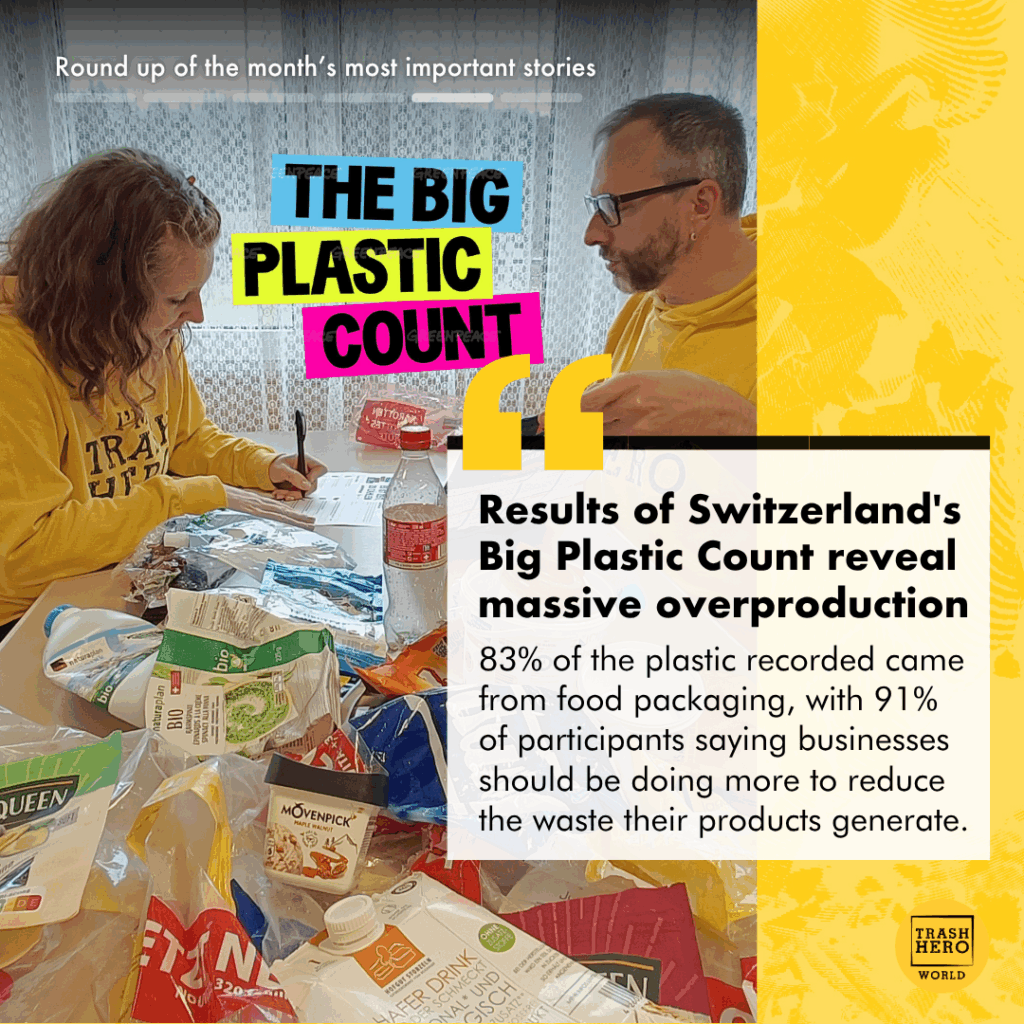
83% of the plastic recorded came from food packaging, with 91% of participants saying businesses should be doing more to reduce the waste their products generate.


How the world became awash in toxic chemicals
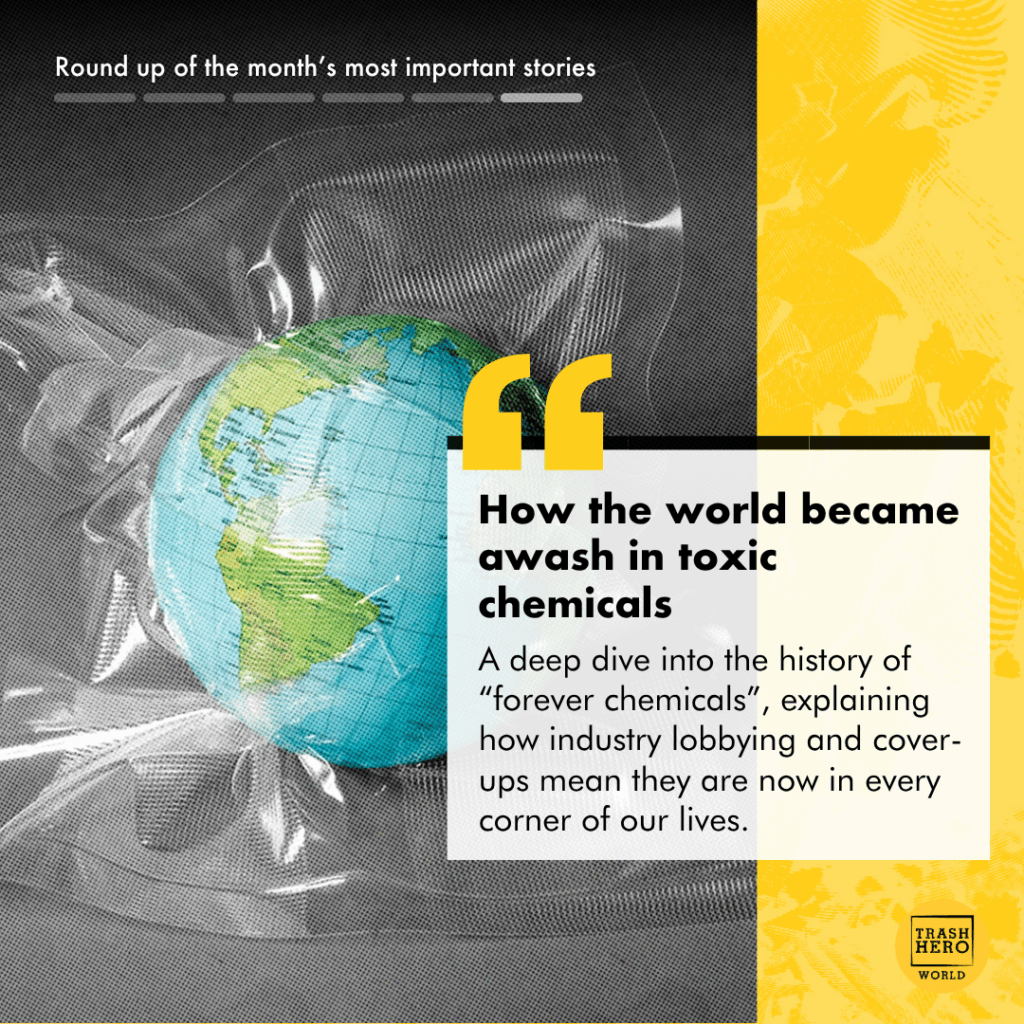
A deep-dive into the history of “forever chemicals”, explaining how industry lobbying and cover-ups mean they are now in every corner of our lives.

What do you think about these stories? Is there one we missed? Let us know in the comments!

Every month we round up the top stories from the world of plastic pollution – and the work being done to stop it. From aquatic pollution to zero waste, you’ll always be up to date with the latest research, trends and greenwashing tactics.

To sign up click here.

read more
LydiaMay 2025 : the month’s most important stories

April 2025 : the month’s most important stories

by Lydia on 30/04/2025 No comments

Our round-up of the month’s most important stories.

Fracking in Texas fuels big brands’ packaging

A new investigation joins the dots between controversial Texas shale gas, the petrochemicals industry and plastics made for companies such as Coca-Cola, Unilever and Nestle.


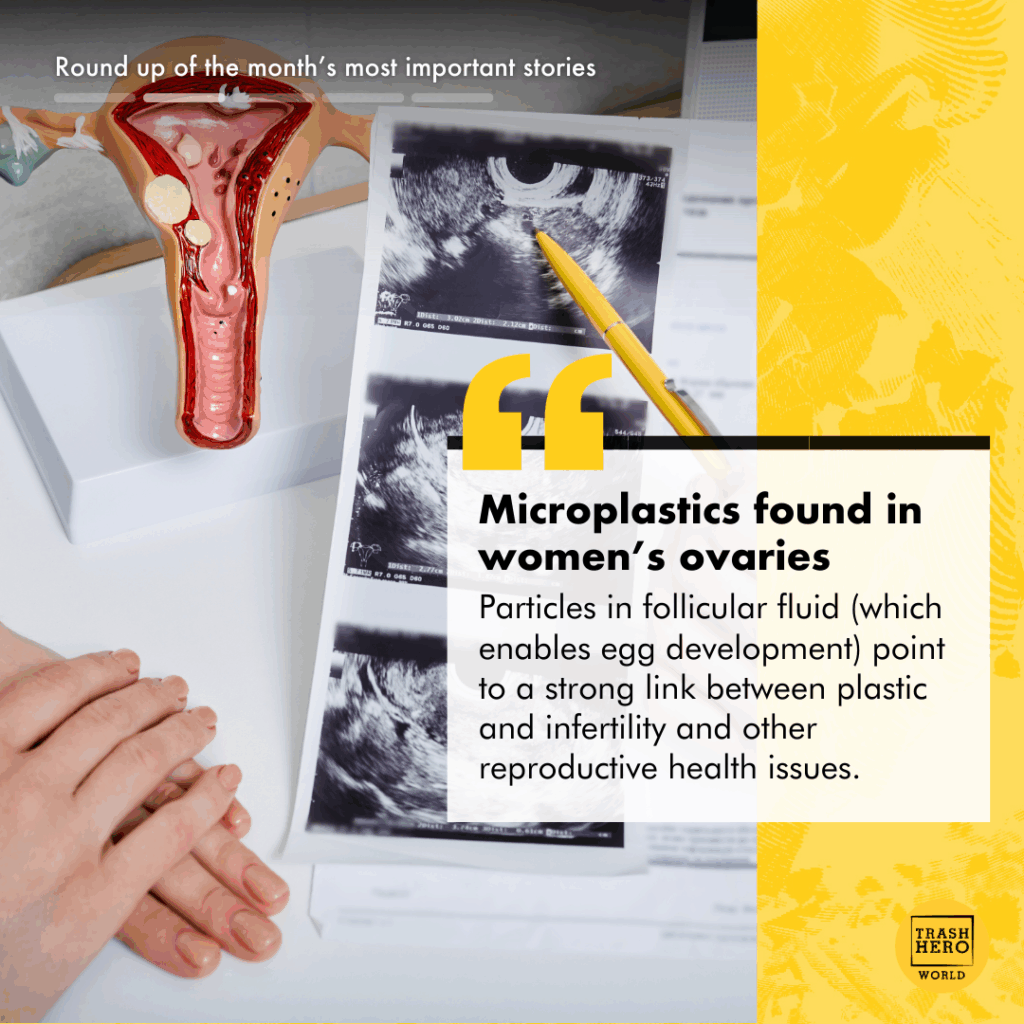
Microplastics found in women’s ovaries

Particles in follicular fluid (which enables egg development) point to a strong link between plastic and infertility and other reproductive health issues.

Bali takes on bottled water industry with ban on containers < 1 litre

Governor Koster says the measures, which come into force next year, are about reducing waste and protecting nature.


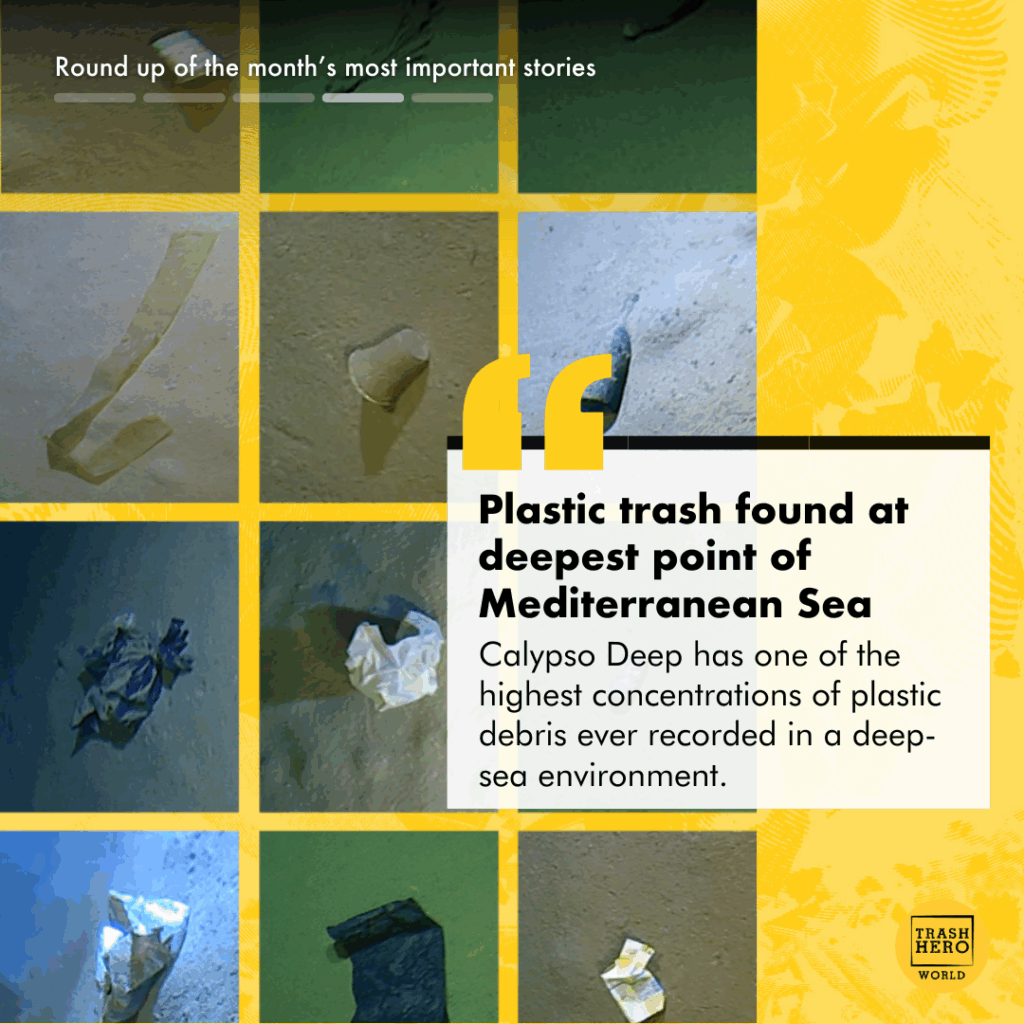
Plastic trash found at deepest point of Mediterranean Sea

Calypso Deep has one of the highest concentration of platic debris ever recorded in a deep-sea environment.


Coastal plastic pollution in Australia down by 39%

Study says drop over the last decade may be due to greater public awareness, but more work must be done upstream.


What do you think about these stories? Is there one we missed? Let us know in the comments!

Every month we round up the top stories from the world of plastic pollution – and the work being done to stop it. From aquatic pollution to zero waste, you’ll always be up to date with the latest research, trends and greenwashing tactics.

To sign up click here.

read more
LydiaApril 2025 : the month’s most important stories

March 2025 : the month’s most important stories

by Lydia on 27/03/2025 No comments

Our round-up of the month’s most important stories.

Microplastics trigger food crisis, 400 million at risk of starvation

Microplastics have been found to hinder plant photosynthesis, causing crop yields to fall by 4 – 14%. Scientists warn that 400 million people potentially face starvation in the next two decades as a result. The research highlights the need for urgent action to increase global food security.


Plastics cause Alzheimer’s-like brain damage in seabirds

Blood analysis of baby birds has discovered neurological damage resembling ALS and Alzheimer’s, as well as multiple organ failure. Scientists have linked the findings to the chicks’ substantial plastic ingestion: one bird had been fed over 400 pieces of plastic by its parents.

Indonesia bans the import of plastic waste

Indonesia has banned plastic waste imports, following the lead of Thailand earlier this year. While campaigners welcome the move, they also highlight enforcement concerns, loopholes and potential for greenwashing. Many also fear repercussions for nearby nations like Malaysia and Myanmar, whose plastic waste imports will inevitably increase.


36 fossil fuel firms responsible for half of global emissions

According to new research, just 36 fossil fuel firms are responsible for 50% of the world’s carbon emissions. Increasing production at a time when most countries are setting targets to reduce emissions is reckless, says the report, and has led to record-breaking global warming. 


International Day of Zero Waste to focus on fast fashion

The International Day of Zero Waste was marked on 30 March. The UN campaign put a spotlight on fast fashion and textile waste. This article goes in depth to expose the industry’s toxic impact, its destructive practices, and its role in fueling rampant overconsumption.


What do you think about these stories? Is there one we missed? Let us know in the comments!

Every month we round up the top stories from the world of plastic pollution – and the work being done to stop it. From aquatic pollution to zero waste, you’ll always be up to date with the latest research, trends and greenwashing tactics.

To sign up click here.

read more
LydiaMarch 2025 : the month’s most important stories

February 2025 : the month’s most important stories

by Lydia on 27/02/2025 No comments

Our round-up of the month’s most important stories.

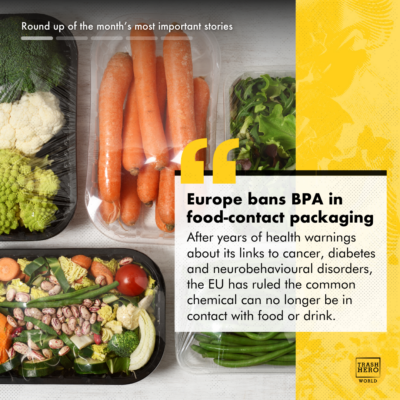
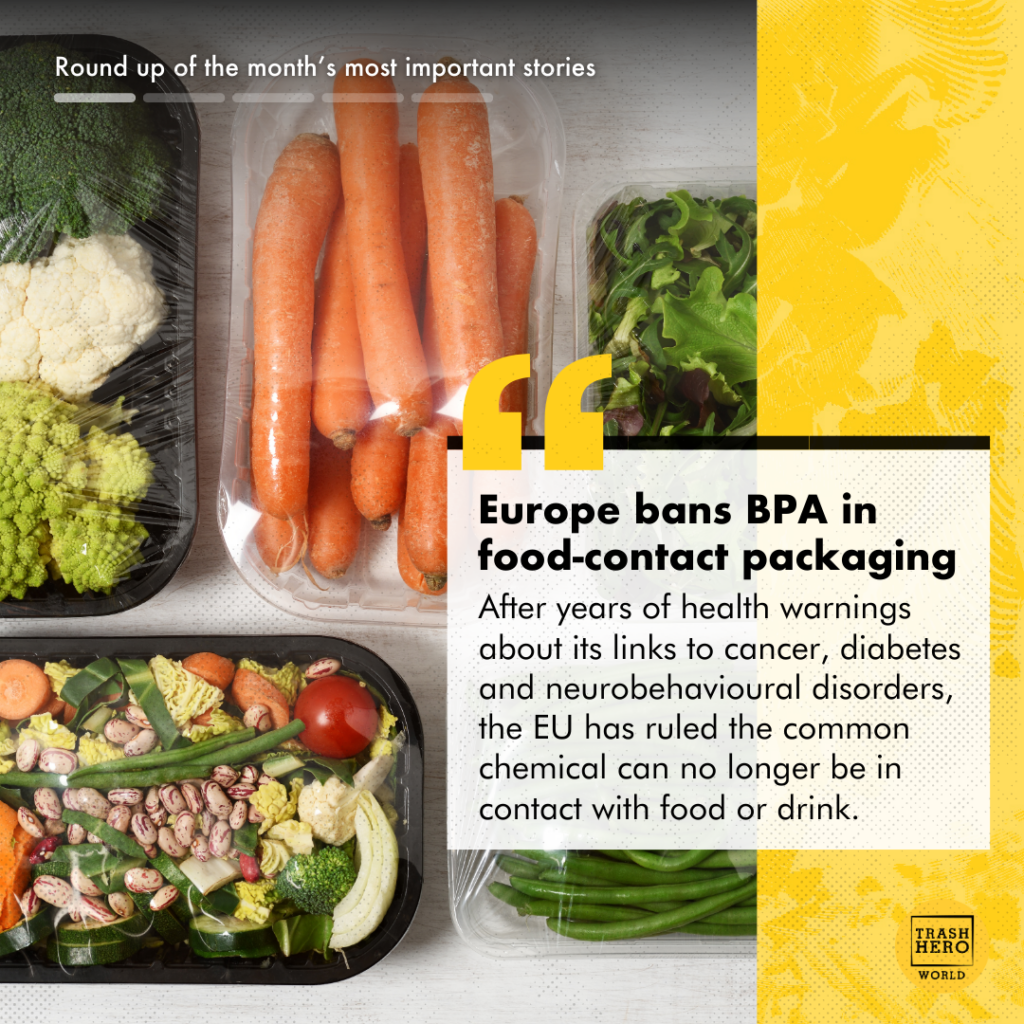
Europe bans BPA in food-contact packaging

Scientists have warned of the hazards of BPA since 2011. It’s linked to cancer, neurobehavioural problems and diabetes. In 2017 it was banned from products designed for babies and infants. This year, the European Union have banned it from plastic that comes into contact with food and drink.


Coca-Cola to produce more plastic in response to Trump’s tariffs

Trump has increased the import tax on aluminium by 25%. In response, Coca-Cola told investors they would “put emphasis on PET [plastic] bottles” to protect their profits. This is one of several pieces of legislation from the administration that will impact plastic production.

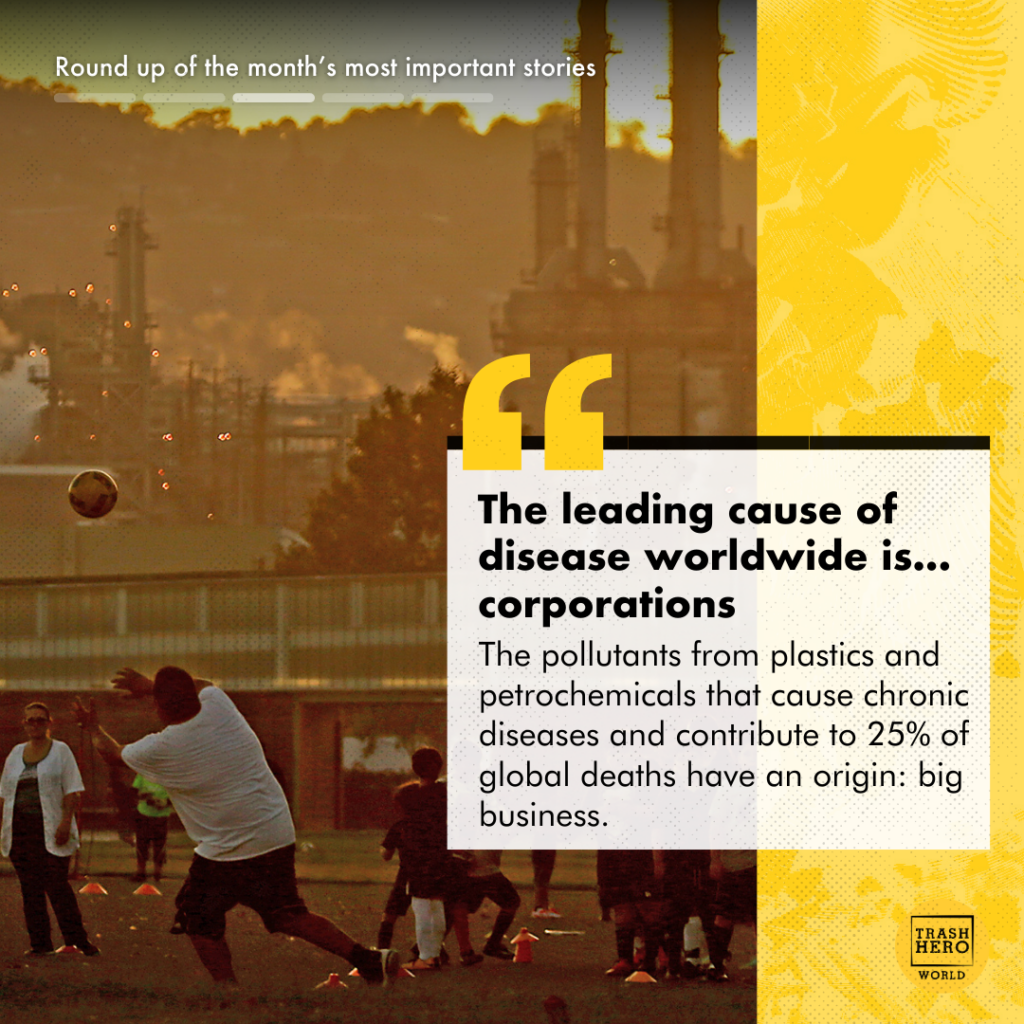
The leading cause of disease worldwide: corporations!

The leading cause of death worldwide? Corporations. Their manipulation of science and regulation has led to an increase in chronic illnesses, including cancer, heart disease, and metabolic disorders. This makes them the leading cause of death, surpassing infectious diseases. Scientists have launched a new center to study this now-leading disease risk factor.


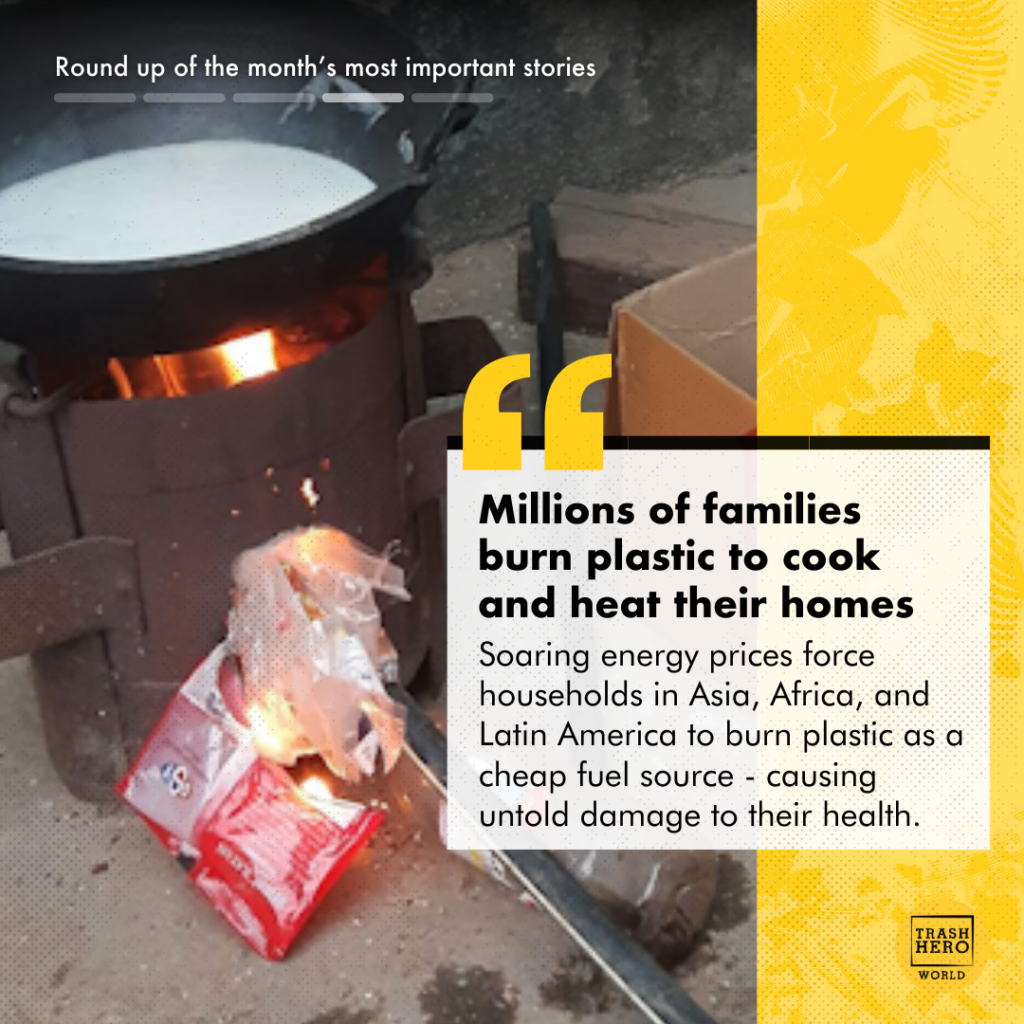
Millions of families burn plastic to cook and heat their homes

Soaring energy prices are forcing households in Asia, Africa, and Latin America to turn to a cheaper, far more toxic fuel source: plastic. The harmful toxins released when being burned can cause untold damage to their health, especially women and children.


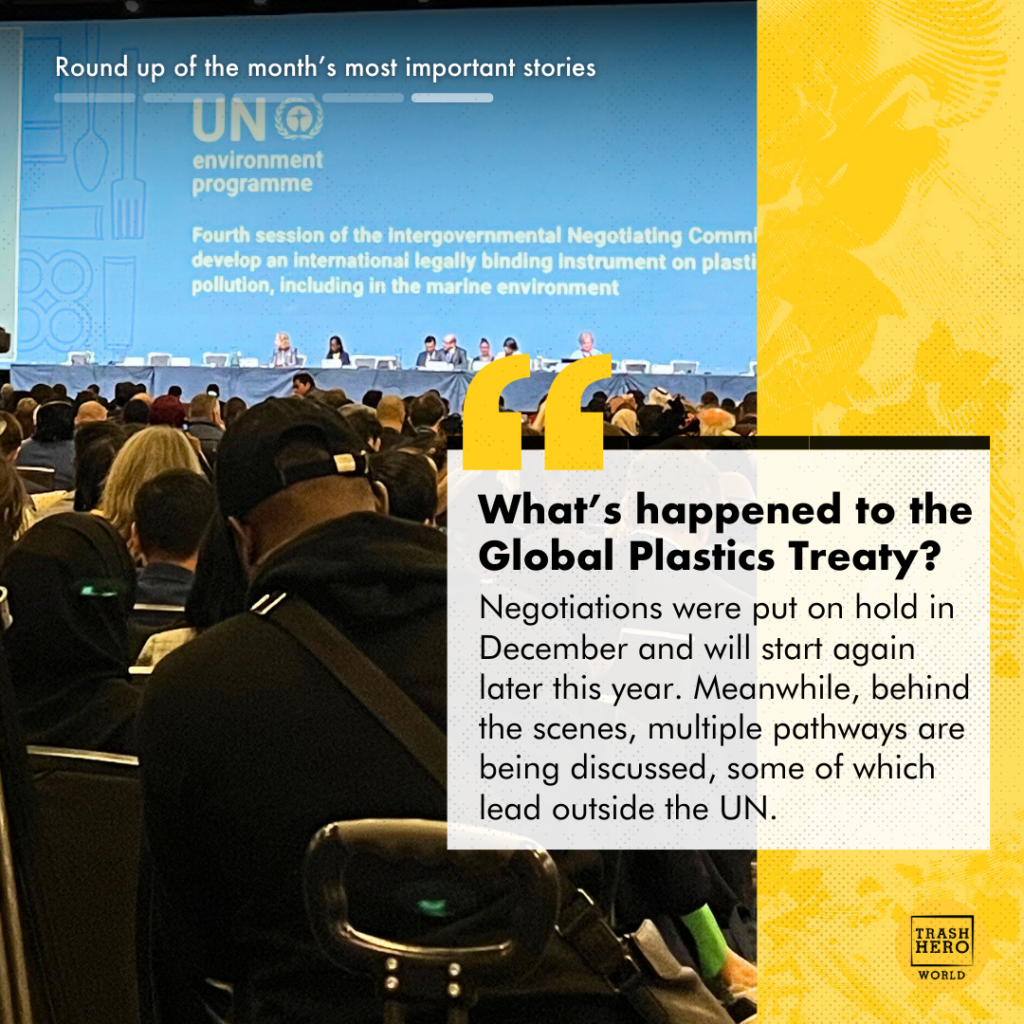
What’s happened to the Global Plastics Treaty?

In December last year, negotiations of the Global Plastics Treaty came to a halt when an agreement couldn’t be reached. Talks will start again later this year, and there are many ways it could go. These options include a strong, legally binding treaty, or discussions being taken outside of the UN.


What do you think about these stories? Is there one we missed? Let us know in the comments!

Every month we round up the top stories from the world of plastic pollution – and the work being done to stop it. From aquatic pollution to zero waste, you’ll always be up to date with the latest research, trends and greenwashing tactics.

To sign up click here.

read more
LydiaFebruary 2025 : the month’s most important stories

January 2025 : the month’s most important stories

by Lydia on 30/01/2025 No comments

Our round-up of the month’s most important stories.

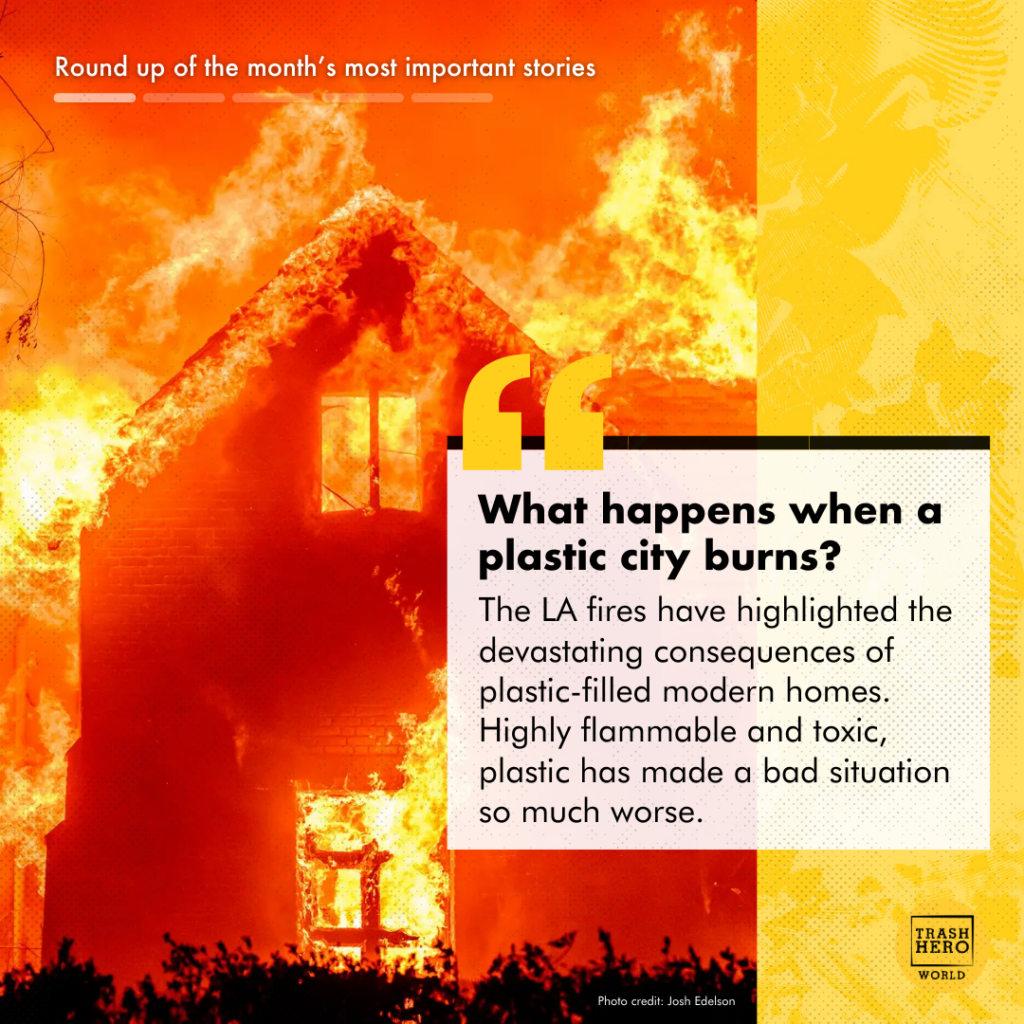
What happens when a plastic city burns?

Modern couches are basically blocks of gasoline“. The LA fires tragically highlighted the devastating consequences of plastic-filled modern homes. Plastic’s high flammability caused the fires to spread rapidly while also emitting toxic smoke. Firefighters warned that the air was a “poisonous soup,” making it too risky for them to remain in the area.


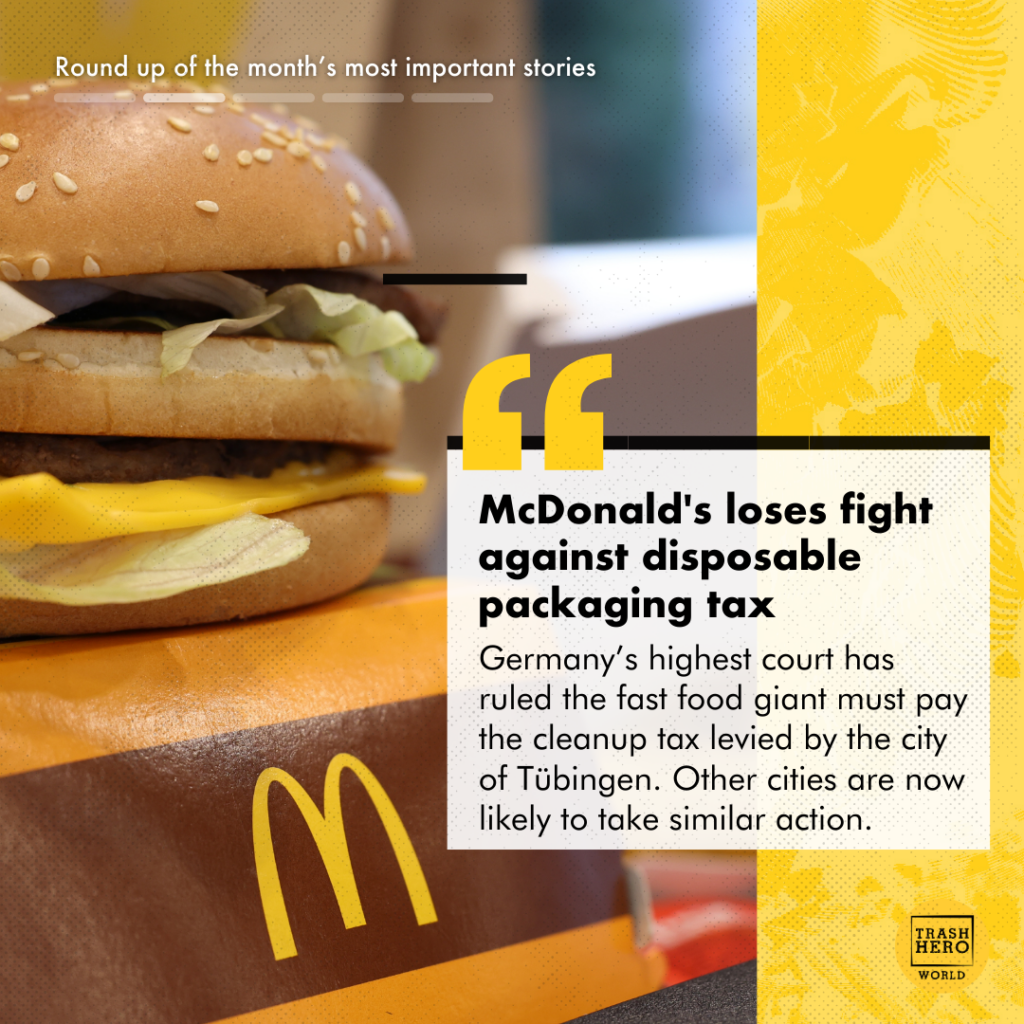
McDonald’s loses fight against disposable packaging tax

A few years ago, the German city of Tübingen introduced a tax on disposable packaging. Fast food giant McDonald’s challenged the tax, ultimately taking the case to Germany’s highest court. This month, the court ruled the tax legal, paving the way for other towns to implement similar measures.

Microplastics linked to rise in superbugs

Researchers at Oxford University have discovered that microplastics can increase the spread of antibiotic resistance by up to 200 times. These tiny plastic particles act as platforms for bacteria to exchange resistance genes, while also triggering bacterial stress responses that further promote this transfer, thus worsening the global antibiotic resistance crisis.


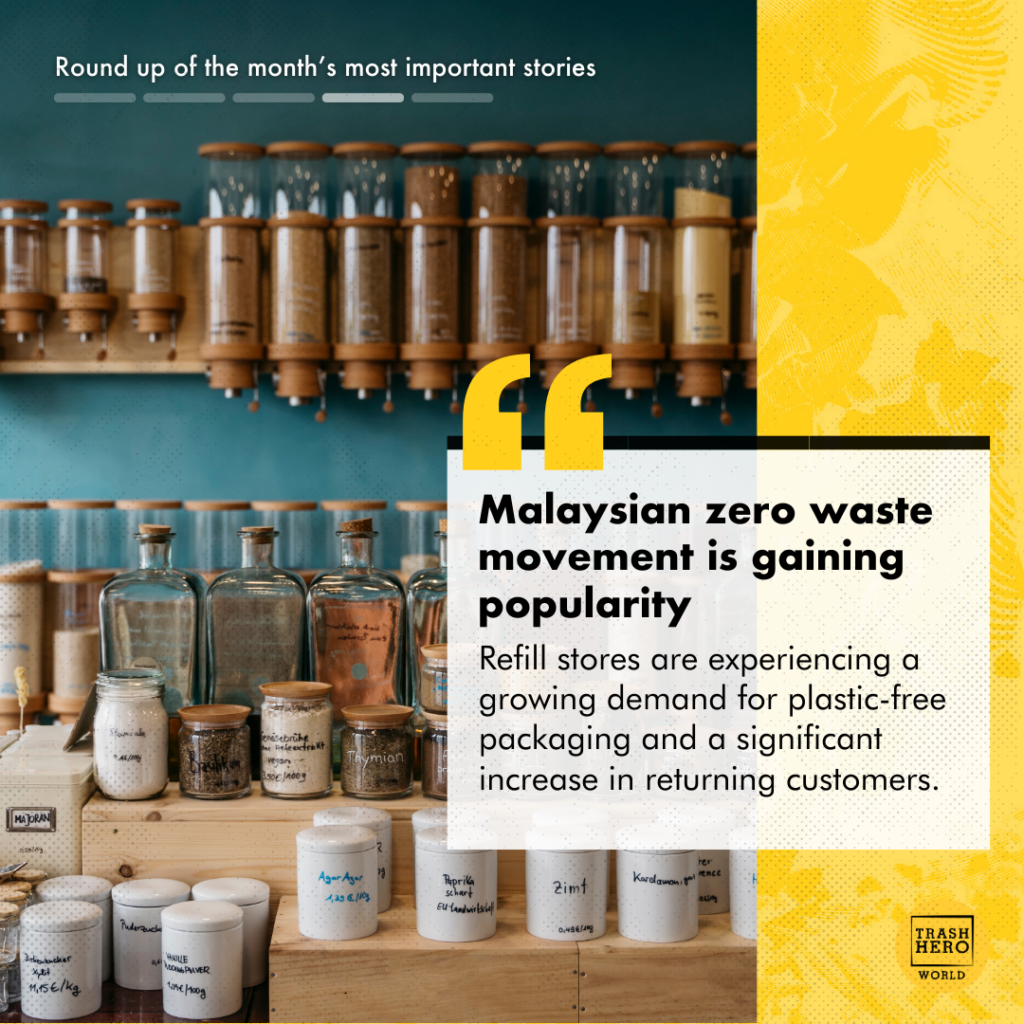
Malaysian zero waste movement is gaining popularity

Not one but two separate stories celebrate how Malaysia’s zero-waste movement is gaining popularity. One on the Asia News Network and one on The Star. Growing awareness of waste issues is fueling renewed interest from both consumers and businesses. While challenges remain, such as limited product choices and the time commitment required for refills, many believe government support and policy changes will be key to wider adoption.


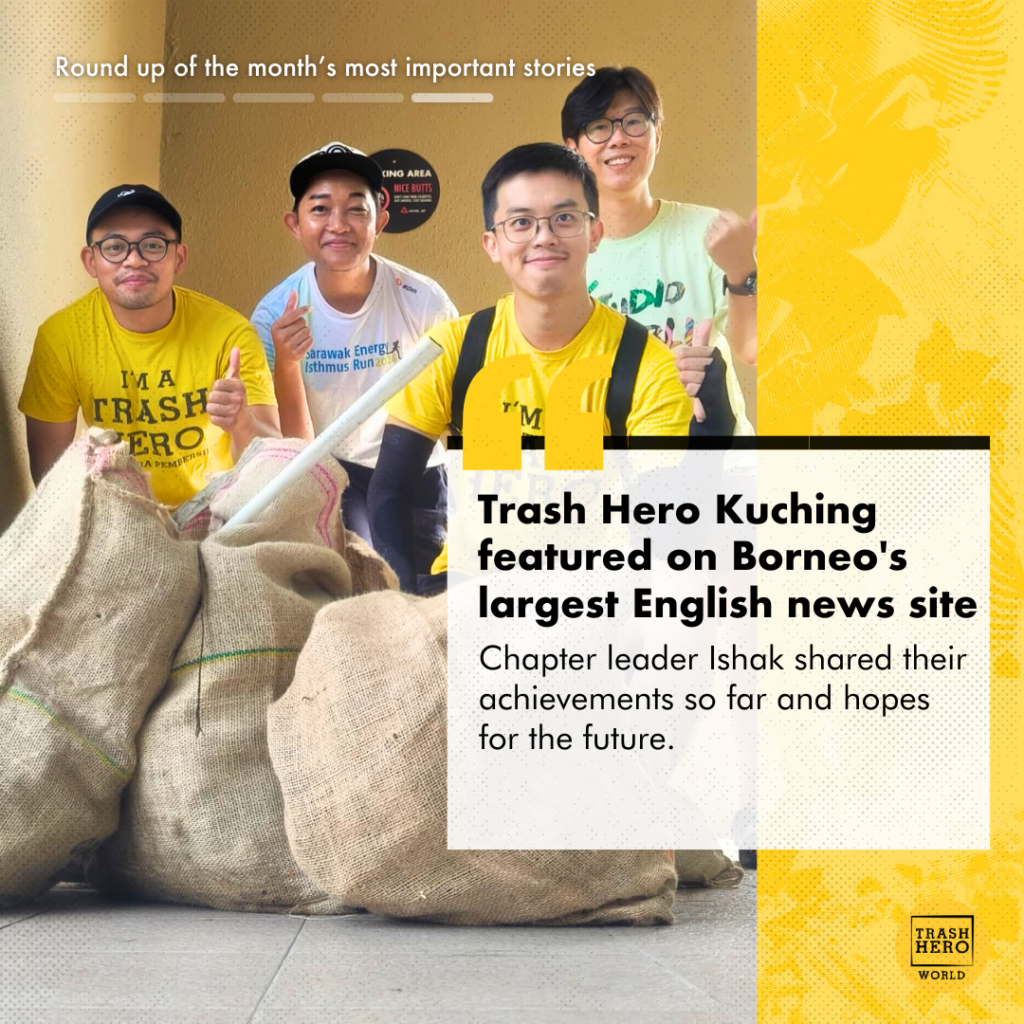
Trash Hero Kuching featured on Borneo’s largest English news site

Trash Hero Kuching have been featured in Borneo’s largest English news site! Chapter Leader Ishak shared their achievements so far and their hopes for the future.


What do you think about these stories? Is there one we missed? Let us know in the comments!

Every month we round up the top stories from the world of plastic pollution – and the work being done to stop it. From aquatic pollution to zero waste, you’ll always be up to date with the latest research, trends and greenwashing tactics.

To sign up click here.

read more
LydiaJanuary 2025 : the month’s most important stories

December 2024 : the year’s most important stories

by Seema on 26/12/2024 No comments

Our round-up of the year’s most important stories.

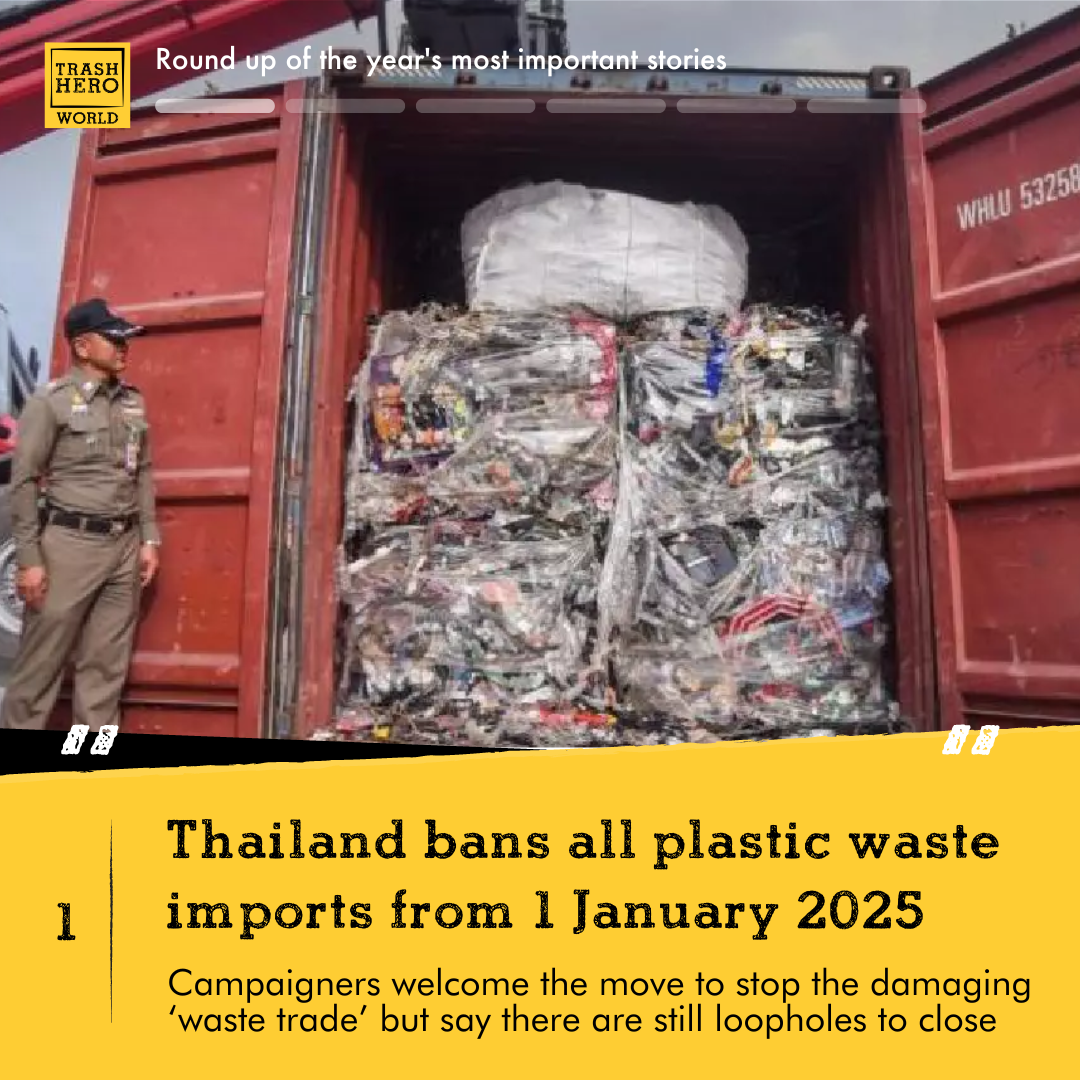
Thailand bans all plastic waste imports from 1 January 2025

Thai authorities have banned plastic waste imports from the new year, setting a strong precedent for other SE Asian nations to follow. Campaigners have welcomed the move, even though it still leaves loopholes that allows Thailand to be used as a transit country for hazardous plastic destined for neighbouring states


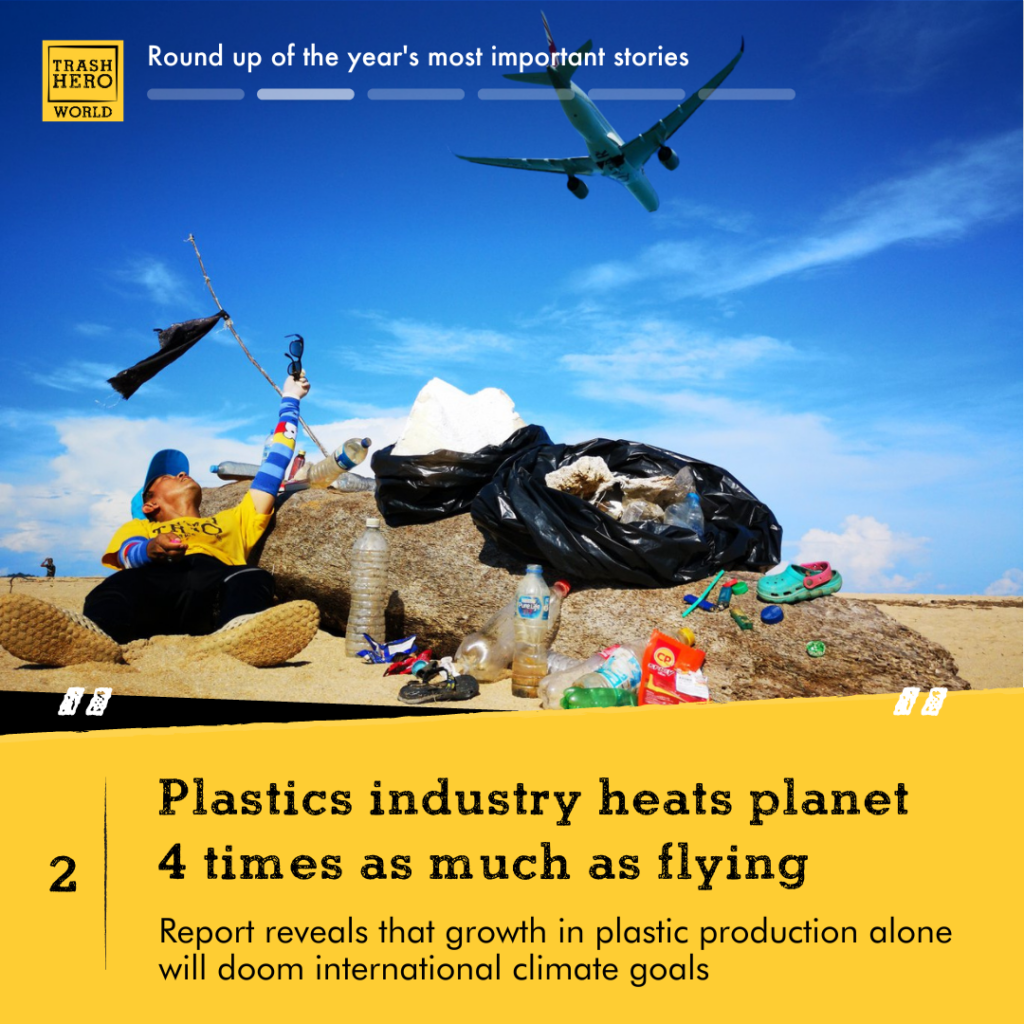
Plastics industry heats planet 4 times as much as flying

If anyone is still in doubt about the link between plastic and climate breakdown, this US federal government report released in 2024 (and summarised more simply by GAIA) shows the devastating effects of plastic production on global warming. The modelling shows plastic alone could consume the planet’s entire carbon budget by 2060, even if all other industries miraculously decarbonised.

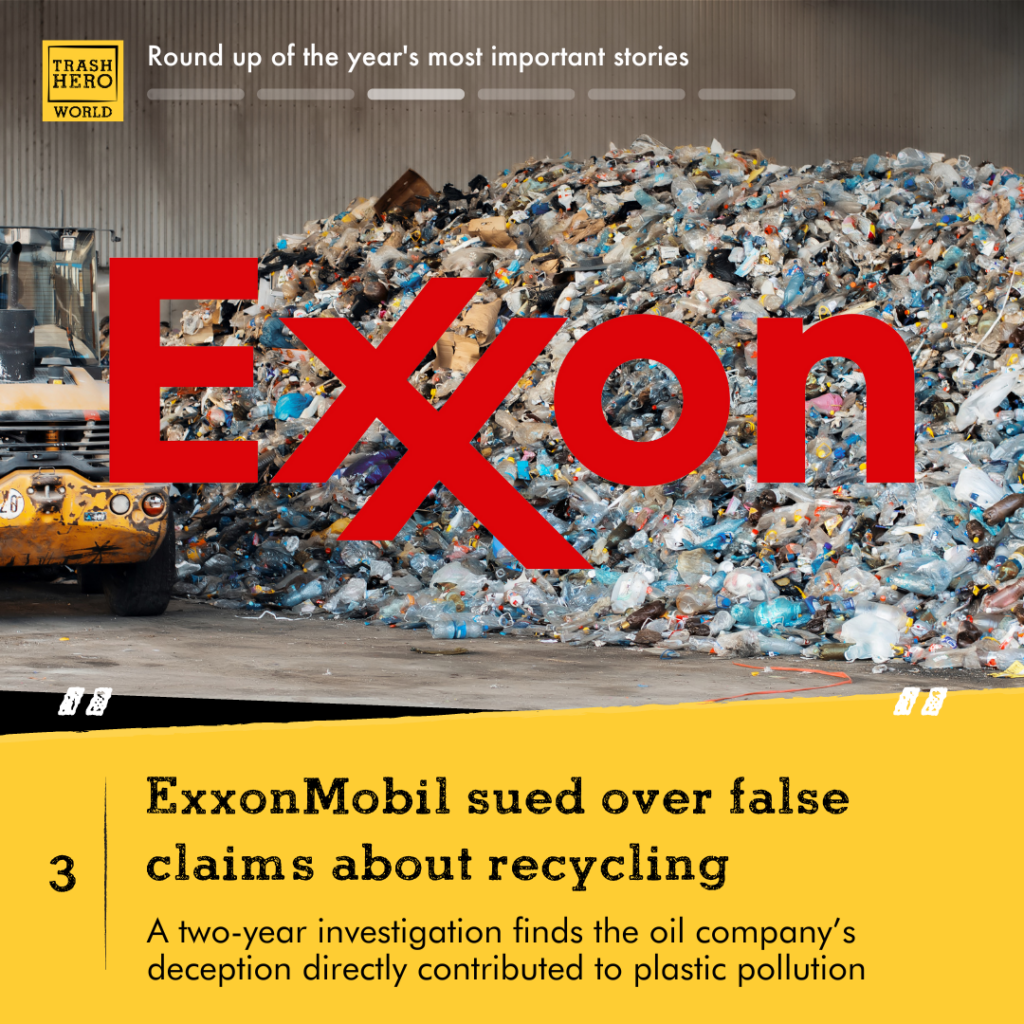
ExxonMobil sued over false claims about recycling

Among many, many stories about corporate greenwashing, this story of ExxonMobil’s lies about recycling stood out for the sheer scale of the deception. To add to their woes, Exxon and other plastics producers are now facing a new court case brought by a group of American citizens for similar reasons. If successful, this could open the door to a much bigger class action suit.


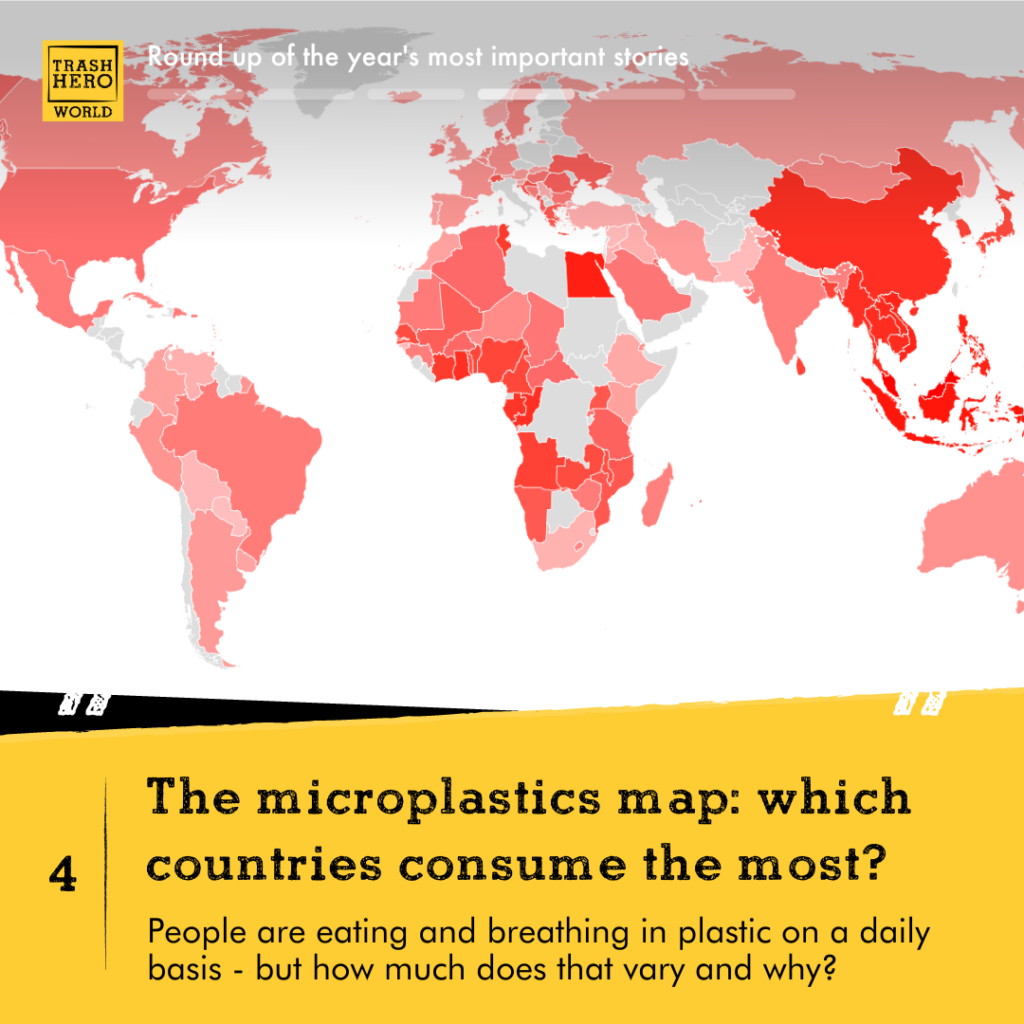
The microplastics map: which countries consume the most?

In June, researchers released a map of the world that estimated microplastic exposure for citizens of different countries. It revealed which people were consuming the most – and why. Where did your country come?


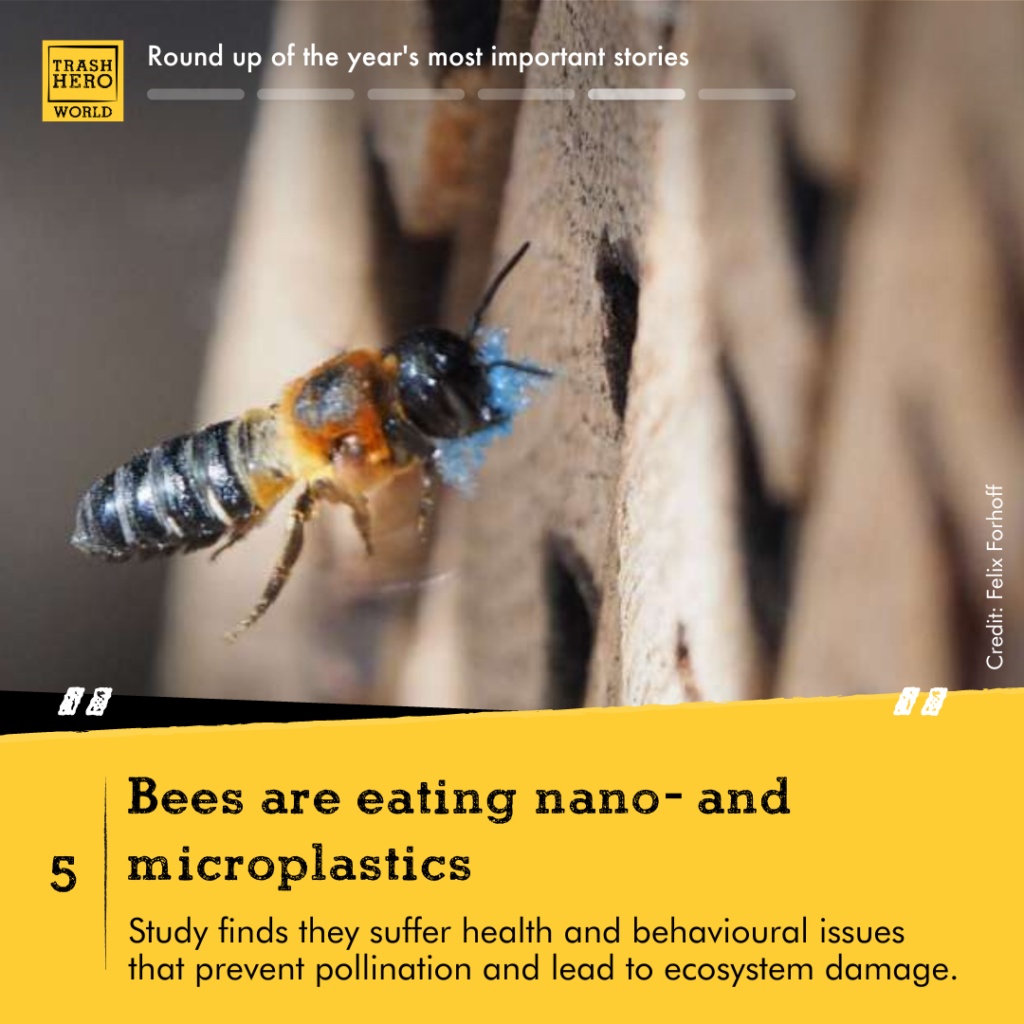
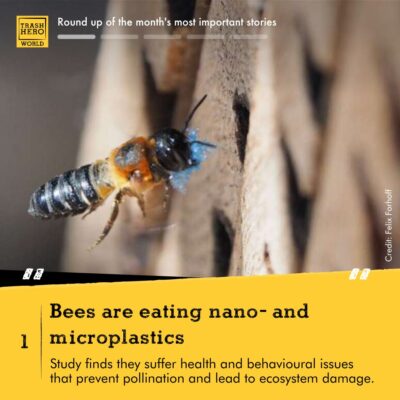
Bees are eating nano- and microplastics

It was sad news for bees, who were found to be consuming plastic, as well as bringing it into their hives. This is causing damage both to them and the wider ecosystem.


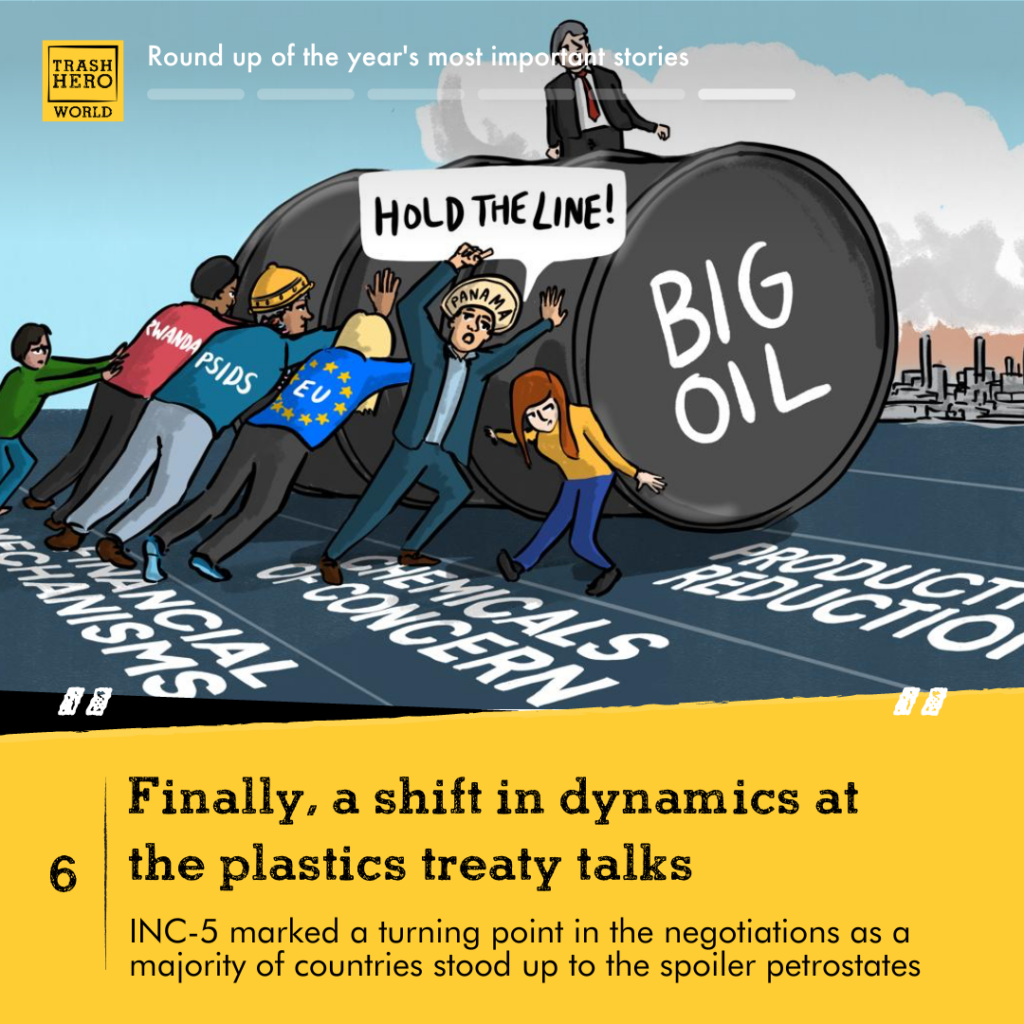
Finally, a shift in dynamics at the plastics treaty talks

Last but not least, there was some good news from the plastics treaty talks. Yes, nothing was agreed, but this means everything is still on the table – and the countries championing strong measures to curb production and harmful chemicals are getting louder and better organised. Watch this space for updates as we go into 2025!

What do you think about these stories? Is there one we missed? Let us know in the comments!

Every month we round up the top stories from the world of plastic pollution – and the work being done to stop it. From aquatic pollution to zero waste, you’ll always be up to date with the latest research, trends and greenwashing tactics.

To sign up click here.

read more
SeemaDecember 2024 : the year’s most important stories

November 2024 : the month’s most important stories

by Lydia on 28/11/2024 No comments

Our roundup of the month’s most important stories

Alliance to End Plastic Waste’s “greenwashing” exposed

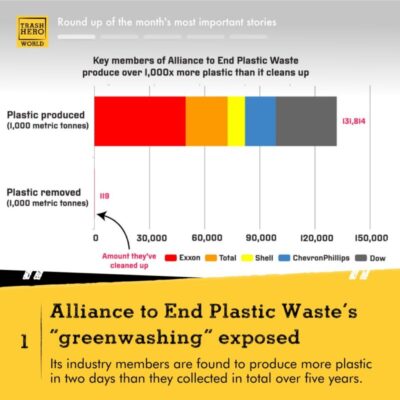
The nonprofit Alliance to End Plastic Waste has been called a “Bond-style villain” of greenwashing and political manipulation in a new report. Members include oil giants ExxonMobil, Shell and TotalEnergies, who produce millions more tons of plastic than they collect.


Bali recycling scheme: broken equipment & poor finances

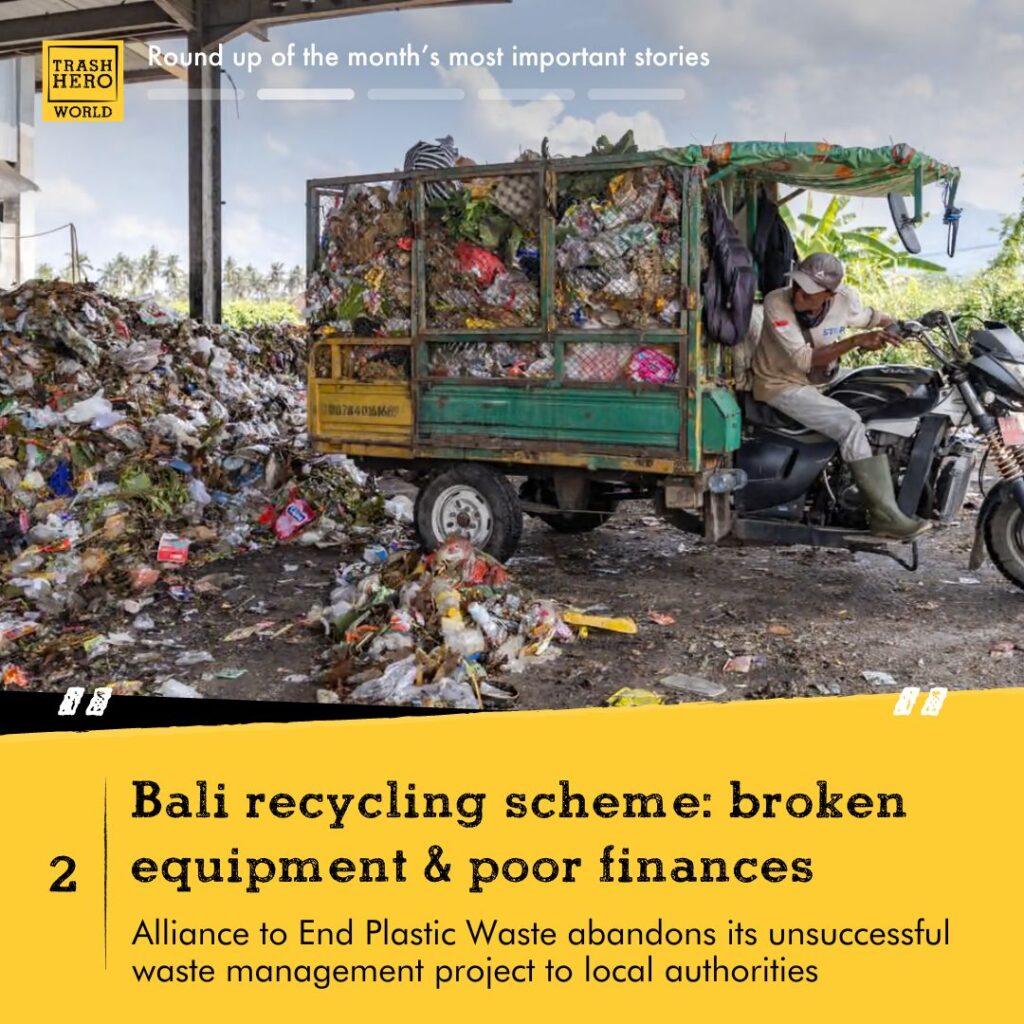
An Alliance to End Plastic Wasteproject in Bali was found abandonedafter its initial launch, with broken equipment and inadequate financing. It is still promoted on their website as a project designed to be “economically self-sufficient” and making a “positive contribution” to waste management on the island.

US no longer supports capping plastic production in UN treaty

Just a few months ago, the US said it would support cuts in plastic production. In what environmentalists are calling an “absolutely devastating” policy reversal, the Biden administration backtracked on their promise just ahead of the UN plastics treaty talks.


Five key takeaways from the dramatic climate talks in Baku

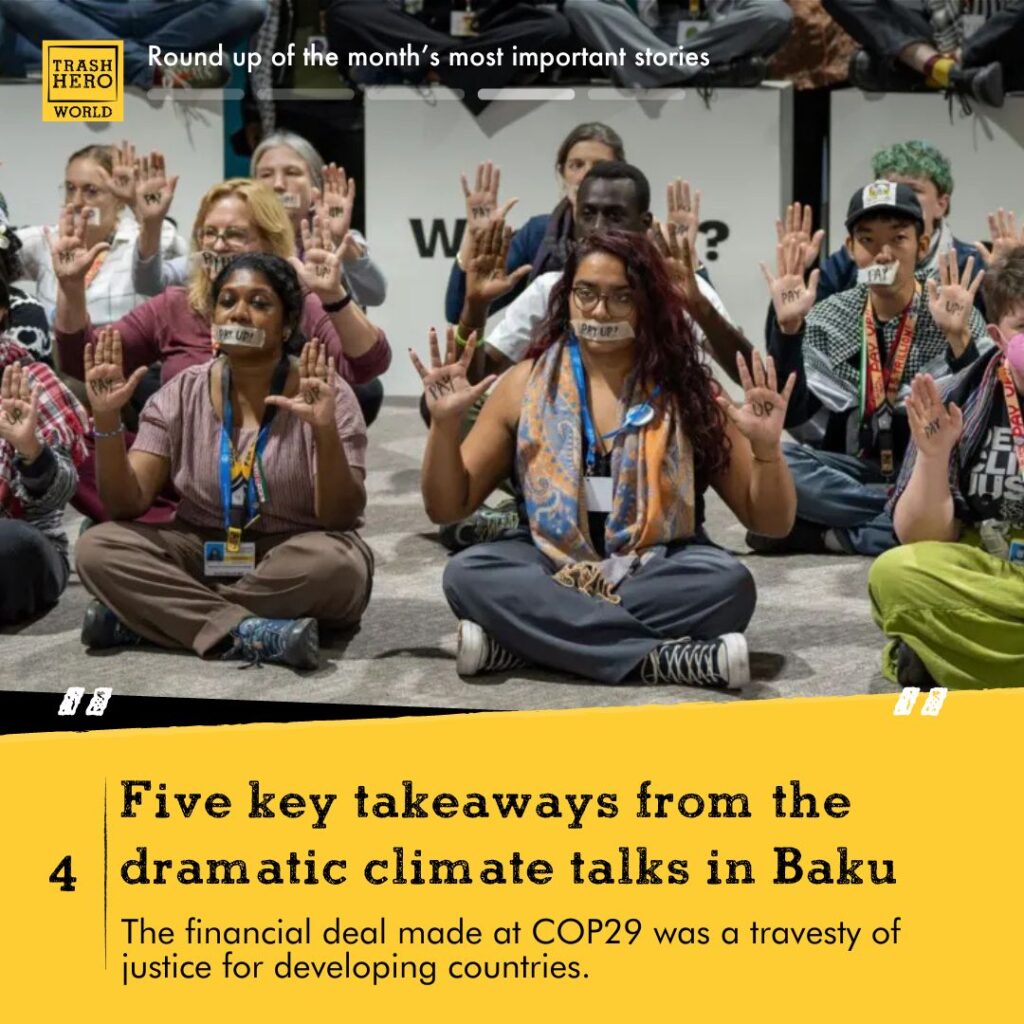
This year’s climate talks, COP29, took place in Baku, Azerbaijan. The discussions focused on finance. Although a deal was struck, the support that developing countries will receive to face devastating climate impacts is a “paltry” sum. This article highlights five key takeaways from the meeting.


Need for systemic change, says Malaysian Trash Hero

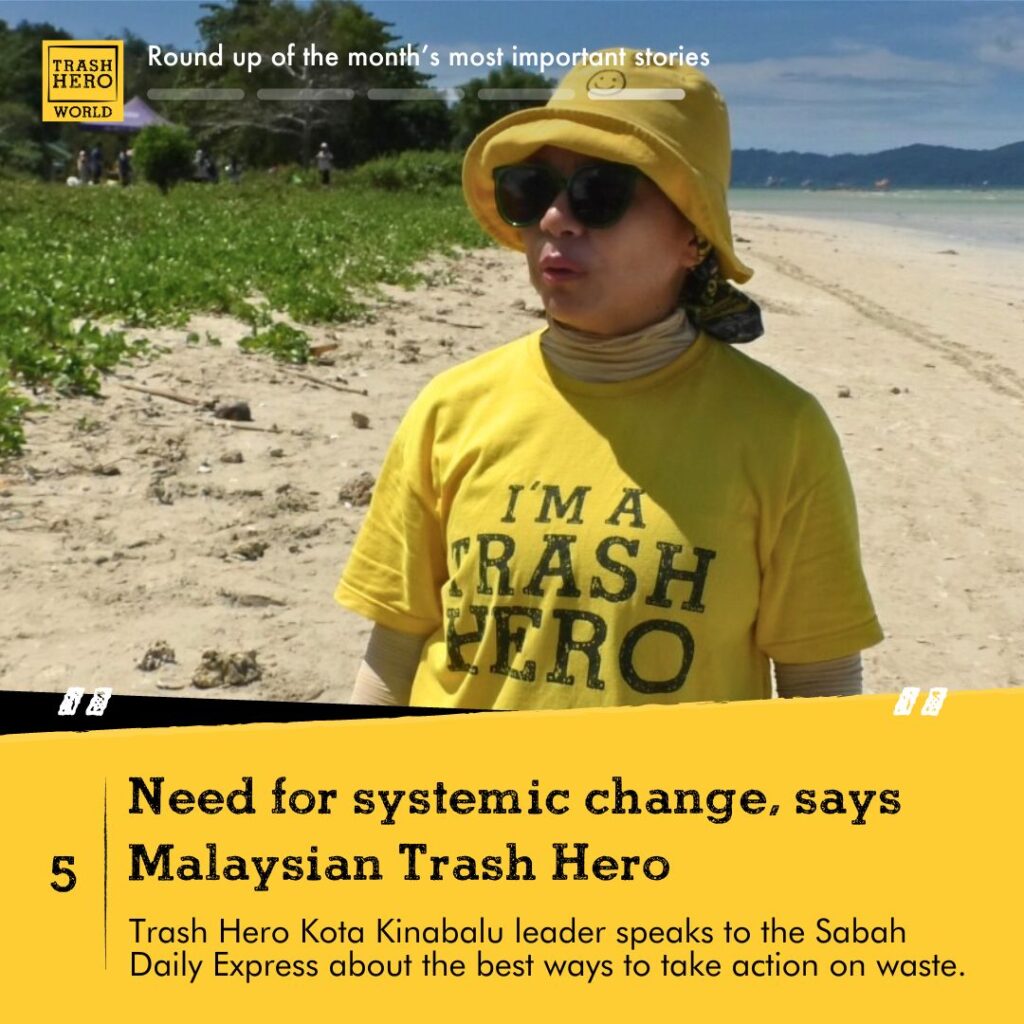
“Clean-ups are effective in the short run but don’t address the systemic issues,” says Zurainee Kula, chapter leader of Trash Hero Kota Kinabalu, in this interview with the Daily Express about the best ways to take action on waste.


What do you think about these stories? Is there one we missed? Let us know in the comments!

Every month we round up the top stories from the world of plastic pollution – and the work being done to stop it. From aquatic pollution to zero waste, you’ll always be up to date with the latest research, trends and greenwashing tactics.

To sign up click here.

read more
LydiaNovember 2024 : the month’s most important stories

October 2024 : the month’s most important stories

by Lydia on 31/10/2024 No comments

Our roundup of the month’s most important stories

Bees are eating nano- and microplastics

A new study has shown bees are eating nano- and microplastics and using them to build nests. The plastic damages their digestive and immune systems. It also causes behavioural changes that prevent pollination and lead to ecosystem damage.

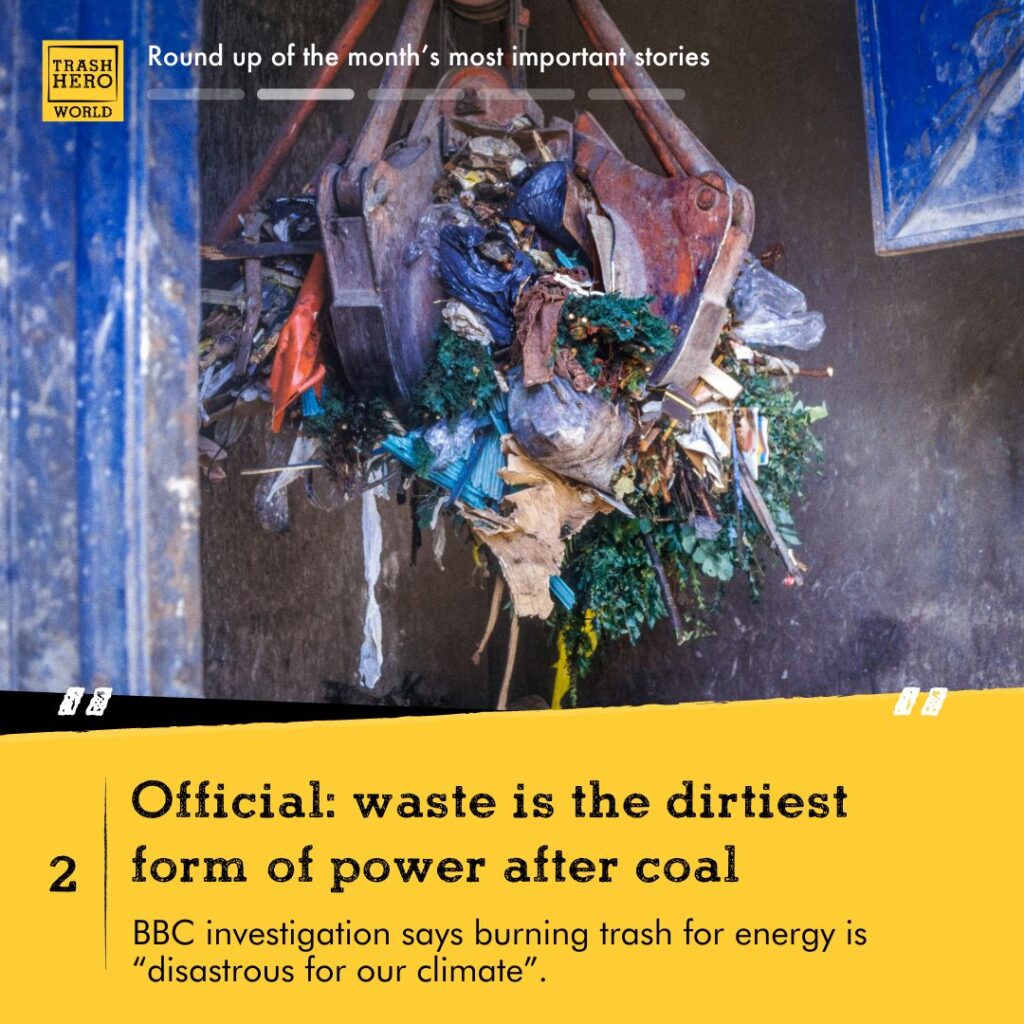
Official: waste is the dirtiest form of power after coal

BBC investigation has found burning household rubbish to make energy is the dirtiest way to produce power, just after coal. Incineration releases significant greenhouse gases, especially when burning plastic. Experts warn this “waste-to-energy” undermines climate goals and contributes to air pollution..

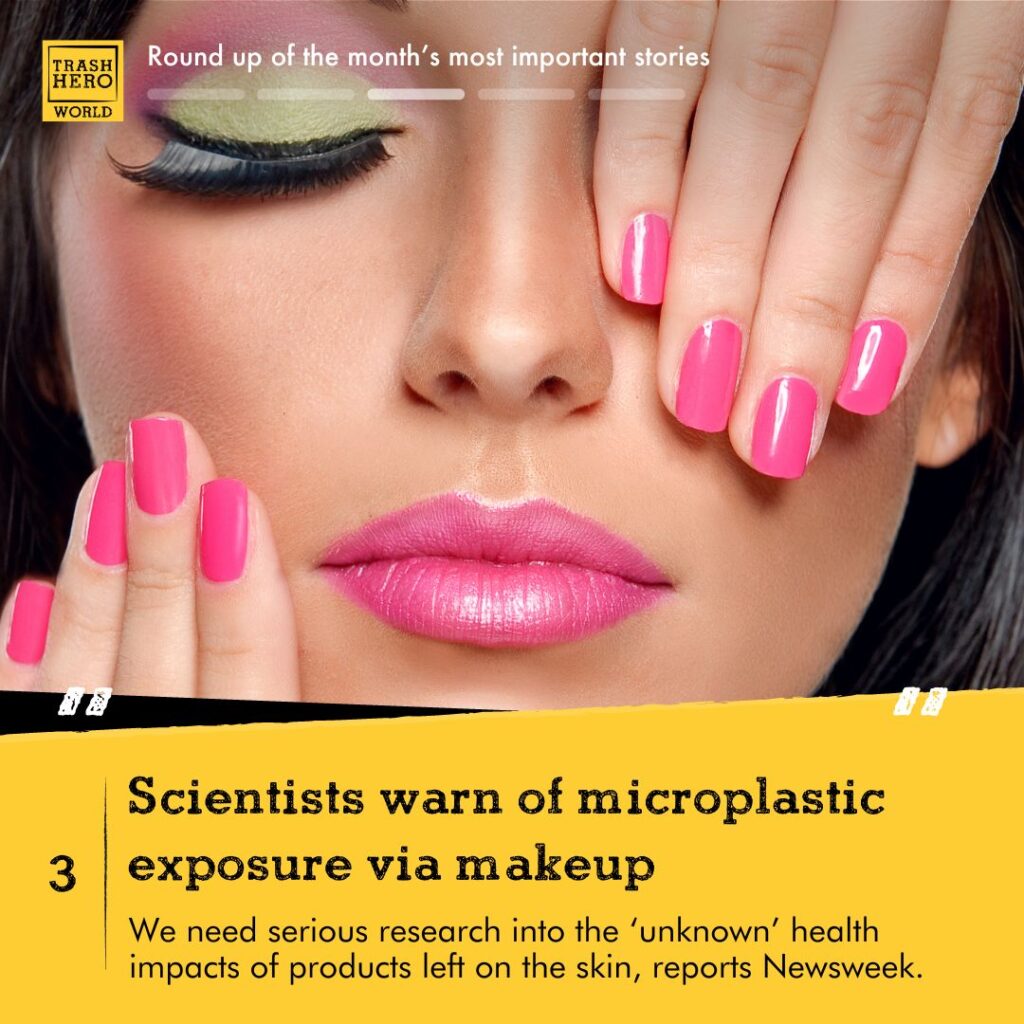
Scientists warn of microplastics exposure via makeup

Microplastic exposure from leave-on cosmetics like eye shadow and lipstick has been flagged as an area of serious concern. Scientists are calling for more research into the health impacts of prolonged skin contact with these common products and their petrochemical-based ingredients.

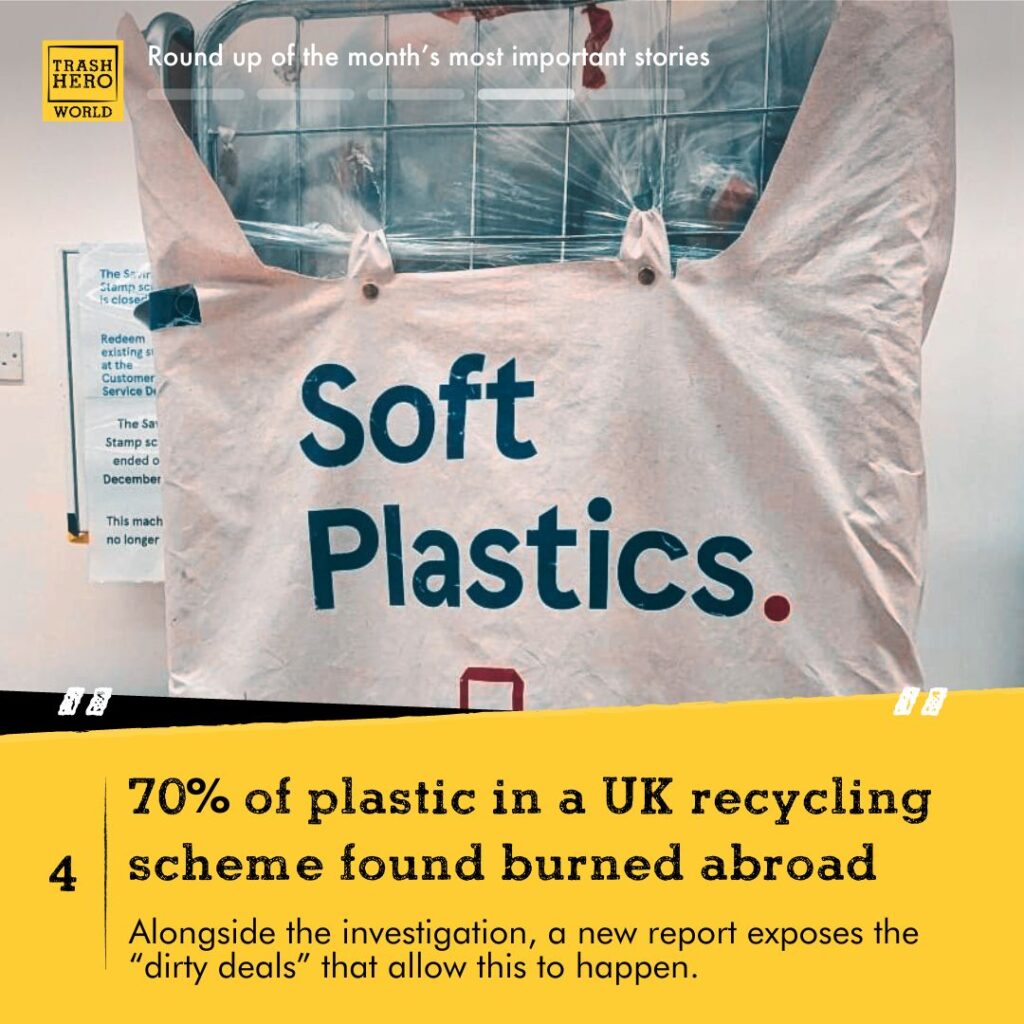
70% of plastic in a UK recycling scheme found burned abroad

In the UK it’s common to drop off soft plastics at supermarkets for recycling. But a recent investigation that tracked their journey revealed that 70% ended up being burned abroad, mostly in Türkiye. A damning report from the Environmental Investigation Agency reveals this was not an isolated incident.

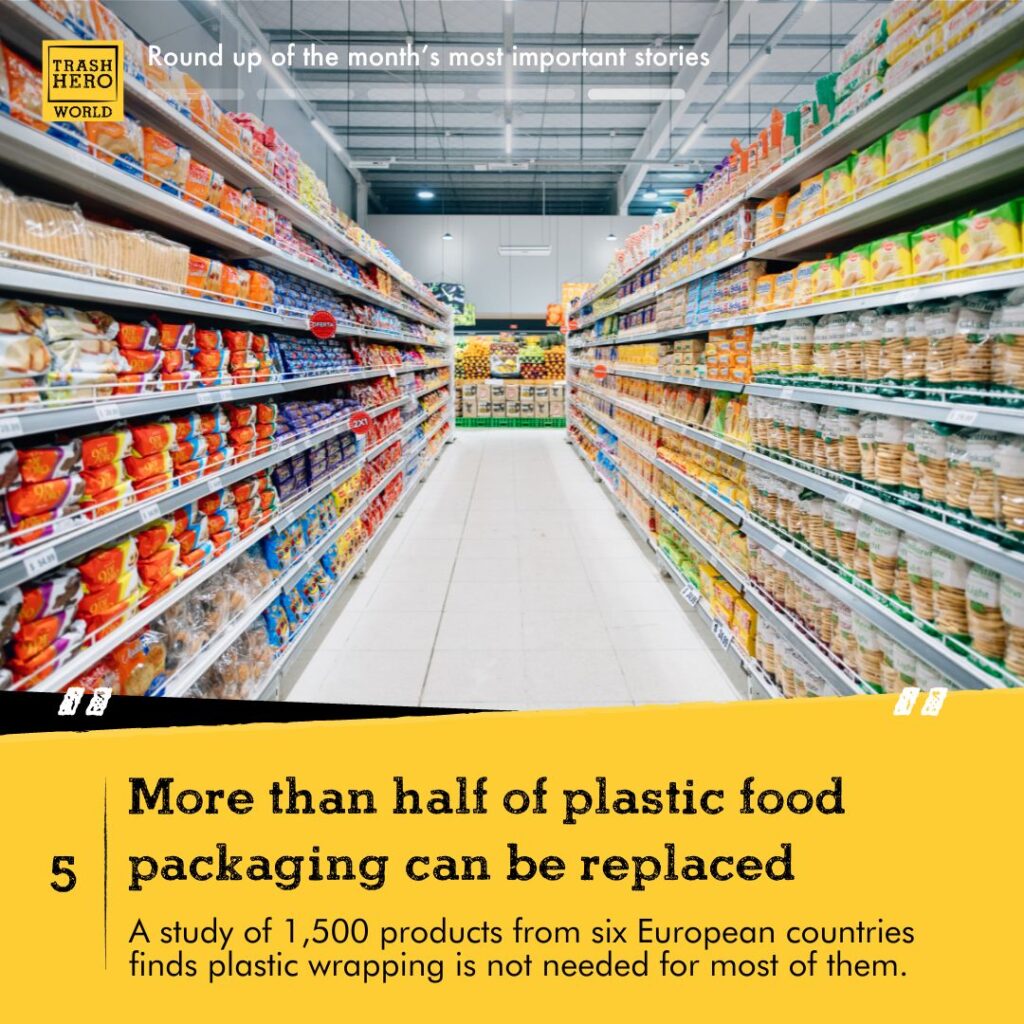
More than half of plastic food packaging can be replaced

A recent study has shown that the majority of plastic food packaging across Europe can be replaced or eliminated altogether. The finding supports the calls for reusable packaging infrastructure that would reduce waste and the unhealthy reliance on plastic.

What do you think about these stories? Is there one we missed? Let us know in the comments!

Every month we round up the top stories from the world of plastic pollution – and the work being done to stop it. From aquatic pollution to zero waste, you’ll always be up to date with the latest research, trends and greenwashing tactics.

To sign up click here.

read more
LydiaOctober 2024 : the month’s most important stories

September 2024 : the month’s most important stories

by Lydia on 26/09/2024 No comments

Our roundup of the month’s most important stories

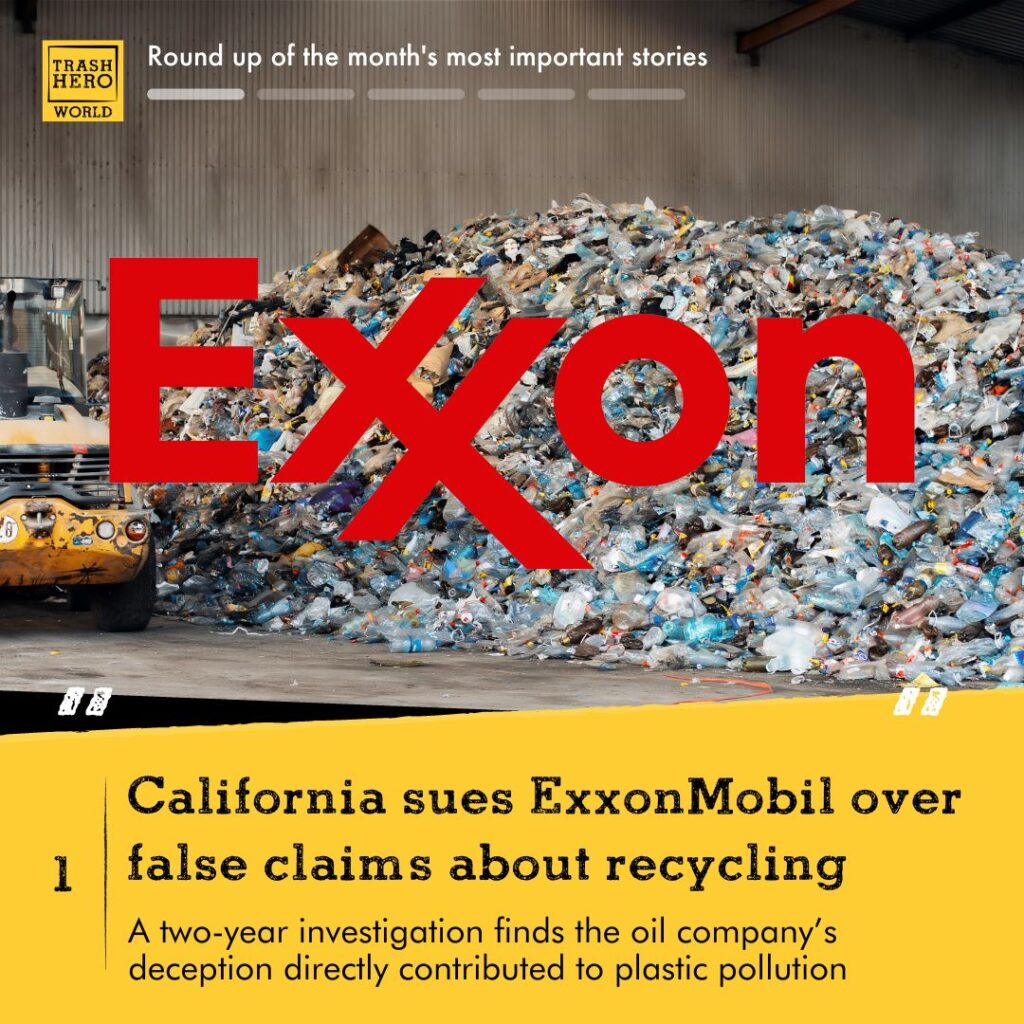
California sues ExxonMobil over false claims about recycling

ExxonMobil is being taken to court for misleading the public about the effectiveness of recycling. The state of California says the oil giant’s false claims have lead directly to an increase in plastic pollution. Environmental groups praised the lawsuit, saying it would hold the industry accountable.

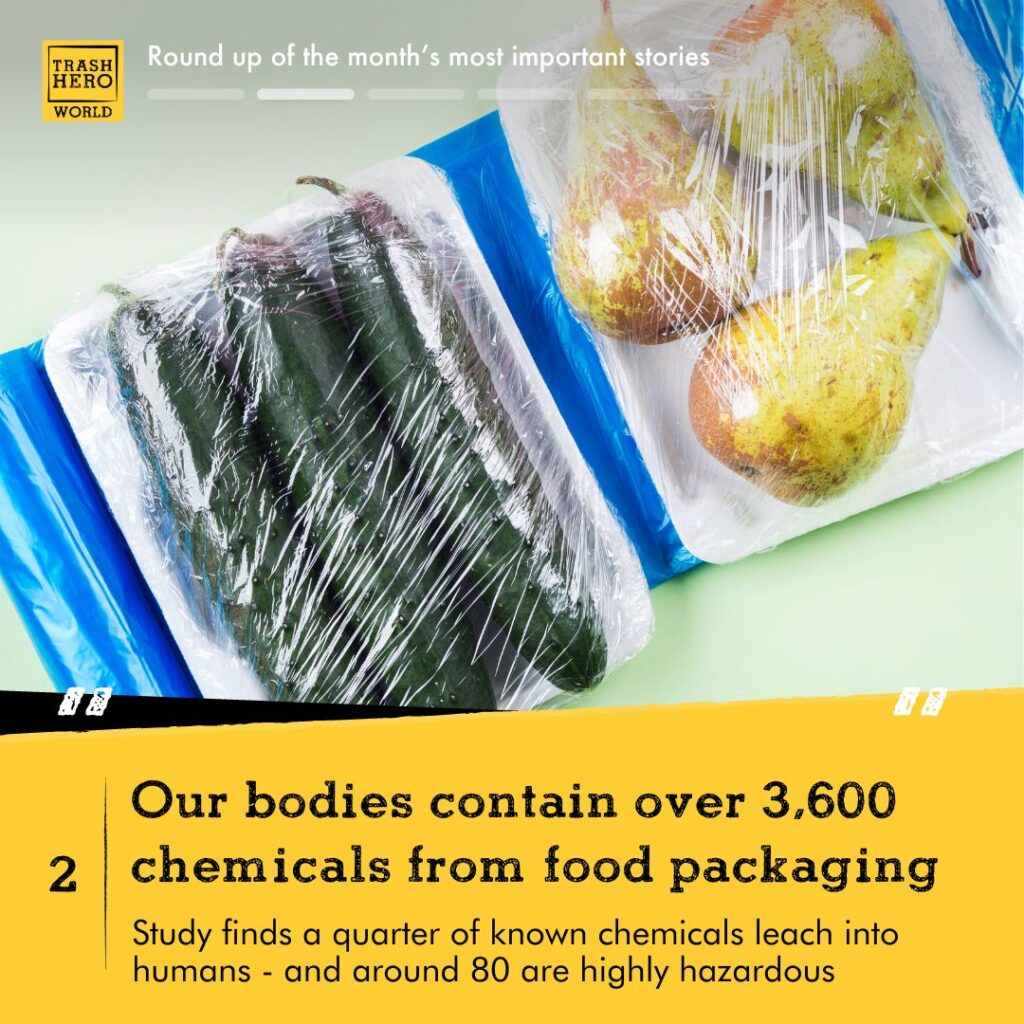
Our bodies contain over 3,600 chemicals from food packaging

A Swiss study has found more than 3,600 chemicals used in food packaging inside the human body, including BPA and PFAS. These chemicals can migrate from packaging into food and may have long-term health impacts. The study highlights the need for more research into their migration and health effects.

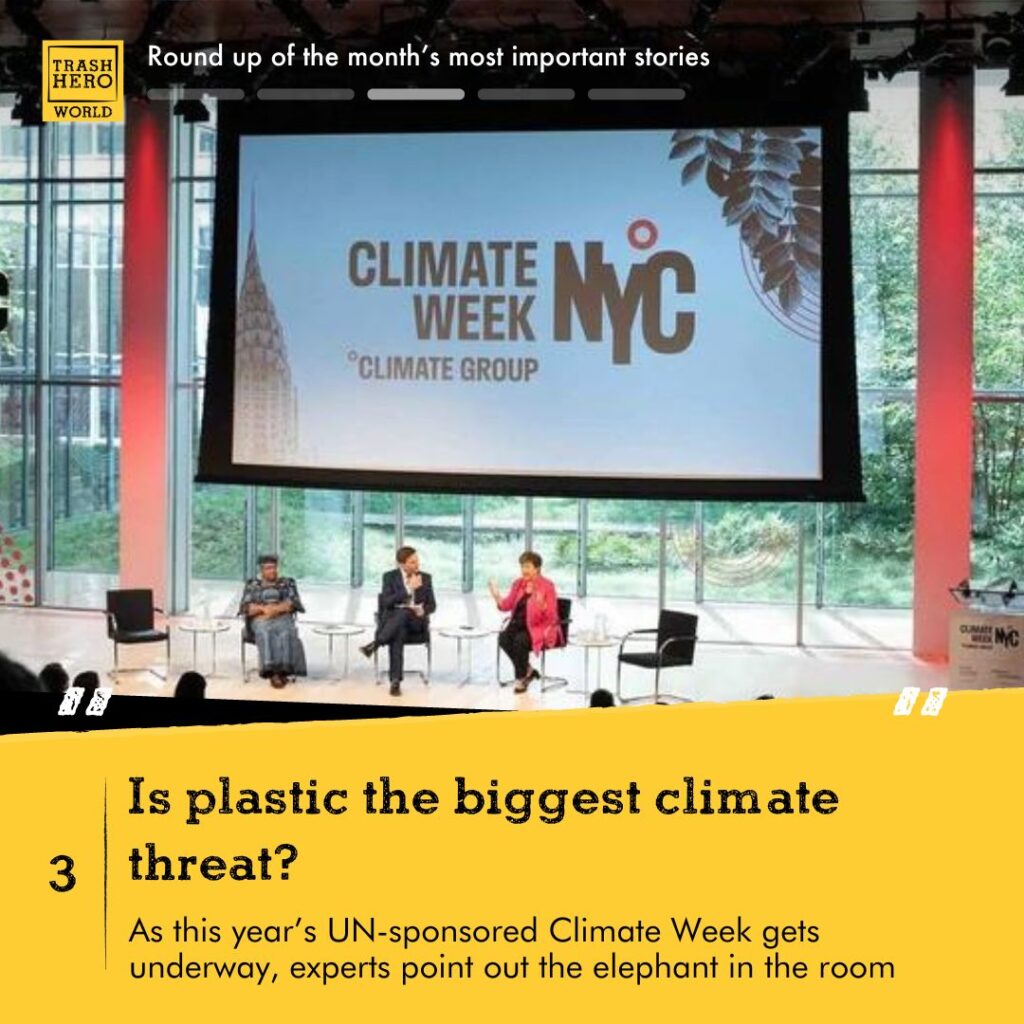
Is plastic the biggest climate threat?

At New York Climate Week, researchers called for the world to focus on the role of plastics in global warming. This editorial argues that leaving plastic production out of any agreed fossil fuel phase down is a huge and dangerous loophole – but one that could be addressed in the new Global Plastics Treaty.

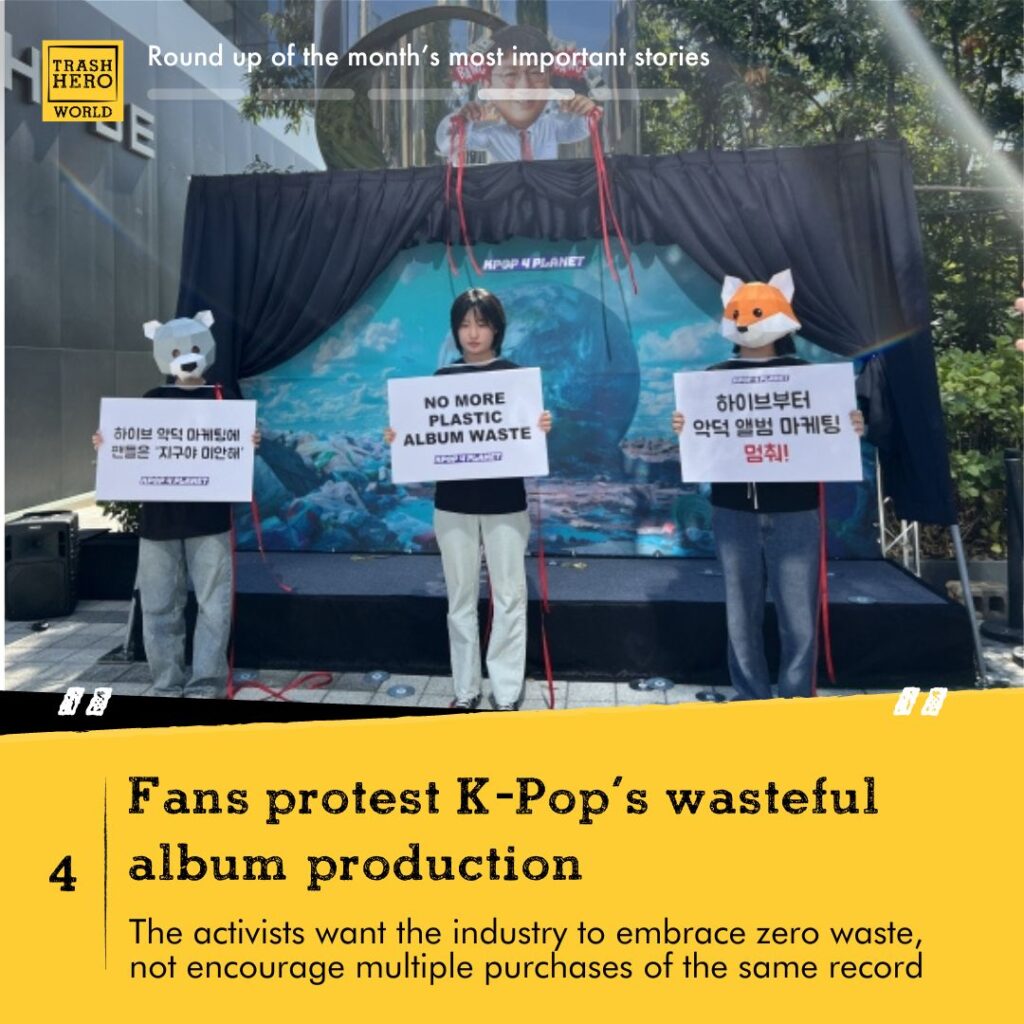
Fans protest K-Pop’s wasteful album production

K-pop activist group K4P protested outside Hybe’s headquarters, calling for the company to stop campaigns encouraging fans to buy multiple physical copies of albums and other plastic merchandise. A survey found 42.8% of K-Pop fans considered Hybe’s marketing tactics as the “worst business practice”. 

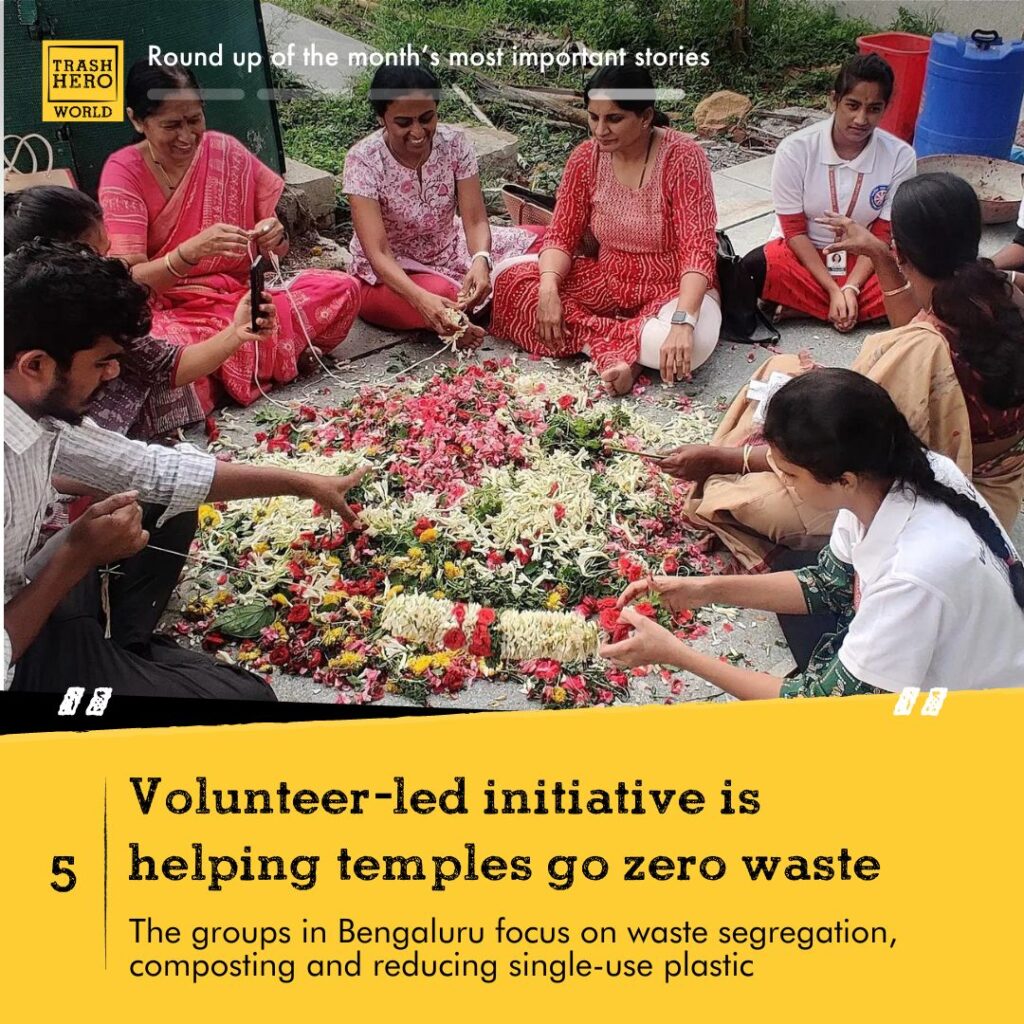
Volunteer-led initiative is helping temples go zero waste

Volunteers in Bengaluru are helping their local temples to go zero waste. The initiative promotes waste segregation, composting, and reducing single-use plastic in the offerings and involves both temple staff and visitors.

What do you think about these stories? Is there one we missed? Let us know in the comments!

Every month we round up the top stories from the world of plastic pollution – and the work being done to stop it. From aquatic pollution to zero waste, you’ll always be up to date with the latest research, trends and greenwashing tactics.

To sign up click here.

read more
LydiaSeptember 2024 : the month’s most important stories

August 2024 : the month’s most important stories

by Lydia on 29/08/2024 No comments

Our roundup of the month’s most important stories

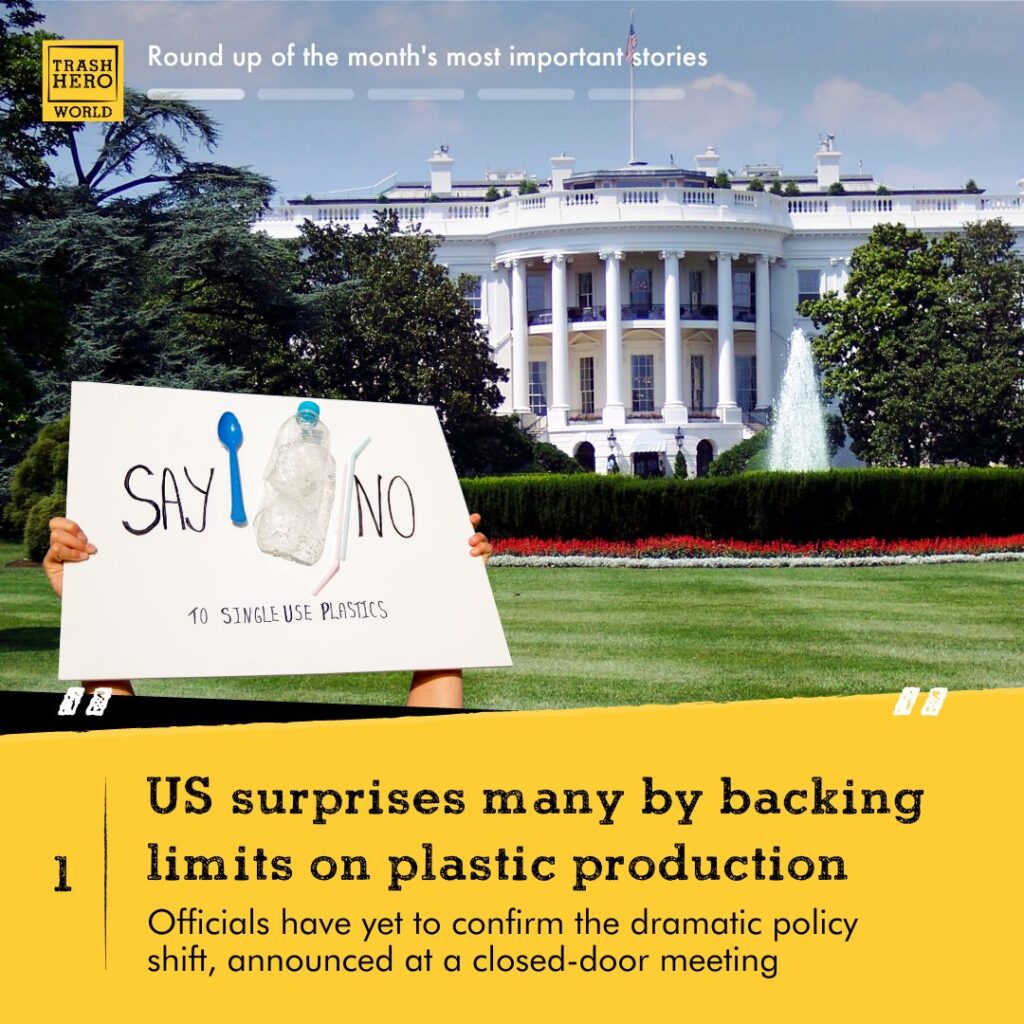
US surprises many by backing limits on plastic production

In a closed-door briefing, the White House signalled support for capping plastic production. No official announcement has been made, but industry groups have made clear they oppose the change. The shift sparks optimism for a more proactive approach to plastic pollution.

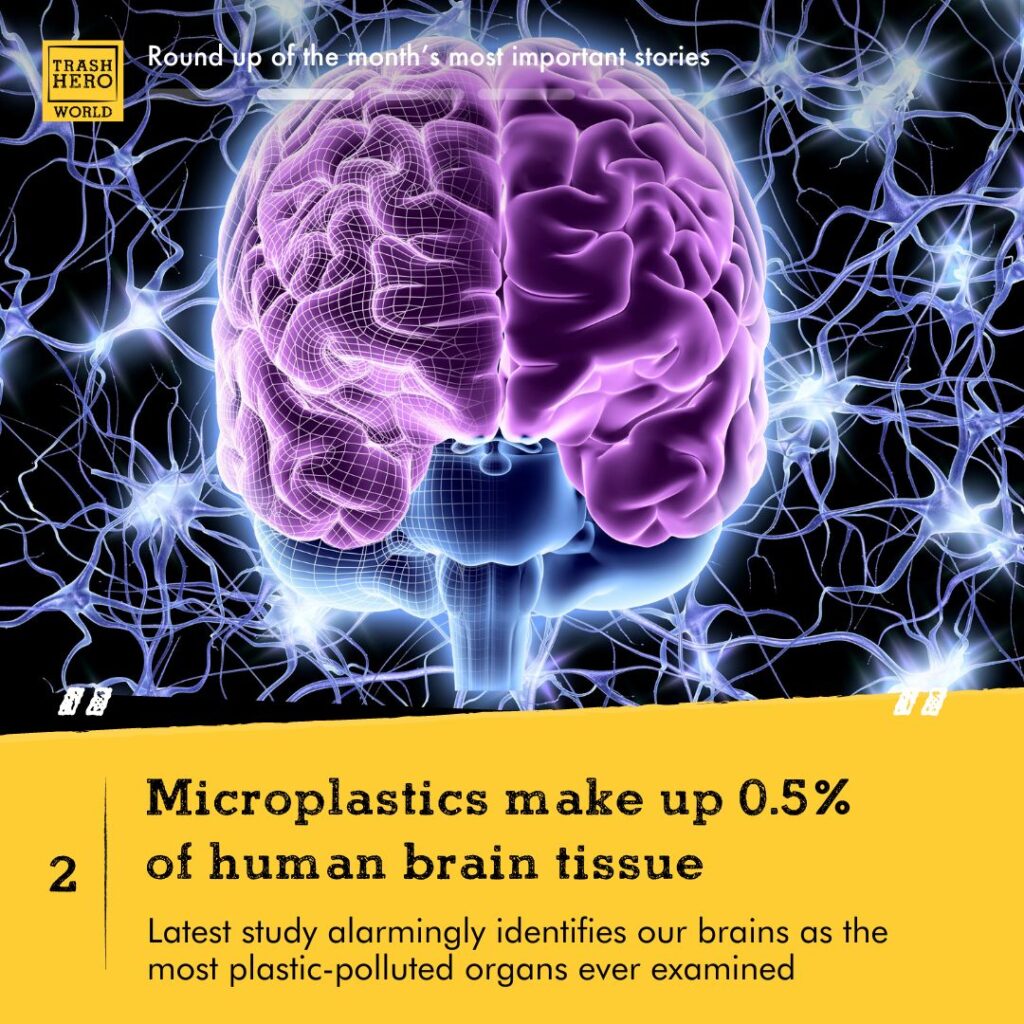
Microplastics make up 0.5% of human brain tissue

New studies reveal microplastics have infiltrated human brains, raising serious health concerns. Researchers urge global action to address plastic pollution as evidence mounts of its harmful effects on various organs. While the full extent of health risks is unclear, studies link microplastics to inflammation, cardiovascular issues, and fertility problems.

Plastic packaging linked to increased autism in boys

A recent study found a link between exposure to BPA, a chemical commonly used in plastic packaging, and increased autism risk in young boys. The study examined BPA levels in pregnant mothers and tracked their children’s development. The researchers found that higher BPA exposure was associated with a suppressed enzyme crucial for brain development. Leading to a greater likelihood of autism diagnosis.

Evian sued for false and deceptive marketing

Evian bottled water contains microplastics and BPA, contradicting its claims of sustainability and health benefits. The lawsuit seeks to stop parent company Danone from misleading consumers and raise awareness about the environmental and health impacts of plastic pollution.

Is your water bottle really made from recycled plastic?

This article highlights the lack of transparency in “mass balance” accounting for recycled plastic. While companies can claim products contain recycled plastic, the system doesn’t guarantee a specific amount, making it difficult for consumers to know the true content of products they purchase.

What do you think about these stories? Is there one we missed? Let us know in the comments!

Every month we round up the top stories from the world of plastic pollution – and the work being done to stop it. From aquatic pollution to zero waste, you’ll always be up to date with the latest research, trends and greenwashing tactics.

To sign up click here.

read more
LydiaAugust 2024 : the month’s most important stories