‘Recycled’ Amazon packaging burns at illegal dumpsite
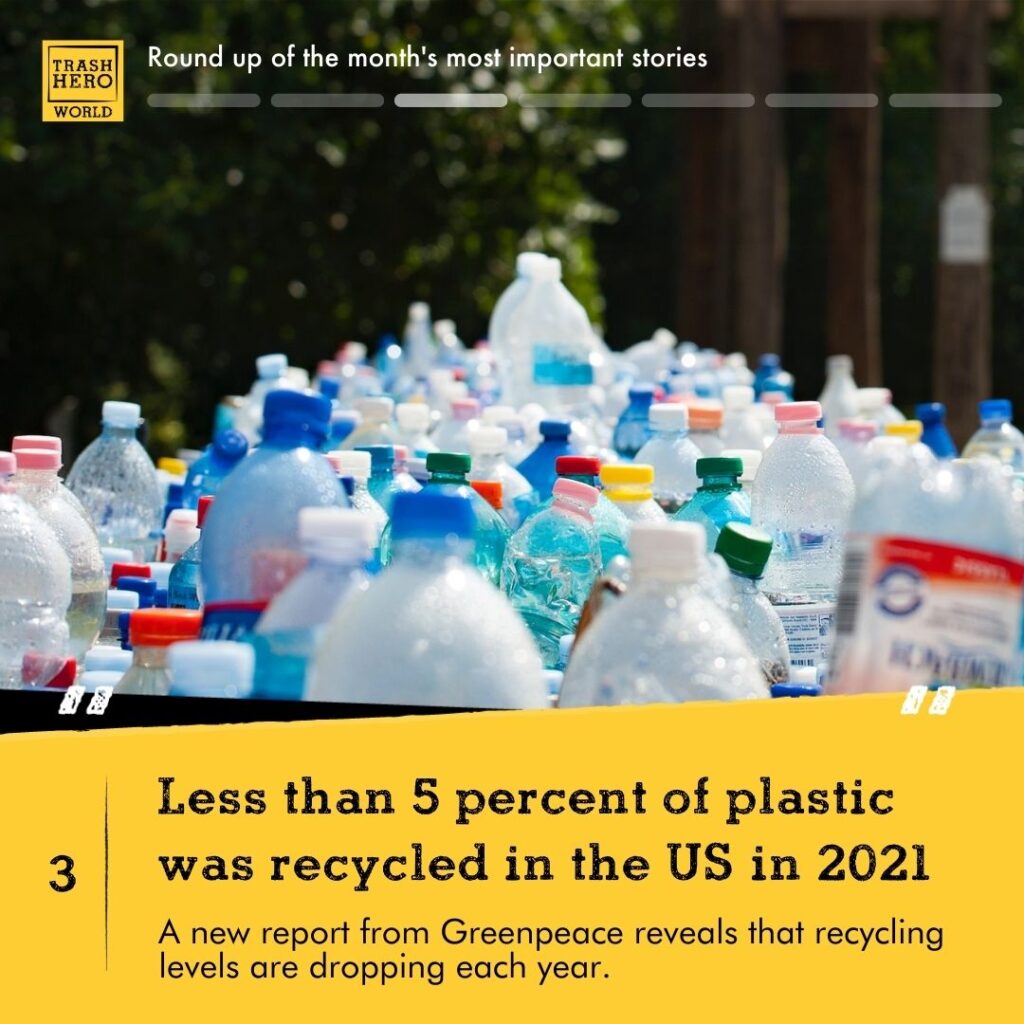
Amazon packaging that environmentally conscious citizens had diligently recycled in North American was found burning at an illegal dumpsite in India. This story was announced shortly after it was revealed that Amazon plastic packaging had increased, despite their promises to do better. Do you trust the recycling process in your area?
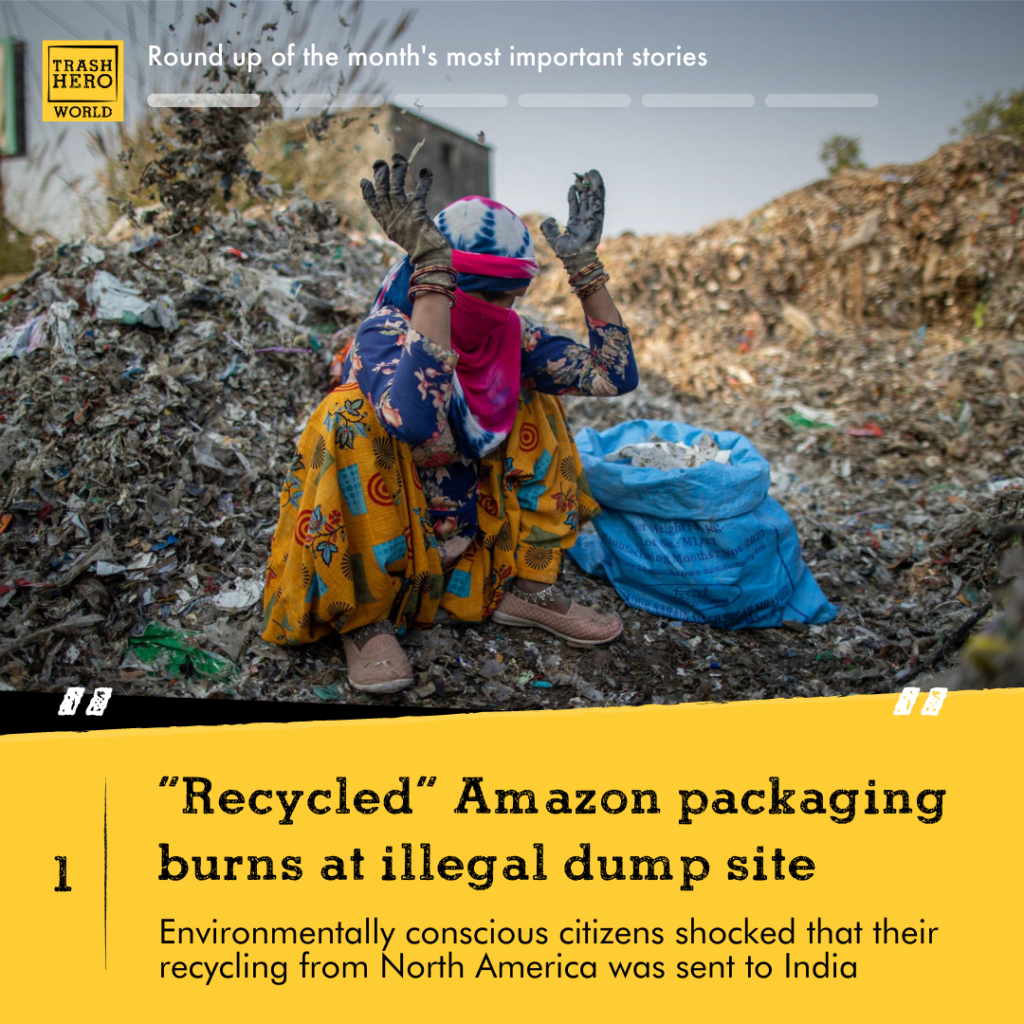
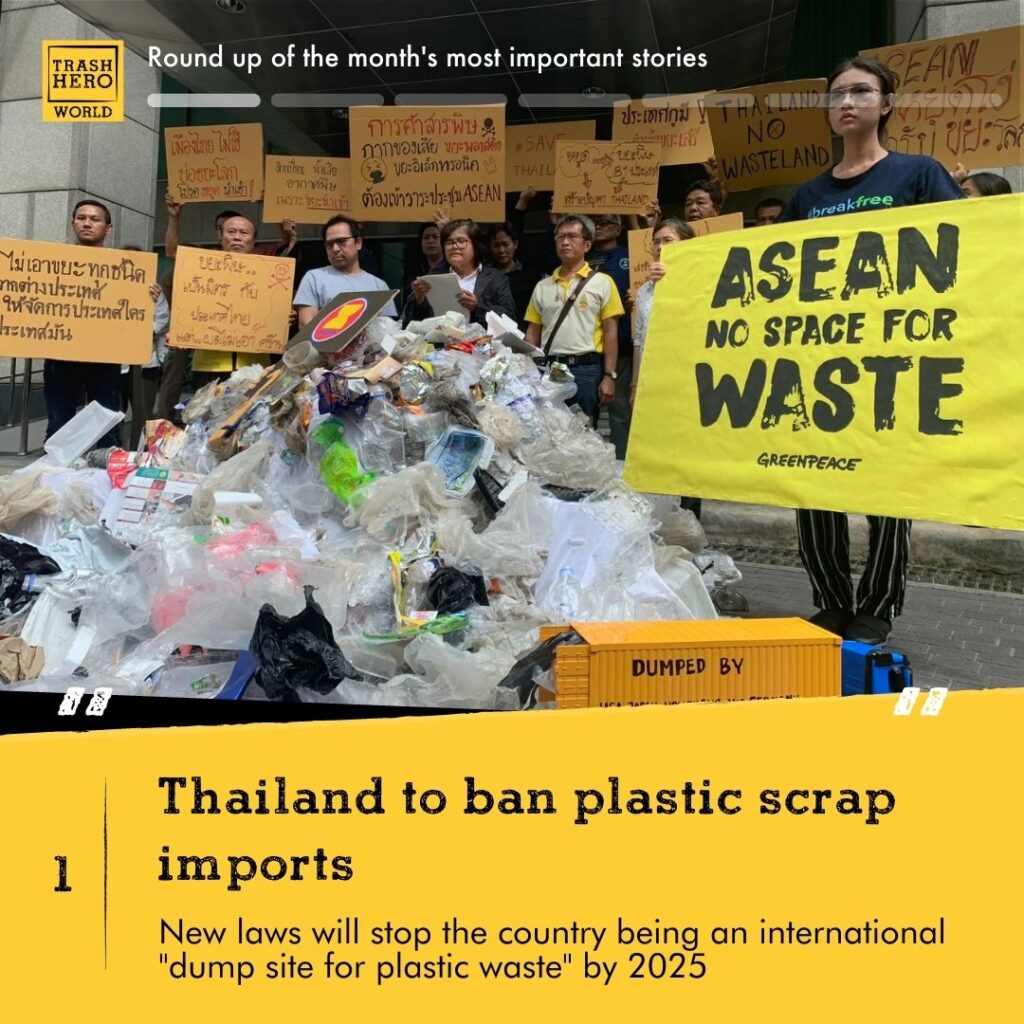
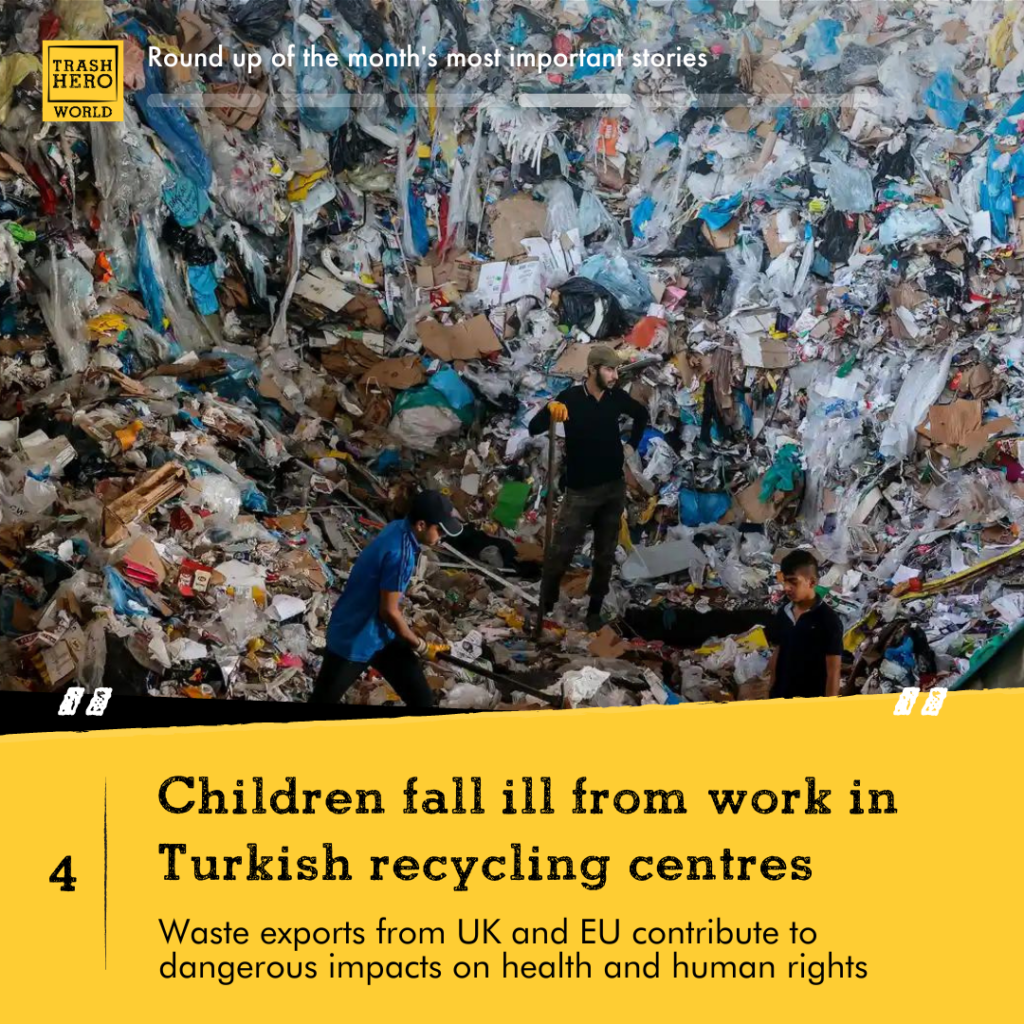
The EU has finally banned waste exports to non-OECD countries. Countries such as Malaysia and Thailand will no longer deal with dangerous and mismanaged waste from richer countries. Do you think these new regulations could help us move towards a zero waste economy?
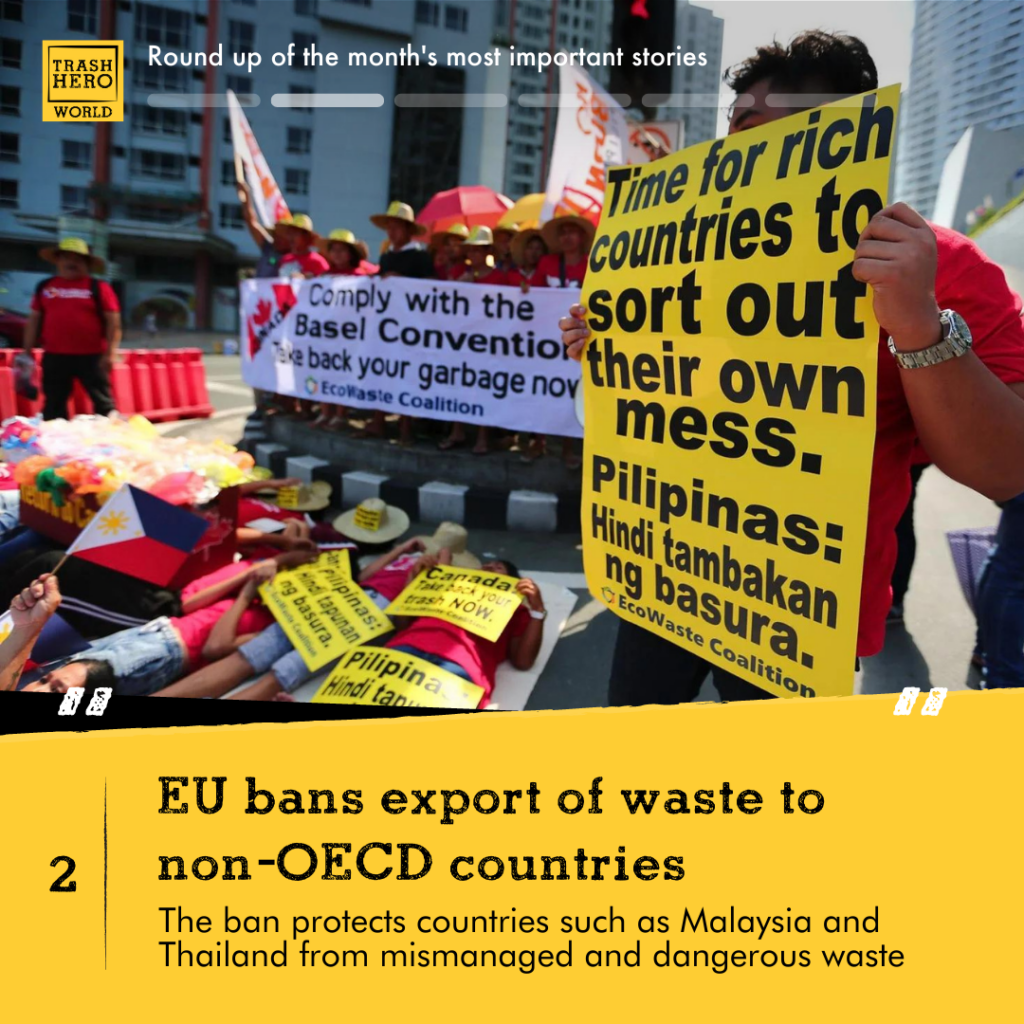
A study has found that when kids are encouraged to write stories about plastic pollution, they focus more on preventing it than on ways to deal with existing litter. Can this study change the way we talk to kids about plastic?
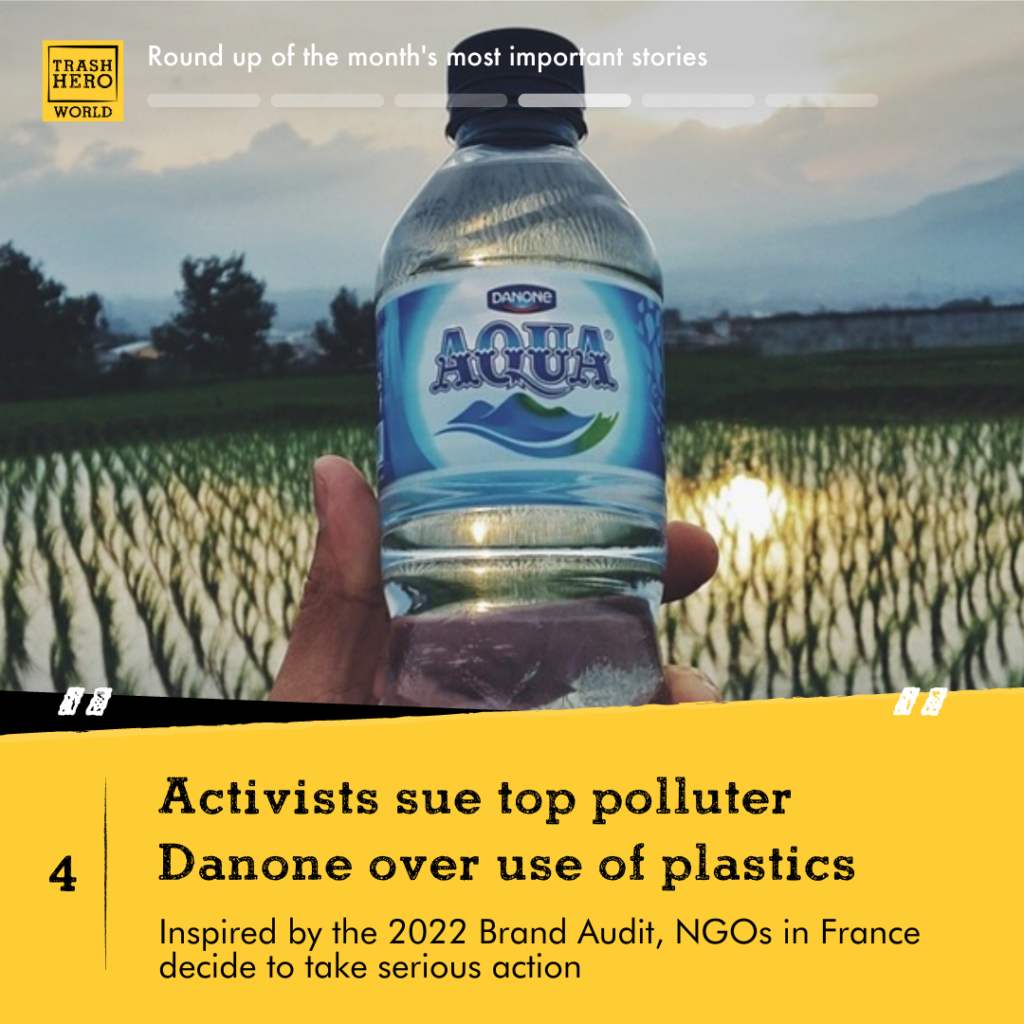
Activists sue top polluter Danone over use of plastic
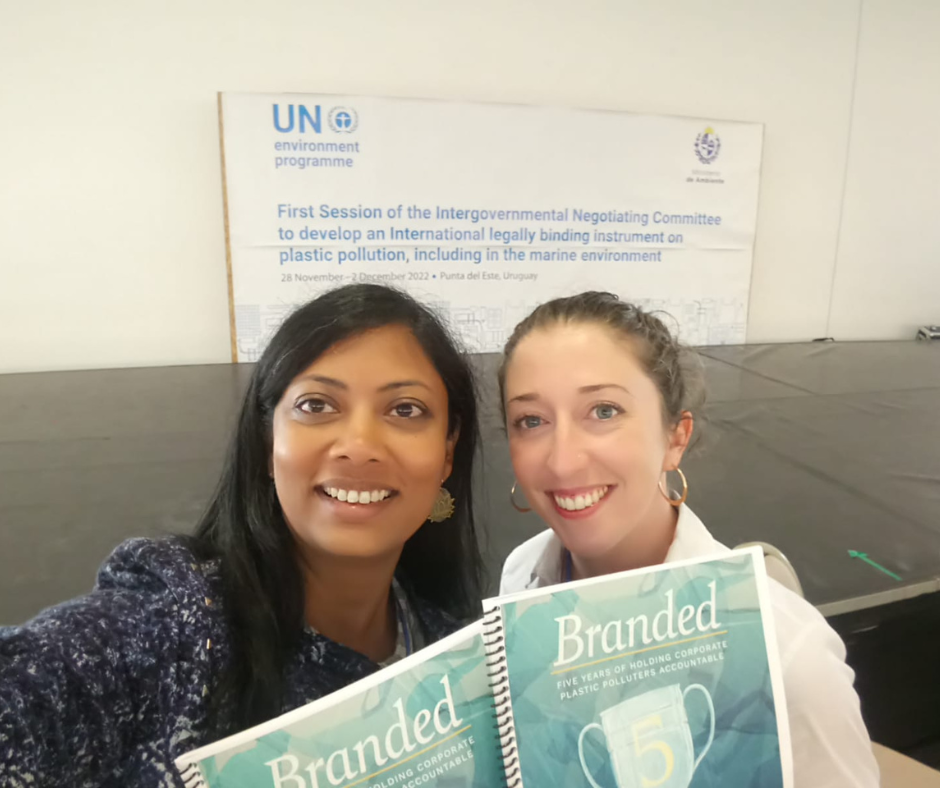
The 2022 Brand Audit revealed the top polluters for the last five years. The information has inspired activists in France to sue Danone for their contribution to plastic pollution.
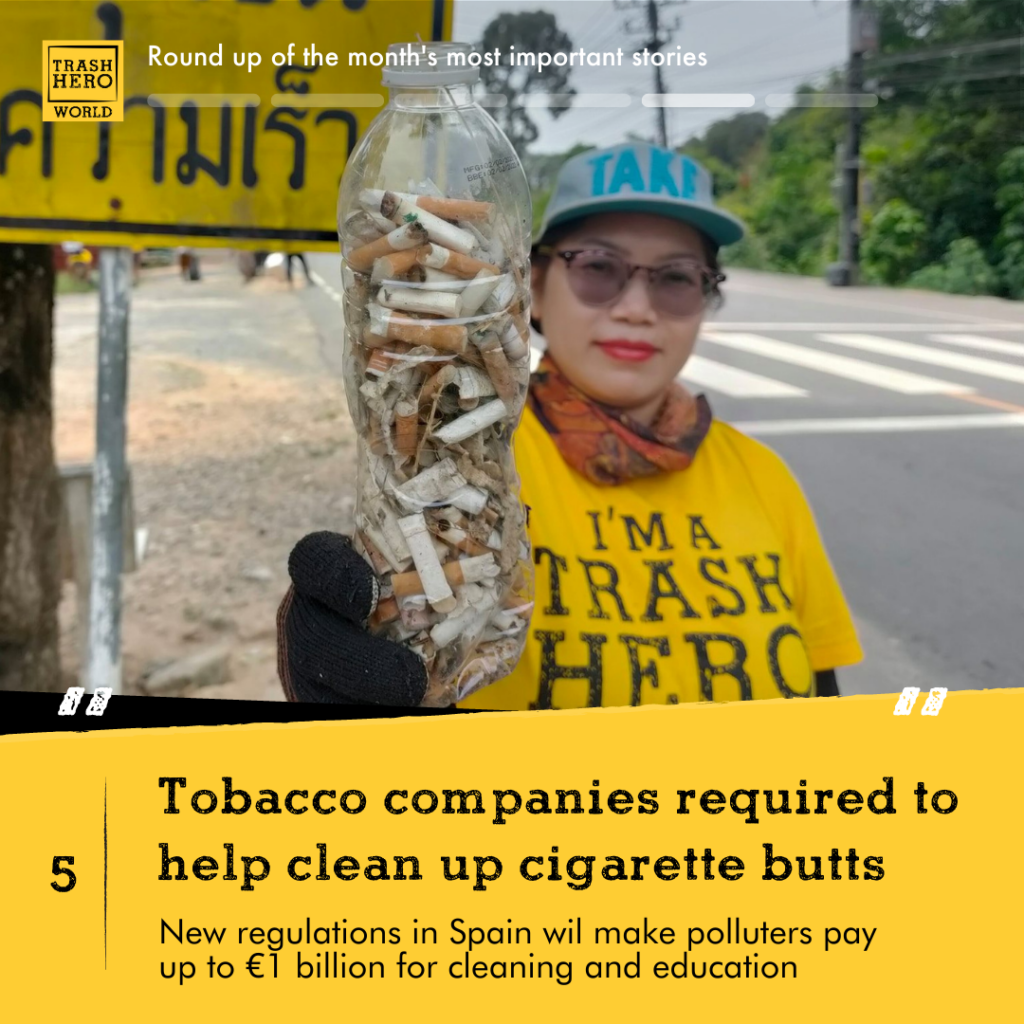
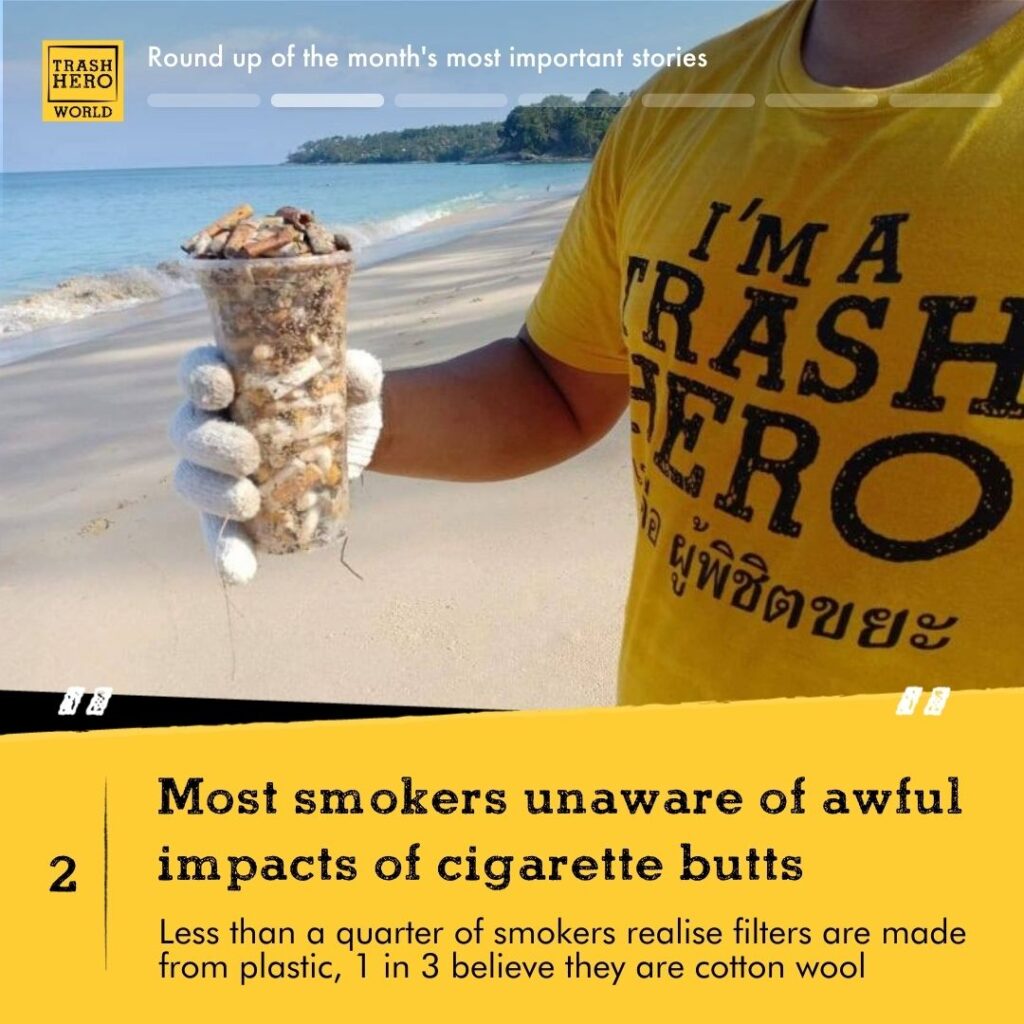
Tobacco companies required to help clean up cigarette butts
New regulations in Spain will require Tobacco companies to help cleanup cigarette buts and support education in how to dispose of them properly. The move is part of the EU’s commitment to holding polluters accountable for their waste.
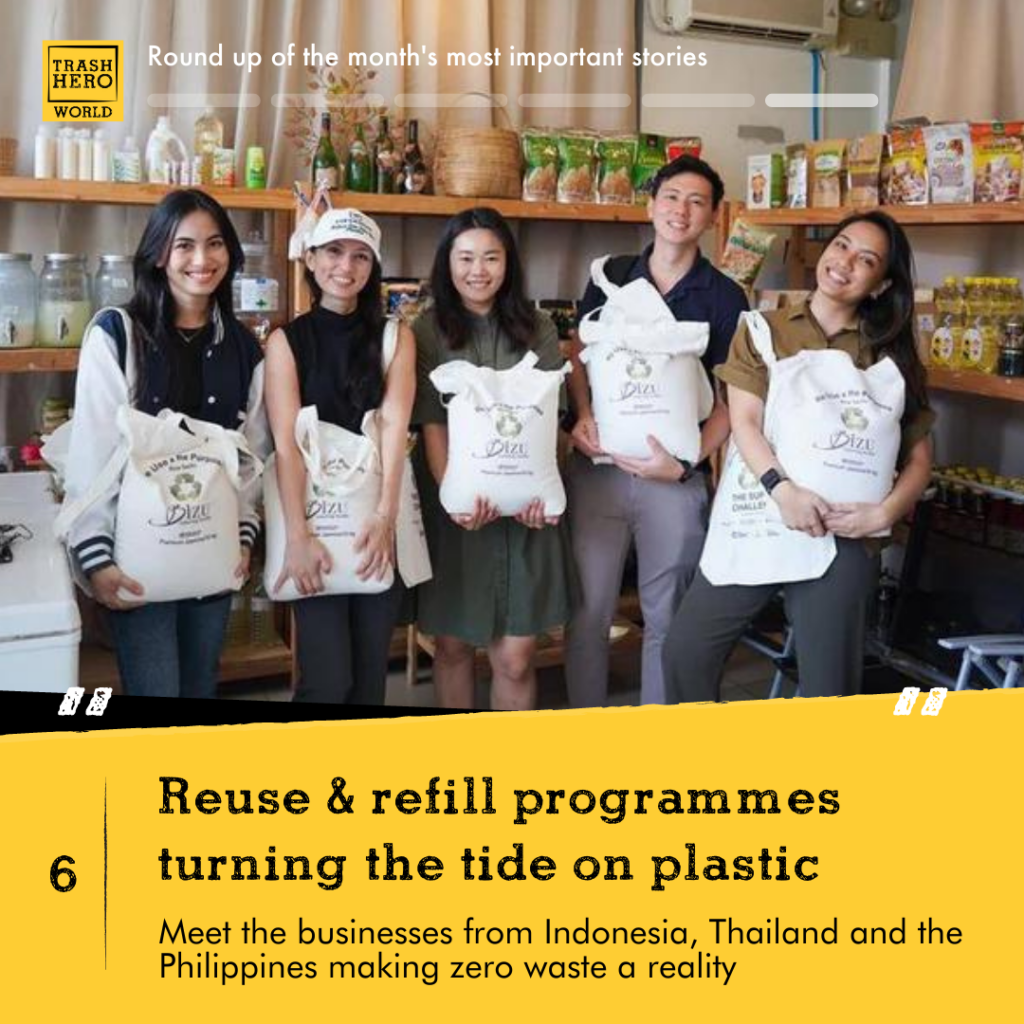
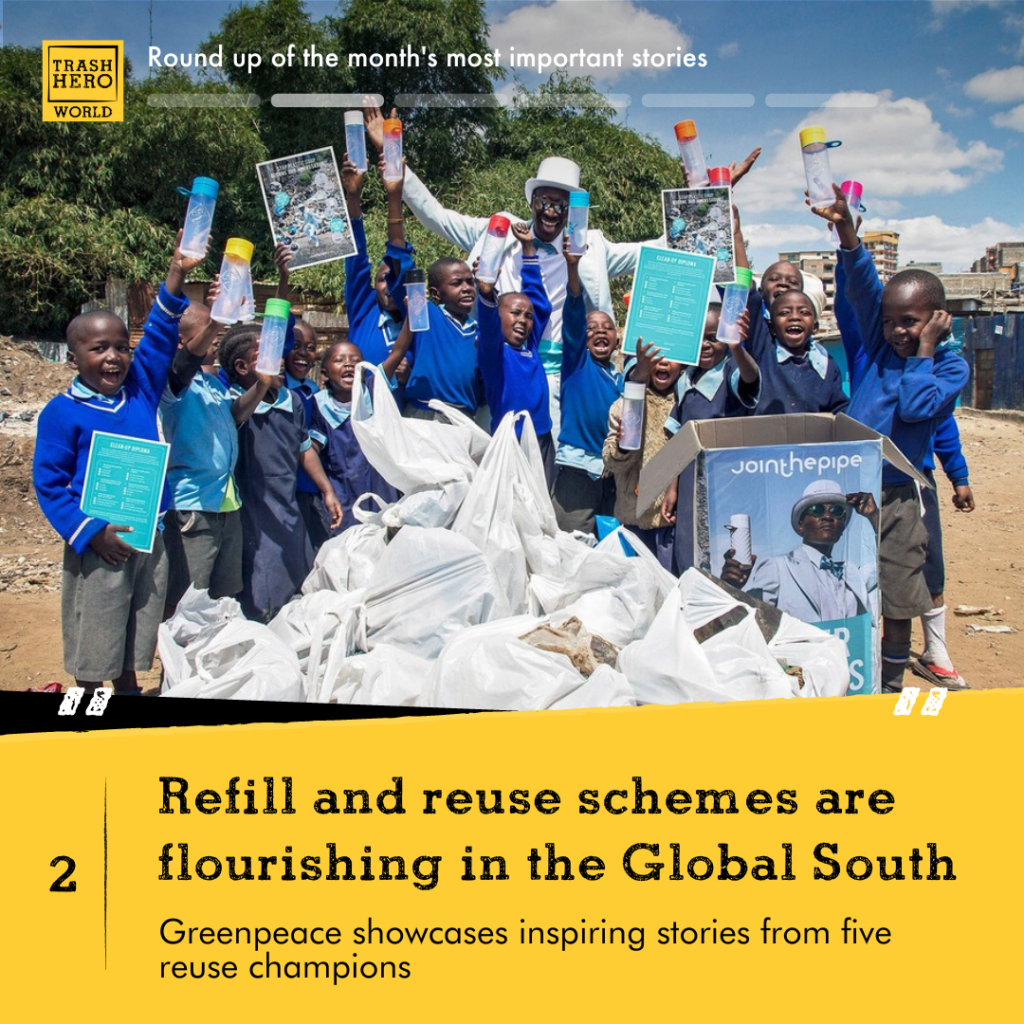
Reuse and refill programmes turning the tide on plastic
Refill and Reuse programmes are on the rise! Businesses in Malaysia, Thailand and Indonesia are making zero-waste a reality. Do you know a business doing the same?
What do you think about these stories? Let us know in the comments!
Trash Hero World has submitted a proposal to the United Nations Environmental Programme (UNEP) ahead of the second session of the Intergovernmental Negotiating Committee (INC-2) to develop a Global Plastics Treaty.
We worked together with Break Free from Plastic to submit the statement, which addresses the potential elements for the treaty and outlines a plan for dealing with plastic pollution in all environments. Drafted by their policy experts, its key objectives focus on the removal of unnecessary plastics that jeopardise the environment, while ensuring that the planet and its inhabitants are protected. Control measures should cover each stage of the plastic lifecycle – from raw material extraction to product production, waste management, and leakage into the environment. Some of the recommendations include stopping harmful chemicals and plastics, reducing the use of virgin materials and transitioning to a circular economy.
As stated by the UN Special Rapporteur, a human-rights-based approach must be adopted in the management of reducing global plastics. This means ensuring social justice for waste pickers and other workers in the global plastics value chain and environmental justice for communities that have been unfairly impacted by plastic pollution.
Trash Hero World was granted formal consultative status at the United Nations Environmental Assembly in March 2022. As an official observer, we are now among 500+ NGOs globally that can give input to policy discussions and participate in the UNEA sessions and those of its subsidiary bodies. Our proposal is one among around 200 that are publicly available on the UNEP website (under the “Pre-Session Submissions” tab). These proposals will be reviewed for inclusion in the official documentation provided to the negotiating committee at the INC-2 summit in Paris in May this year.
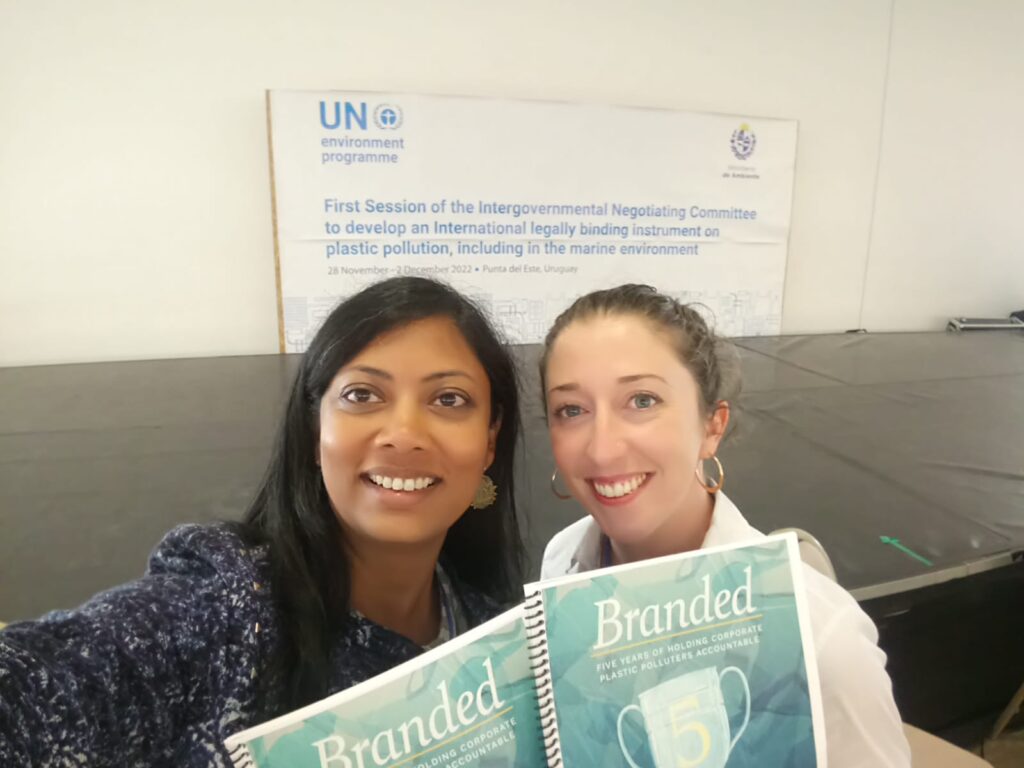
In November 2022, the five-year Brand Audit Report was submitted to the INC-1. Trash Hero was a major contributor of data to the study.
Using our platform to advocate for the reduction of plastic production and the adoption of zero waste systems is an important part of our ongoing commitment to “act local but think global”. By engaging with UNEP, and other key stakeholders, we hope to drive change and create a cleaner and more equitable world for future generations. We are proud to work alongside Break Free From Plastic in this goal.
Trash Hero World joined the Break Free From Plastic movement in 2018. Since then, we have collaborated on several important projects that aim to reduce plastic pollution worldwide, including being a top contributor to data in their annual Brand Audit reports.
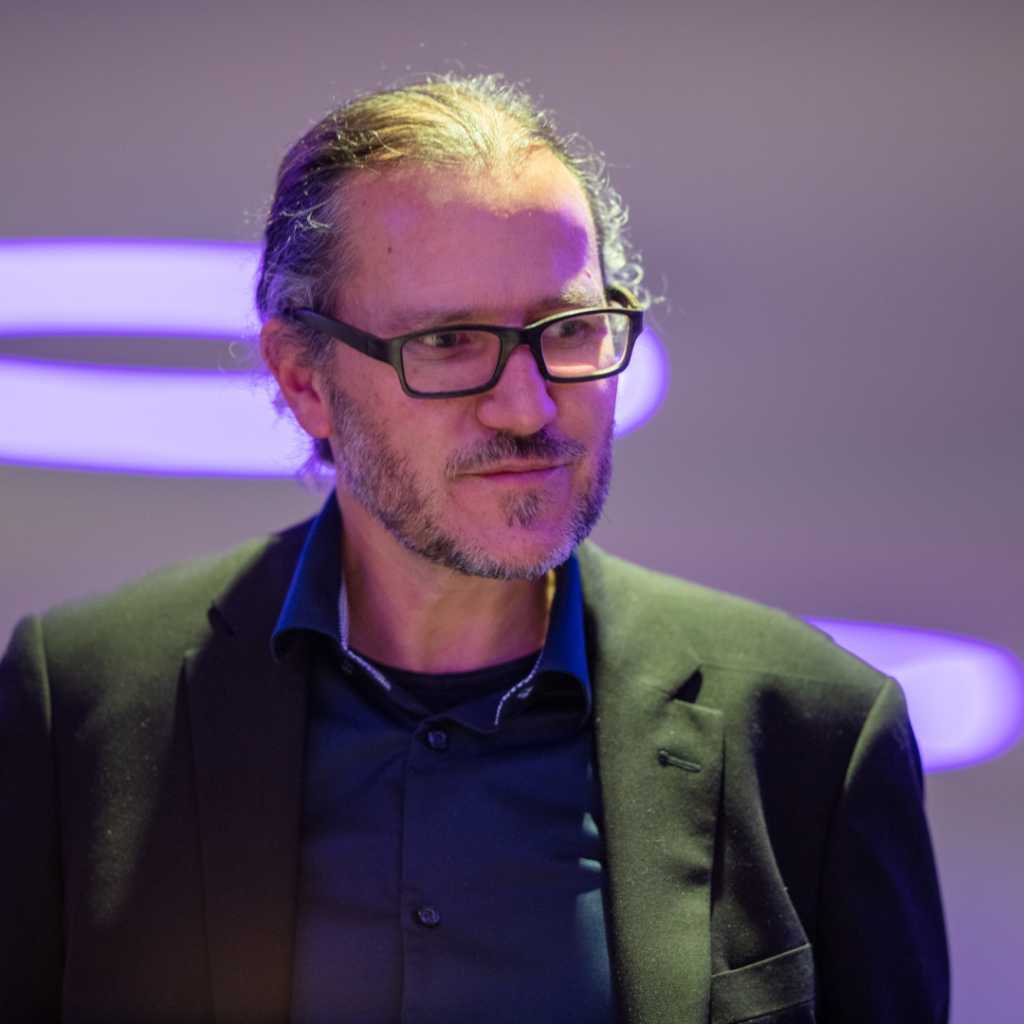
Sandro Schnarwiler, the managing director of Schnarwiler cosmetics, has been passionate about the problem of plastic pollution for a long time. After watching a television documentary that featured Trash Hero in 2018, he decided he wanted to help. He approached the team with the idea of developing a refill and reuse system for his cosmetic products.
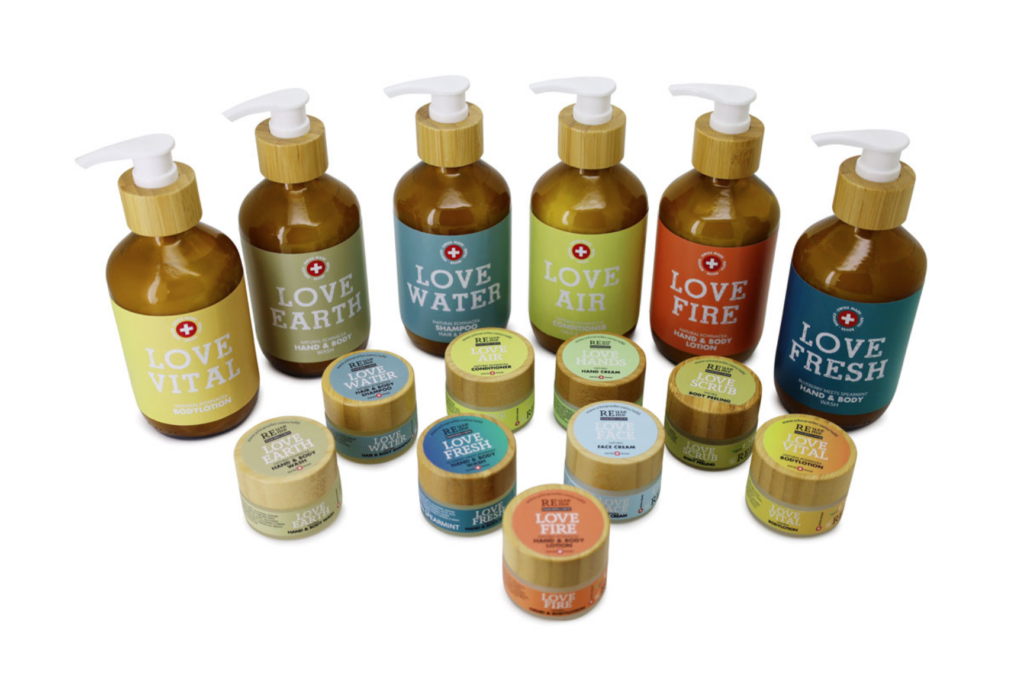
We began discussions with Schnarwiler about developing a range of completely refillable products. By creating such a system, the company could drastically reduce its plastic use and support customers to transition to more sustainable ways of shopping.
‘Sandro Schnarwiler was eager to partner with Trash Hero to make meaningful impact with his business’
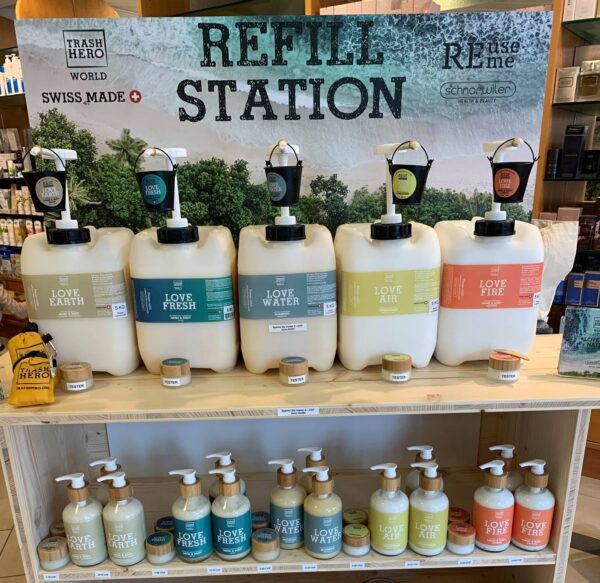
A partnership began, resulting in the ‘Love Refill’ product line. It launched with four products (shampoo, conditioner, soap and body lotion) – all-natural, locally made, and cruelty-free in reusable glass packaging. Once the bottle or jar is empty, customers can wash out the bottle and refill at a lower price than their original purchase.
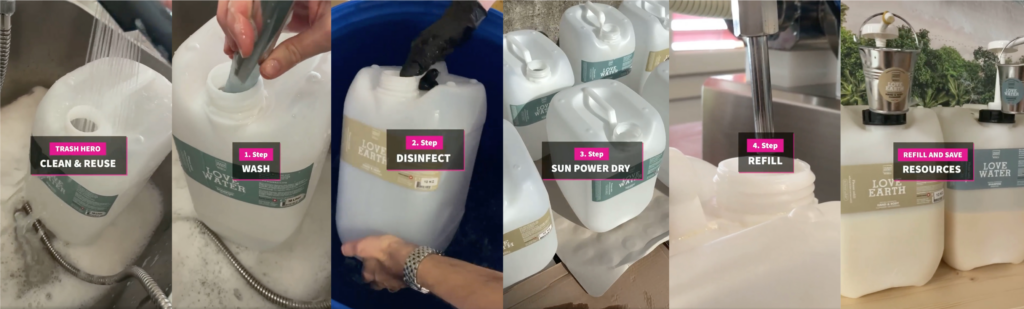
To ensure the system was zero waste from start to finish, the Trash Hero team suggested that even the bulk containers used for refilling individual bottles were washed and reused at the factory, rather than being discarded. This idea was meant with a positive response and Schnawiler showed dedication to wanting to reduce plastic at every opportunity.
Now, the refill network has grown to more than 150 stores all over Switzerland, including the national chain Reformhaus, making refilling easier than ever. As for Schnarwiler, they have found the refillable range to be so popular that it has almost completely replaced single-use products as their core business.
Hotels are now also requesting the products to replace their in-room toiletries. Schnarwiler calculated that a hotel with 200 beds and 80% occupancy provides around 500 throwaway plastic containers per night. This results in more than 180,000 pieces per year or almost 4 tons of plastic waste from just one hotel!
Schnarwiler helps the hotels to fit reusable glass dispensers of products in the bathrooms. As they are refilled, they save both the plastic and the product itself from being wasted.
There are currently 24 hotels signed up to the project, with more in the pipeline!
In another boost for the initiative, Eliane, the winner of Best Female Solo Act at the 2018 Swissmusic Awards, became a brand ambassador for Schnarwiler’s refill lines which in 2022 now include both “Love Refill” and a new range, “Re-use-me.”
She promotes the products and concept of refill to her many fans and last year, together with Schnarwiler, organised a gala performance to raise funds for Trash Hero projects and our refill programmes in Asia. We are incredibly grateful for her support.
Sandro Schnarwiler and Trash Hero started a partnership that has proved refill is possible, practical and profitable in the real world. Since the project began in 2018, it has saved more than 79,000 plastic bottles from being used*!
Schnarwiler is leading by example in the beauty industry. In the long term, refill and reuse systems benefit both the business and the environment and help us work towards a plastic-free future.
Give the gift of a plastic-free 2023
If you want to try out the refills for yourself, or know someone who might like the concept, you can find the full product range and the refill locations online.Schnarwiler, in collaboration with Eliane, has released a fan package containing refillable and reusable products from the ‘Love refill’ range. They have also launched a brand new refillable and plastic-free deodorant and toothpaste in a tube – the first of its kind in Switzerland! In January 2023 they will be releasing a refillable suncream and lip balm!
All Schnarwiler’s products are made and sourced in Switzerland from 100% natural and cruelty-free ingredients. All products are vegan aside from the conditioner which contains a small amount of beeswax.
For each product or refill sold, Trash Hero receives a donation – the details of which can be found in our annual report.
If you’re not in Switzerland, consider a Trash Hero e-card or donation gift to help us continue our work for a cleaner world.
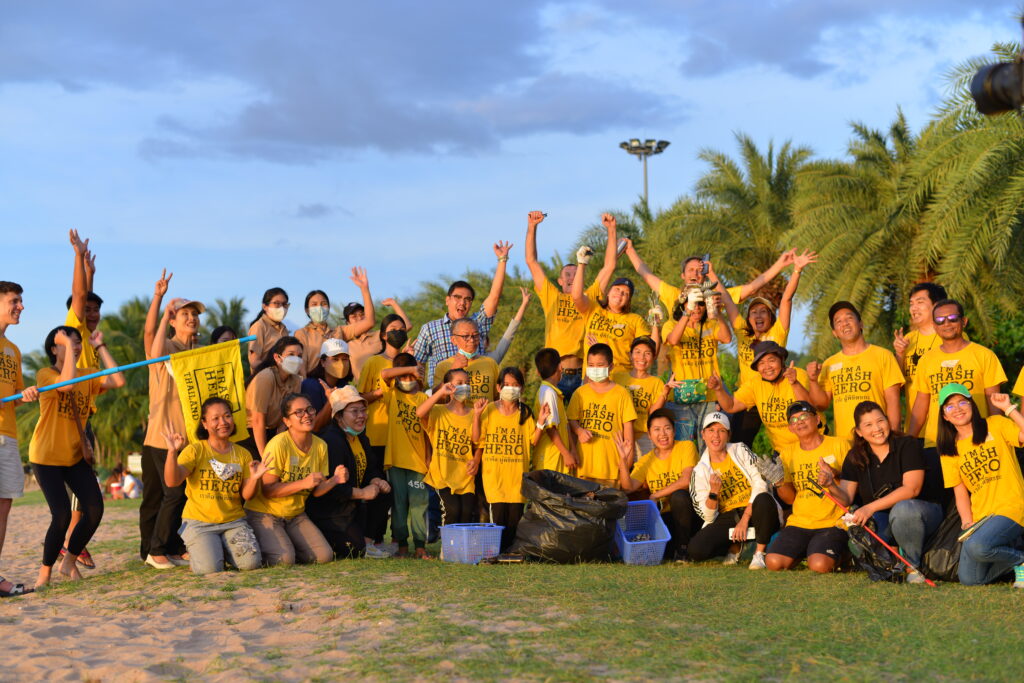
Volunteers are the heart of Trash Hero and the movement’s driving force.
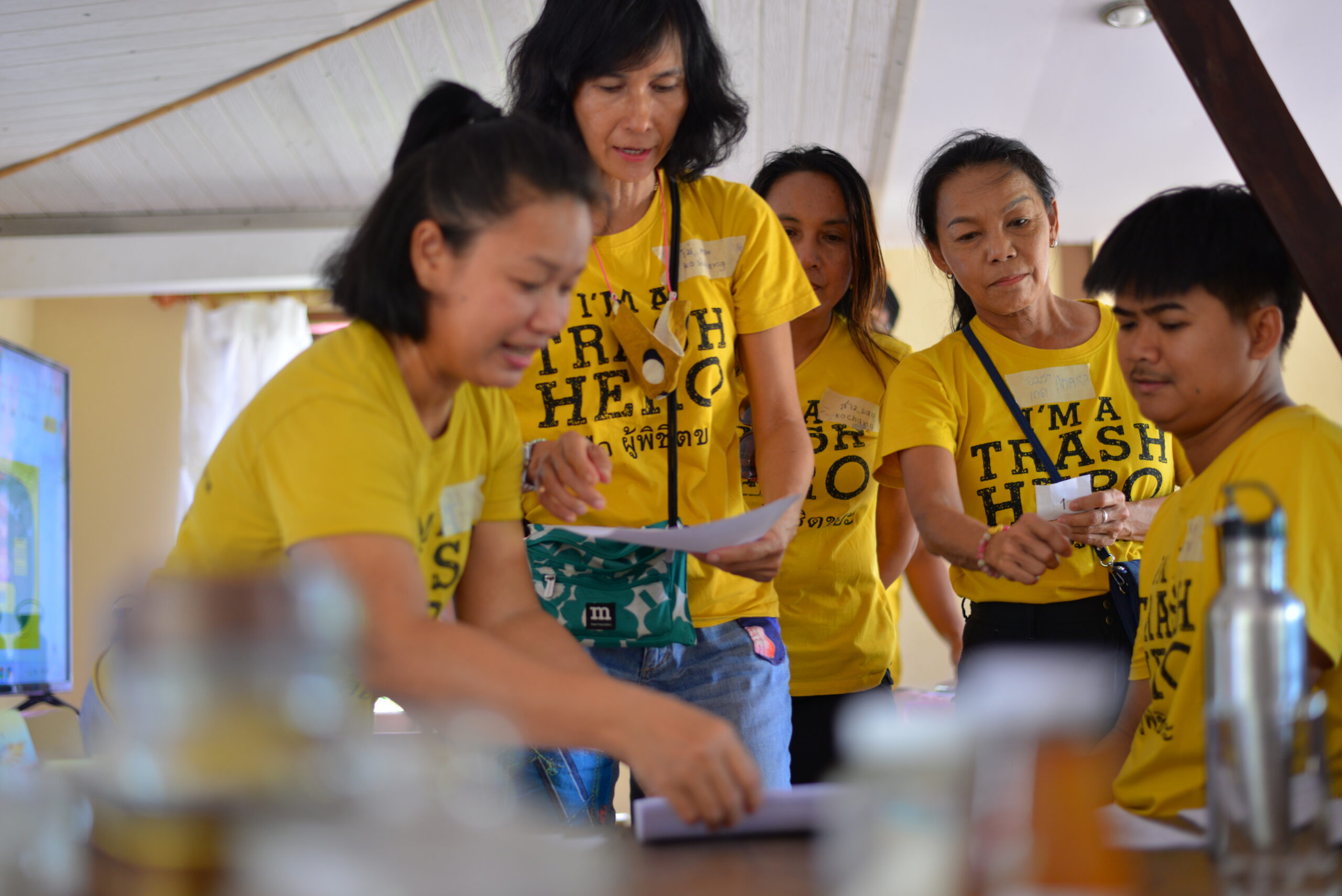
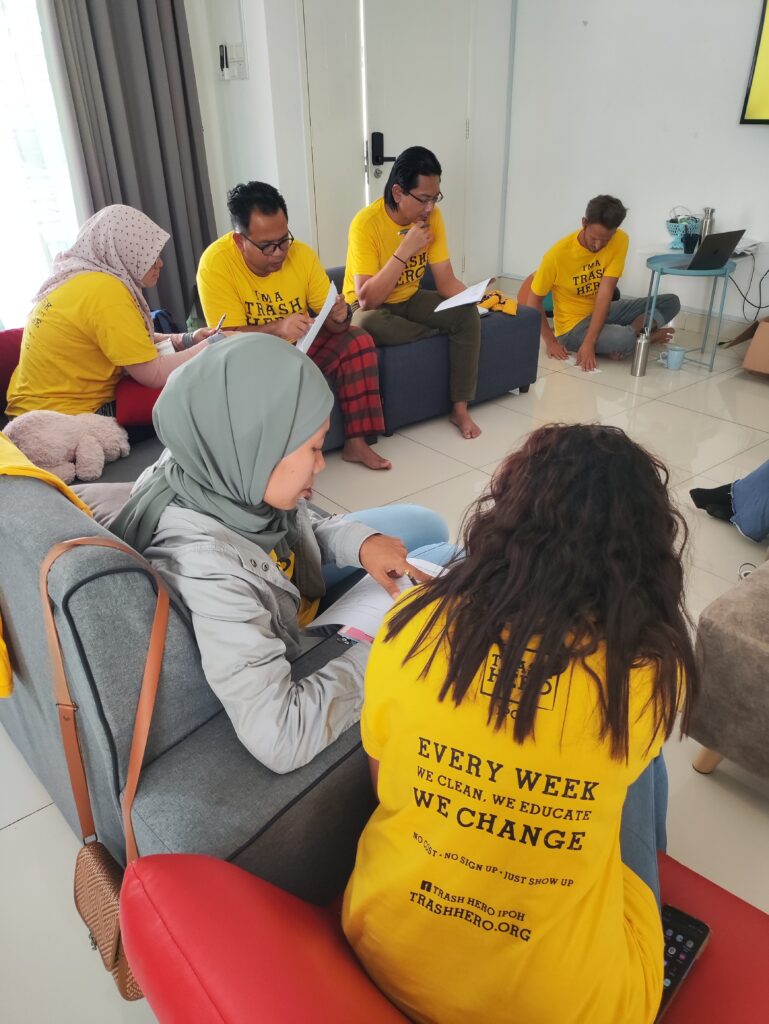
They organise cleanups, educate kids about plastic pollution, and build essential community ties – all in their free time. We want to ensure that Trash Hero volunteers are well-equipped to engage their communities in reducing plastic and feel confident in their skills to lead a successful chapter. To do this, we host a biannual volunteer training workshop – Trash Hero Family Meetings.
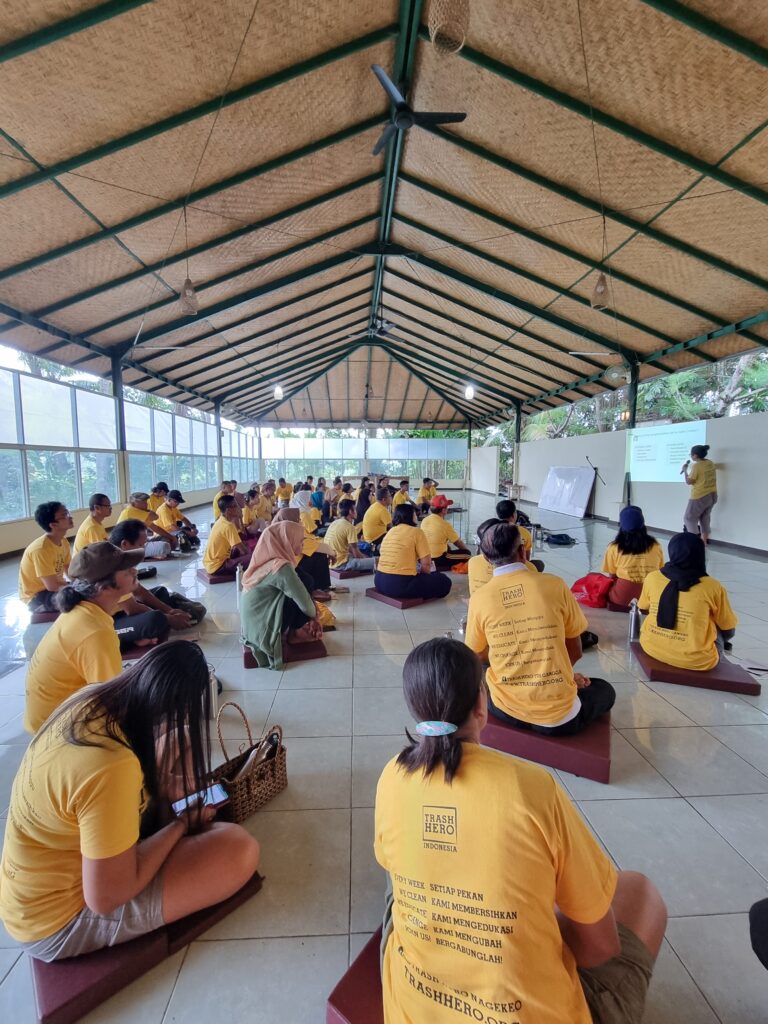
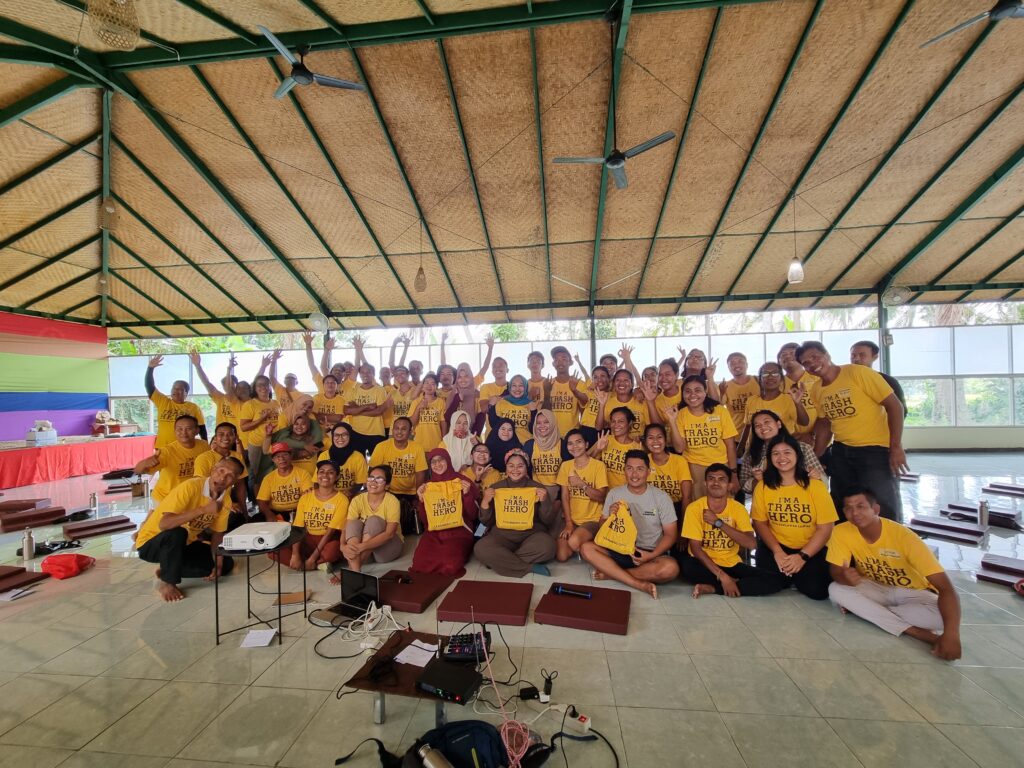
In October and November, we went to Indonesia, Malaysia and Thailand, and brought together leaders of our Trash Hero chapters for the second time this year. In total, 96 participants attended from 51 chapters in 4 countries.
We host Family Meetings in countries with a high concentration of active chapters. Chapter leaders are invited to attend, free of charge, and are provided with the opportunity to learn new skills or refresh ones they gained at previous Family Meetings.The meetings help participants strengthen their relationships and support systems, and the local knowledge shared at the events is used to help develop Trash Hero programmes and goals.
The training was attended by a mixture of old and new chapter leaders. Throughout 2022 there have been many new Trash Hero chapters that have started in Southeast Asia, and there have also been many that have been reactivated since COVID restrictions were lifted.
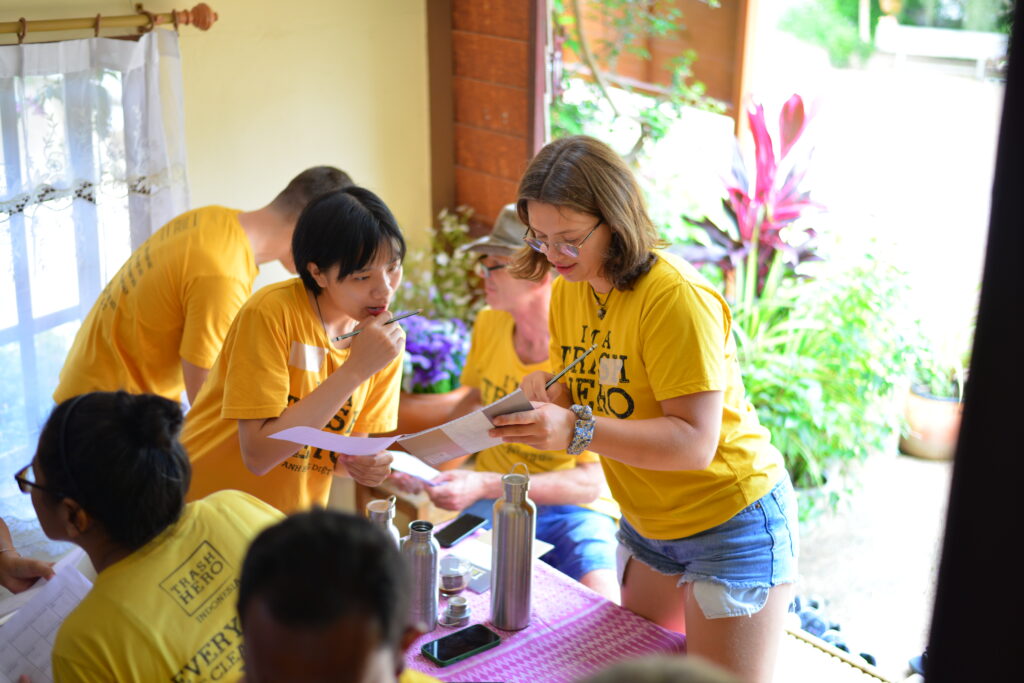
Throughout each weekend, we provided leadership training, information about the importance of zero waste and how to share their knowledge with others at their cleanups. There was the chance to develop skills, such as training their regular volunteers and building their core team. One of the workshops that received the best feedback was the opportunity to develop a strategy for their chapters, examine their goals and dreams for their community with regards to waste, and create a plan that will see these come to life.
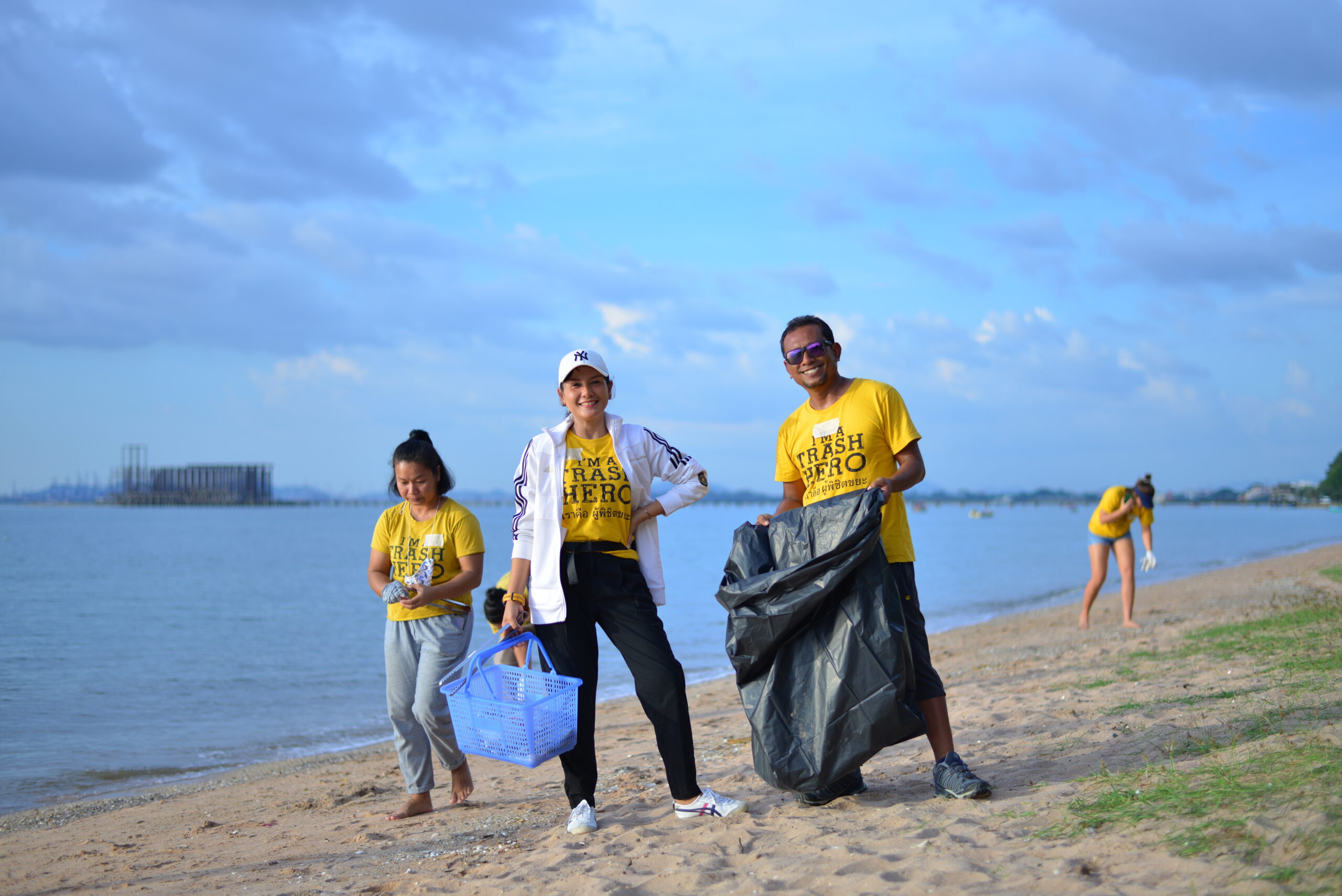
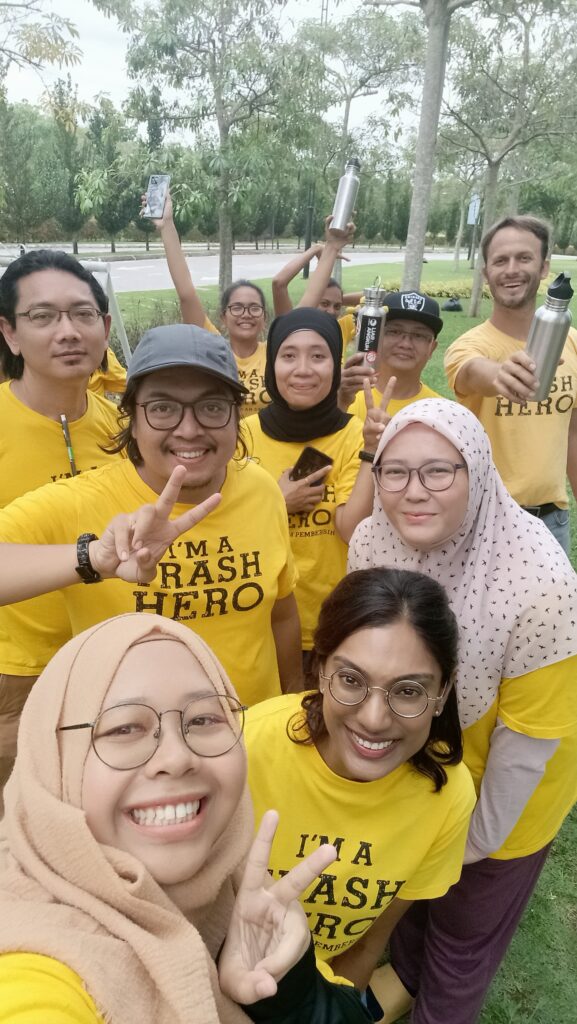
There were also team-building activities, the opportunity for discussions and feedback and – of course – a cleanup!
The feedback we received from participants was fantastic, and, as always, we can’t wait to see everyone again next year!
Find the full details for each location below
Trash Hero Indonesia Family Meeting
Date: 14-16 October 2022
Location: Bali, Indonesia
Participants: 67
Chapters: 36
Trash Hero Thailand Family Meeting
Date: 28-30 October 2022
Location: Pattaya, Thailand
Participants: 23
Chapters: 9
Thank you to the CFLI for their generous contribution towards this event
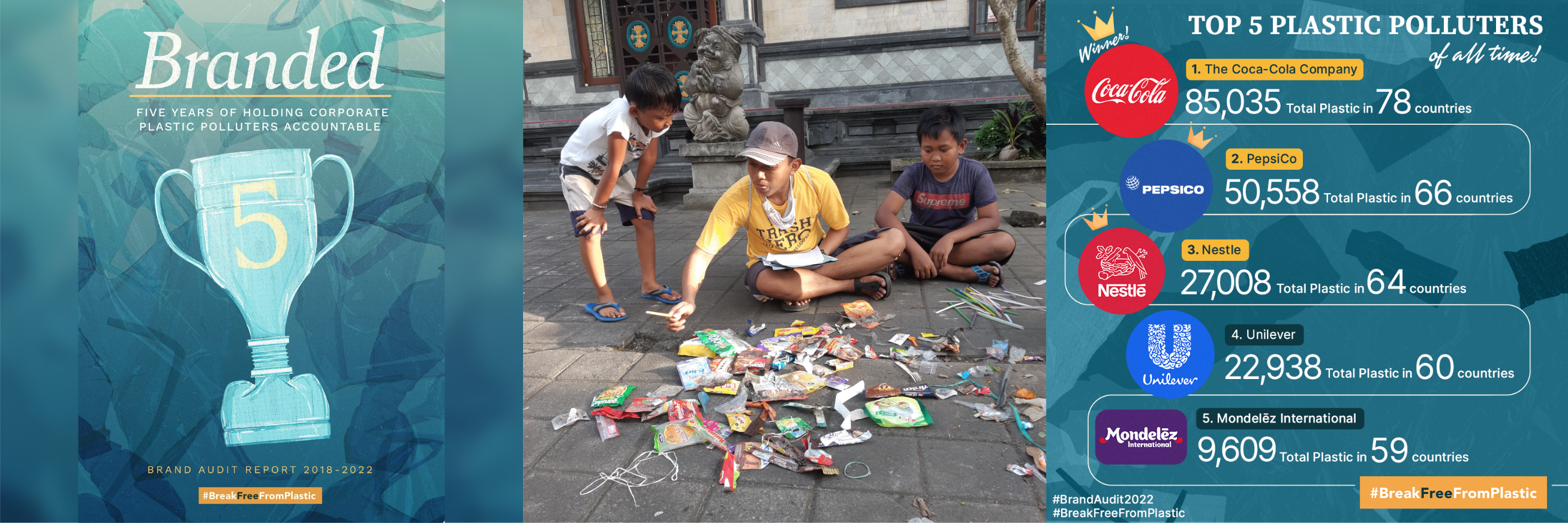
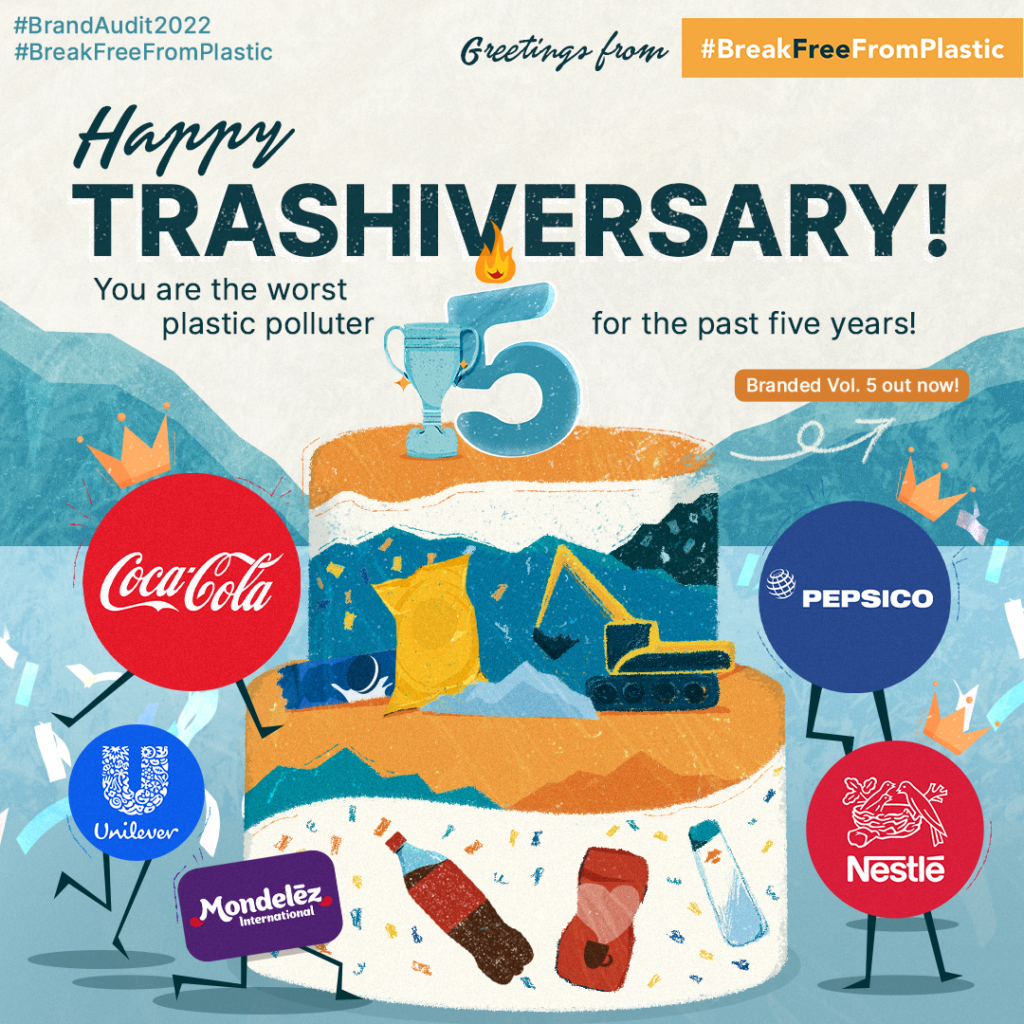
In November, Break Free From Plastic released their 5th annual Brand Audit report. As well as documenting which companies are responsible for the majority of plastic counted this year, it analyses which corporations have been responsible for the majority of plastic pollution for five consecutive years.
The 2022 report consisted of 397 brand audits on six continents; 14,760 volunteers participated, counting and auditing 429,994 pieces of plastic from 4,645 parent companies.
The reports found that these companies were the top polluters for 2022!
The Coca-Cola Company
PepsiCo
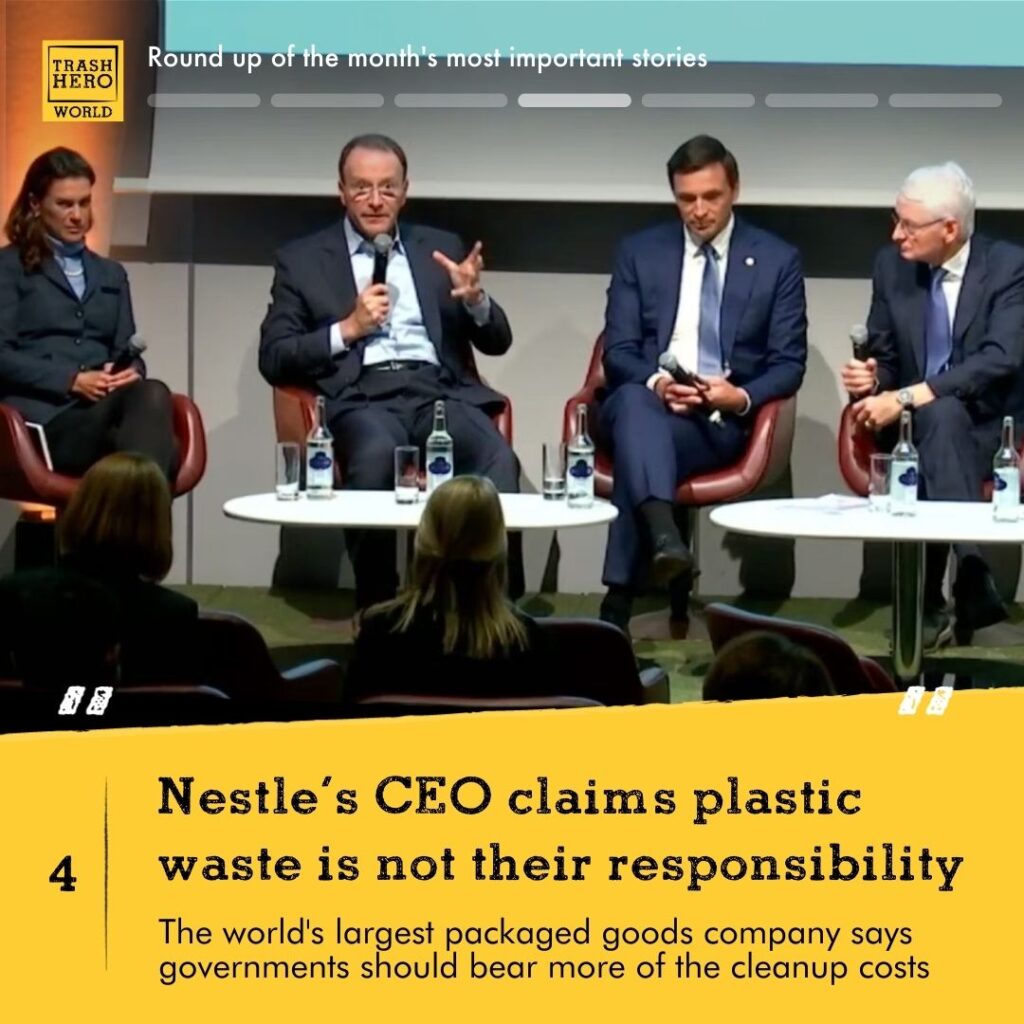
Nestlé
Mondelēz International
Unilever
Procter & Gamble
Mars, Inc.
Philip Morris International
Danone
Colgate-Palmolive
Trash Hero contributed significantly to these findings. We submitted 30% (120) of the brand audits used in the report, 6.8% (29,504) of the plastics counted, and 18.2% (2,968) of volunteers that took part were Trash Heroes!
As this is the fifth annual brand audit report, Break Free From Plastic took the opportunity to analyse longitudinal data trends from the five years of data they have collected. They found that Coca-Cola, Nestle and Pepsico have consistently been the top single-use plastic polluters over that time.
Coca-cola has been the worst plastic polluter by a significant lead, with the amount of Coca-Cola branded plastic increasing each year! According to the report, they accounted for 31,000 pieces of plastic collected during the brand audits – representing a 61% increase since 2021! This is unsurprising as a recent report found that their plastic production has increased by nearly 10%!
Break Free From plastic members submitted data from this report at the first annual INC meeting – a meeting of UNEA member governments to discuss the global plastic treaty. This crucial meeting started the negotiation process for the treaty’s terms and included representatives from the plastics industry and civil society groups. The information from the report highlights the need for large corporations to take responsibility for their role in plastic pollution, and it shows that the only way to reduce plastic pollution is to reduce the production of plastic.
We are so proud to be part of such an important movement and play a role in influencing policies that will address the plastics crisis. We want to say a massive thank you to all of the Trash Hero volunteers who have contributed to this data over the years. We have been collecting data for this project since it began, and seeing it be part of such an important event makes the hard world worthwhile.
Thank you to Break Free From Plastic for analysing all the data and representing our views at the INC1 this week.
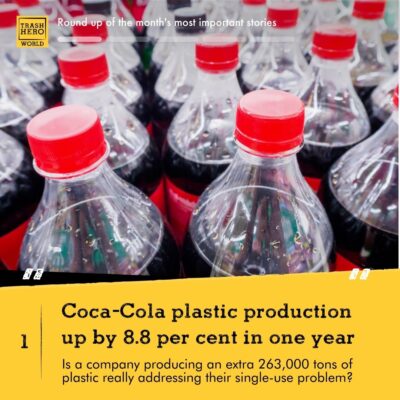
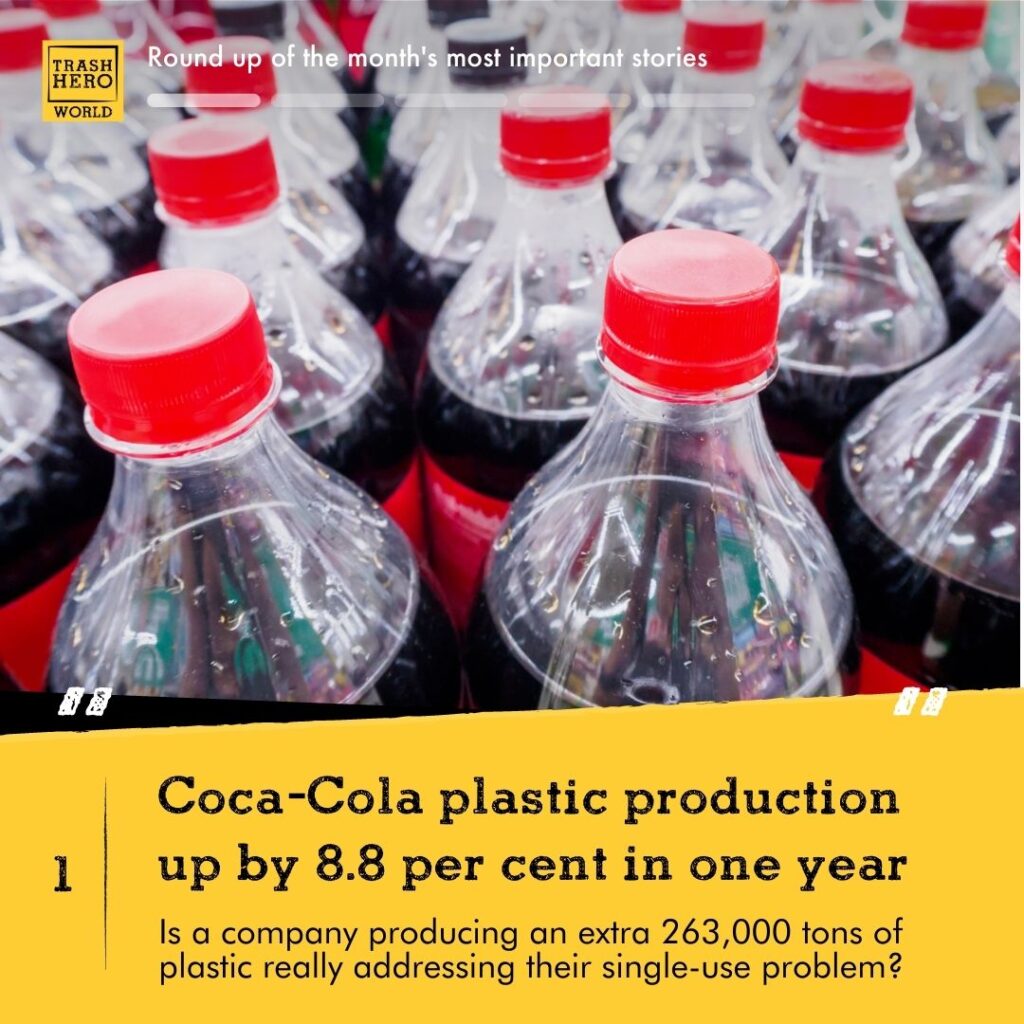
Coca-Cola plastic production up by 8.8% in one year
Coca-Cola claims to be addressing their plastic problem, but last year they produced an extra 236,000 tons of single-use packaging! Is this to be expected? Or are they taking greenwashing to the next level? Read the full story here
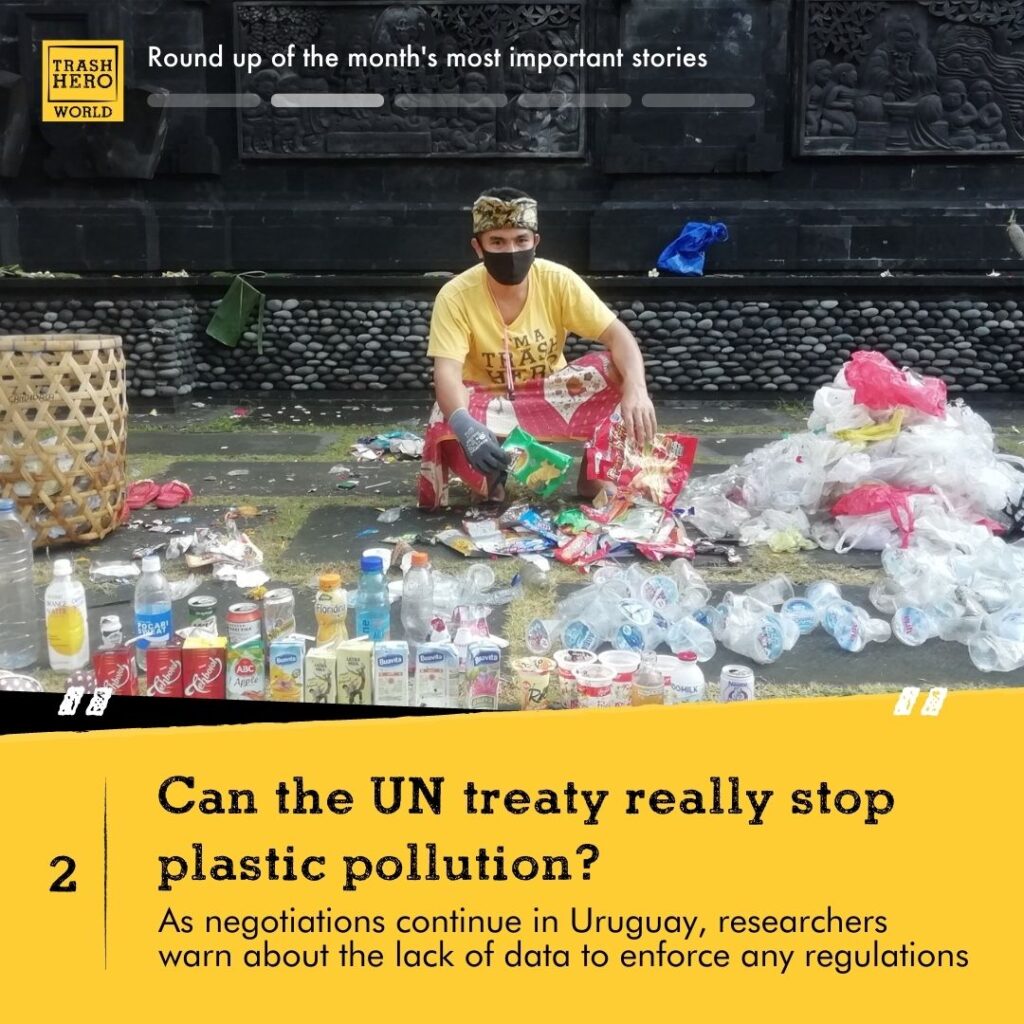
Can the UN treaty really stop plastic pollution?
Discussions about the global plastics treaty have begun at a UN summit in Uruguay. However, researchers warn that a lack of data will make implementing any regulations difficult. Do you think the treaty will work?
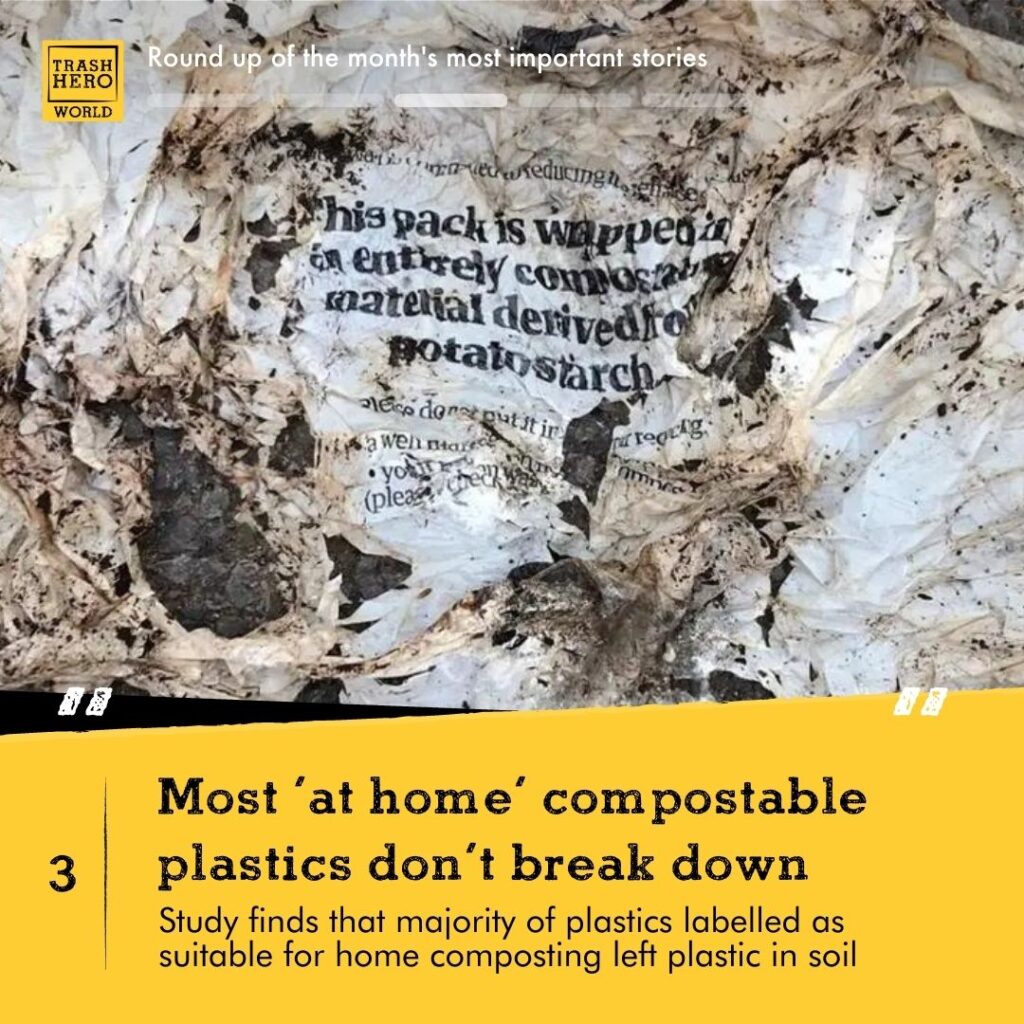
Most “home compostable” plastics don’t break down
A new study has found that plastics advertised as “home compostable” don’t in fact break down! They leave plastic scraps which pollute soil and could end up in the food chain. Have you tried to put any of these in your compost bin?
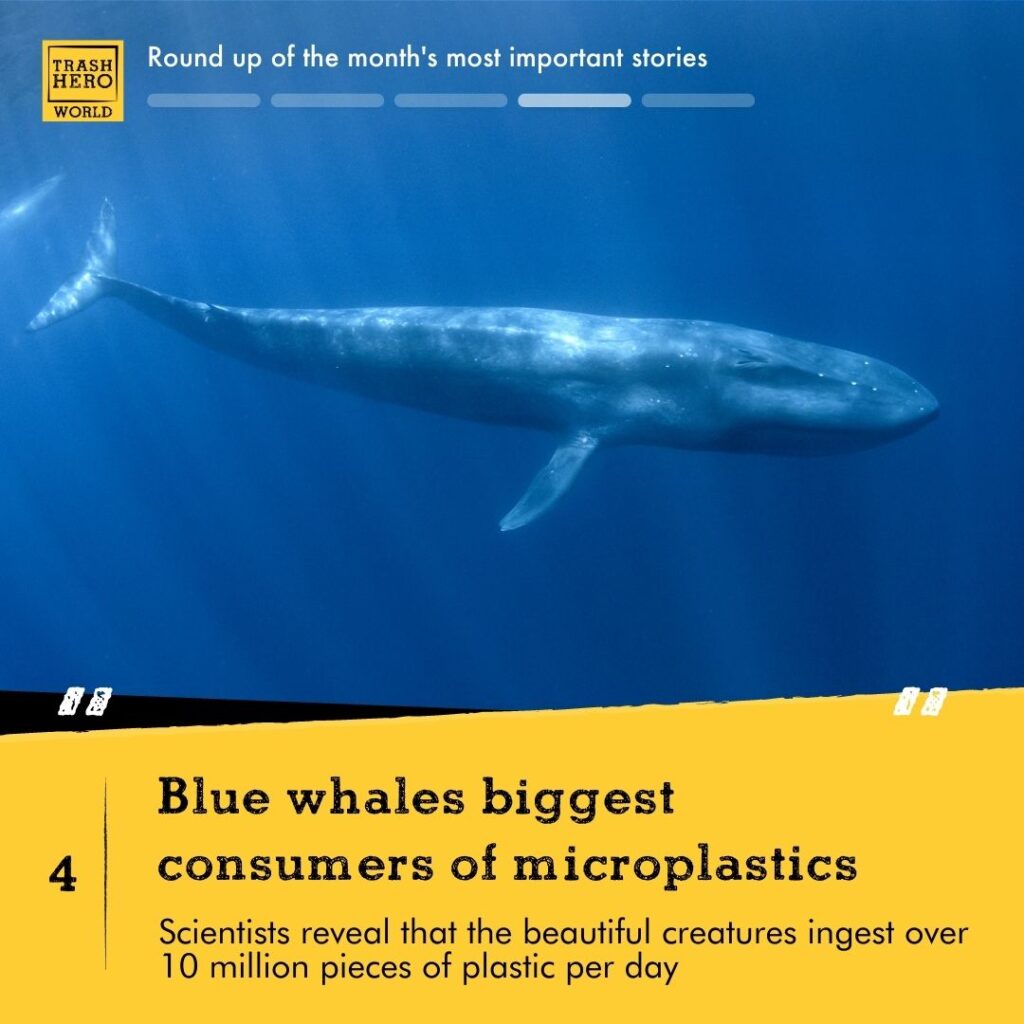
Blue whales biggest consumers of microplastics
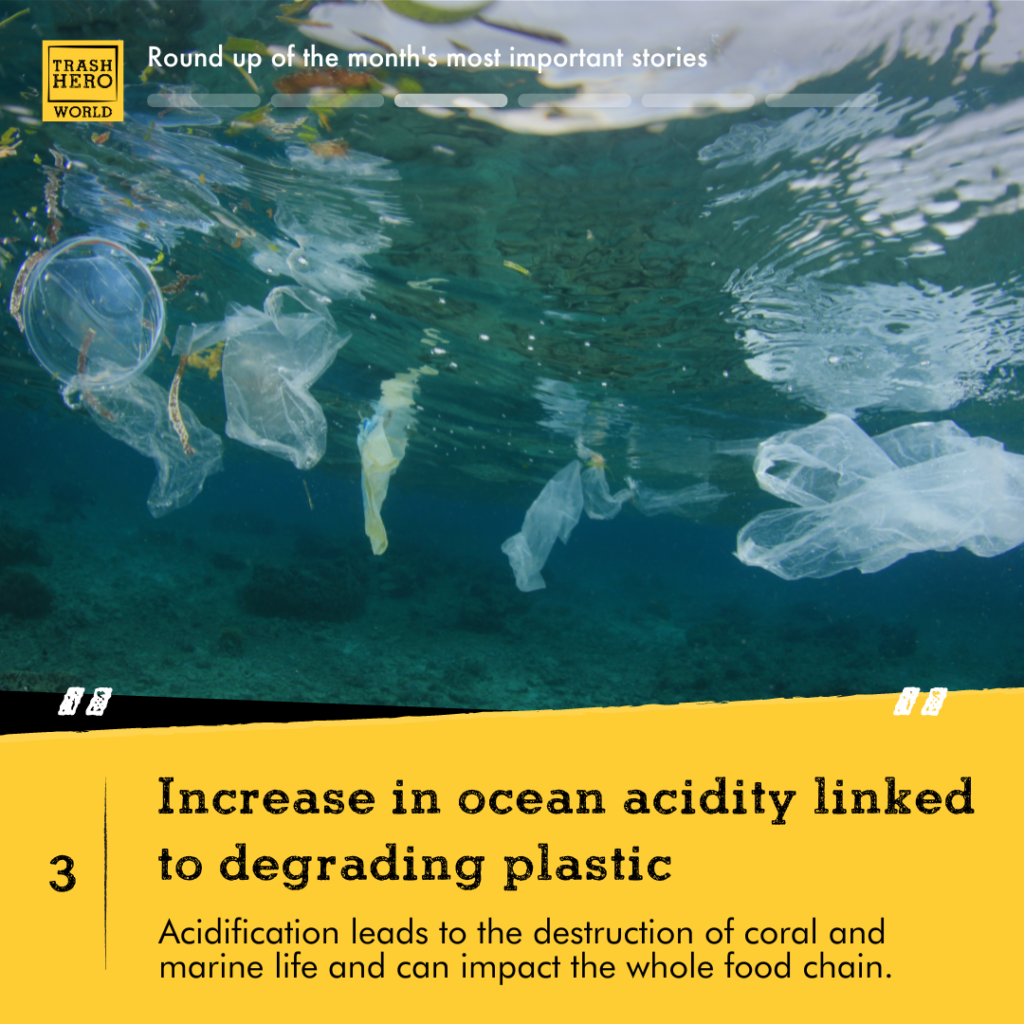
Blue whales – the largest animal on the planet – consume over 10 million pieces of plastic daily. They are filter feeders, and dense plastic pollution in the water column means their intake is massive. How can we protect these beautiful creatures?
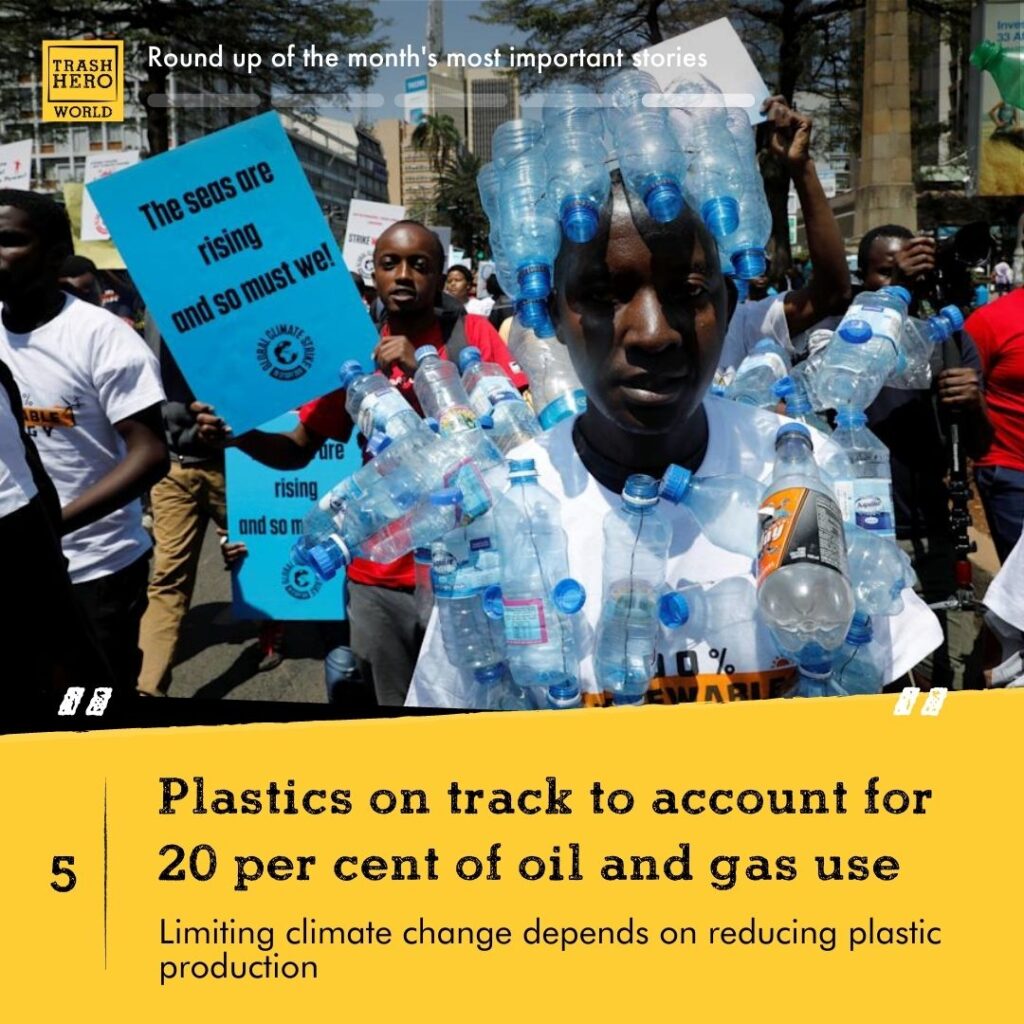
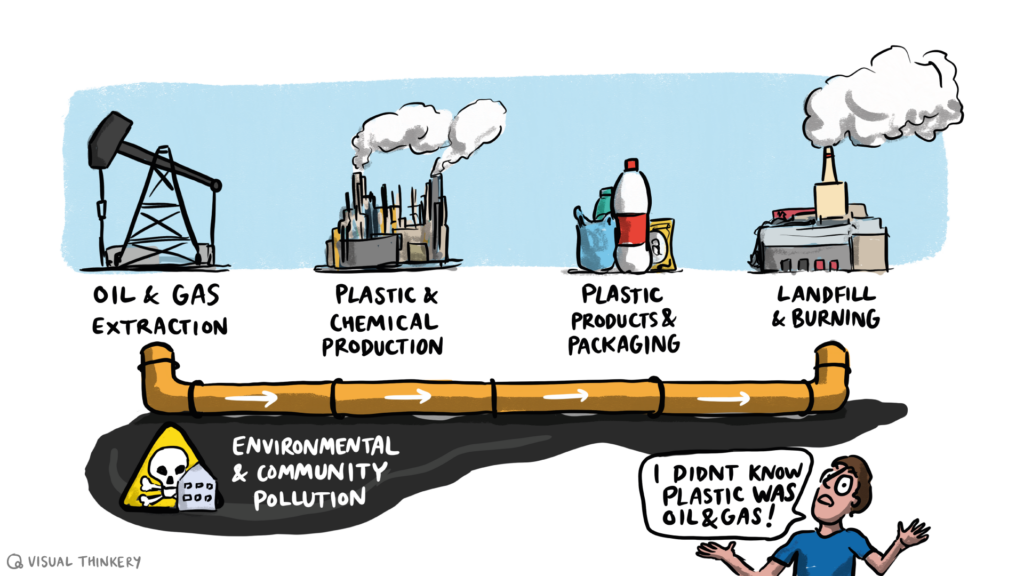
Plastics on track to account for 20% of oil and gas
At current levels of production, the plastics industry will account for 20% of oil and gas use by 2050, making it impossible to keep global warming below the 1.5C target. Reducing the production of plastic is one of the only ways we can limit climate change. How can this be made a priority?
What do you think about these stories? Let us know in the comments!
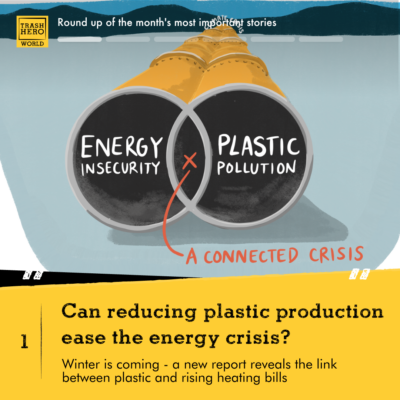
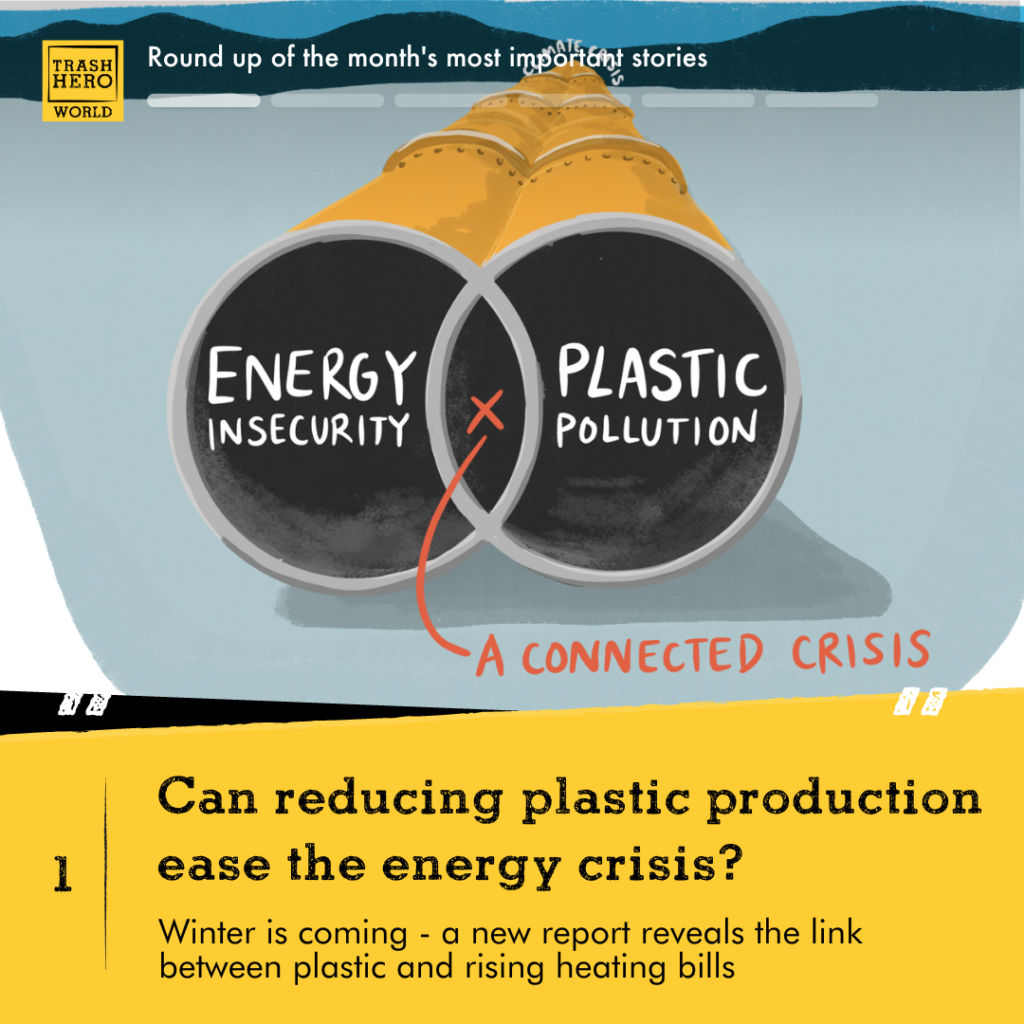
A fascinating new report, ‘Winter is coming’ by Break Free From Plastic and CIEL, explores how the ongoing fuel crisis is linked to the plastics industry.
The Russian invasion of Ukraine in February 2022 has affected energy supplies and, consequently, prices worldwide. This is especially true for European countries that rely on Russia for oil and gas – in 2020, Russia supplied 38% of the EU’s gas and 22% of their oil. By August 2022, it became clear to the EU that they were facing a severe energy crisis and limited supplies of oil and gas meant that prices continued to soar. There have been warnings of power cuts lasting up to 3 hours to try and save energy, and millions of people are concerned about how they can afford to stay warm over what could be a freezing winter.
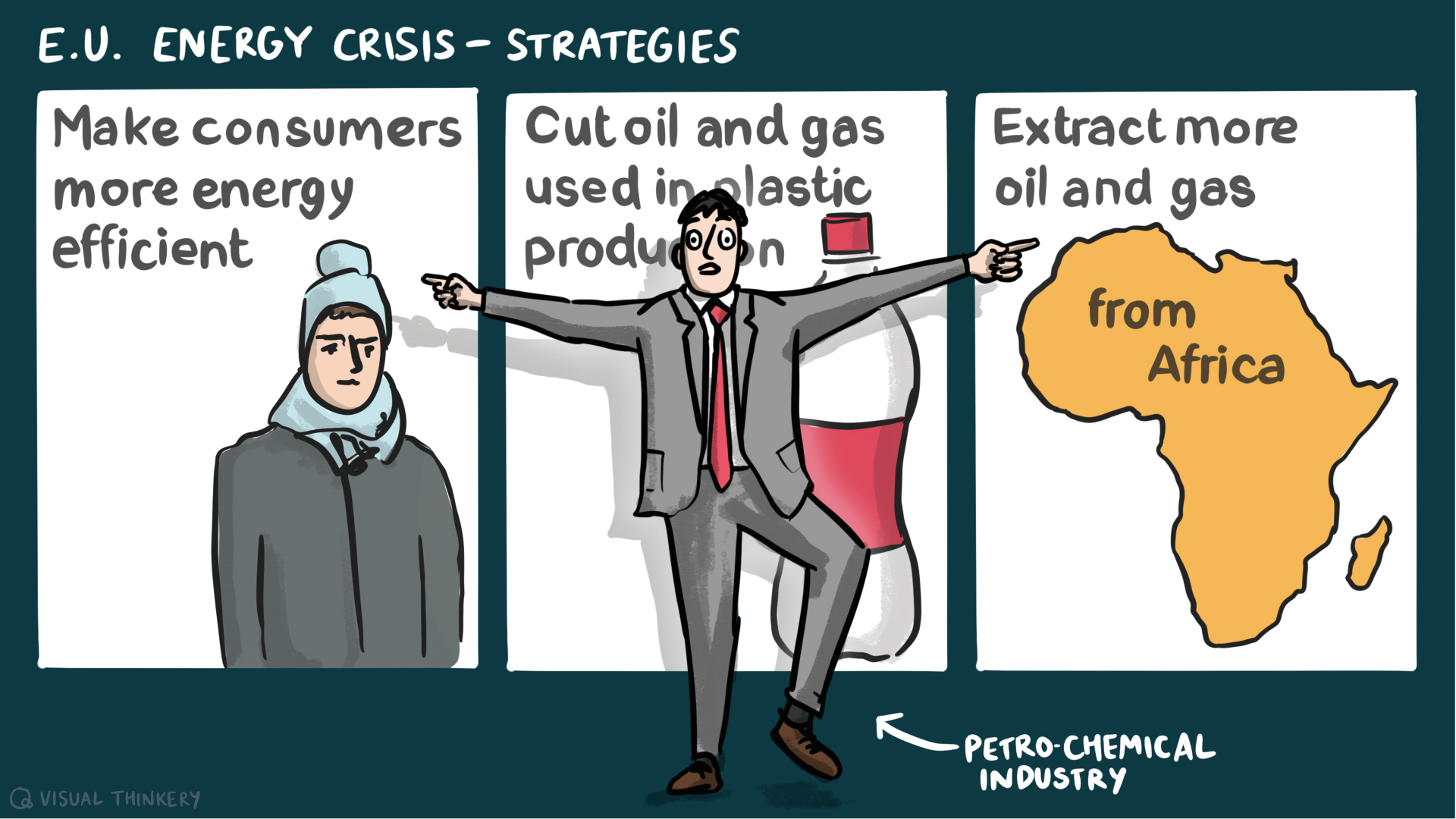
In response to these concerns, the EU set a target for all member countries to reduce their energy consumption by 15% by 31 March 2023. To help achieve this, governments have been advising consumers about how they can reduce their energy use. For example, Germany recommended that its citizens take cold showers and limit the use of their heating. However, industrial use of oil and gas continues unabated, with no government advice or restrictions to date.
So how does this relate to plastic?
Currently, the plastics industry is the largest consumer of oil and gas in the EU, accounting for 8% and 9% of the EU’s final consumption in 2020, respectively [efn_note]Page 4, ‘Winter is Coming‘ [/efn_note] . It overshadows any other industry, including steel, automobile manufacturing, machinery, food, and beverages. Within the plastics industry in the EU, over 40% of end-market plastics produced are instant waste – single-use plastic packaging.
The EU and its member states have been leaders in tackling the plastics crisis. In 2018 the EU released its Plastics Strategy, which aims to ‘transform the way plastic products are designed, produced, used and recycled’ and is described as ‘a key element of Europe’s transition to a circular economy’ [efn_note]European Commission Plastics Strategy [/efn_note] . In 2019 they announced the Single Use Plastics Directive that set a collection target of 90% for recycling single-use plastic bottles by 2029. [efn_note] European Commision Single Use Plastics Directive [/efn_note] This leadership was particularly evident at the United Nations Environment Assembly (UNEA) in March 2022, when there was a historic advance in negotiations for a global agreement to tackle plastic pollution.
Despite all that the EU has tried to do to reduce plastic pollution, there has been no mention of placing a cap on the production of unnecessary plastic or restricting the activity of the petrochemical industry. This, despite their significant contribution to climate change and their continuing depletion of precious oil and gas reserves.
The report found that if plastic packaging was reduced by 50% and the target of 90% recycling was achieved, this would lead to a reduction of 6.2 billion cubic metres (bcm) of fossil gas and 8.7 million tonnes of oil at the EU level compared to 2020. These figures are equivalent to the oil and gas consumption of the entire Czech Republic in 2020.[efn_note] Page 5 ‘Winter is Coming‘[/efn_note]
The report concludes that, rather than seeking new trade deals for fossil fuels, this situation presents the EU with a unique opportunity to address the energy, climate and plastic crisis. Immediate and drastic action should be taken to reduce the production of unnecessary and excessive virgin plastic by implementing the Plastics Strategy from 2018 and the Single Use Plastics Directive from 2019. In turn, this would significantly reduce greenhouse emissions, reduce plastic pollution and free up the limited energy supplies. The oil and gas that would have been used to produce plastic could instead supply millions of people with reliable and more affordable energy over the winter.
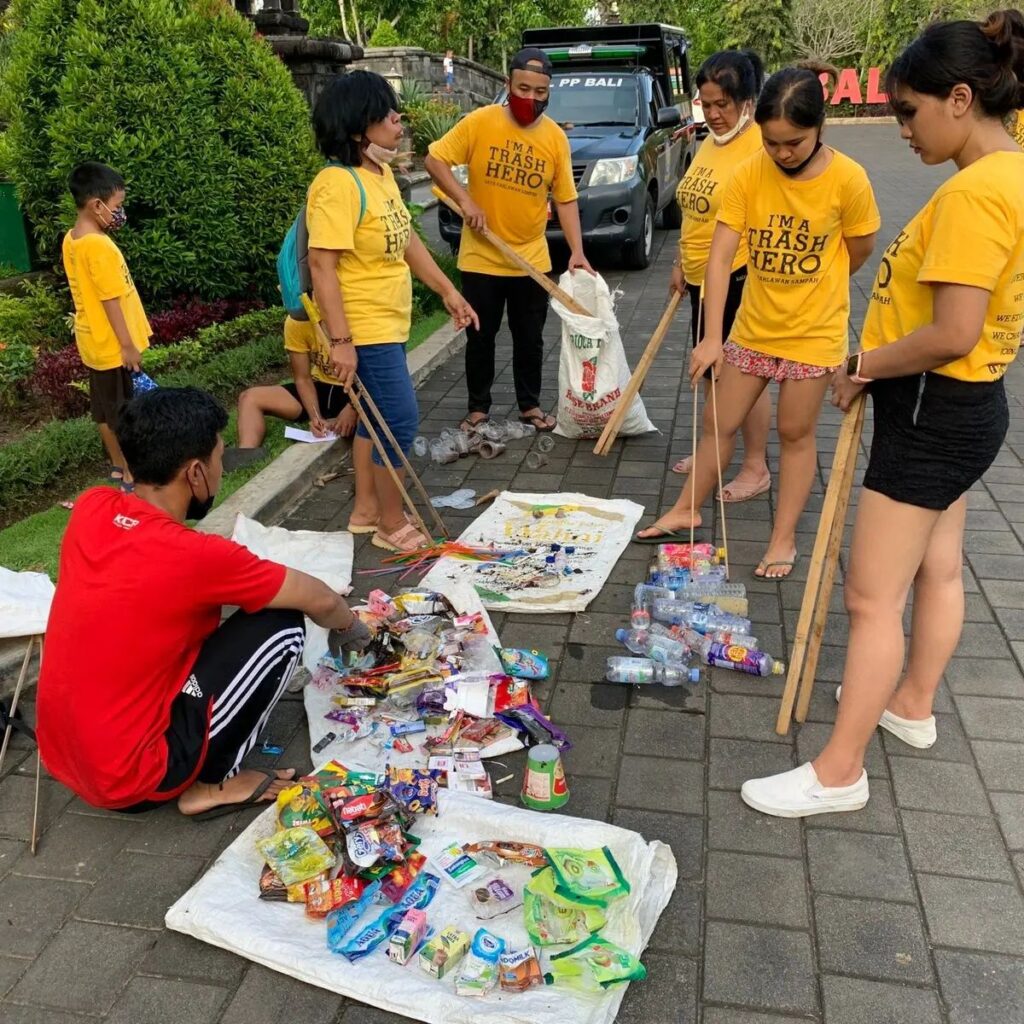
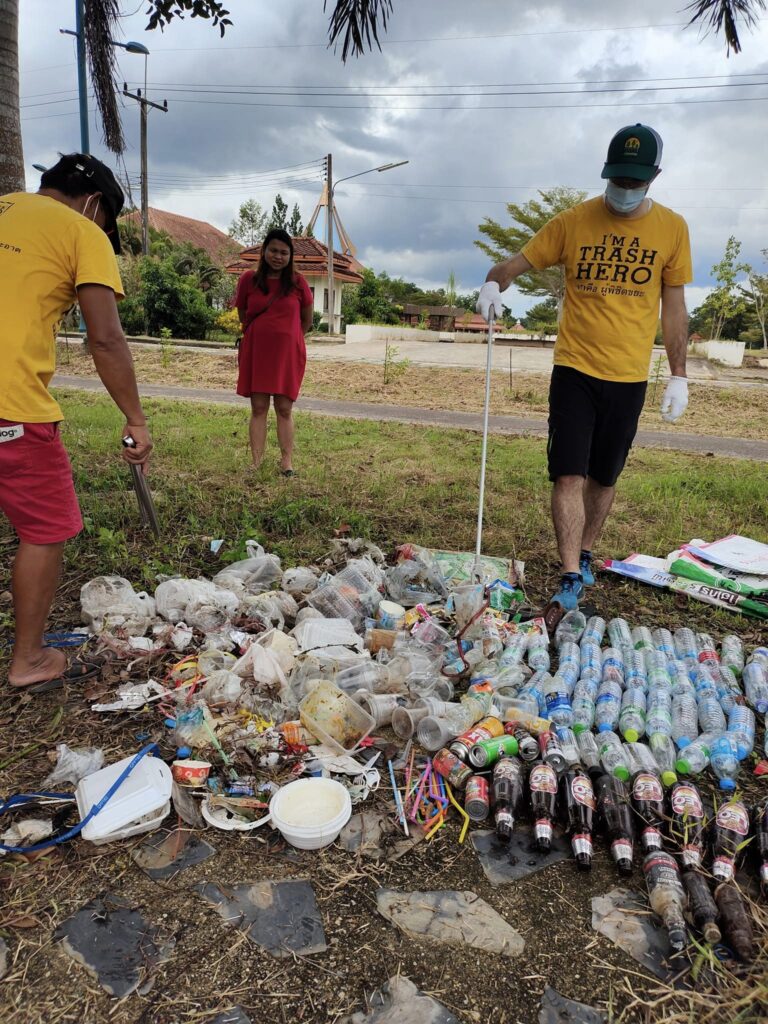
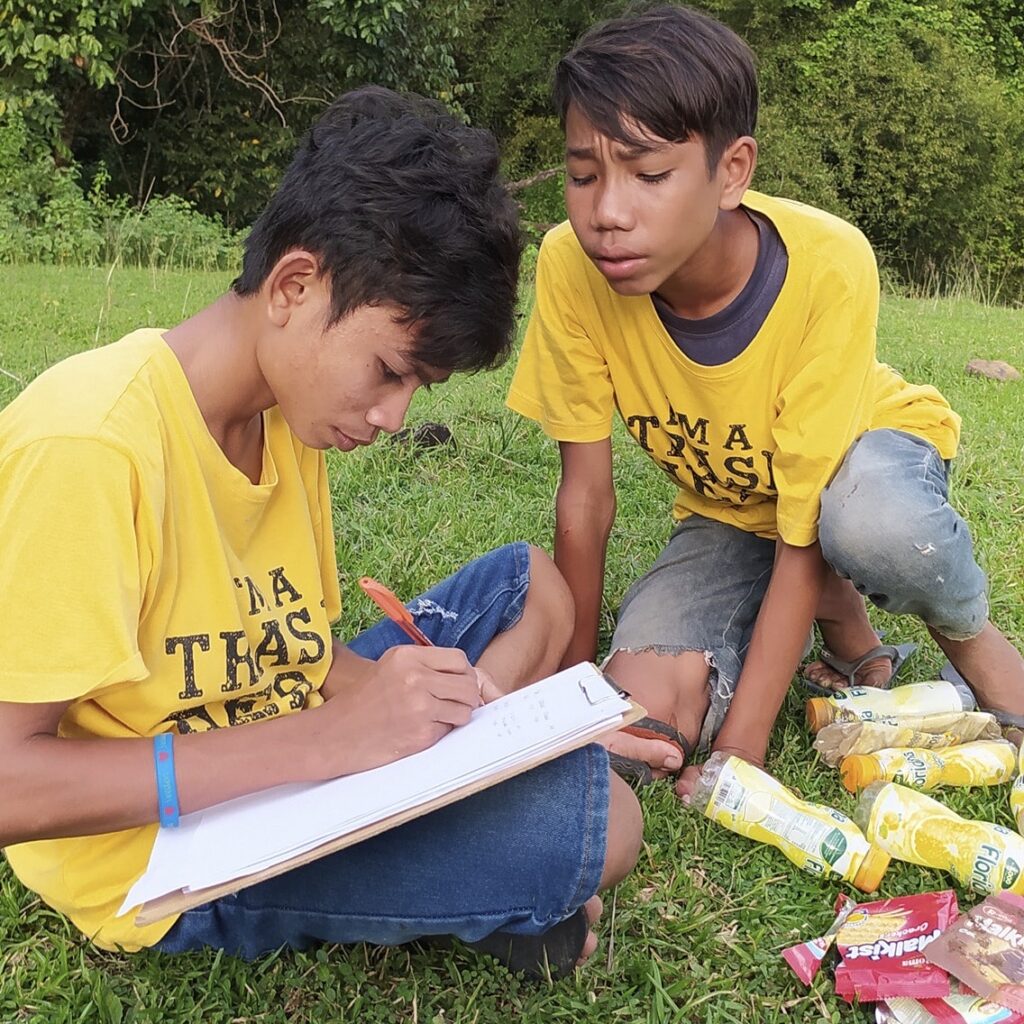
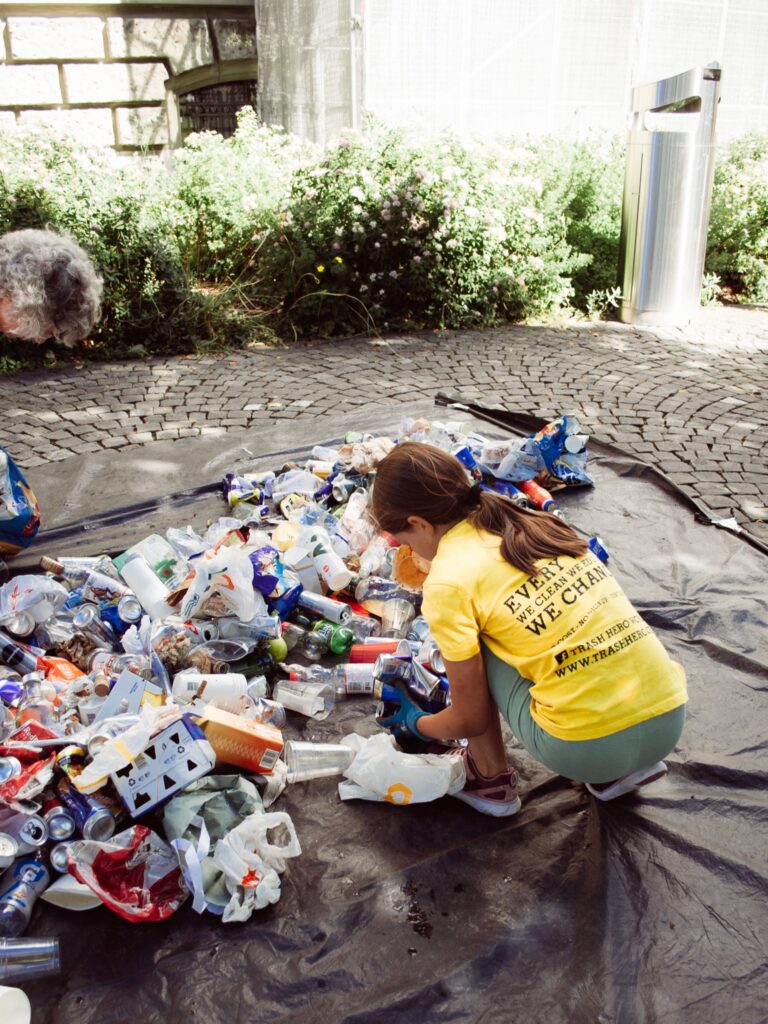
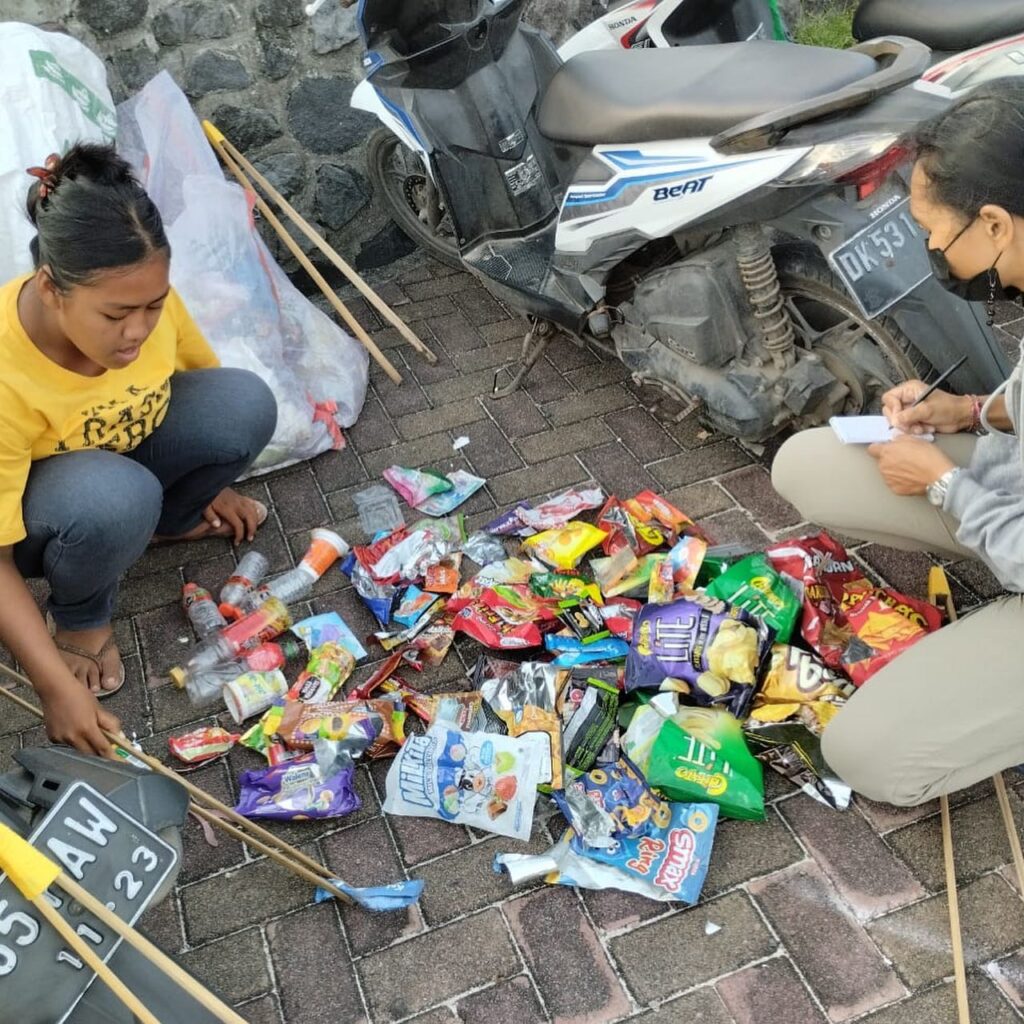
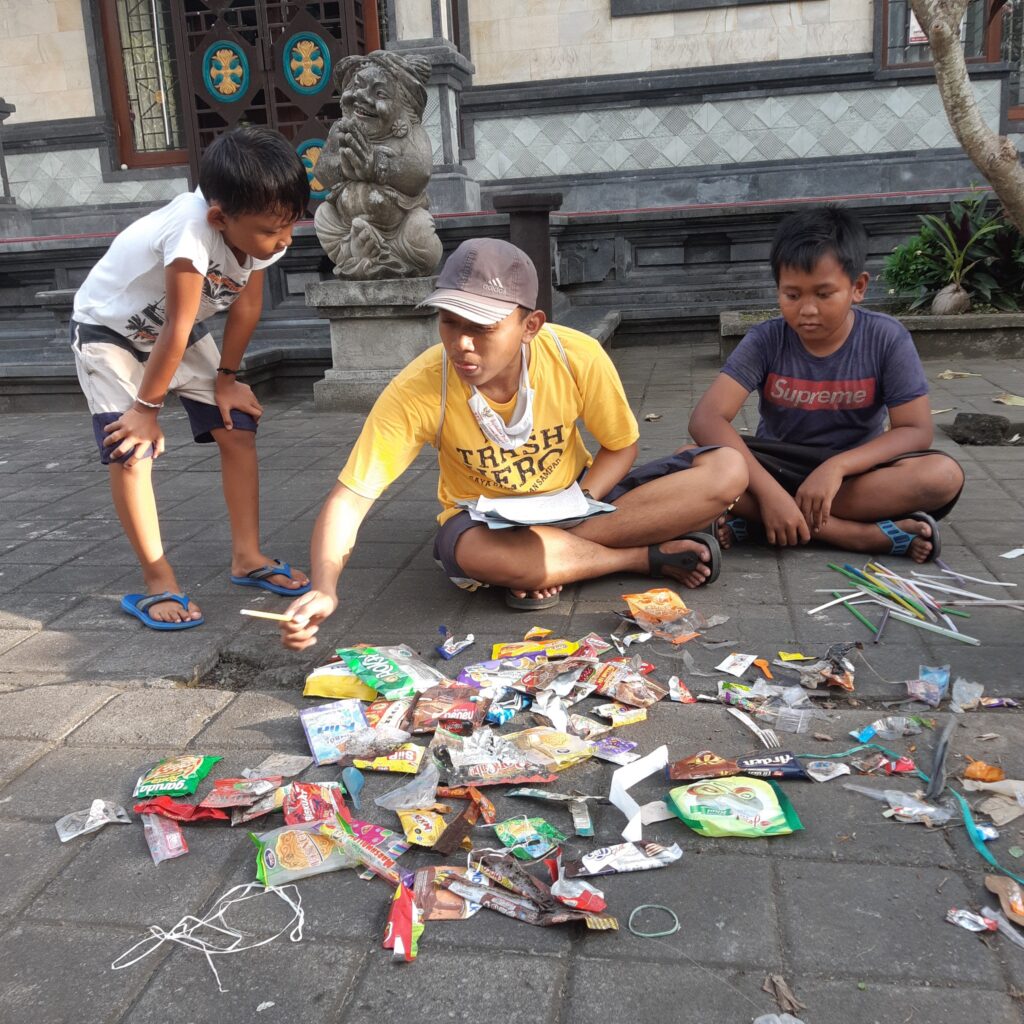
At the end of September, we concluded our brand audit data collection for the year. This year we conducted 120 Brand Audits! These were completed by 57 chapters in 6 countries – Indonesia, Malaysia, Thailand, Switzerland, Poland and Georgia. There were 1,620 volunteers that took part and they recorded 29,504 pieces of plastic.
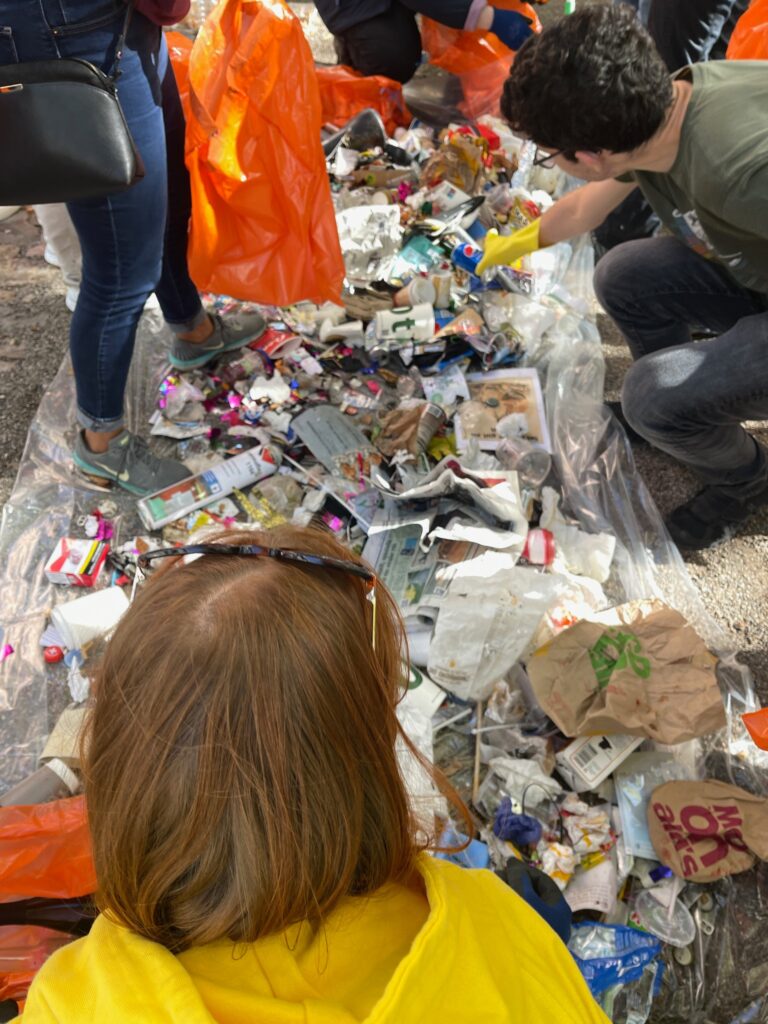
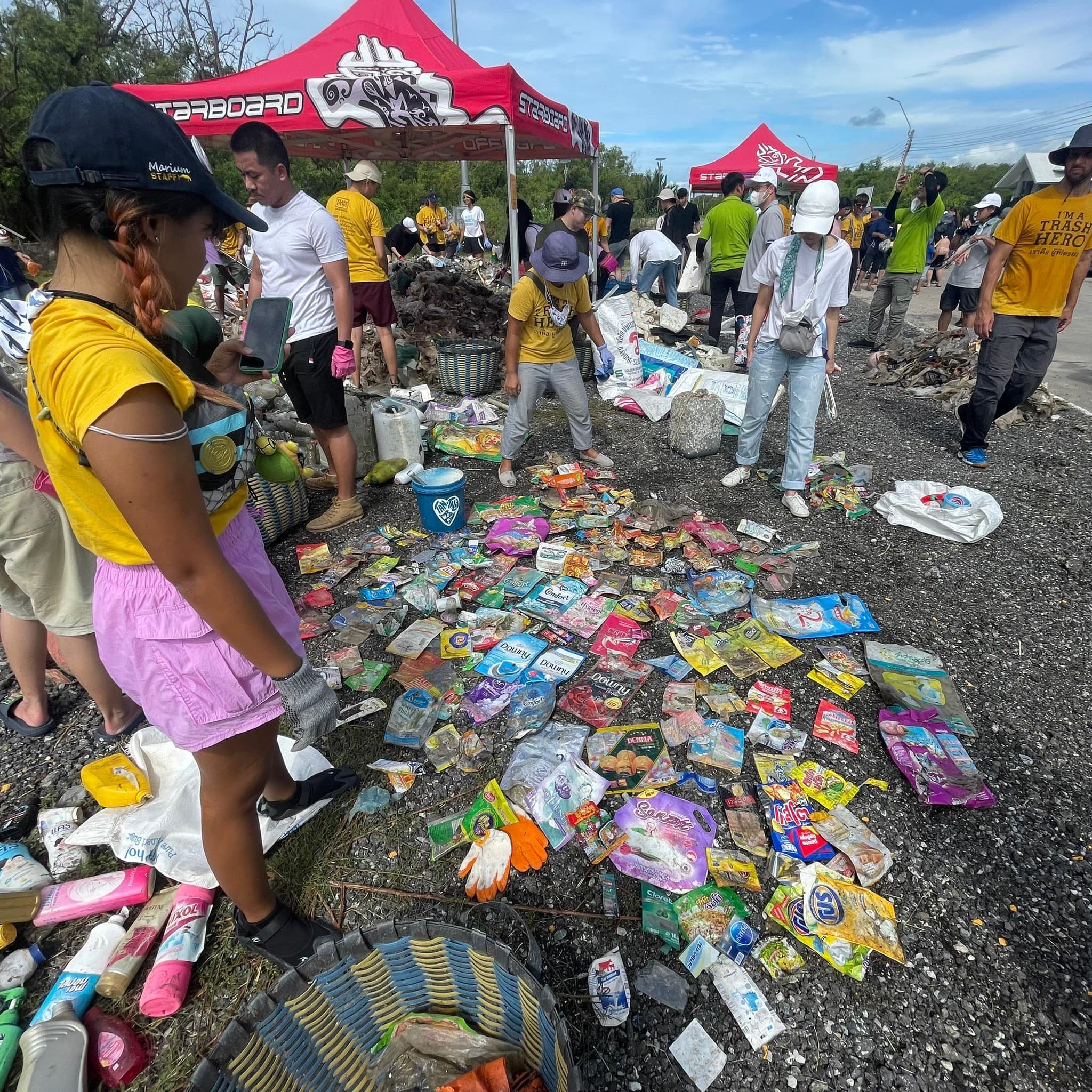
A brand audit categorises the plastic we collect at cleanups (food packaging, household products, personal care, smoking materials) and, most importantly, records the name of the parent company that manufactured it. We share this data with Break Free From Plastic, who use it as part of their annual Brand Audit Report.
Break Free From Plastic released its first annual Brand Audit Report in 2018 to identify and hold the top plastic polluters accountable. The globally collected data can be used as evidence to push large corporations to take responsibility for the waste that they create. It drives a movement towards systemic change and a zero waste economy and generates pressure to create real solutions to the plastics crisis.
The 2021 report named The Coca-Cola Company, PepsiCo, Unilever, Nestlé, Procter & Gamble, Mondelēz International, Philip Morris International, Danone, Mars, Inc., and Colgate-Palmolive as the top plastic polluting companies. Coca-cola, PepsiCo, Unilever and Nestle have been in the top five since the reports began.
We want to say a huge thank you to all the Trash Hero chapters and volunteers who took the time to conduct a brand audit. Trash Hero has been one of the top contributors to Brand Audit data collection for the last five years and we couldn’t do it without the incredible commitment of our Trash Hero volunteers.
The full report will be released later in the year. Who do you think will be named the top plastic polluters? Let us know in the comments!
This website uses cookies to improve your experience. We'll assume you're ok with this, but you can opt-out if you wish. Cookie settingsACCEPT
Privacy & Cookies Policy
Privacy Overview
This website uses cookies to improve your experience while you navigate through the website. Out of these cookies, the cookies that are categorized as necessary are stored on your browser as they are as essential for the working of basic functionalities of the website. We also use third-party cookies that help us analyze and understand how you use this website. These cookies will be stored in your browser only with your consent. You also have the option to opt-out of these cookies. But opting out of some of these cookies may have an effect on your browsing experience.
Necessary cookies are absolutely essential for the website to function properly. This category only includes cookies that ensures basic functionalities and security features of the website. These cookies do not store any personal information.