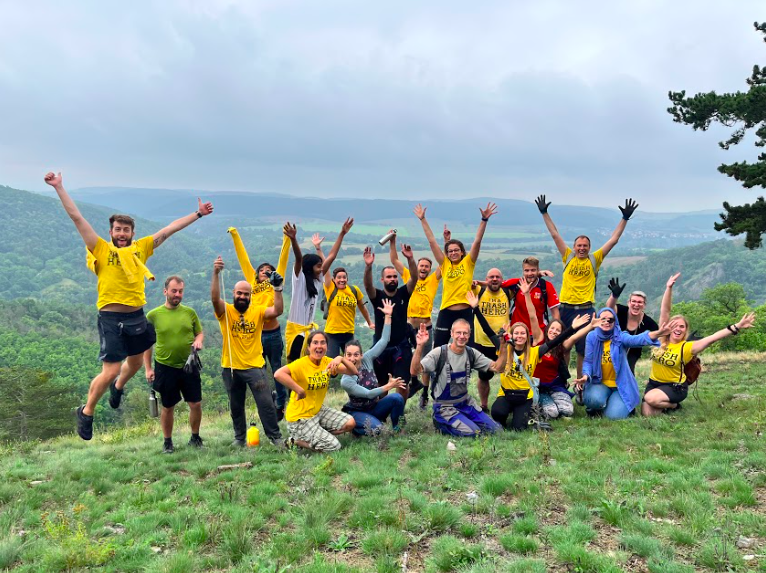
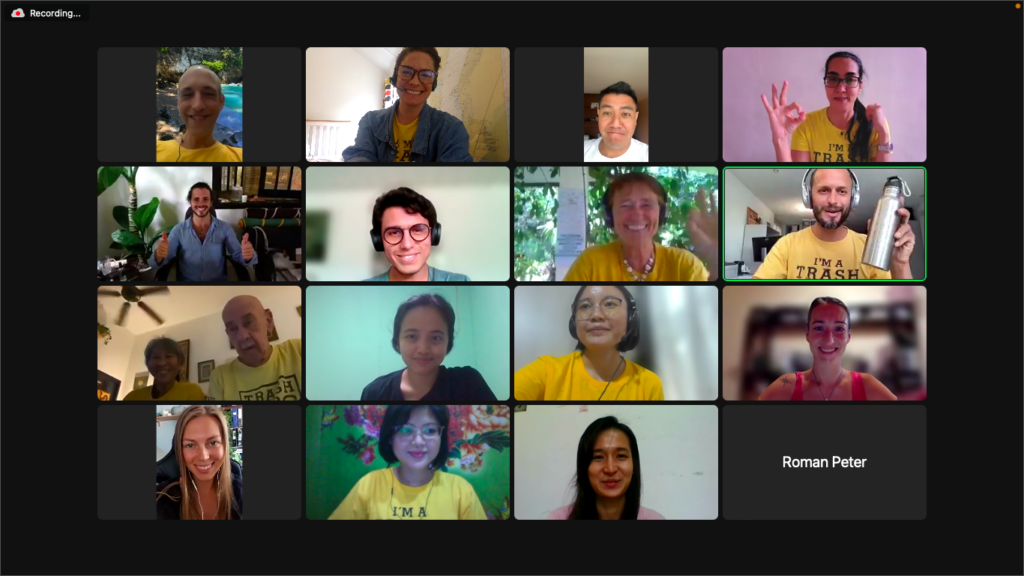
In August, Trash Hero held its first ever Family Meeting in Europe, in Svaty Jan Pod Skalou – a beautiful little village just outside of Prague, Czech Republic. It was attended by 26 participants from 11 chapters in 5 different countries – Switzerland, Serbia, Kuwait, Czech Republic and Poland!
The weekend was kindly hosted by the Trash Hero Czech Republic team who did an amazing job of finding a unique location and organising activities that helped the participants bond whilst connecting with nature.
Family Meetings are volunteer training and team-building events that are held in our major countries of operation. At the meetings, we celebrate chapters’ achievements and share knowledge on a range of topics that benefit Trash Hero chapters and their wider communities. This includes zero waste training, brand audit training and much more.
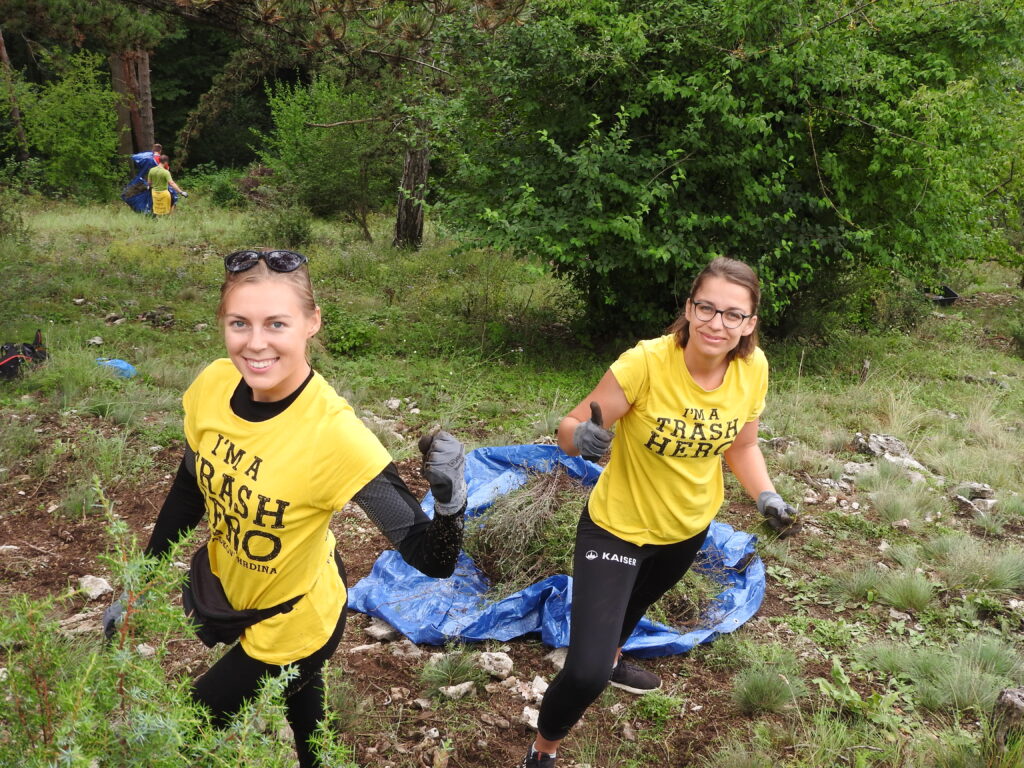
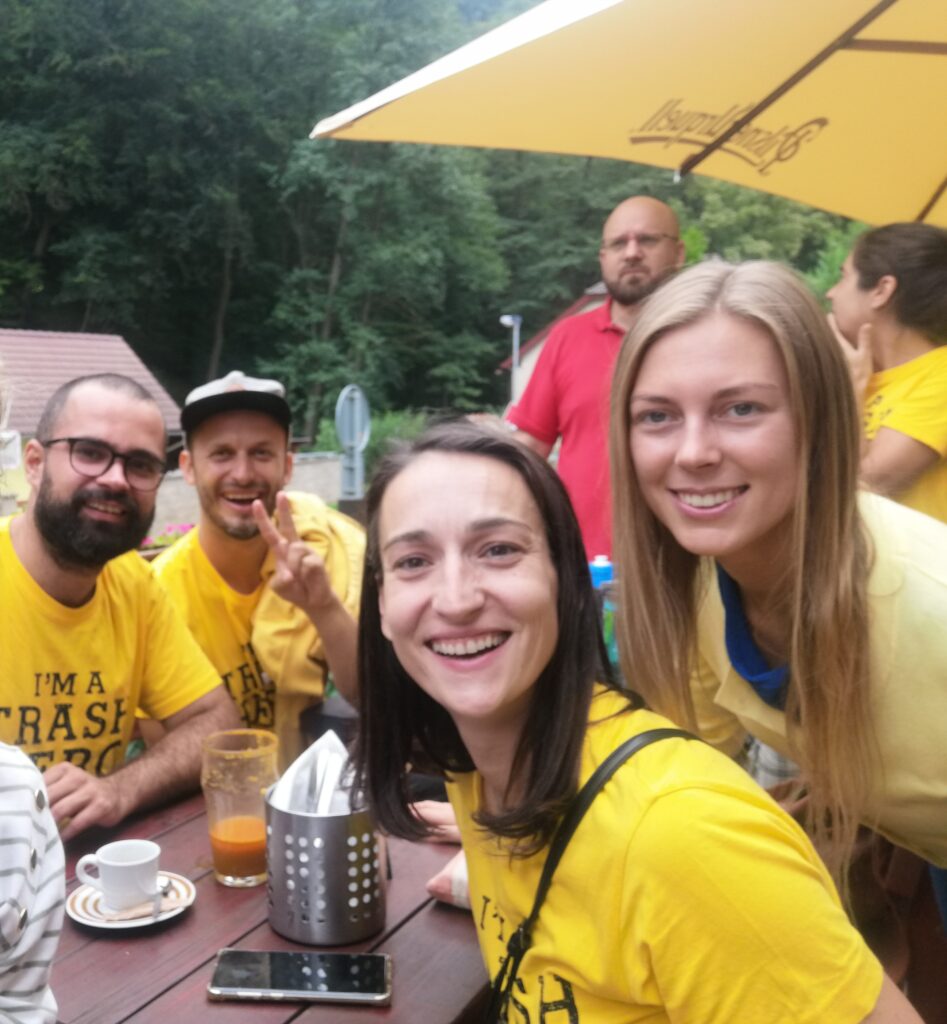
We also had space for informal discussions and fun activities such as cooking together and volunteering at a local nature reserve. These resulted in some lively discussions, lots of laughter and some great memories being made.
Over the course of the three days in the Czech Republic, we had presentations and activities that centred on motivation, leadership skills, the big picture of waste and community outreach..
As the first event of its kind in Europe, for many of our volunteers, it was the first time meeting other Trash Heroes in person! This provided a fantastic opportunity for these Trash Hero volunteers to build friendships and support systems – something that is vital in the work that we do. It’s particularly important for those volunteers in countries with fewer Trash Hero chapters to remember they are not alone in what they do.
I personally found my motivation again after the Trash Hero family meeting and [am] looking forward to the next time. I was really demotivated and now, we start again with new power
Sibil, Trash Hero Winterthur
We continue to support all our Trash Hero chapter leaders with regular global calls and workshops – although nothing quite matches the energy of in-person meetings and we can’t wait for the next one next year!
On 10 July 2022, the influential US non-profit organisation, Ocean Conservancy, issued a formal apology to more than 700 organisations for the damage their report, ‘Stemming the Tide’, has caused since it was released in 2015. In addition, they rescinded the report, removing it from their website and have ceased all promotion of and reference to it.
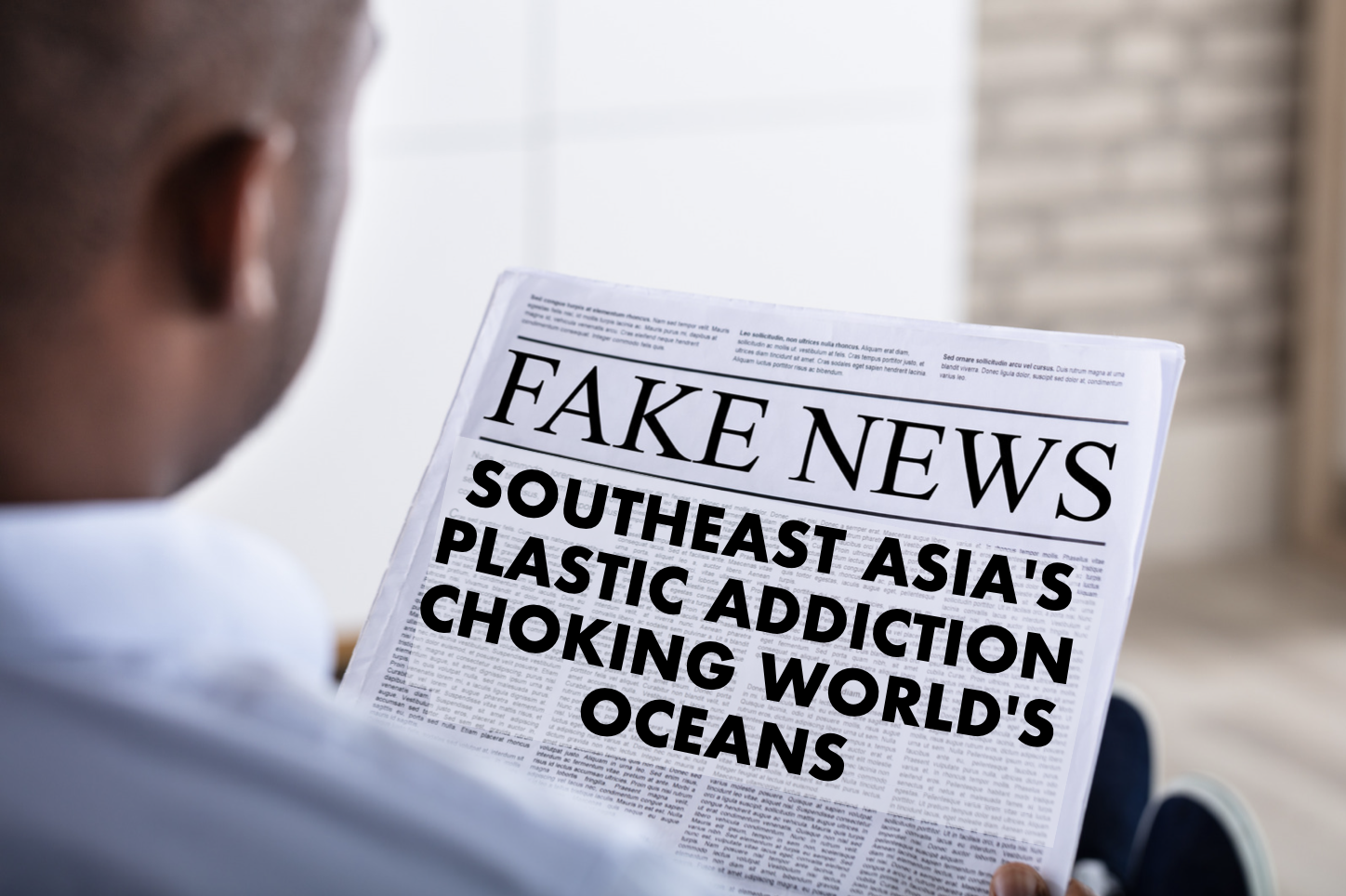
The prominent and oft-cited report claimed that the majority of plastic entering the ocean came from a small geographical area in East and Southeast Asia. It named five Asian countries (China, the Philippines, Indonesia, Vietnam and Thailand) as those responsible for more than half of the plastic polluting the world’s oceans. It created a damaging narrative that would influence the response to the plastic pollution crisis for years to come.
The report presented a flawed analysis of the problem – focusing on reducing ‘leakage’ rather than reducing production. It ultimately failed to recognise the sizeable contribution of wealthier, more developed countries to the ongoing plastic crisis, as well as promoting incineration and other false solutions
For decades, countries in the Global North have overproduced plastic and promoted recycling, rather than reduction, as a long-term solution. Sadly, “recycling” systemically involves large quantities of waste being exported to developing countries for processing, putting immense pressure on waste management systems that are already struggling. The report failed to recognise this practice and its impact, instead creating a narrative that Asian countries were responsible for the crisis. This enabled the Global North and plastic producers to continue business as usual, as the problem lay elsewhere.
The Ocean Conservancy also promoted false solutions in the report, primarily the incineration of plastic, which was a cause for concern in many ways. Incineration contributes to climate change by releasing dangerous levels of toxins and greenhouse gasses into the atmosphere, leading to health problems for those exposed to or living close to, the incineration plants [efn_note] ‘Plastic and Climate’ CIEL report, page 57 [/efn_note]. It also traps municipalities into producing more waste to feed the machine, disincentivising waste separation and encouraging more use and production of plastic.
By condoning this ‘solution’ in the report, governments were galvanised to adopt and promote it. It undermined the hard work of many NGOs in the region who were fighting incineration and created severe obstacles to positive change that would help reduce plastic pollution.
Why was the report retracted?
In 2015, in response to the report being released, over 700 organisations, signed an open letter that critiqued the report and pointed out the potential impacts such an inaccurate report can (and did!) have. Environmental groups worked hard to try to correct the narrative. They provided evidence about the organisations that largely came from the Global North, that were responsible for the thousands of tonnes of plastic waste entering the environment. They also worked hard to debunk false solutions such as waste incineration, ‘waste to energy’ and chemical recycling.
You can read more about the science behind these here – a new website by Break Free From Plastic that analyses proposed ‘solutions’ and uses science to debunk greenwashing and myths surrounding how we should be dealing with plastic pollution.
Thanks to their hard work, and the perseverance of many organisations, including GAIA and Break Free From plastic, the Ocean Conservancy finally rescinded the report and recognised its failings and inaccuracies:
“In Stemming the Tide, Ocean Conservancy focused solely on minimizing the amount of plastics entering the ocean. We investigated and included incineration and waste-to-energy as acceptable solutions to the ocean plastic crisis, which was wrong. We failed to confront the root causes of plastic waste or incorporate the effects on the communities and NGOs working on the ground in the places most impacted by plastic pollution. We did not consider how these technologies support continued demand for plastic production and hamper the move to a circular economy and a zero-carbon future. Further, by focusing so narrowly on one region of the world (East and Southeast Asia), we created a narrative about who is responsible for the ocean plastic pollution crisis – one that failed to acknowledge the outsized role that developed countries, especially the United States, have played and continue to play in generating and exporting plastic waste to this very region. This too was wrong.”
What happens now?
Since the Ocean Conservancy released the apology and retraction, many organisations have been working with them to help repair the damage done.
Froilan Grate, Regional Director of the Global Alliance for Incinerator Alternatives (GAIA), has said that they are, along with the members and allies from the #breakfreefromplastic movement, “taking steps with the OC to restore the much-needed justice for the impacted communities in Asia.”
You can read GAIA and Break Free From Plastics’ full response to the apology here.
As an organisation with an active presence in Southeast Asia, Trash Hero World is delighted to see this report being retracted. While these countries are indeed on the front lines of the plastic crisis, blaming them for the situation was unfair and unwarranted. We look forward to the work Ocean Conservancy will do to repair the damage done and hope that they – and others – will now support the good work towards real, zero waste solutions that is being done in the region.
If you see this narrative anywhere – of these countries being blamed for ocean plastic or the promotion of incineration as a solution to plastic waste – then please help to debunk this myth and share this blog post so we can finally stop this false perspective from spreading.
Our half-year numbers are in, and they make us so proud of every single volunteer who has contributed to the impact of the global Trash Hero movement – whether they joined one cleanup or 100!
In just six months in 2022, 26,666 volunteers (of which 8,098 were under 16) completed 1615 cleanups, collecting 53,102 kg of trash.
That’s an average of 9 cleanups and 265 kg of trash per day!
We have been collecting data since December 2013, and as of 30 June 2022:
We have completed 16,525 cleanups
We have 159 active chapters in 17 countries
438,503 volunteers have joined us, including 111,608 kids
We have responsibly collected and disposed of 2,207,236 kg of trash
As part of the Trash Hero Bottle program, 104,688 reusable bottles have been distributed, avoiding 38,211,120 single-use plastic bottles and reducing 1989 tonnes of CO2 emissions
As part of the Trash Hero Bag program, 29,445 reusable Trash Hero bags have been distributed, saving 10,747,425 single-use plastic bags
Since January 2022, we have welcomed 11 new chapters to Trash Hero; however, this year, we have seen a decrease in the total number of active chapters.
We must recognise the pandemic’s impact on volunteers, not just with Trash Hero but across all charitable organisations. Although Covid-19 restrictions have been lifted in most countries, the impact of the lockdowns and the economic fallout still affect many communities. Many of our volunteers have had to change locations or professions to ensure they can support themselves and their families. This, unfortunately, means they can no longer commit to regular activity – but the door is always open if they feel able to return.
As Trash Hero World, we will continue to support our volunteers in every way possible. We organise regular catch-ups with our chapter leaders and country coordinators and provide mentorship and guidance with every step of the way.
And thanks to this momentum, we continue to see incredible numbers in terms of trash collected and volunteers who have taken part.
How do we get this data?
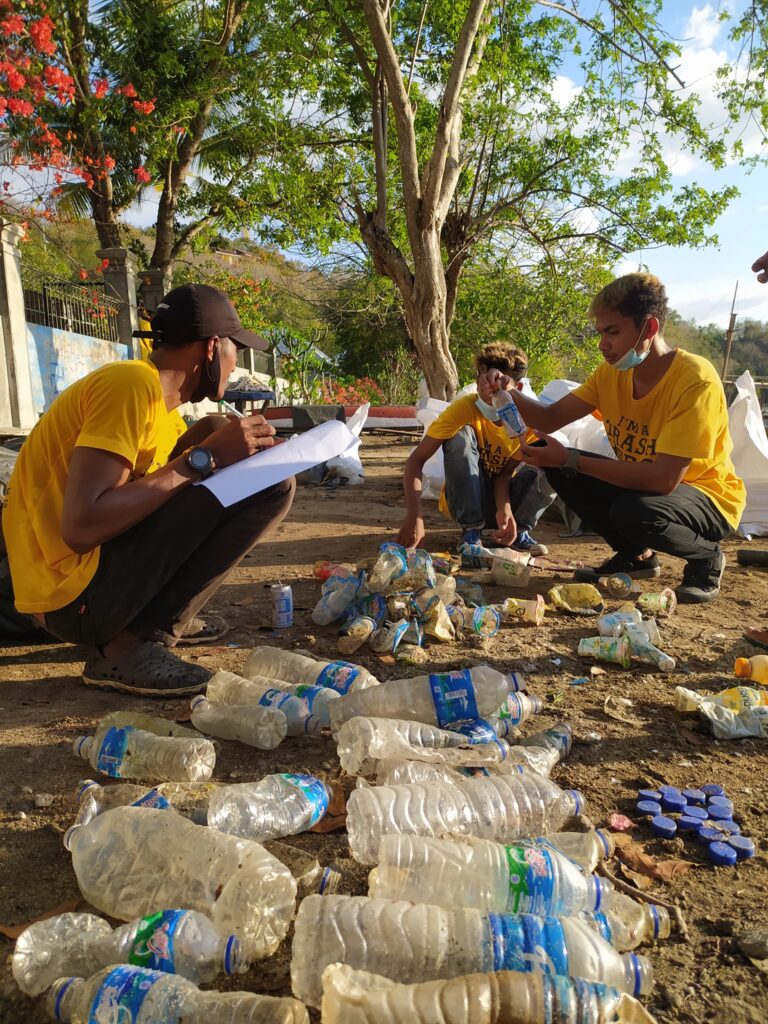
During every cleanup, our chapter leaders will record data – the number of volunteers in attendance, the weight of the trash collected and how many kids have taken part – which is then published on their social media accounts and uploaded to our database. Anyone can see the live statistics on our website. This data is checked every month to ensure it is consistent and correct.
Why do we collect data?
Collecting data helps us assess and celebrate our impact: seeing how much waste we have removed from shorelines, mangroves, cities, and rivers helps to keep us motivated and inspired. But also, this data is essential to share with researchers and our partners. Data equally helps to reinforce our message of reducing plastic at the source, showing people how much waste we produce, how many people want it stopped and how effective refill and reuse solutions can be.
We also share a more detailed analysis of the trash collected with researchers and campaigners so that they can push for change at the global level.
All of our data is publicly available as part of our commitment to being transparent.
All that we have achieved so far has been down to the dedication and commitment of our incredible volunteers. We want to say a huge thank you to them! Organising cleanups and collecting data takes time and energy, and our volunteers’ passion drives our movement.
Check out their work in the video below, and share it with someone you think would enjoy it:
Has this inspired you to join us? Find out more about starting a chapter here or email us.
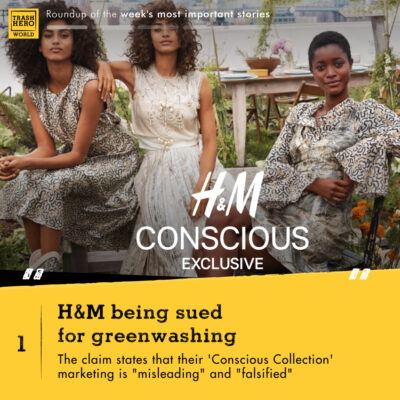
The claim states that their ‘Conscious Collection’ marketing is “misleading” and “falsified”. It has even been claimed that parts of the collection are more damaging to the environment than the regular products. Find out more here
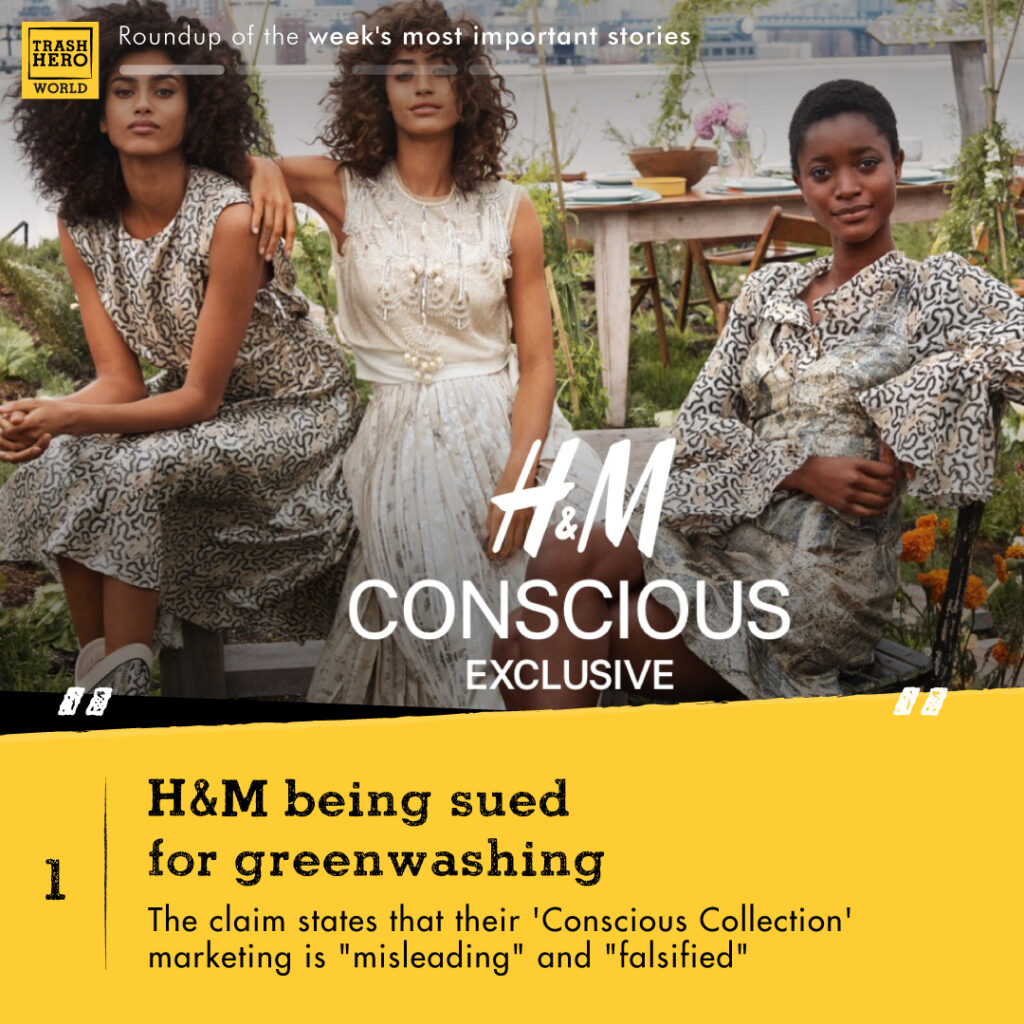
Thailand orders imported waste to be shipped back to Australia
130 ton container declared as “paper” discovered to contain 20-30% general municipal waste – which under current law is not allowed to be shipped into Thailand. Read the full story here
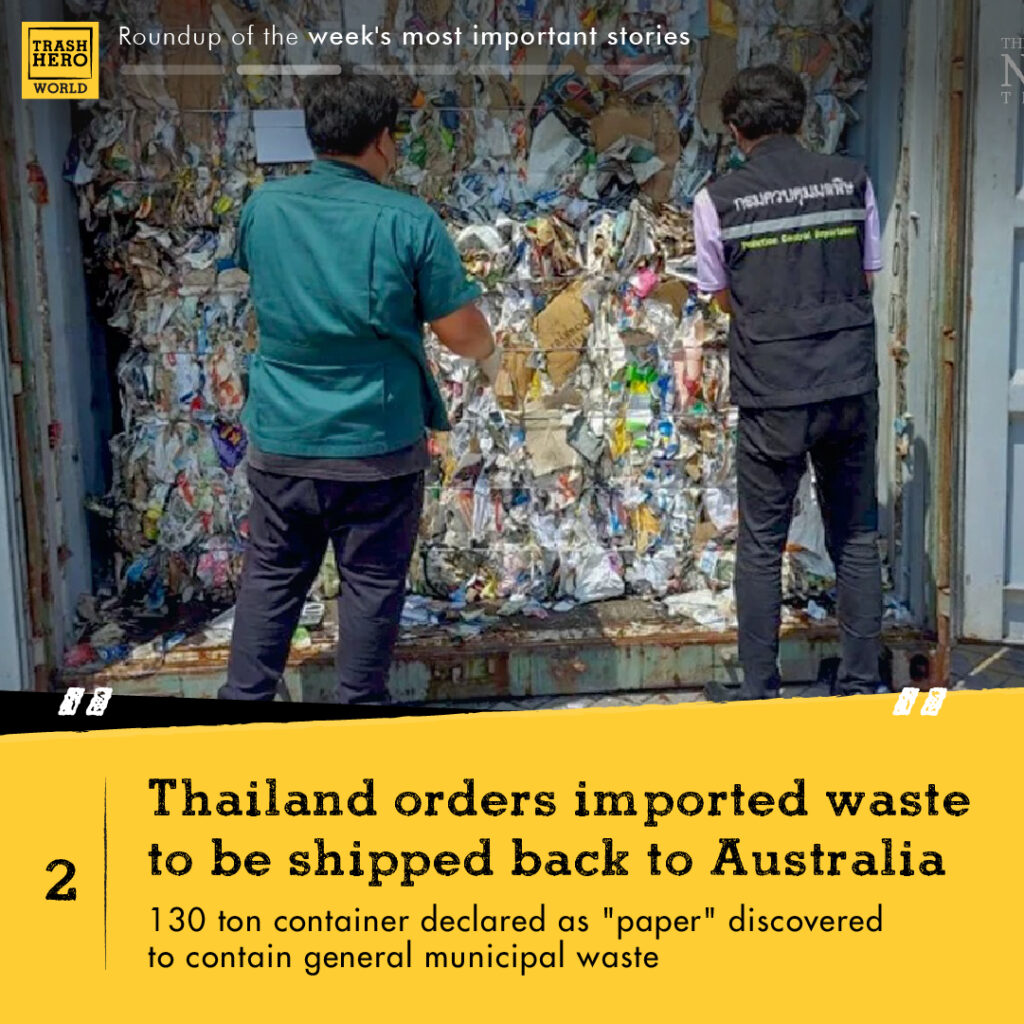
Two-thirds of pledges to reduce plastic fail or are dropped
An investigation into companies’ “plastic promises” shows how Danone and others fail to deliver. Find out more about what these companies have done and how it compares to their promises here
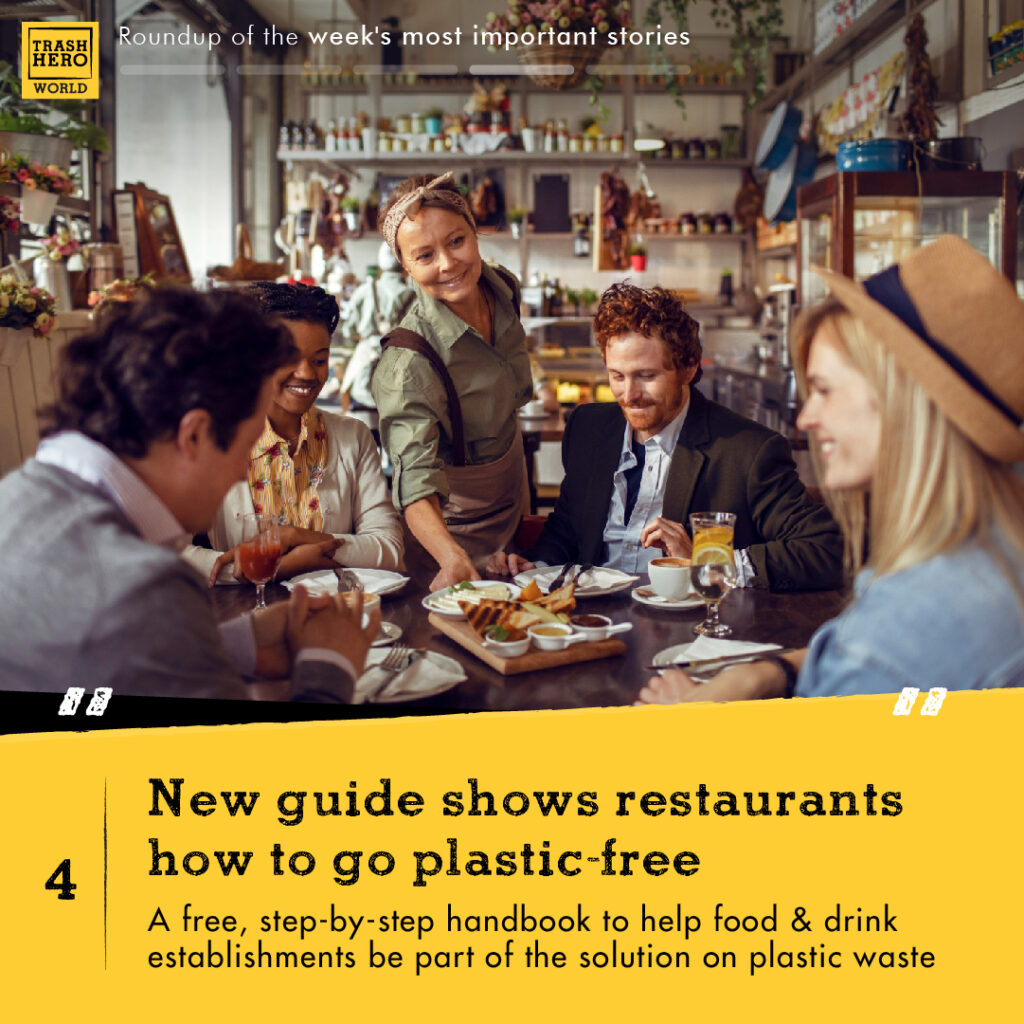
New guide shows restaurants how to go plastic-free
A free, step-by-step handbook to help food & drink establishments be part of the solution on plastic waste. Find it here and don’t forget to share it with any restaurant owners you know!
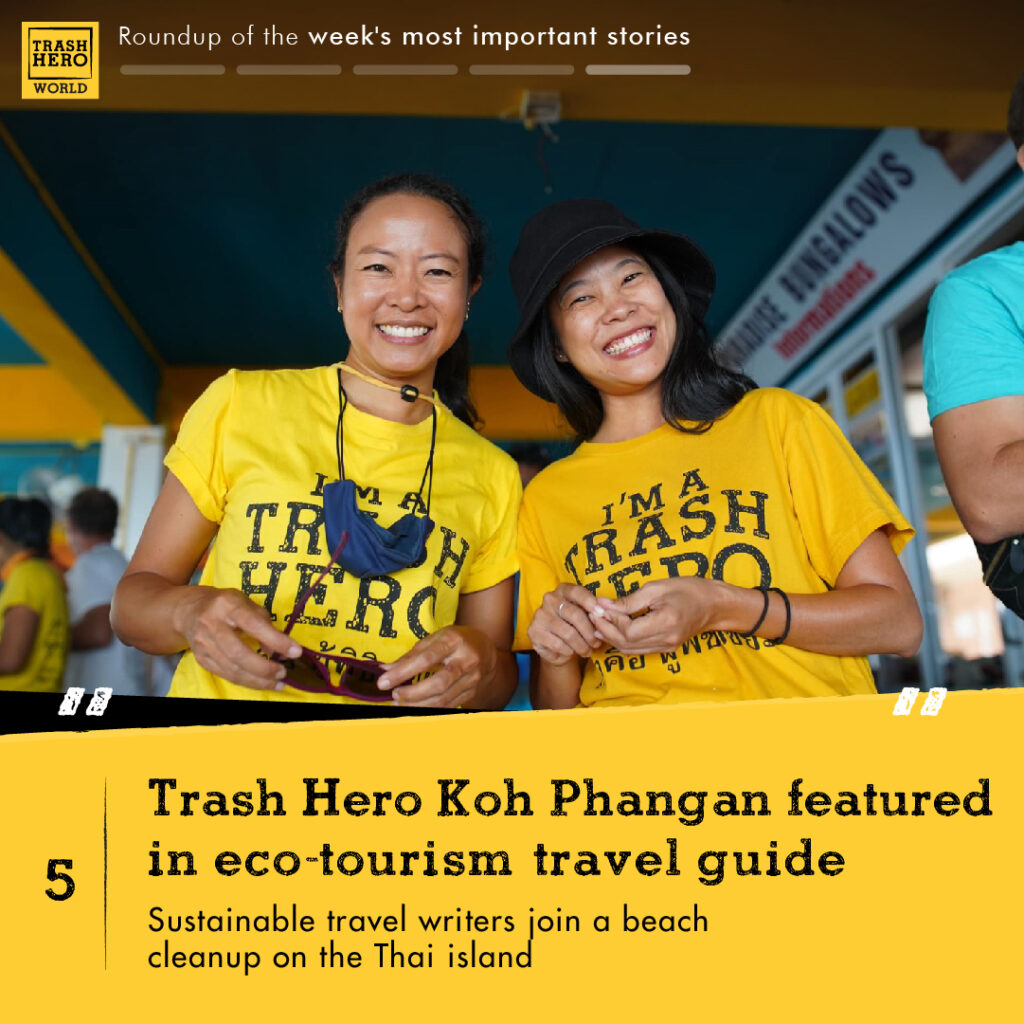
Trash Hero Koh Phangan featured in eco-tourism travel guide
Sustainable travel writers join a beach cleanup on the Thai island. Read their story here
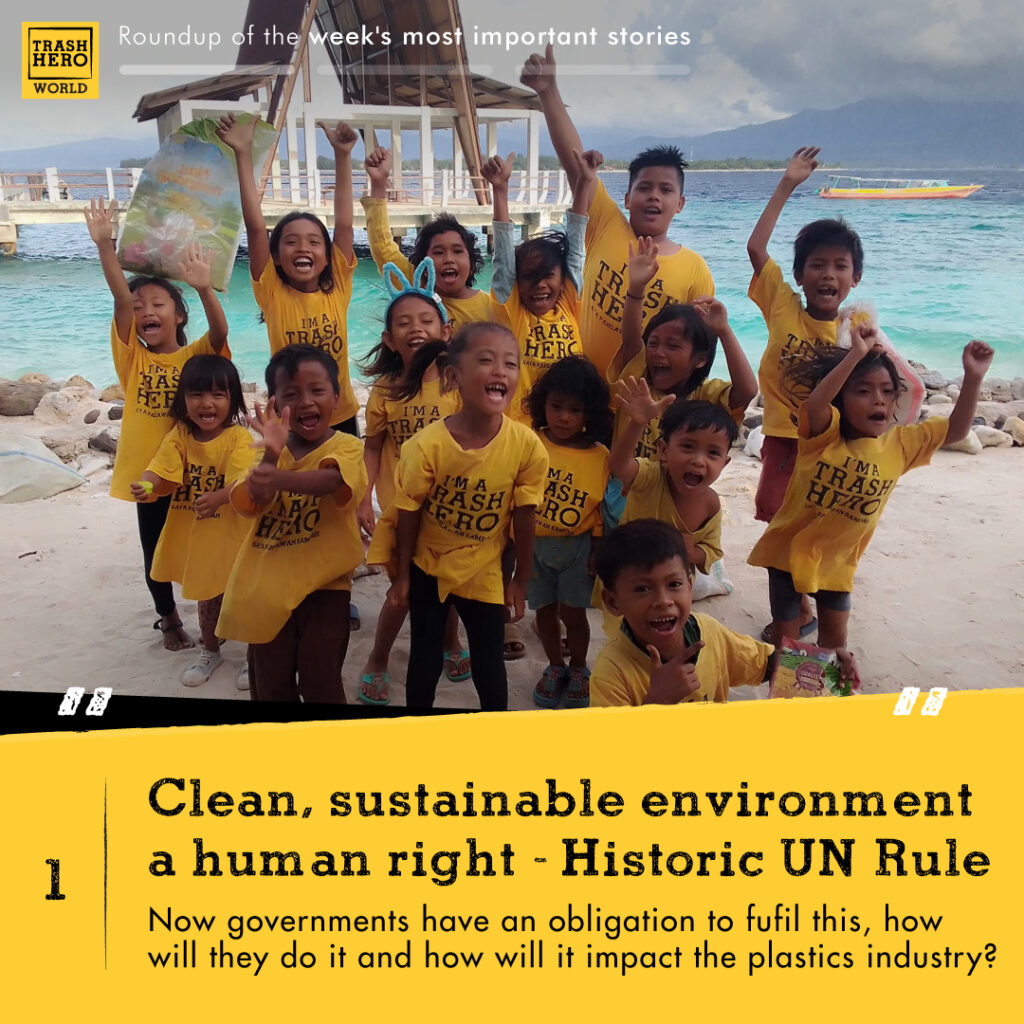
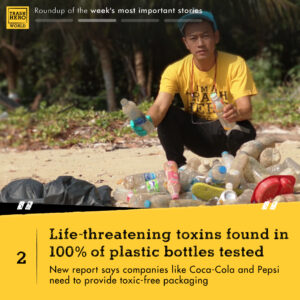
Clean sustainable environment a human right – Historic UN ruling
Now governments have an obligation to fulfil this, how will they do it and how will it impact the plastics industry?
A clean, healthy and sustainable environment is vital for our survival, the ruling should help catalyze a change towards more sustainable production and consumption.
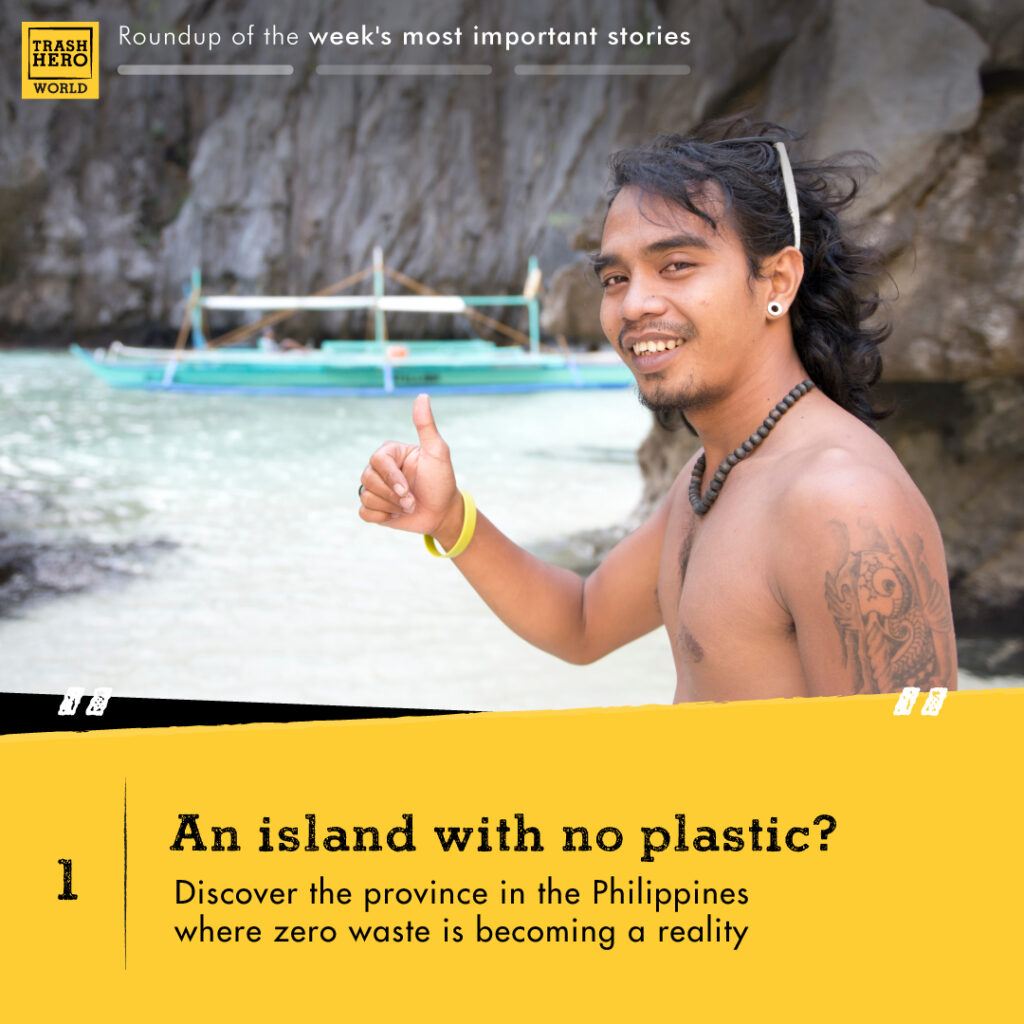
Discover the province in the Philippines where zero waste is becoming a reality. Read the full story here
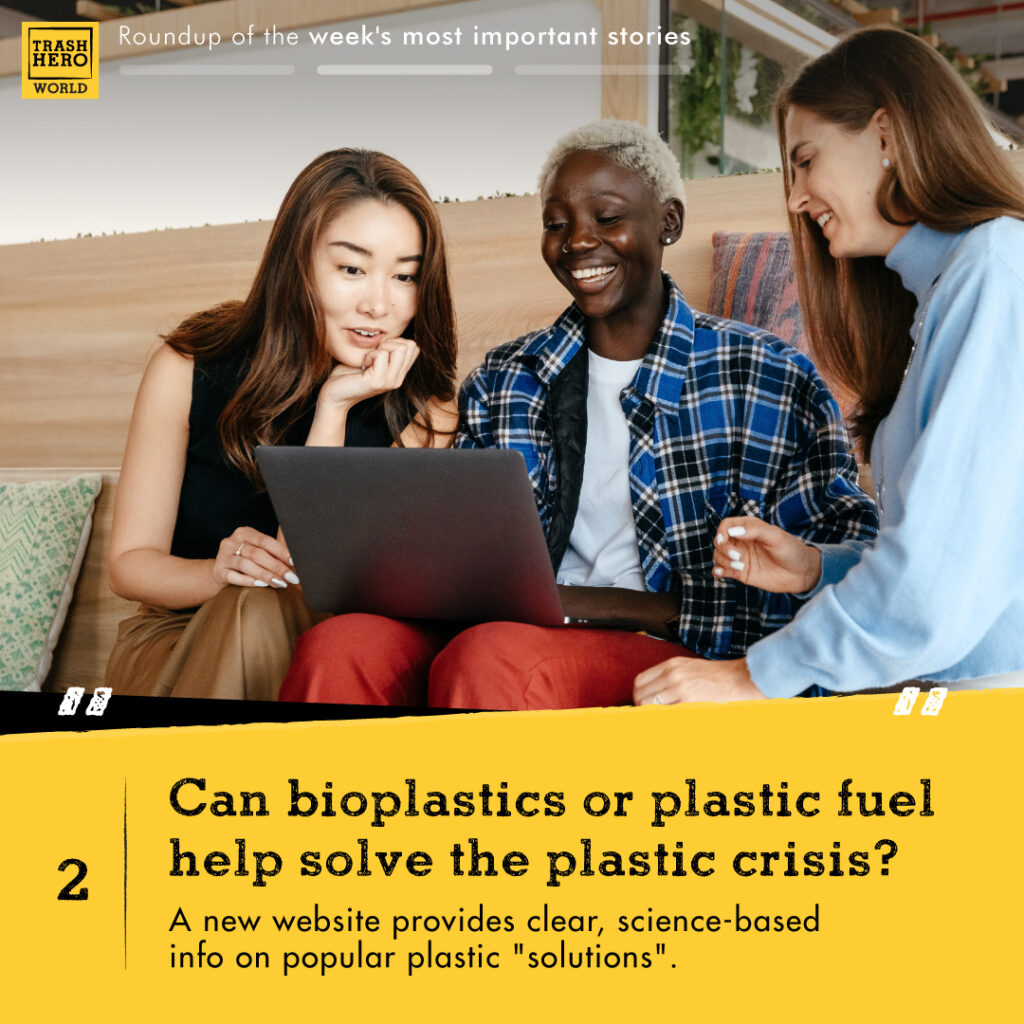
Can bioplastics or plastic fuel help solve the plastic crisis?
A new website provides clear, science-based information on popular plastic “solutions”. The website has been created by Break Free From Plastic ‘This brand new website offers information and analysis of a range of ‘plastic solutions’, aiming to undermine the industry greenwashing and misinformation. Each solution analysis is fully referenced and has been reviewed by an expert panel of scientists.’
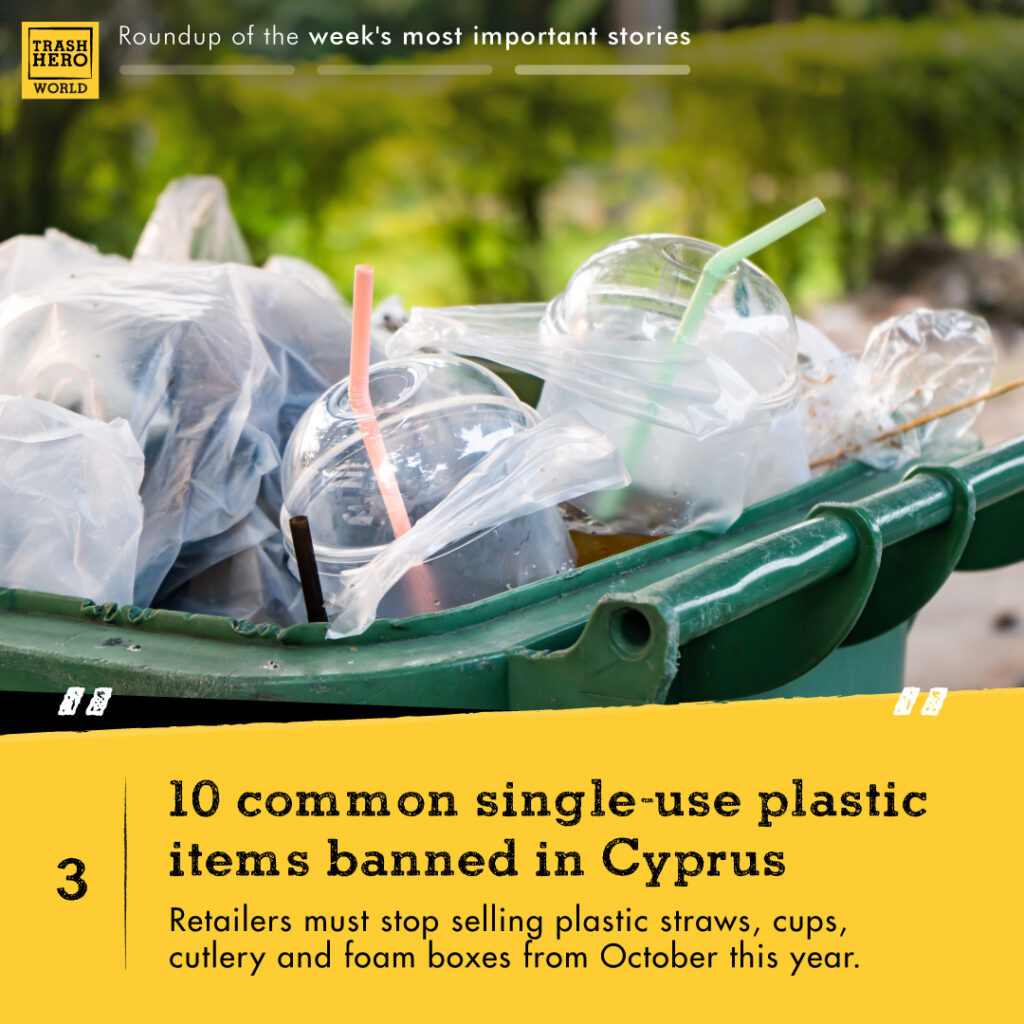
10 common single-use plastic items banned in Cyprus
Retailers must stop selling plastic straws, cups, cutlery and foam boxes from October this year. Find out more about it here
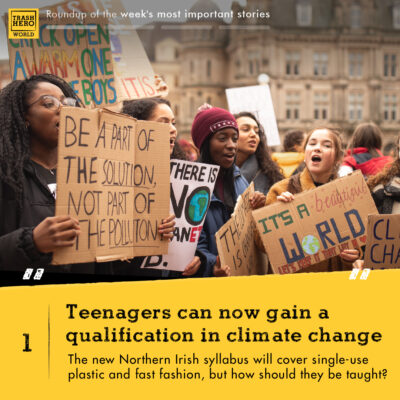
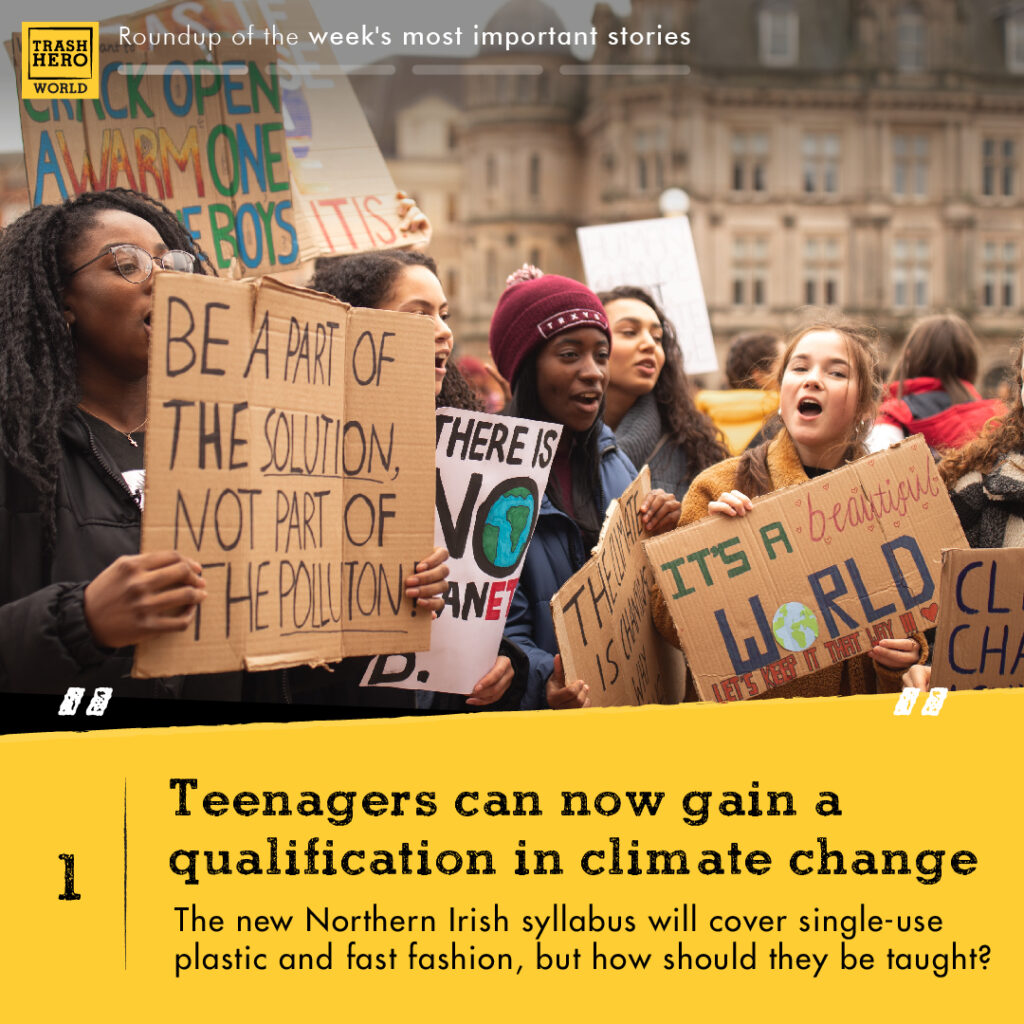
Teenagers can now gain a qualification in climate change
The new Northern Irish syllabus will cover single-use plastic and fast fashion, but how should they be taught? Will the responsibility for change be placed on the right people? Find out more about the qualification here
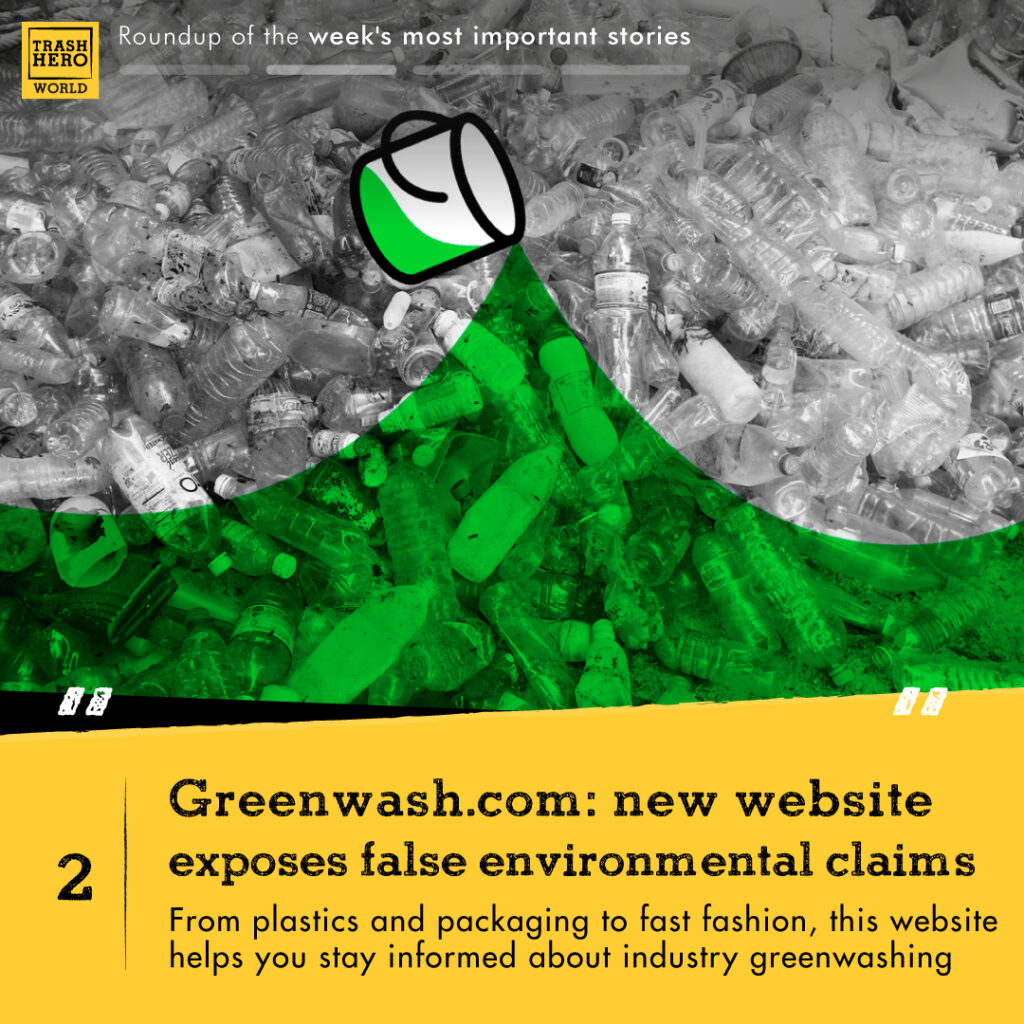
Greenwash.com: new website exposes false environmental claims
From plastics and packaging to fast fashion, this new website helps you stay informed about industry greenwashing.
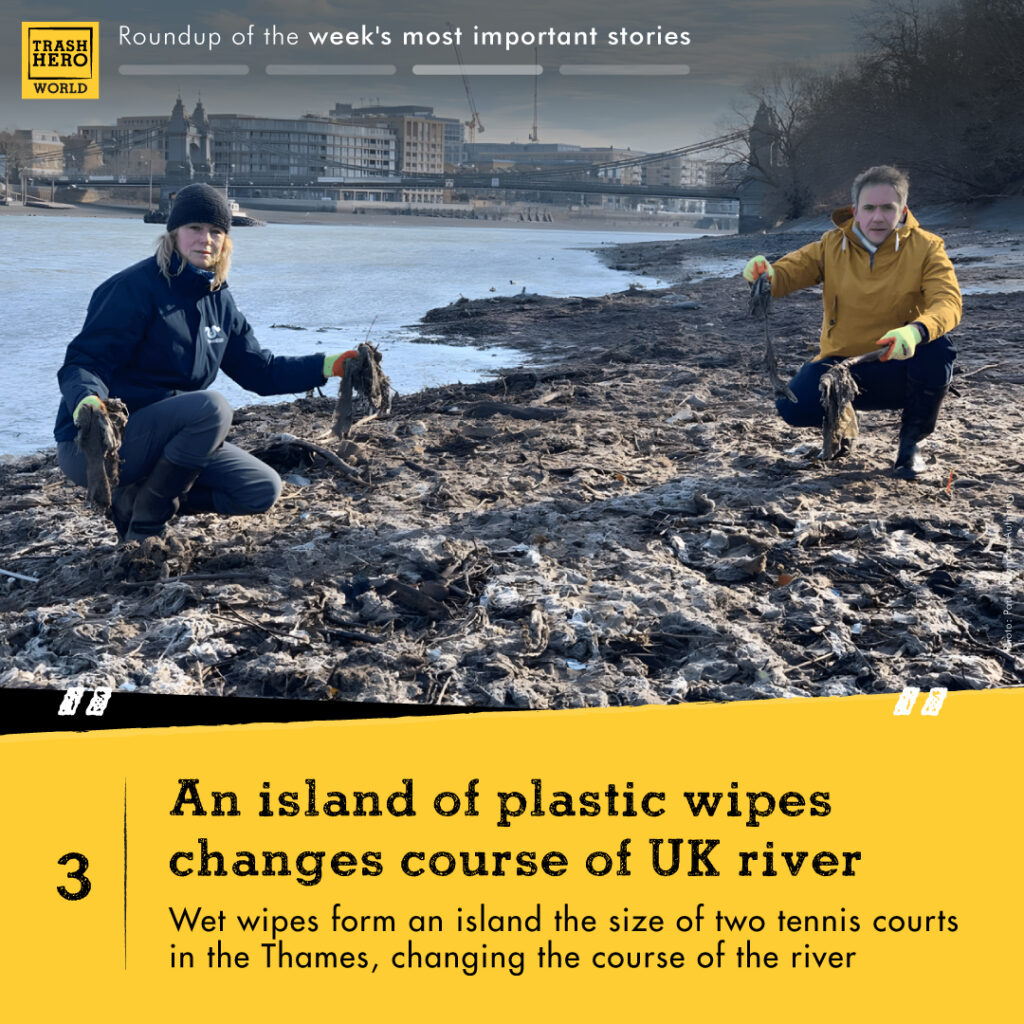
An island of plastic wipes changes course of UK river
Wet wipes form an island the size of two tennis courts in the Thames, changing the course of the river. Find out more about this here
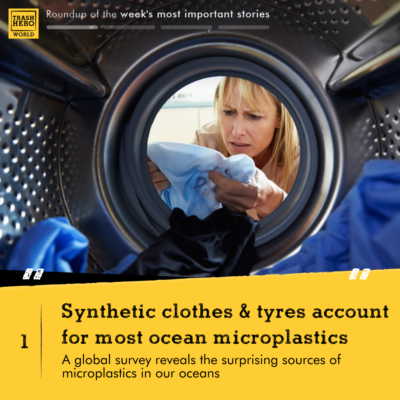
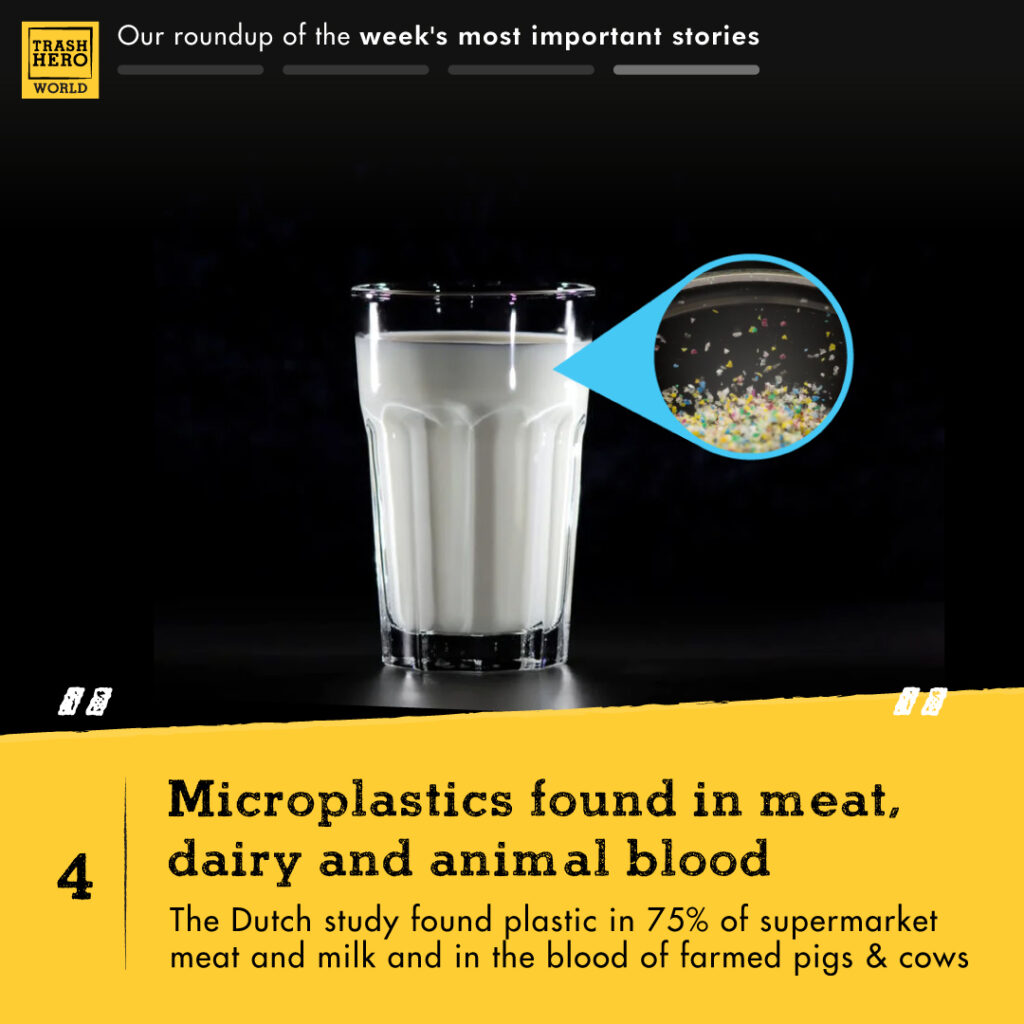
Microplastics found in meat, dairy and animal blood
The Dutch study found plastic in 75% of supermarket meat and milk and in the blood of farmed pigs & cows.
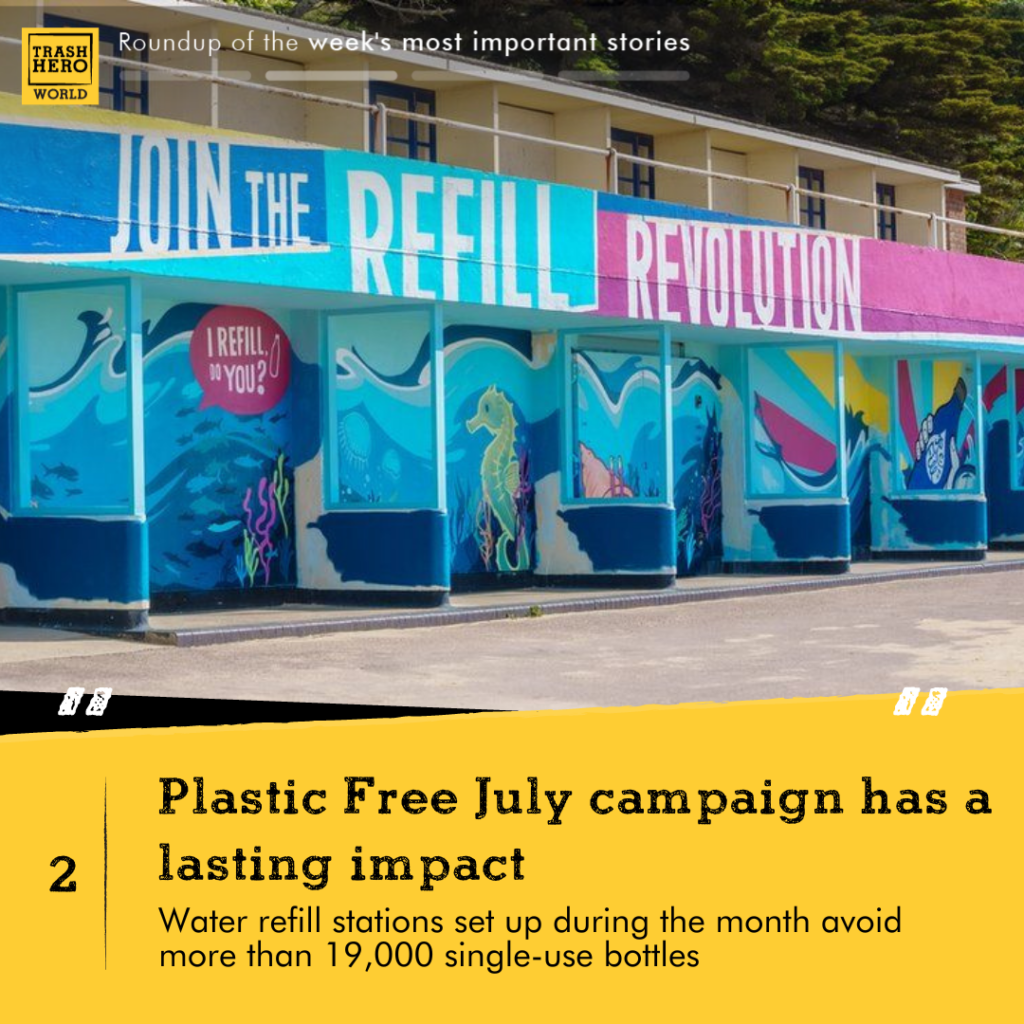
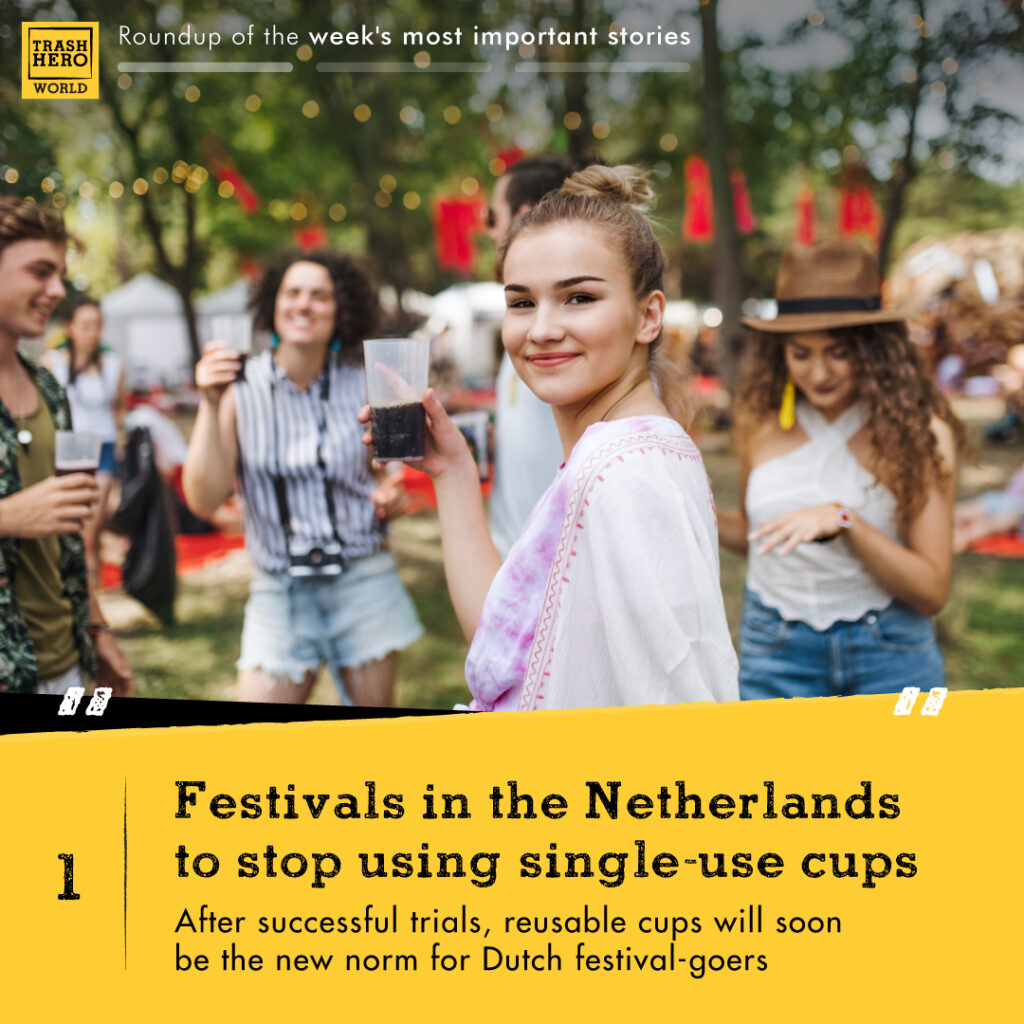
Festivals in Netherlands to stop using single-use cups
After successful trials, reusable cups will soon be the new norm for Dutch festival-goers. Find out more about how this system will work and people’s reactions to it here
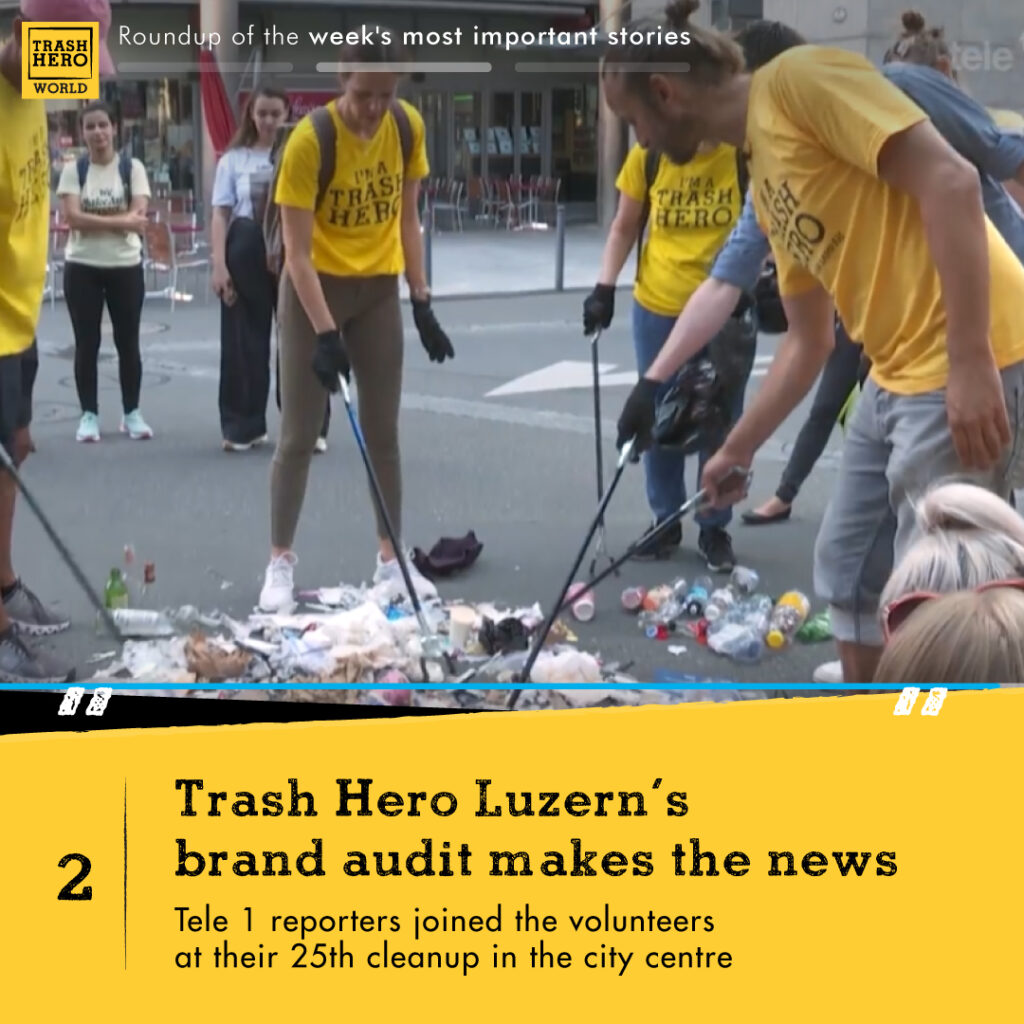
Trash Hero Luzern’s brand audit makes the news
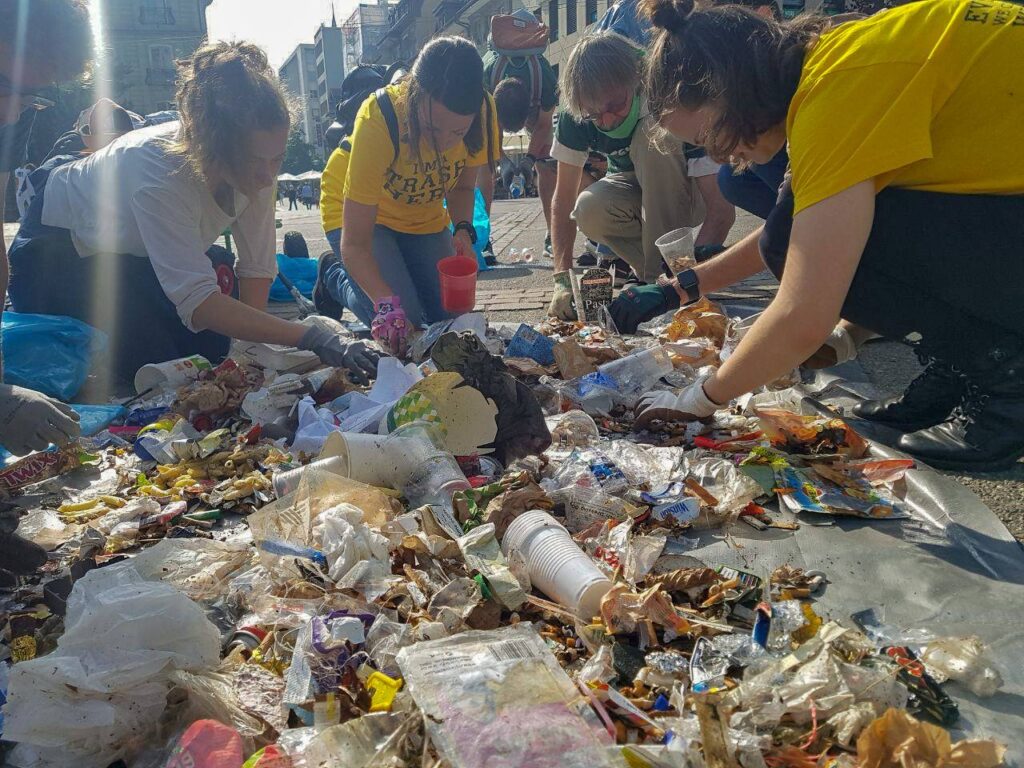
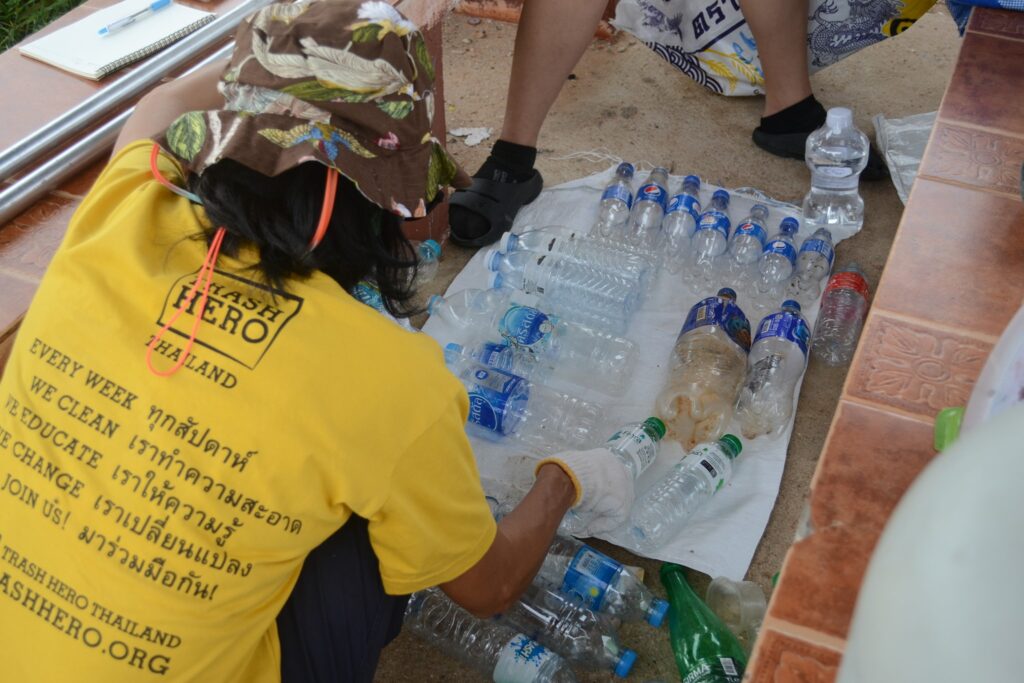
Tele 1 reporters joined the volunteers at their 25th cleanup in the Swiss city. The team conducted a cleanup and a brand audit. A brand audit records information about the companies producing the plastic found at cleanups and contributes to global research on corporate polluters. The full video, currently only available in Swiss German, can be watched here
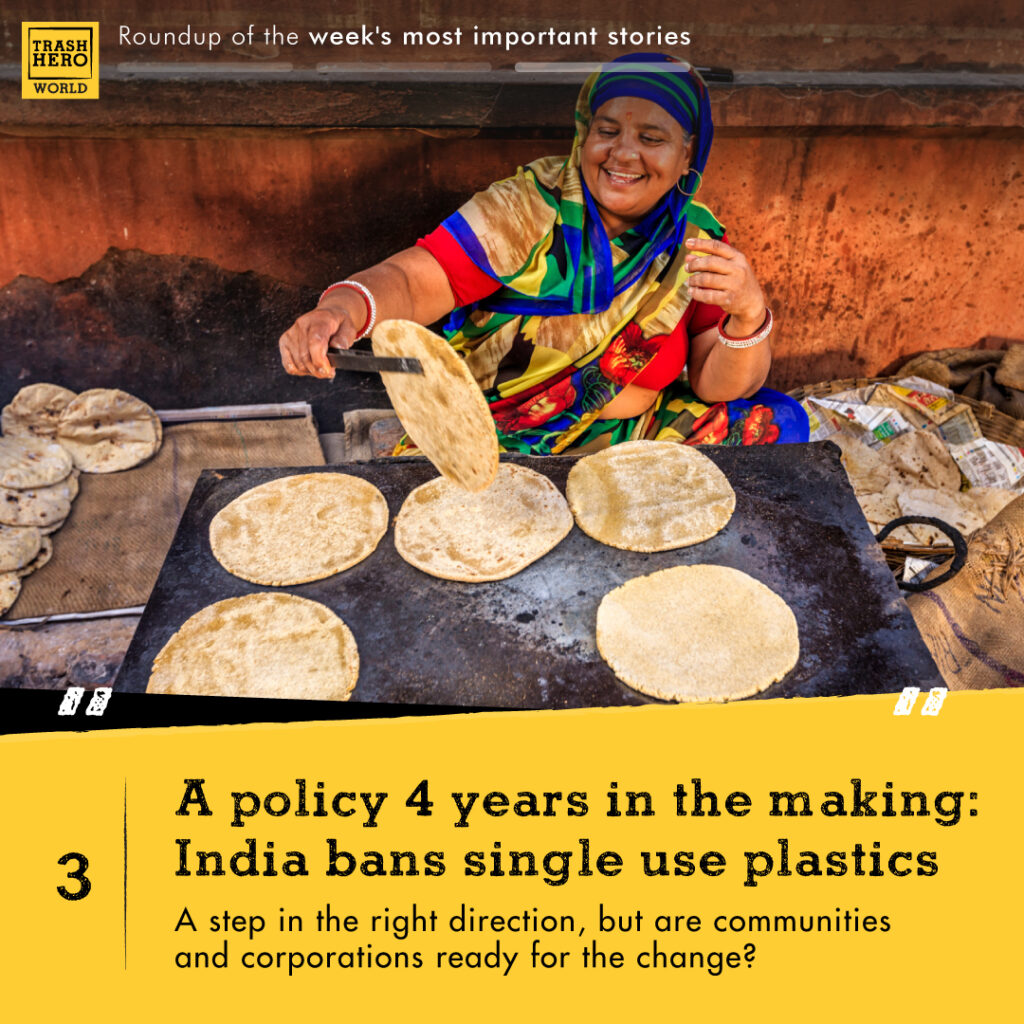
A policy 4 years in the making: India bans single-use plastics
A step in the right direction, but are communities and corporations ready for the change? This interesting analysis looks at how the ban is working in practice and its long term prospects.
This website uses cookies to improve your experience. We'll assume you're ok with this, but you can opt-out if you wish. Cookie settingsACCEPT
Privacy & Cookies Policy
Privacy Overview
This website uses cookies to improve your experience while you navigate through the website. Out of these cookies, the cookies that are categorized as necessary are stored on your browser as they are as essential for the working of basic functionalities of the website. We also use third-party cookies that help us analyze and understand how you use this website. These cookies will be stored in your browser only with your consent. You also have the option to opt-out of these cookies. But opting out of some of these cookies may have an effect on your browsing experience.
Necessary cookies are absolutely essential for the website to function properly. This category only includes cookies that ensures basic functionalities and security features of the website. These cookies do not store any personal information.