
Our round-up of the month’s most important stories.
Plastic emissions could double health damage by 2040
A major new study in The Lancet predicts rising harm driven by the production of new plastic, through greenhouse gas emissions, air pollution and the release of toxic chemicals.
Researchers identified risks at every stage of the plastics life cycle and concluded that only radical systems change, including limits on production, could reduce the anticipated health burden.
Landfill collapses in Cebu City, Philippines, burying dozens of workers alive
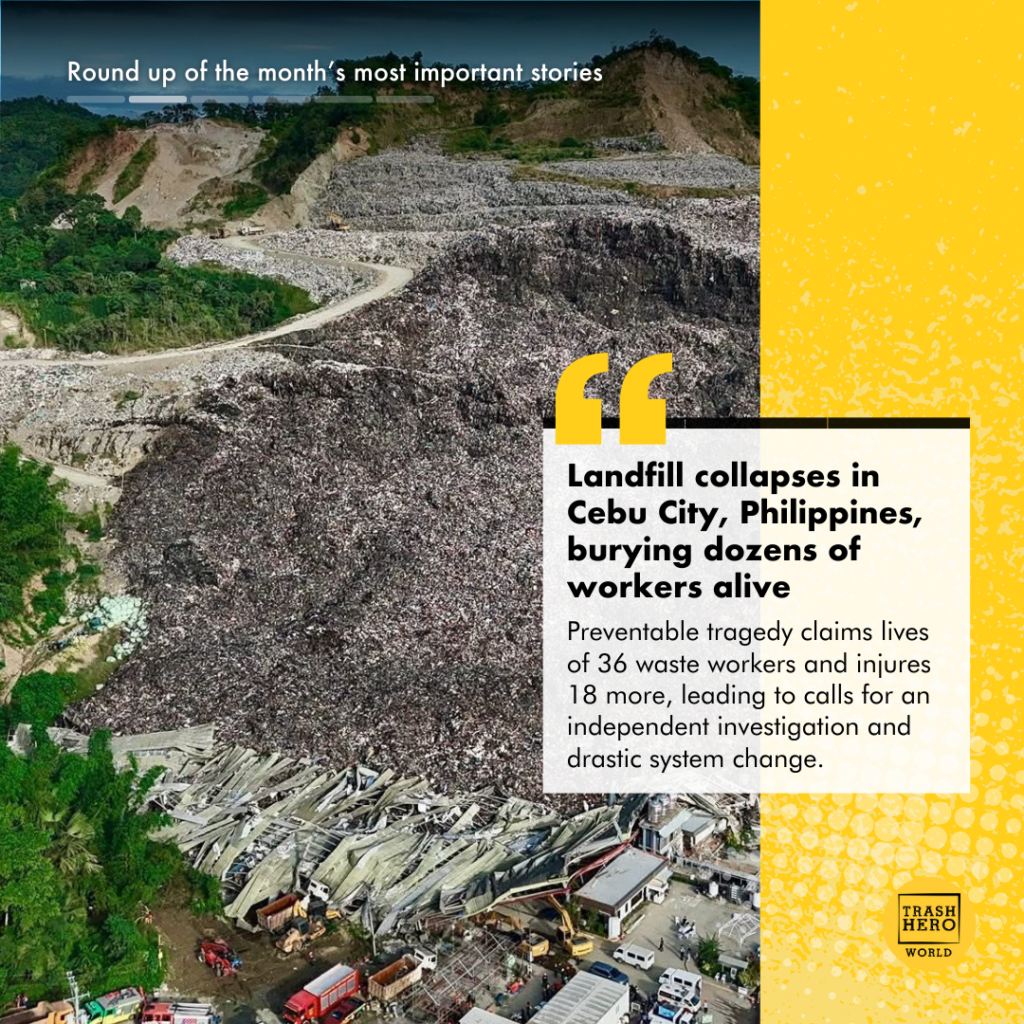
“Preventable tragedy” claims lives of 36 waste workers and injures 18 more, leading to calls for an independent investigation and drastic system change.
This article gives the inside story of “living and dying on the edge of the dump.”
Ghost recycling: how Big Oil rebrands fossil fuels as “green” plastic
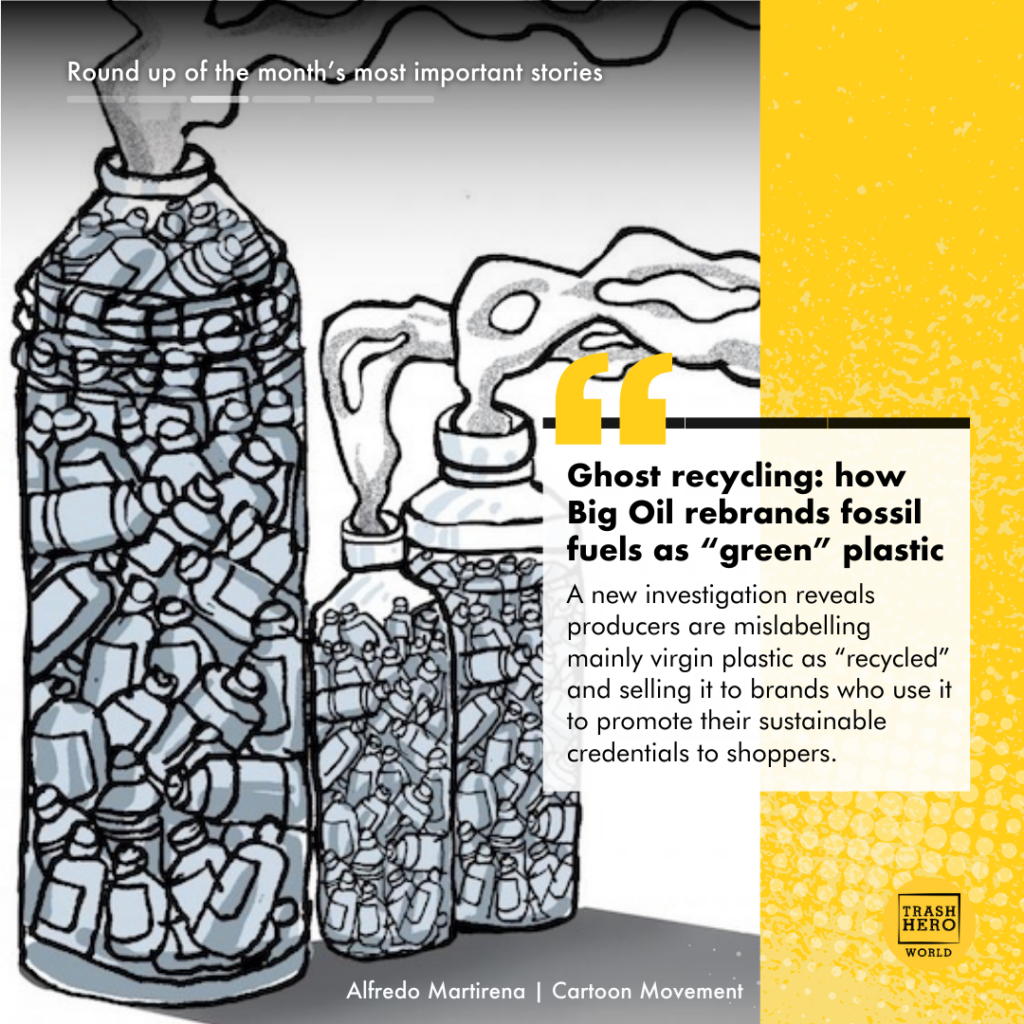
A major new investigation reveals the world’s largest plastic producers are mislabelling mainly virgin plastic as “recycled” and selling it to brands who use it to promote their sustainable credentials to shoppers. Not only that, but the EU seems to be caving to pressure to both legalise and subsidise the misleading practice.
Why plastic bans aren’t working and what needs to change
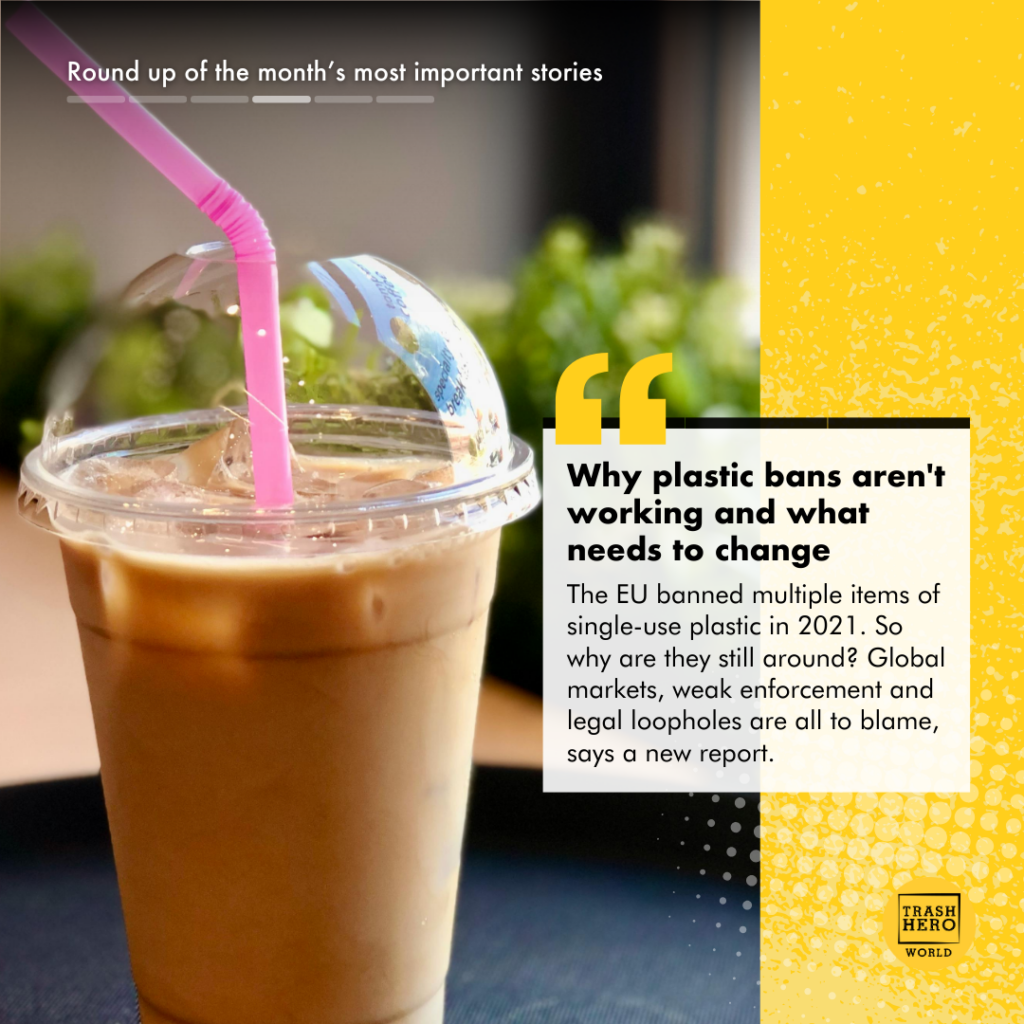
The EU banned multiple items of single-use plastic in 2021. So why are they still around?
Global markets, weak enforcement and legal loopholes are all to blame, says a new report by Deutsche Welle.
Burning plastic waste for household fuel puts millions of lives at risk
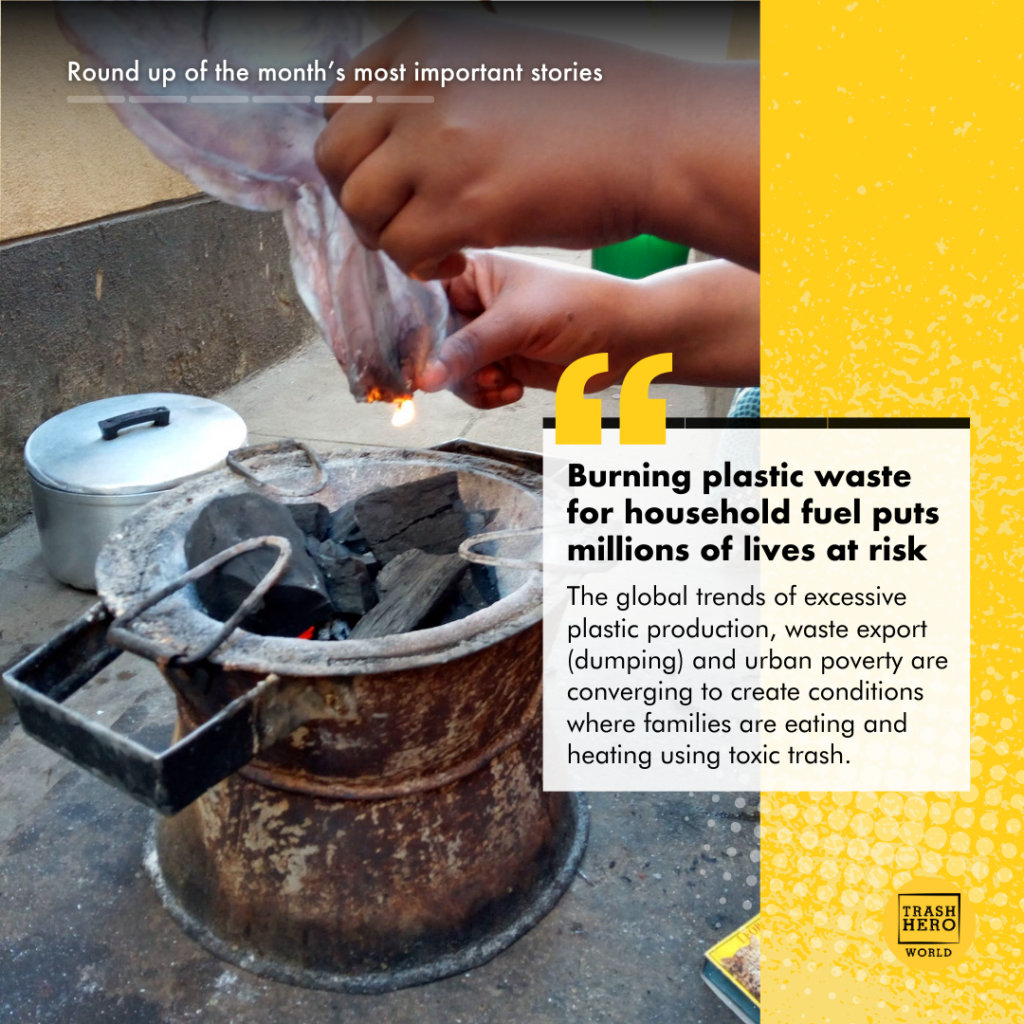
The global trends of excessive plastic production, waste export (overseas dumping) and urban poverty are converging to create conditions where families are eating and heating with toxic trash, according to new research.
The survey looked at low-income households in 26 countries across the Global South and found the same disturbing patterns; the researchers called for more attention to this “hidden problem”.
Beyond cleanups: a Sunday with Trash Hero Jakarta
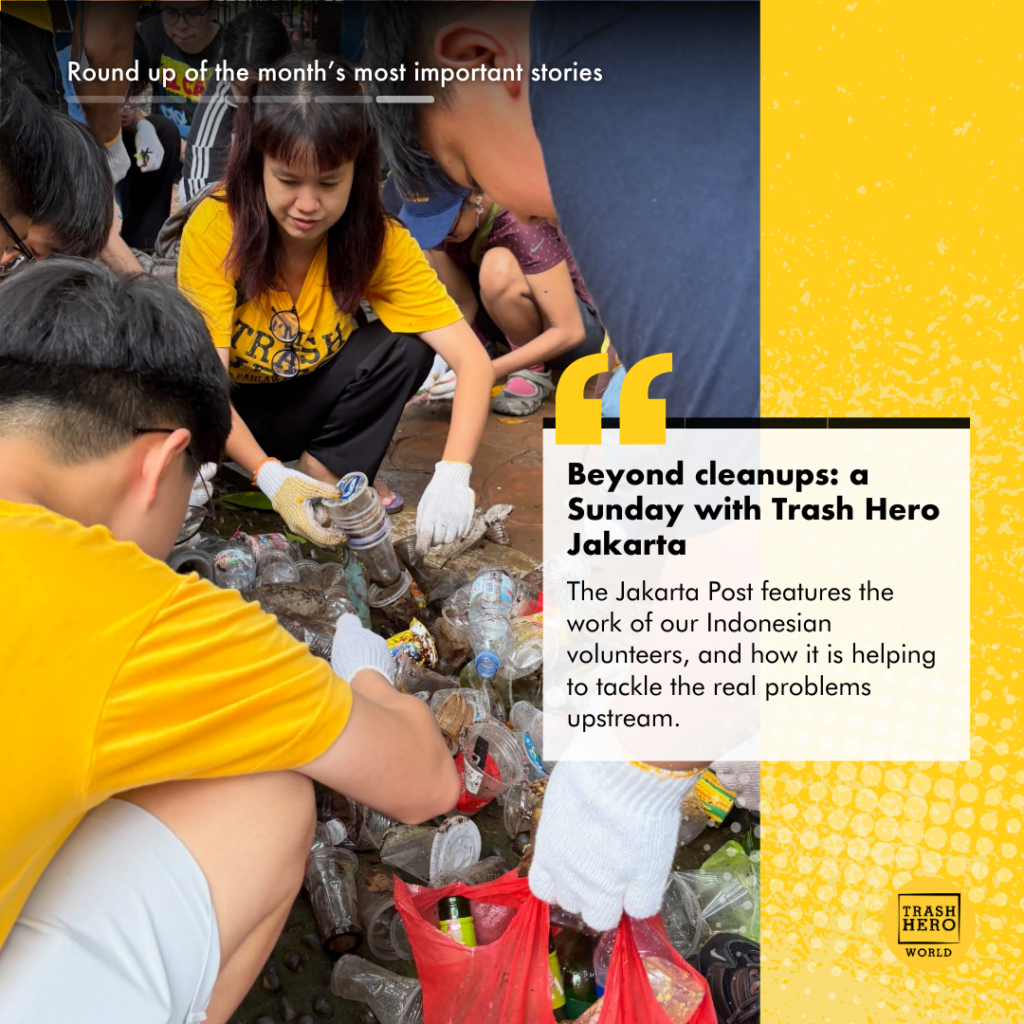
The Jakarta Post features the work of our Indonesian volunteers, and how it is helping to tackle the real problems upstream.
“Knowledge from the ground, rooted in lived experience, has the power to shape policy,” concludes the reporter.
Every month we round up the top stories from the world of plastic pollution – and the work being done to stop it. From aquatic pollution to zero waste, you’ll always be up to date with the latest research, trends and greenwashing tactics.
To sign up click here.
Join the conversation