July 2026 : Environment news round-up

by Fayrouz on 29/07/2026 No comments

Our round-up of the month’s most important stories.

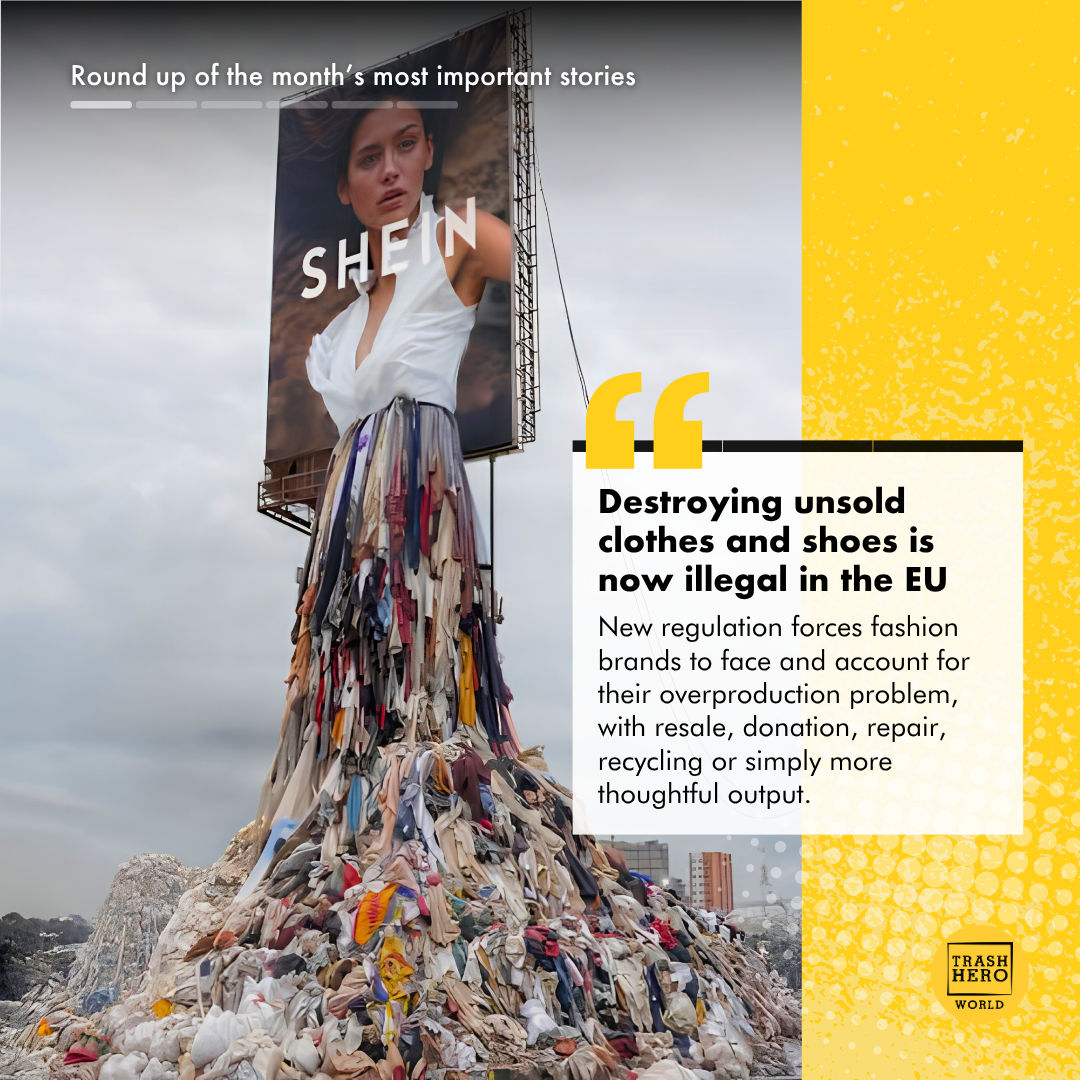
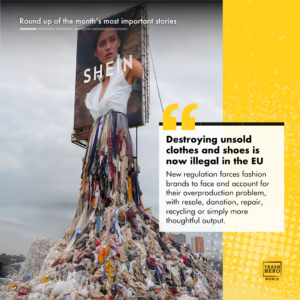
Destroying unsold clothes and shoes is now illegal in the EU

New regulation forces fashion brands to face and account for their overproduction problem, with resale, donation, repair, recycling or simply more thoughtful output.


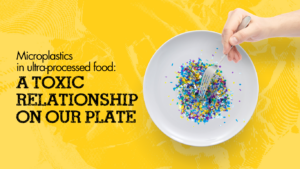
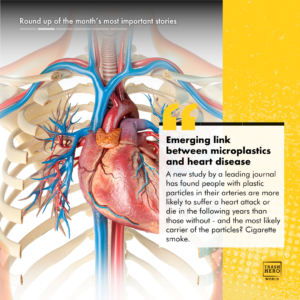
Emerging link between microplastics and heart disease

A new study by a leading journal has found people with plastic particles in their arteries are more likely to suffer a heart attack or die in the following years than those without – and the most likely carrier of the particles? Cigarette smoke.


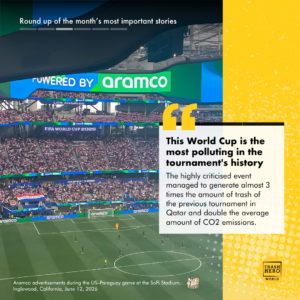
This World Cup is the most polluting in the tournament’s history

The highly criticised event managed to generate almost 3 times the amount of trash of the previous tournament in Qatar and double the average amount of CO2 emissions.


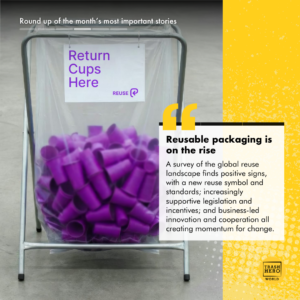
Reusable packaging is on the rise 

A survey of the global reuse landscape finds positive signs, with a new reuse symbol and standards; increasingly supportive legislation and incentives; and business-led innovation and cooperation all creating momentum for change.


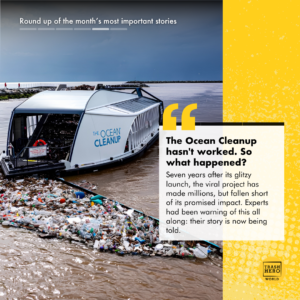
The Ocean Cleanup hasn’t worked. So what happened?

Seven years after its glitzy launch, the viral project has made millions, but fallen short of its promised impact. Experts had been warning of this all along: their story is now being told.


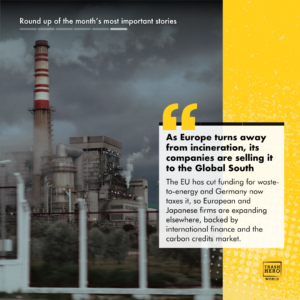
As Europe turns away from incineration, its companies are selling it to the Global South

The EU has cut funding for waste-to-energy and Germany now taxes it, so European and Japanese firms are expanding elsewhere, backed by international finance and the carbon credits market.


Every month we round up the top stories from the world of plastic pollution – and the work being done to stop it. From aquatic pollution to zero waste, you’ll always be up to date with the latest research, trends and greenwashing tactics.

To sign up to receive the newsletter, click here.

read more
FayrouzJuly 2026 : Environment news round-up

June 2026 : Environment news round-up

by Seema on 30/06/2026 No comments

Our round-up of the month’s most important stories.

Victory! Fiji rejects Australian billionaire’s ‘Pacific ashtray’ plan

The small island nation vetoed a proposal to ship in 900,000 tonnes of trash annually from across the region and burn it in a vast incinerator near the tourism gateway of Nadi. The plan was branded “waste colonialism” by local villagers. It is a strong reminder that waste-to-energy is not the clean fix it is often sold as, and that the communities asked to host it are increasingly fighting back.


Nike’s recycled World Cup kits are not quite the breakthrough they seem

The kits were made through the “advanced chemical recycling” of textiles, a technology heralded as the future of “circular fashion”, but experts say it’s far messier than it sounds. Chemical recycling is expensive, difficult to scale and only works with clean industrial scraps, not the mixed material, dyed, zip-and-label reality of used clothes.  Even the most optimistic industry targets are a drop in the ocean next to the 169 million tonnes of polyester being churned out each year, making it more of “an excuse to keep producing plastic clothes” than a silver bullet to textile waste.


Swedish football fans are peeing for the planet

Supporters at Malmö FF’s stadium are taking part in an unusual experiment: their urine is being collected, treated, and turned into fertiliser, as an alternative to synthetic petrochemical feeds. The aim is to cut dependence on fossil-fuel-based fertilisers, which globally generate around 1.13 billion tonnes of CO2E a year, more than the entire aviation sector. Researchers estimate urine could theoretically replace up to 30% of the synthetic fertilisers used in Sweden, turning something we flush away into a genuinely circular resource.


Volunteer facing prison after cleaning up a polluted river

UK environmental lawyer Paul Powlesland has been charged for removing trash without permission, by the very government agency whose duty it is to keep the river clean. He and a group of volunteers cleared a heavily polluted stretch of the River Roding in East London, filling over 200 bags with rubbish including packaging, needles, household appliances and even weapons. Shortly after, the Environment Agency opened an investigation into him for operating without a licence, an offence carrying a maximum penalty of two years in prison.


This Franken-can just won “Australia’s worst packaging” award

The “completely unnecessary” single-use plastic-and-metal cup, used by trendy cafés for iced drinks, is not accepted in return schemes and can’t be easily recycled – what a waste. The best packaging award, by contrast, went to a refillable milk keg system that has replaced an estimated 4.5 million single-use plastic milk bottles since 2021, proof that reuse already works when businesses choose it.


Air con wars: the heat is on in France

Is air con the solution to human-caused heat waves or part of the problem? The dilemma is real in French politics, as the need to protect the vulnerable is being pitched against tackling the root causes of climate breakdown. Only 25% of French households have air-conditioning, compared to 50% in Spain and Italy and 90% in the US and Japan, partly because environmentalists argue that la clim treats the symptoms of climate change while worsening its causes. But with schools closing and hospital staff describing intolerable conditions, even France’s Greens now concede it may be unavoidable.


Every month we round up the top stories from the world of plastic pollution – and the work being done to stop it. From aquatic pollution to zero waste, you’ll always be up to date with the latest research, trends and greenwashing tactics.

To sign up to receive the newsletter, click here.

read more
SeemaJune 2026 : Environment news round-up

May 2026 : Environment news round-up

by Seema on 28/05/2026 No comments

Our round-up of the month’s most important stories.

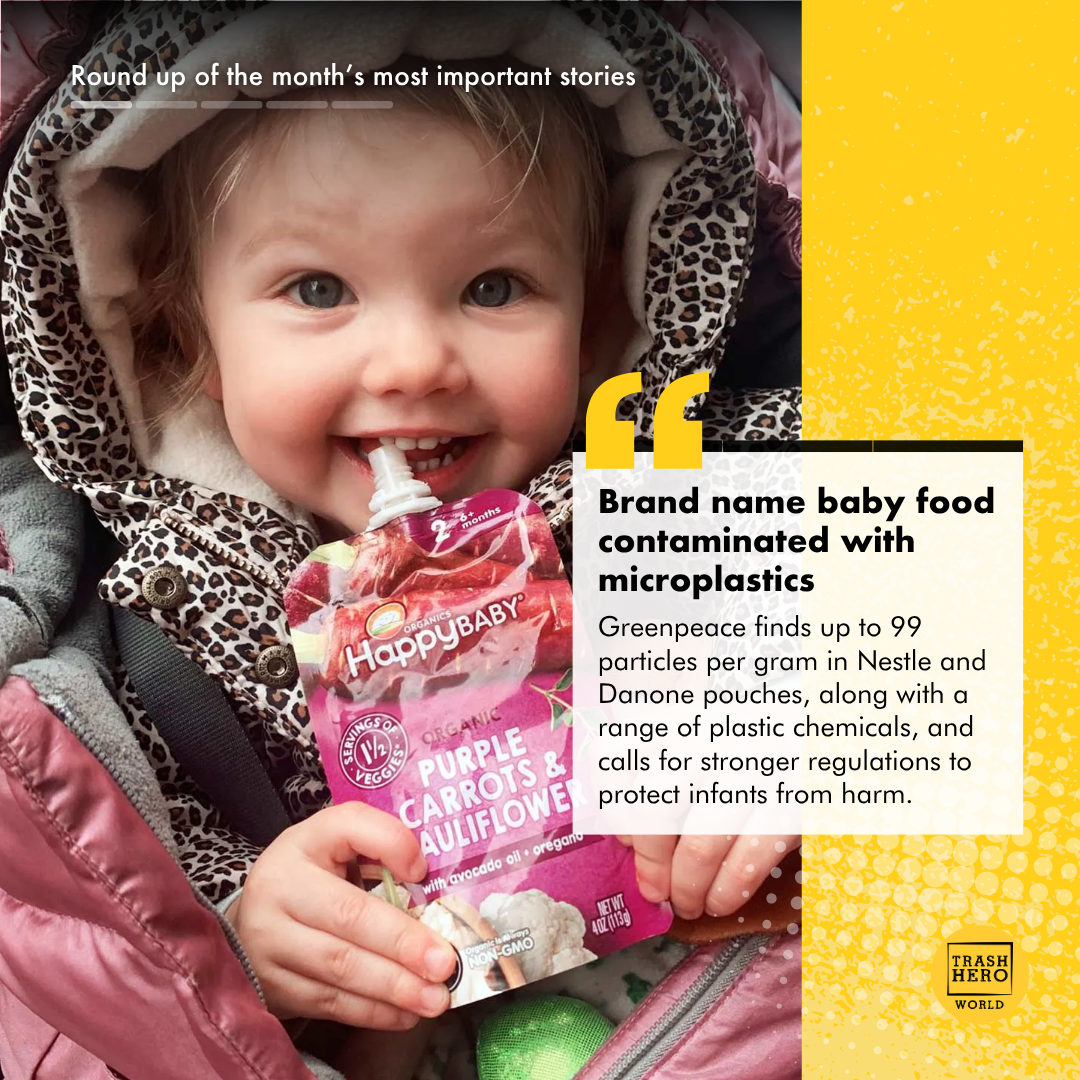
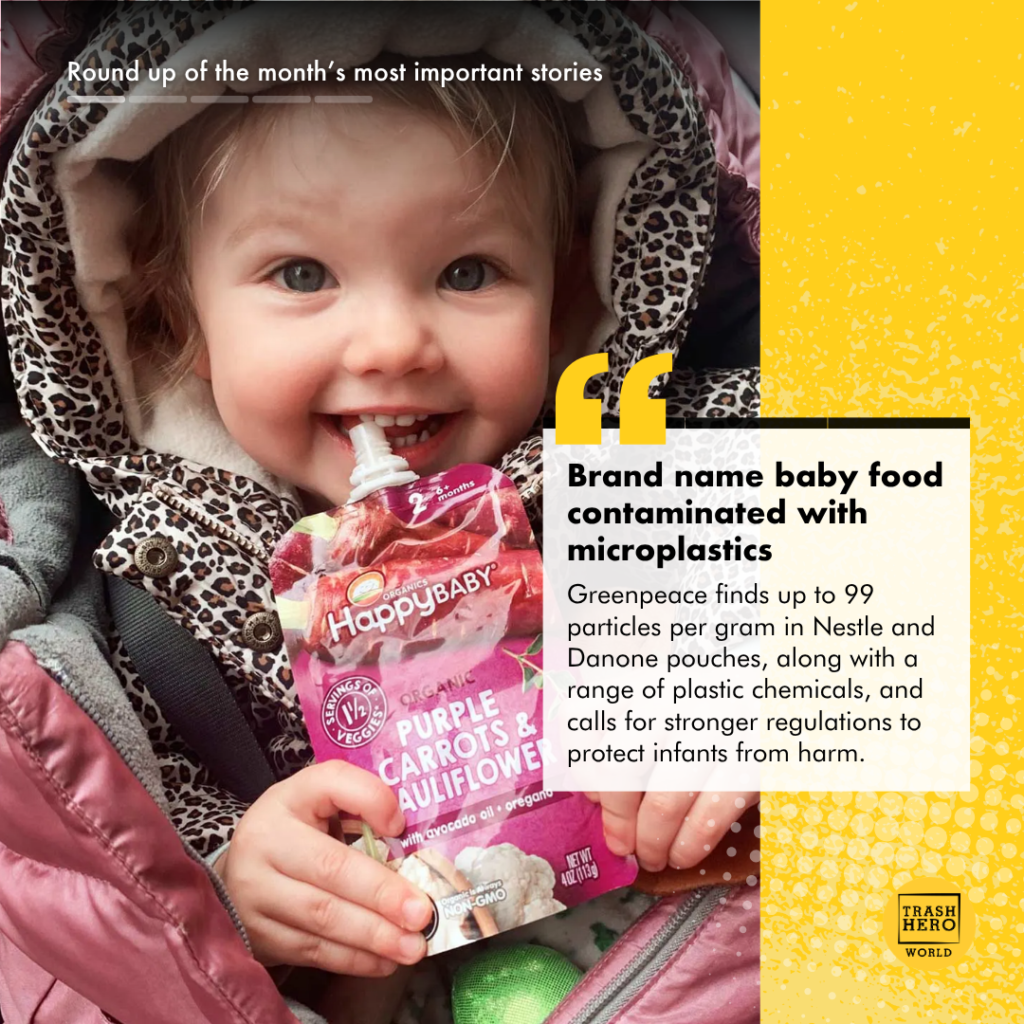
Brand name baby food contaminated with microplastics

A new Greenpeace report has found up to 99 plastic particles per gram in Nestle and Danone baby food pouches, along with a range of plastic chemicals, prompting calls for stronger regulations to protect infants from harm, as well as for brands to go “beyond compliance” when it comes to food safety.


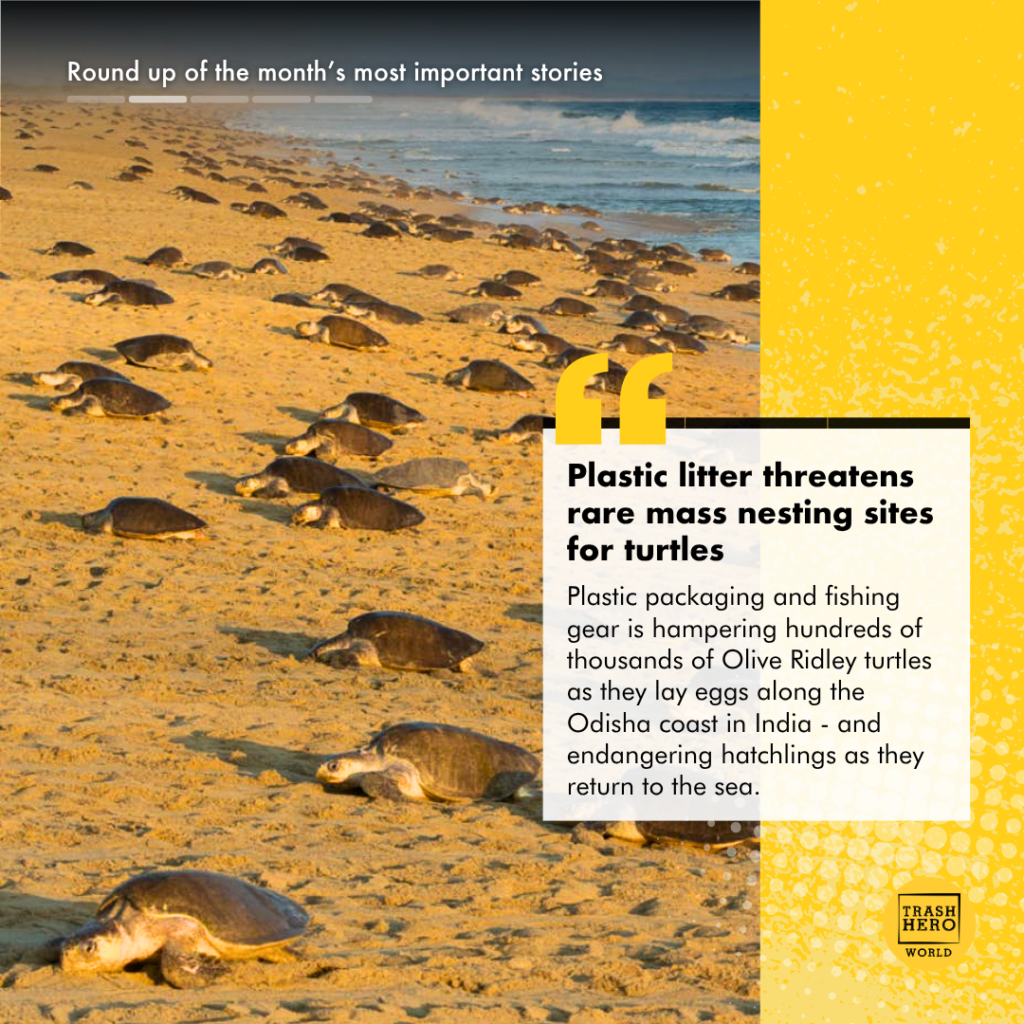
Plastic litter threatens rare mass nesting sites for turtles

Plastic packaging and fishing gear is hampering hundreds of thousands of Olive Ridley turtles as they lay eggs along the Odisha coast in India – one of the handful of such sites in the world – and endangering the hatchlings as they return to the sea.

The news comes as food and drink packaging is found to be the “world’s most common coastal litter” – found on all seven continents – and shows why beach cleanups are still so important.


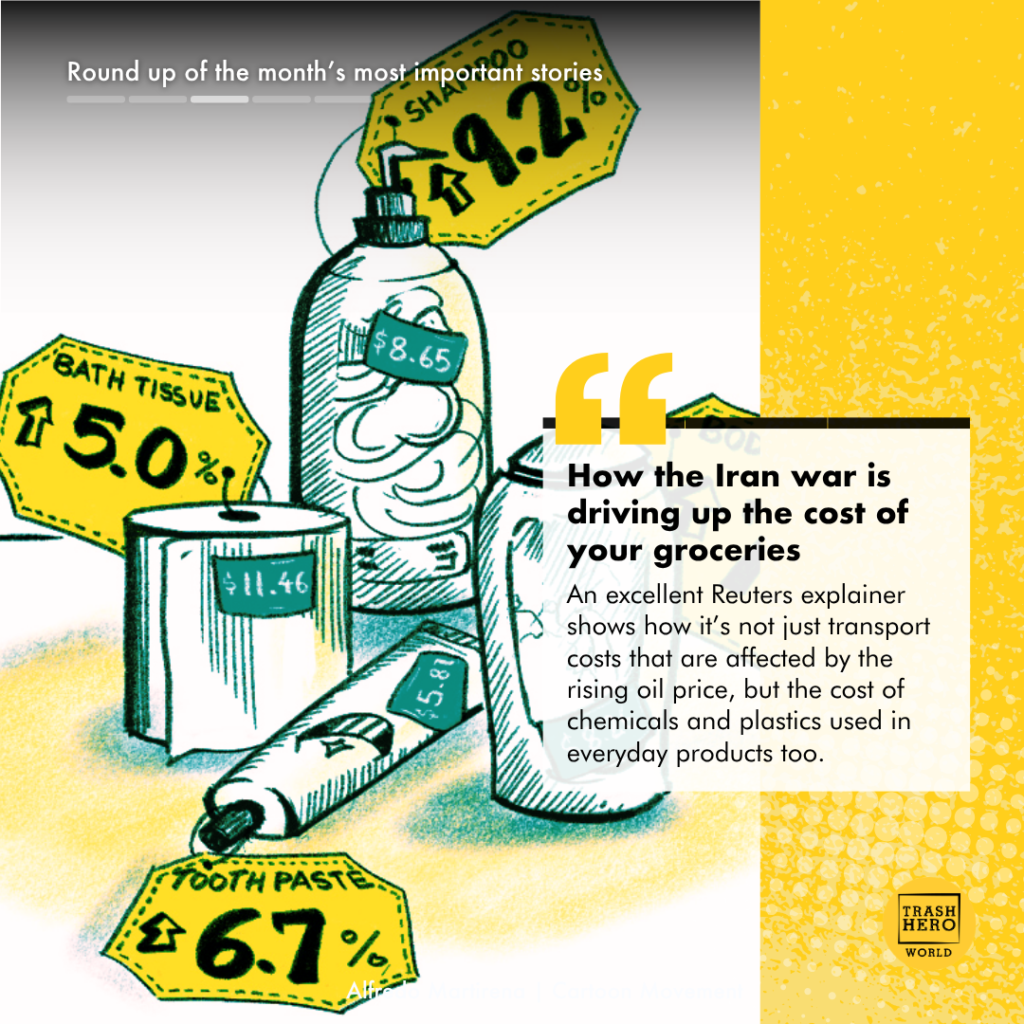
How the Iran war is driving up the cost of your groceries

An excellent visual explainer from Reuters shows how it’s not just transport costs that are affected by the rising price of oil, but the cost of chemicals and plastics used in everyday products too.

Prices have risen particularly quickly in Asia, exposing our over-dependence on this fossil fuel material. Many, including the UN, have questioned the trade barriers blocking the use of alternative materials, and pointed to the resilience that local reuse infrastructure could provide in these times.


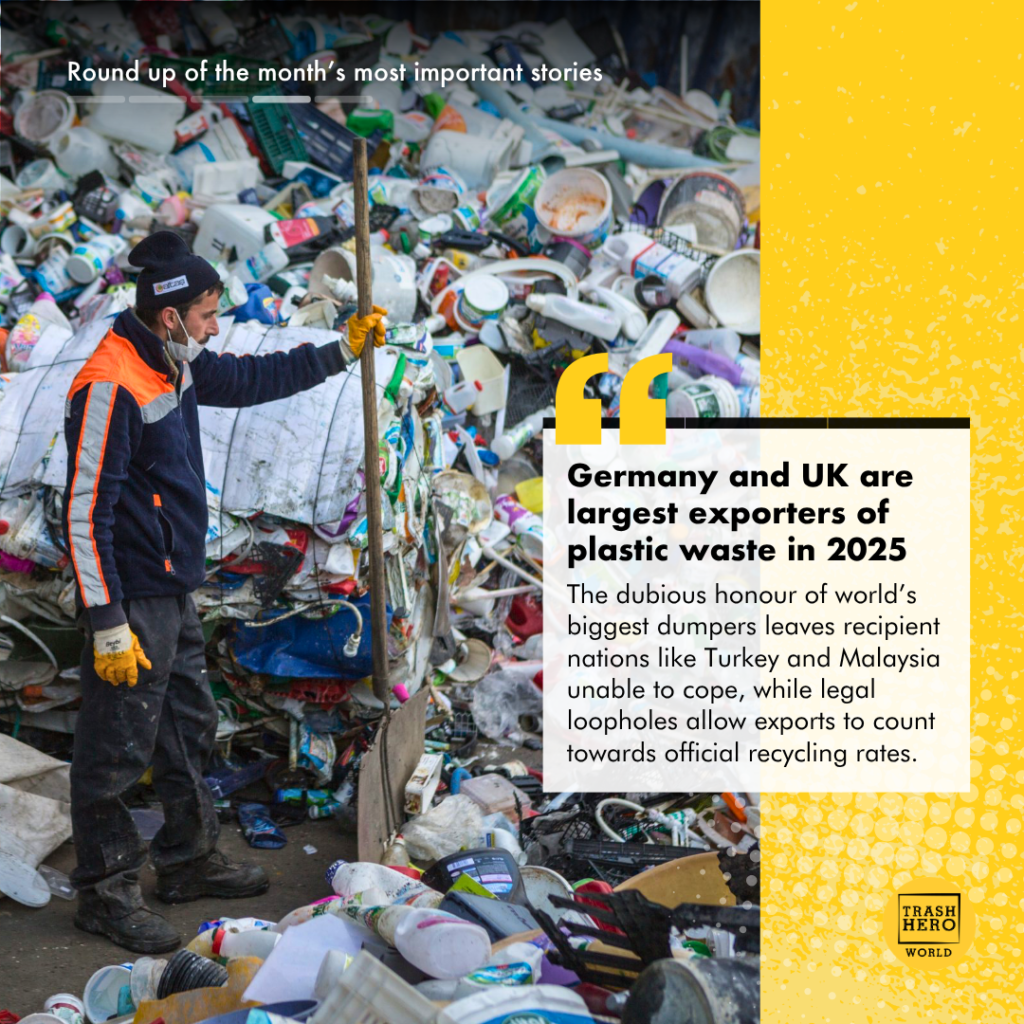
Germany and UK are largest exporters of plastic waste in 2025

The dubious honour of world’s biggest dumpers leaves recipient nations like Turkey and Malaysia unable to cope with the sheer volume of incoming trash, while legal loopholes allow these exports to count towards official recycling rates.

The EU has promised an end to non-OECD exports by November of this year. However this will not cover Turkey, nor another loophole that will allow waste to be exported to the UK (not covered by the regulations), before being shipped on to countries in the Global South.

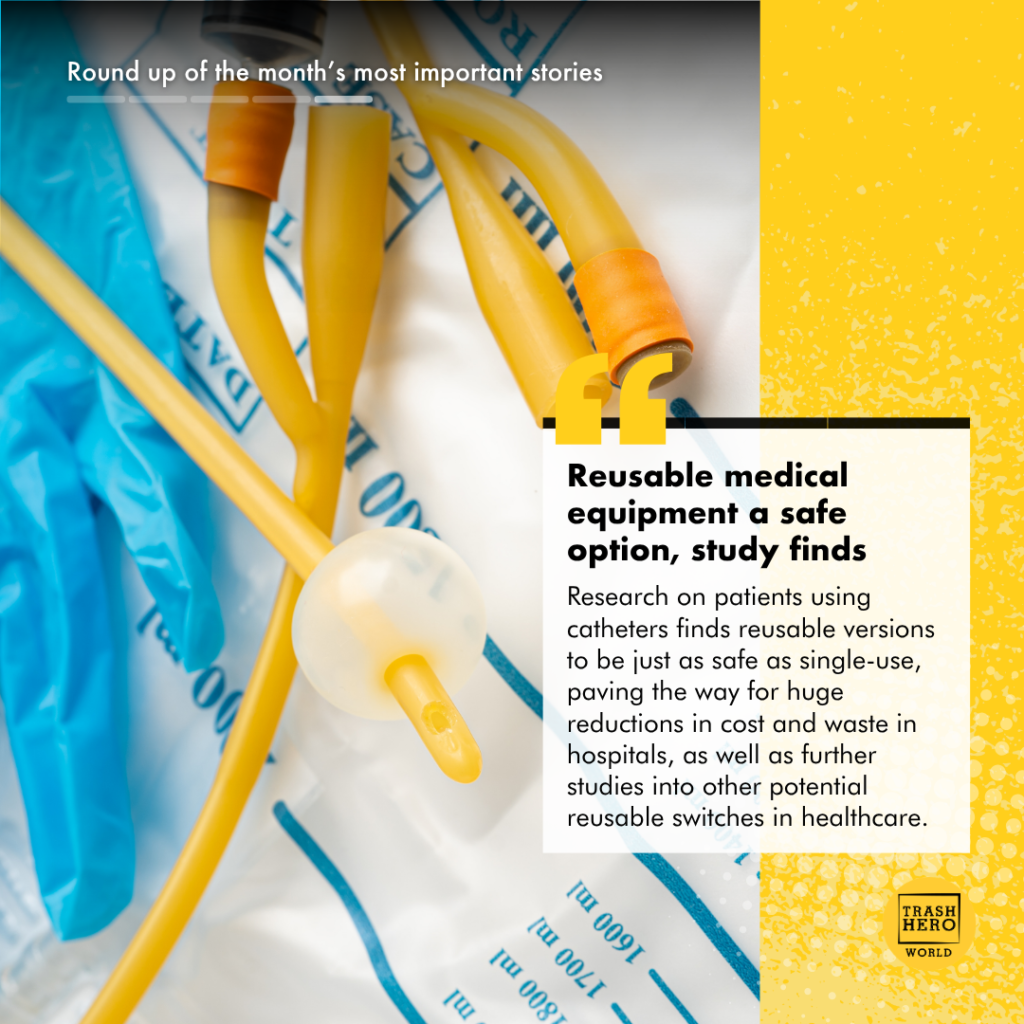
Reusable medical equipment a safe option, study finds

Groundbreaking research on 587 patients using urinary catheters in the UK has found reusable versions to be just as safe as single-use. If the findings are adopted, it would lead to huge reductions in both cost and waste in public hospitals, as well as pave the way for further studies into other potential reusable items in healthcare.

Every month we round up the top stories from the world of plastic pollution – and the work being done to stop it. From aquatic pollution to zero waste, you’ll always be up to date with the latest research, trends and greenwashing tactics.

To sign up to receive the newsletter, click here.

read more
SeemaMay 2026 : Environment news round-up

Koordinator*in für den Rest der Welt (ROW), Homeoffice

by Seema on 20/05/2026 No comments

Bewerbungsfrist: 31. Juli 2026

Gehalt: Nach Vereinbarung (abhängig von Erfahrung und Standort)

Arbeitszeit: Mindestens 30 Stunden pro Woche (verhandelbar)

Standort: Remote; UK, CH oder EU
Bewerber*innen mit Wohnsitz in ihrem Heimatland werden bevorzugt.

Über Trash Hero
Trash Hero World leitet, unterstützt und koordiniert die weltweite Freiwilligenbewegung Trash Hero, die sich für eine saubere Welt frei von Plastikverschmutzung einsetzt.

Die Bewegung begann 2013 mit einem Beach Cleanup-Projekt in Thailand und ist mittlerweile auf rund 90 Chapters (lokale Gruppen) in 14 verschiedenen Ländern angewachsen. Im Mittelpunkt stehen nach wie vor die wöchentlichen Cleanups, durch die wir Aufklärungsarbeit zum Thema Abfallvermeidung leisten. Die Freiwilligen der Chapters führen darüber hinaus weitere Aktivitäten durch, wie z.B. die Gewinnung von Unternehmen für unser Wassernachfüllnetzwerk, Schulbesuche und verschiedene Formen der Öffentlichkeitsarbeit.

Auf nationaler und globaler Ebene setzen wir uns für eine Reduzierung der Plastikproduktion und die Einführung von Zero Waste-Systemen ein. Weitere Informationen zu unserer Arbeit auf unserer Website.

Trash Hero World ist in der Schweiz als gemeinnütziger Verein eingetragen; registrierte Trash Hero-Länderorganisationen gibt es zudem in Grossbritannien, Indonesien, Thailand und Myanmar. Unser globales Koordinationsteam besteht aus etwa 10 Personen, darunter sowohl Mitarbeitende als auch Freiwillige.

Arbeitskultur
Wir pflegen eine offene, freundliche und hilfsbereite Arbeitskultur, in der Mitarbeitende und Freiwillige auf allen Ebenen der Organisation zusammenarbeiten. Wir leben die Werte unserer Trash Hero Family und setzen uns alle persönlich für eine Zukunft ohne Abfall ein.

Unser Team arbeitet remote, grenz- und kulturübergreifend. Wir haben keine physischen Büros. Die Teammitglieder kommunizieren über Chat und treffen sich unter der Woche regelmässig online zu Zeiten, die unsere jeweiligen Zeitzonen berücksichtigen.

Die Arbeitszeiten sind flexibel, es wird jedoch ein hohes Mass an Selbstständigkeit und Eigenverantwortung erwartet. Alle Arbeitszeiten müssen dokumentiert werden. Gelegentliche Arbeit am Wochenende oder am Abend (1–2 Mal pro Jahr) kann nach Absprache erforderlich sein.

Stellenbeschreibung
ROW-Koordinator*in (ROW Coordinator) ist eine neue, unbefristete Stelle, die unsere Aktivitäten im “Rest der Welt” – ausserhalb Asiens – unterstützt. Bislang handelt es sich um ein relativ kleines Netzwerk, das wir jedoch im Laufe der Zeit ausbauen möchten. Die Stelle vereint daher sowohl operative als auch strategische und zukunftsorientierte Aufgaben und umfasst ein breites Spektrum an Verantwortlichkeiten, das vom Freiwilligenmanagement über Kommunikation und Fundraising bis hin zu Übersetzungs- und Verwaltungsaufgaben reicht.

Als Teil des globalen Koordinationsteams gehören zu deinen täglichen Aufgaben beispielsweise die Betreuung oder Problemlösung für Freiwillige, die Überprüfung eingereichter Daten, die Aufnahme von Videos für soziale Medien und das Verfassen von Stiftungsanträgen.

Mit anderen Worten: Es handelt sich um eine ideale Position für eine*n “Allrounder*in” – jemanden mit vielfältigen Fähigkeiten und einer schnellen Auffassungsgabe. Die Stelle eignet sich für Personen, die sowohl organisiert als auch flexibel sind, über eine ausgeprägte Sozialkompetenz verfügen und mühelos Beziehungen aufbauen und pflegen können. Muttersprachliche Kenntnisse in Englisch oder Deutsch sowie umfassende Kenntnisse der jeweils anderen Sprache sind ein Muss.

Für diese Position sind ausserdem ein klares Verständnis der Themen Zero Waste und Plastikverschmutzung sowie der Mission und der Standards von Trash Hero erforderlich. Diese Kenntnisse können im Laufe der Tätigkeit erworben werden.

Hauptaufgaben und Verantwortungsbereiche
Kommunikation (35%*)

  • Betreuung der Social Media Kanäle für UK und die Schweiz (deutschsprachig), einschliesslich der Erstellung von Inhalten (1–2 Beiträge pro Woche, mit Unterstützung unseres Digital Designers).
  • Unterstützung bei der Erstellung von Inhalten für Trash Hero World, insbesondere als Talking Head oder Voice-over-Erzähler*in.
  • Erste Anlaufstelle für die wichtigsten E-Mail- und DM-Adressen (UK, Schweiz, weltweit).
  • Stets aktuelle Fachkenntnisse zu Themen rund um Zero Waste und Plastikverschmutzung sowie zu den Arbeitsbereichen, Abläufen und Richtlinien von Trash Hero pflegen.
  • Medienanfragen beantworten; bei Bedarf Pressemitteilungen für UK und deutschsprachige Länder verfassen; Möglichkeiten für Medienberichterstattung erschliessen.
  • Vertretung von Trash Hero bei Veranstaltungen nach Bedarf, z. B. bei Präsentationen, Fundraising-Events und Networking-Veranstaltungen.

Fundraising (10%)

  • Recherche und Beantragung von internationalen Fördermitteln (UK, US und andere englischsprachige Anträge).
  • Monitoring und Berichterstattung für bestehende internationale Fördermittel durchführen.

Programmkoordination (35%)

  • Unterstützung und Betreuung der bestehenden Chapters und Freiwilligen, sowohl in Einzelgesprächen als auch in Gruppenmeetings.
  • Aktive Gewinnung neuer Chapters; Einarbeitung und Schulung von neuen Freiwilligen.
    Unterstützung bei der Umsetzung, Überwachung und Bewertung von Programmen und Projekten in der ROW-Region, einschliesslich:

    • Bestellung von Materialien und sonstige logistische Aufgaben
    • Sammeln von Daten zu den Chapter-Aktivitäten
    • Betreuung neuer und bestehender ROW-Refill-Stationen
    • Zusammenarbeit mit Schulen und anderen Interessengruppen

Admin & Übersetzung (20%)

  • Vereinzelte Social Media Beiträge, den monatlichen Newsletter und andere Dokumente vom Englischen ins Deutsche übersetzen.
  • Pflege der Kontaktdatenbank der ROW-Freiwilligen.
  • Überwachung von Updates und Verstössen im Zusammenhang mit unseren Markenrechten.
  • Grundlegende Sekretariatsaufgaben für den Vorstand von Trash Hero UK und Friends of Trash Hero World.
  • Bei Bedarf weitere Massnahmen zur Unterstützung des globalen Koordinationsteams.

*geschätzte Zeitangaben in Prozent

Berufserfahrung & Fähigkeiten

Erforderlich

  • Englisch auf muttersprachlichem oder nahezu muttersprachlichem Niveau (C1-2), geschrieben und gesprochen
  • Deutsch auf muttersprachlichem oder nahezu muttersprachlichem Niveau (C1-2), geschrieben und gesprochen
  • Mindestens 7 Jahre Berufserfahrung im Bereich Kundenservice, Kommunikation oder einer ähnlichen Allround-Position
  • Hervorragende mündliche, schriftliche und zwischenmenschliche Kommunikationsfähigkeiten, inkl. ausgeprägter Vermittlungs-, Überzeugungs- und Verhandlungsfähigkeiten
  • Sicher im Präsentieren und bei öffentlichen Reden
  • Ein gutes Verständnis für Menschen und dafür, wie man sie unterstützt und motiviert
  • Fähigkeit, kritisch, kreativ und strategisch zu denken
  • Hervorragende Networking-Fähigkeiten
  • Gute IT Fähigkeiten (Excel, Word, Powerpoint und Google Workspace Äquivalente, einschliesslich Forms)
  • Fähigkeit, mit Menschen unterschiedlichen Alters, unterschiedlicher Herkunft und unterschiedlicher Kultur zusammenzuarbeiten
  • Eine präzise, gründliche und effiziente Arbeitsweise

Zusätzliches Plus

  • Vorherige Erfahrung im ehrenamtlichen Engagement und/oder im Fundraising
  • Kenntnisse über Best Practices auf den wichtigsten Social Media Plattformen.
  • Kenntnisse über Zero Waste Prinzipien und Themen rund um die Plastikverschmutzung
  • Kenntnisse in Canva, WordPress und Mailchimp; Lernbereitschaft, falls diese Kenntnisse nicht vorhanden sind

Einstellungsverfahren

Bewerbungen sind per E-Mail einzureichen und müssen Folgendes enthalten:

  • Lebenslauf mit 2 Referenzkontakten
  • ein Motivationsschreiben, in dem die wichtigsten Aufgaben, Erfahrungen und Fähigkeiten dargelegt werden
  • ein kurzes Video (weniger als 2 Minuten), in dem du dich vorstellst und erklärst, warum du gerne in dieser Position bei uns arbeiten möchtest

AI Richtlinie: Wir nutzen KI ausschliesslich als Hilfsmittel (zur Geschwindigkeits- und Effizienzsteigerung), niemals jedoch, um Denkprozesse auszulagern. Alle von KI generierten Inhalte werden vor ihrer Verwendung von einem Menschen kritisch begutachtet und auf ihre Richtigkeit überprüft. Grundsätzlich führt daher die Einreichung von unveränderten und/oder generischen, von KI generierten Inhalten im Rahmen einer Bewerbung zwangsläufig zur Ablehnung (und ja, wir erkennen das!).

Geeignete Bewerber*innen werden zu einem Online-Eignungstest und einem Vorstellungsgespräch eingeladen.

read more
SeemaKoordinator*in für den Rest der Welt (ROW), Homeoffice

April 2026 : Environment news round-up

by Fayrouz on 30/04/2026 No comments

Our round-up of the month’s most important stories.

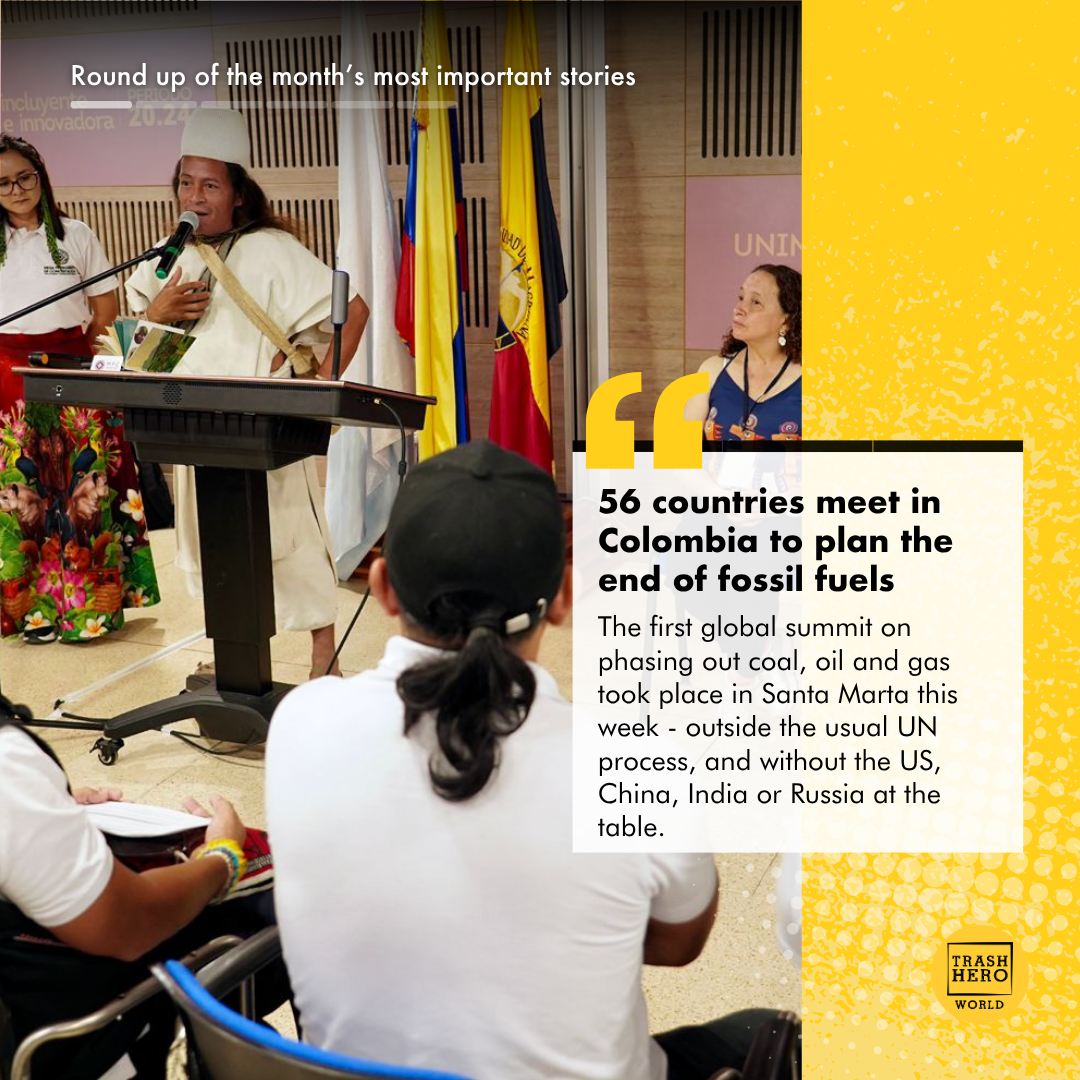
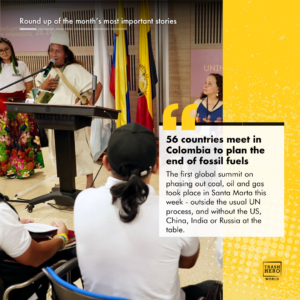
56 countries meet in Colombia to plan the end of fossil fuels

For the first time, 56 governments gathered in Santa Marta, Colombia to begin planning a fossil fuel phaseout – outside the usual UN process. Notably, calls to reduce petrochemicals were also on the table, with GAIA and others pushing for declining caps on plastic production as part of the transition. A second conference is already planned – in Tuvalu.


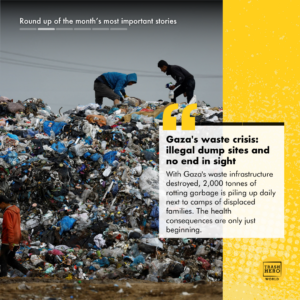
Gaza’s waste crisis: illegal dump sites and no end in sight

With Gaza’s waste infrastructure destroyed, 2,000 tonnes of rotting garbage is piling up daily next to camps of displaced families. The health consequences are only just beginning.


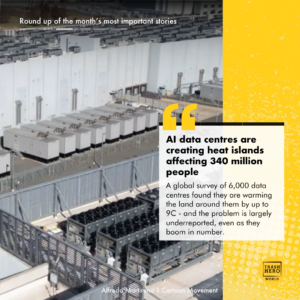
AI data centres are creating heat islands affecting 340 million people

A global survey of 6,000 data centres found they are warming the land around them by up to 9C – and the problem is largely underreported, even as they boom in number.


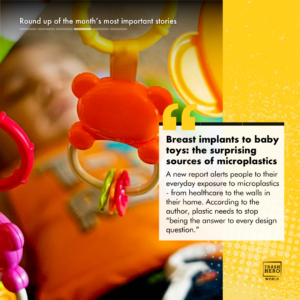
Breast implants to baby toys: the surprising sources of microplastics

A new report maps microplastic exposure across five areas of daily life – from children’s toys and household paint to hospital equipment and breast implants. Premature babies in neonatal units are estimated to receive up to 115 microplastic particles in just 72 hours. If you want to reduce your own exposure at home, the BBC has a practical guide on where to start.


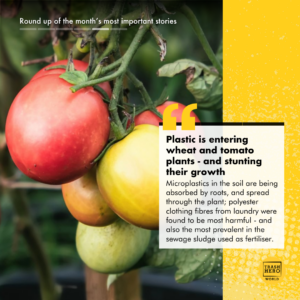
Plastic is entering wheat and tomato plants – and stunting their growth

Microplastics in the soil are being absorbed by roots, and spread through the plant; polyester clothing fibres from laundry were found to be most harmful – and also the most prevalent in the sewage sludge used as fertiliser.


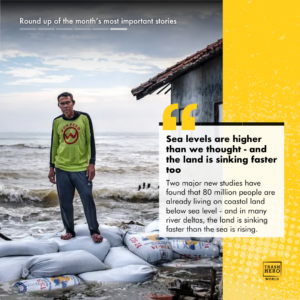
Sea levels are higher than we thought – and the land is sinking faster too

Two major new studies have found that 80 million people are already living on coastal land below sea level – and in many river deltas, the land is sinking faster than the sea is rising.


Every month we round up the top stories from the world of plastic pollution – and the work being done to stop it. From aquatic pollution to zero waste, you’ll always be up to date with the latest research, trends and greenwashing tactics.

To sign up click here.

read more
FayrouzApril 2026 : Environment news round-up

March 2026 : Environment news round-up

by Seema on 26/03/2026 No comments

Our round-up of the month’s most important stories.

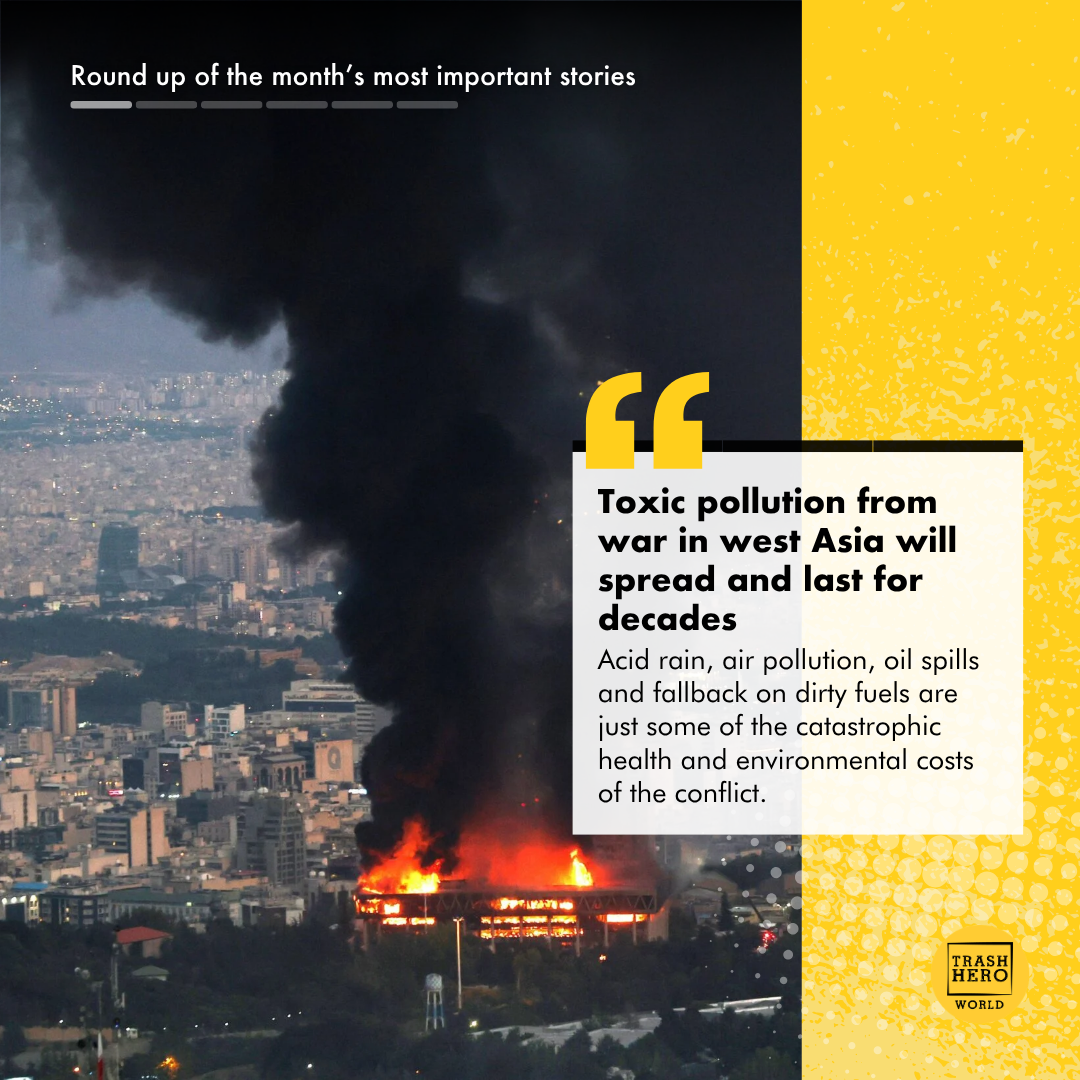
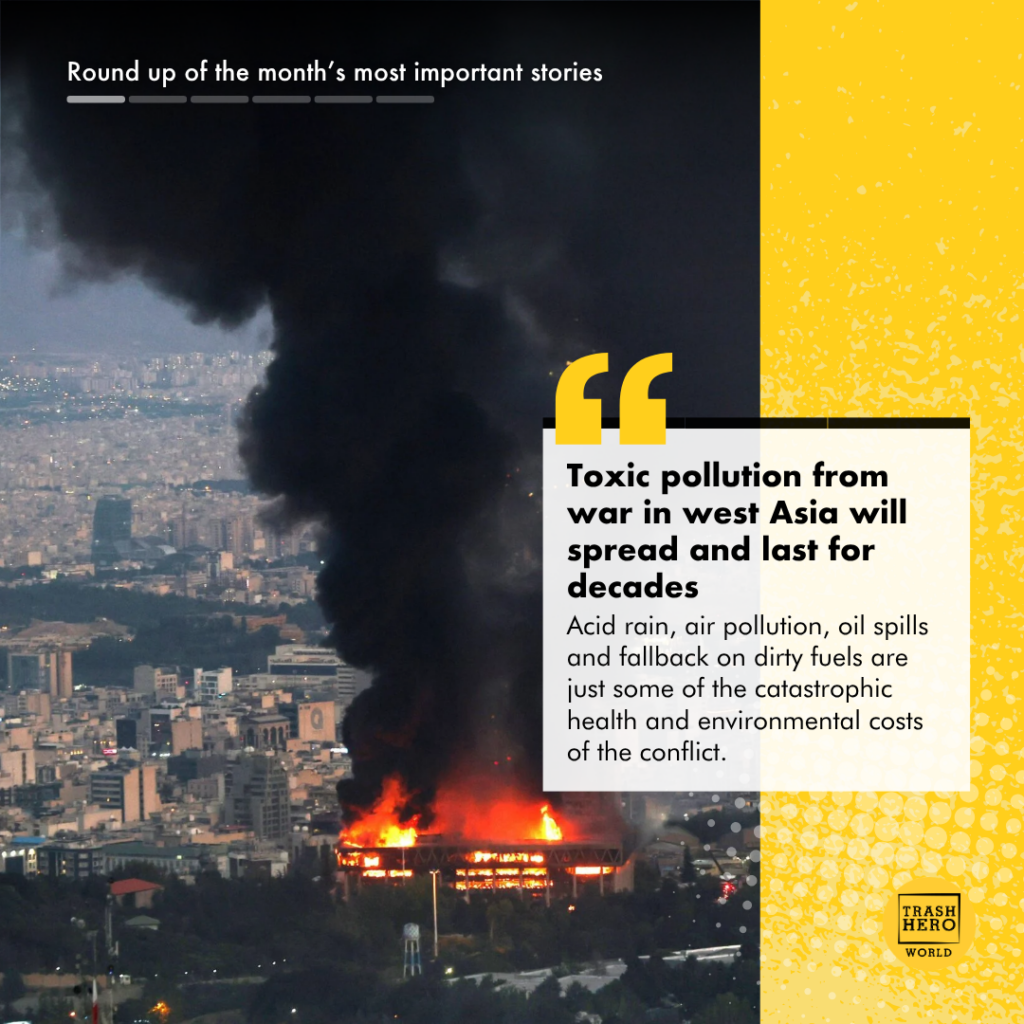
Toxic pollution from war in west Asia will spread and last for decades

Acid rain, air pollution, oil spills and multiple countries falling back on dirty fuels are just some of the catastrophic health and environmental costs of the conflict – costs that will be borne long after the financial markets restabilise and the news cycle moves on.


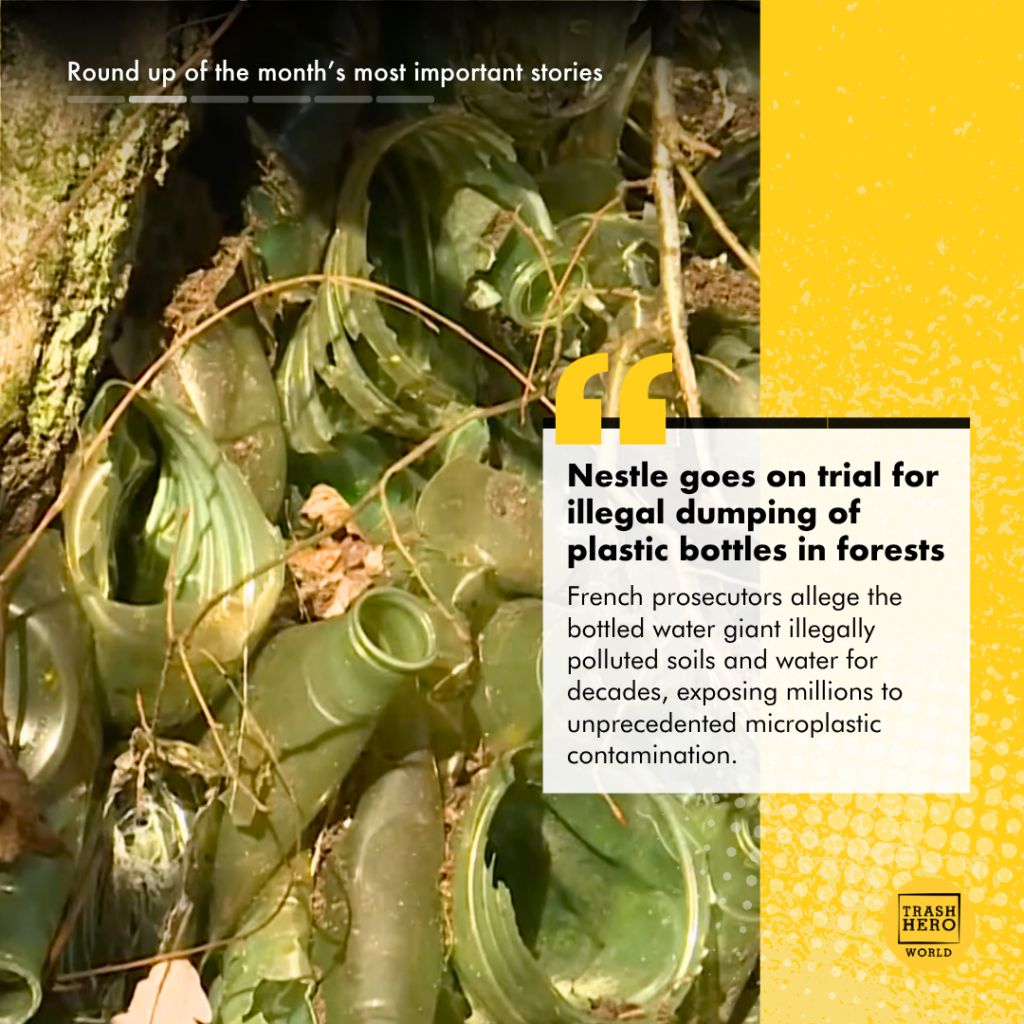
Nestle goes on trial for illegal dumping of plastic bottles in French forests

Criminal prosecutors in the Vosges region allege the world’s largest bottled water company illegally polluted soils and water with discarded plastic from their plants for decades, exposing ecosystems and millions of residents to unprecedented and “immeasurable” microplastic contamination.


Could giving up plastic boost your chances of having a baby?

A new Netflix documentary, The Plastic Detox, follows six couples with unexplained infertility over six months as they lower their exposure to plastics: will it finally help them conceive?

Spoiler alert: Netflix has also published an article to share what happened after the cameras stopped rolling.


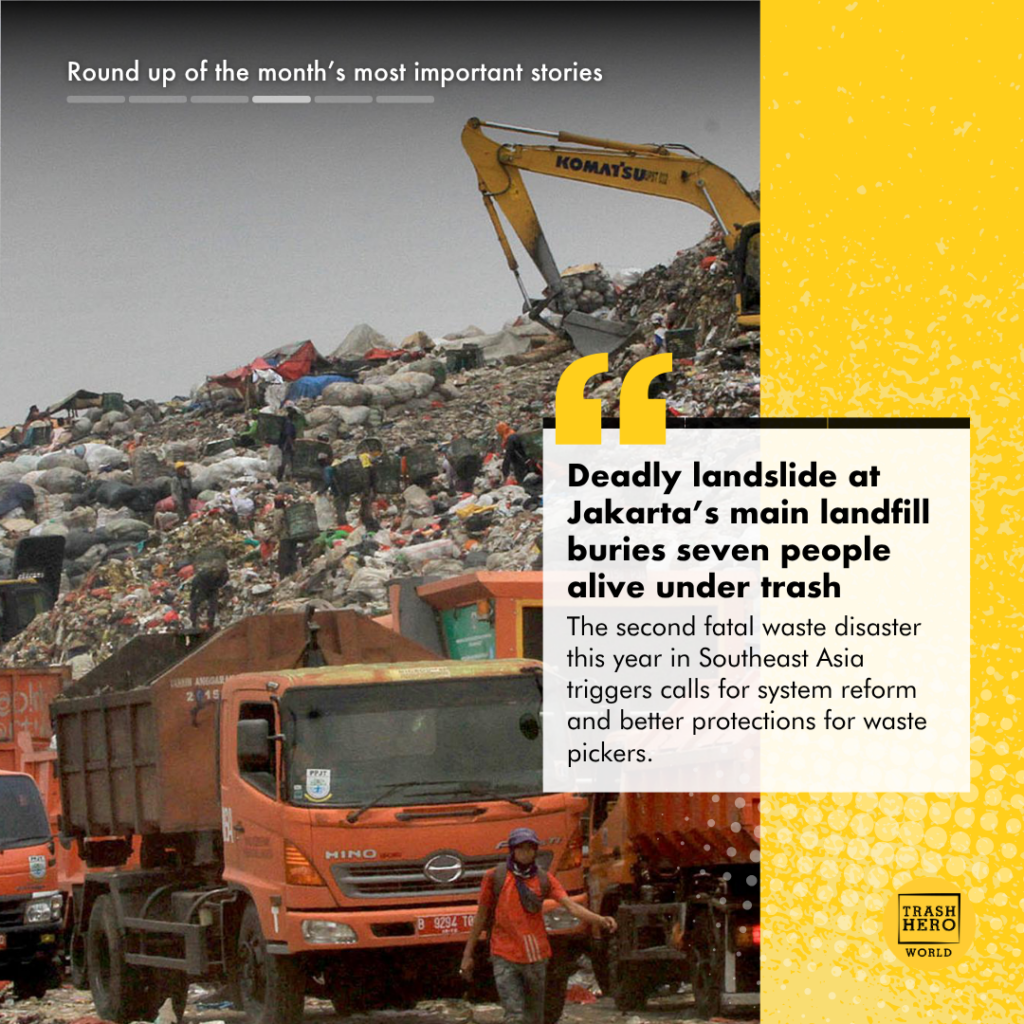
Deadly landslide at Jakarta’s main landfill buries seven people alive under trash

The second fatal waste disaster this year in Southeast Asia, at Bantar Gebang – Indonesia’s biggest landfill – triggers calls for system reform and better protections for waste pickers.

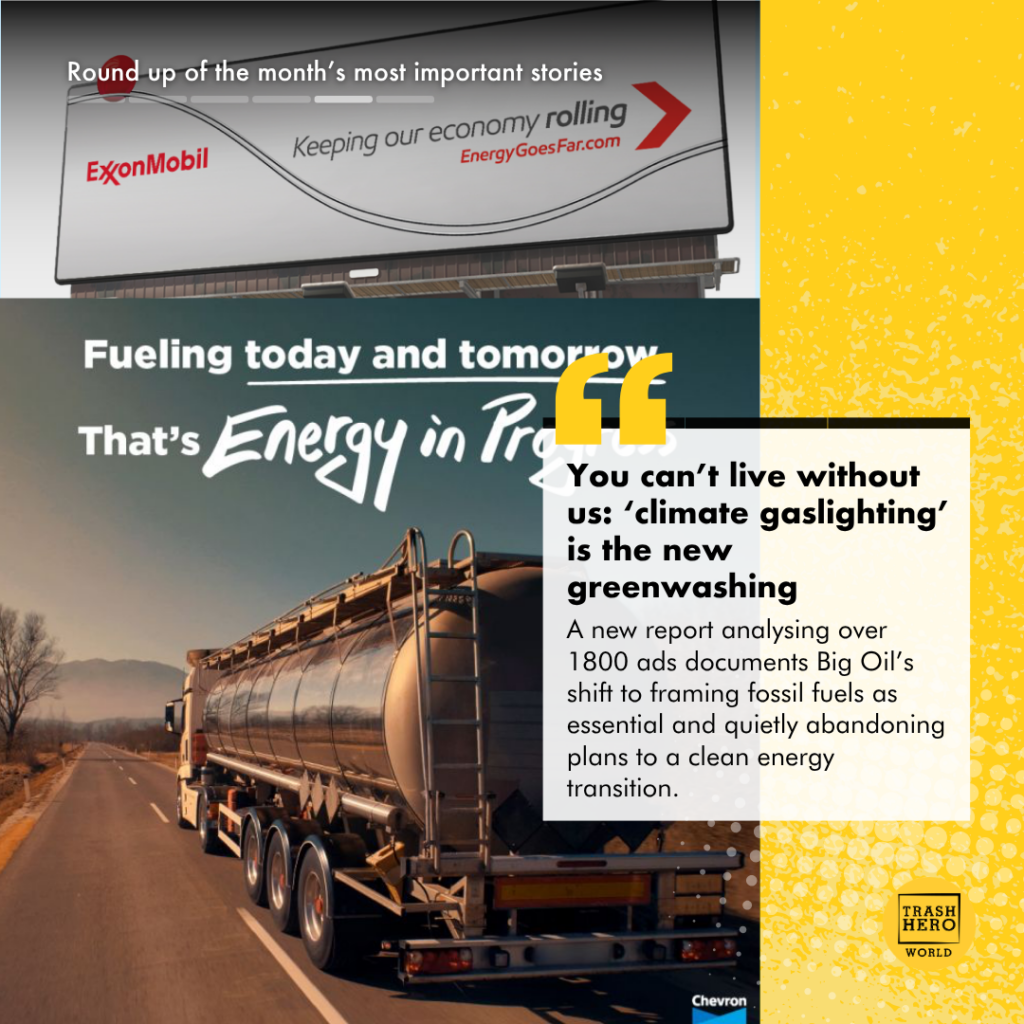
‘Climate gaslighting’ is the new greenwashing

A new report from Clean Creatives analysing over 1800 ads documents Big Oil’s shift from making green promises to framing fossil fuels as essential to society and quietly abandoning plans to a clean energy transition.

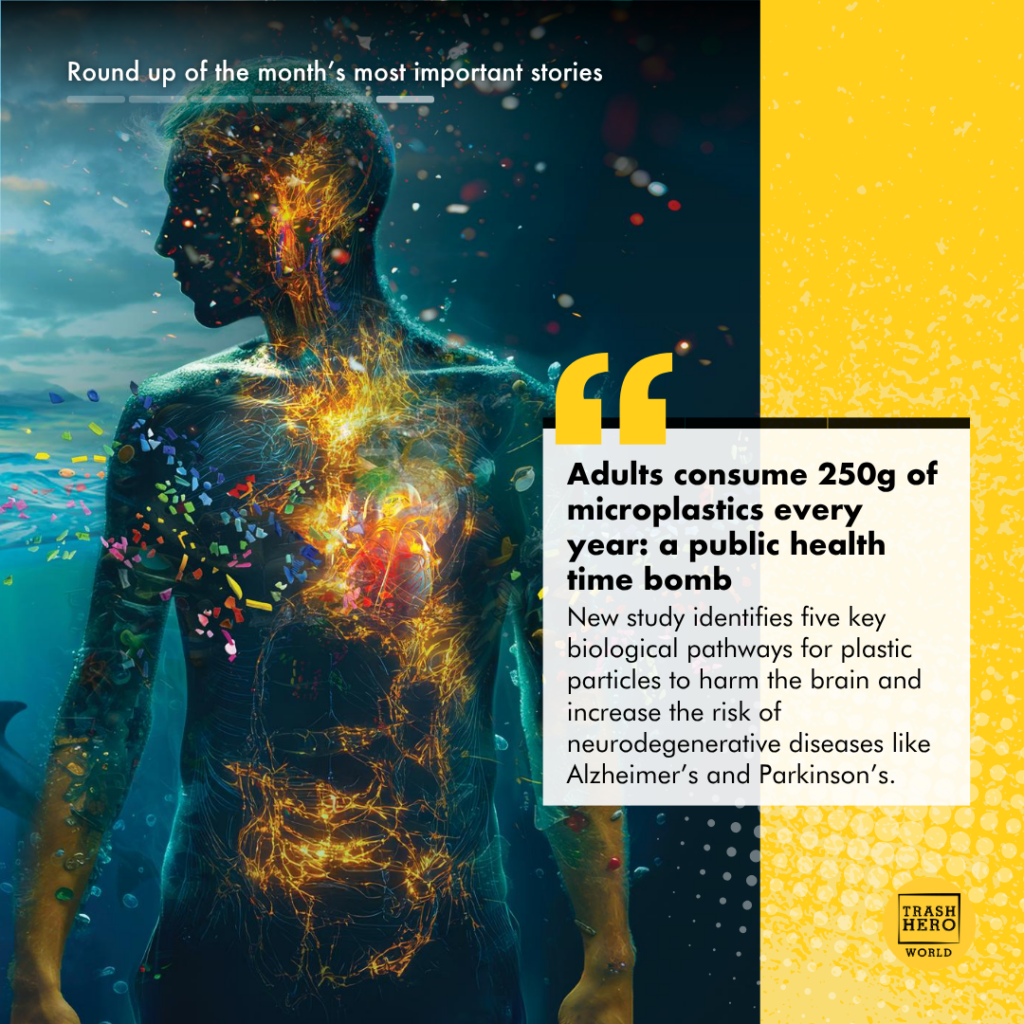
Adults consume 250g of microplastics every year: a public health time bomb

A new study published in Molecular and Cellular Biochemistry claims adults ingest a dinner plate’s worth of microplastics annually and identifies five key biological pathways for the plastic particles to harm the brain and increase the risk of neurodegenerative diseases like Alzheimer’s and Parkinson’s.

Every month we round up the top stories from the world of plastic pollution – and the work being done to stop it. From aquatic pollution to zero waste, you’ll always be up to date with the latest research, trends and greenwashing tactics.

To sign up click here.

read more
SeemaMarch 2026 : Environment news round-up

February 2026 : Environment news round-up

by Seema on 25/02/2026 No comments

Our round-up of the month’s most important stories.

Major win as Canada allows plastic to be legally listed as toxic

In 2021, the Canadian government included a statement in the Environmental Protection Act to recognise all manufactured plastic items as toxic. In 2023, after vociferous protests from the plastics industry, the wording was ordered to be removed by a Federal Court judge.

But now, a unanimous ruling from the Federal Court of Appeal has overturned that decision, paving the way for single-use plastics bans in Ottawa and beyond.


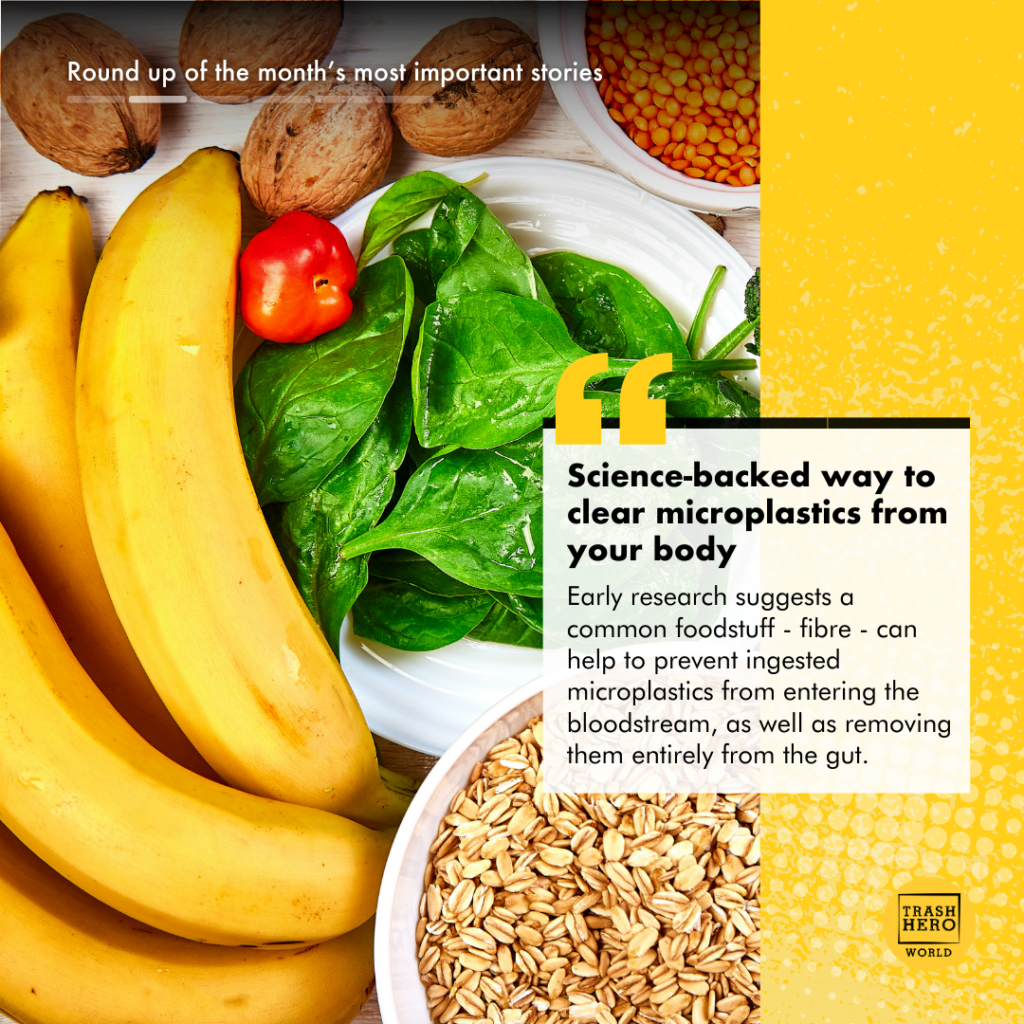
Science-backed way to clear microplastics from your body

Early research on rats in Japan suggests a common foodstuff – dietary fibre – could help to prevent ingested microplastics from entering the bloodstream, as well as helping to remove them entirely from the gut.

Scientists are now working to identify the exact type of fibre that has these effects. Until more is known, the best policy remains avoidance.
 

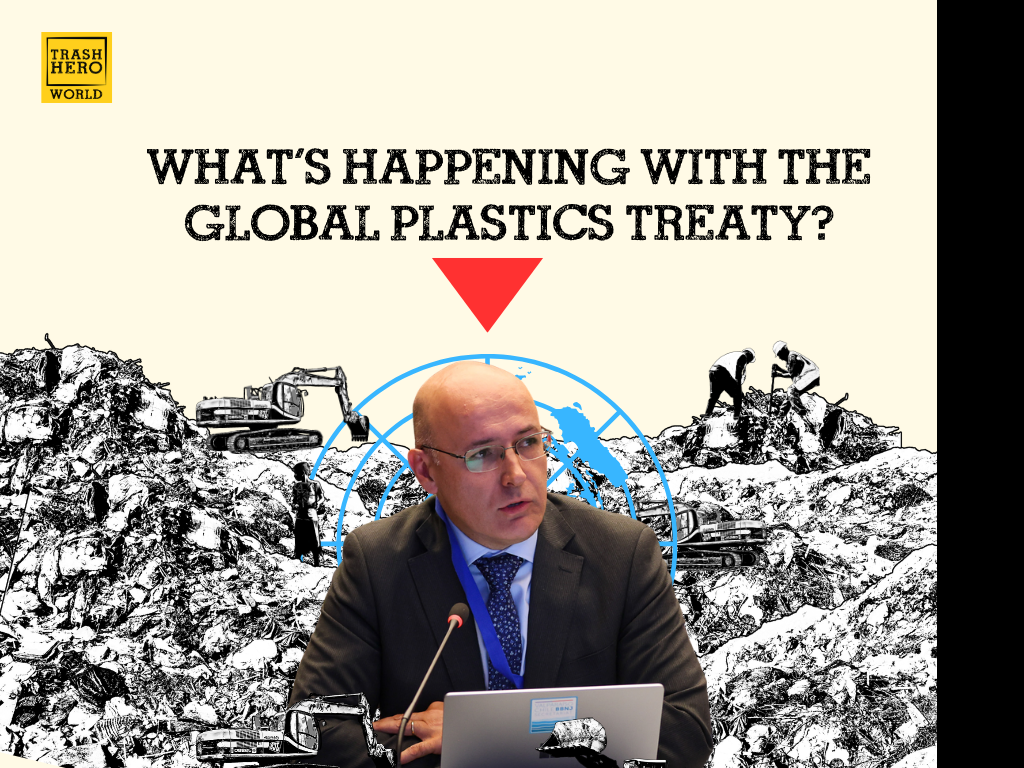
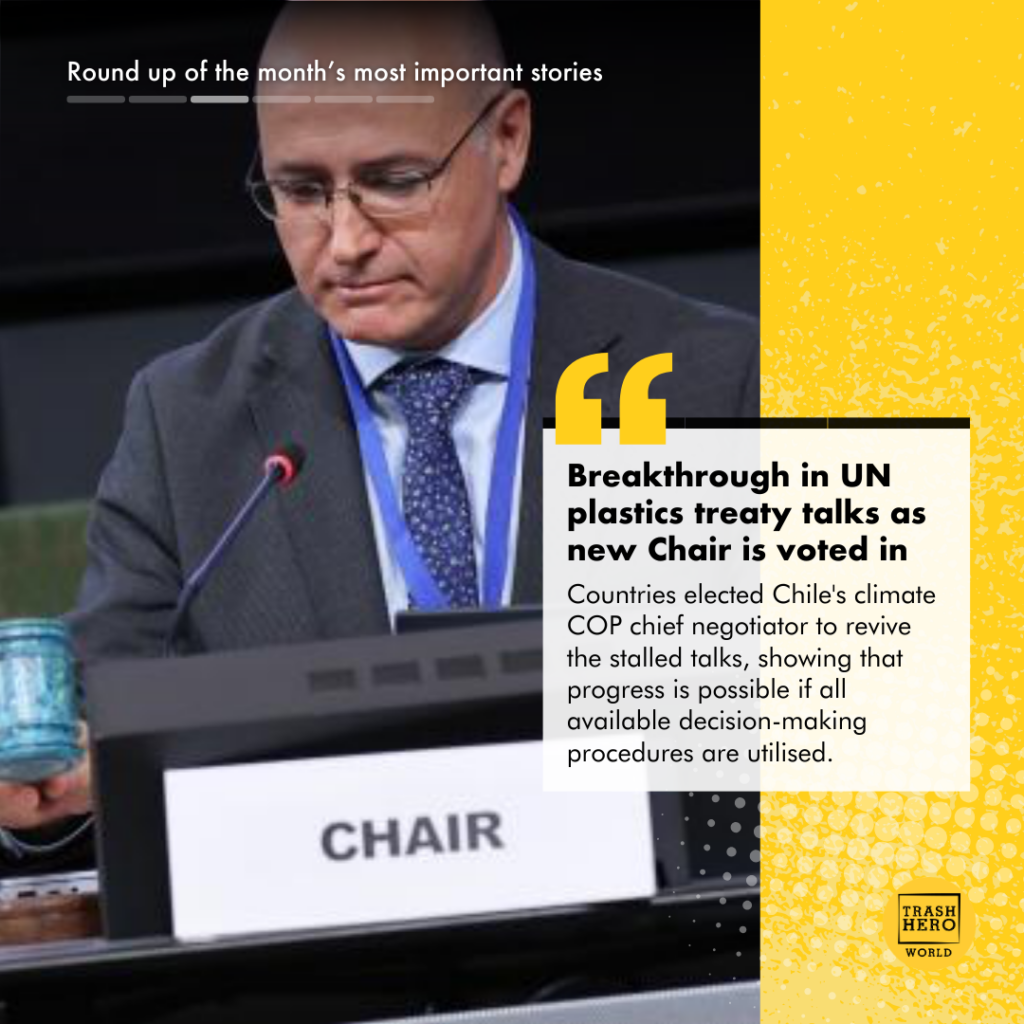
Breakthrough in UN plastics treaty talks as new Chair is voted in

On 7 February in Geneva, countries elected Julio Cordano, Chile’s climate COP chief negotiator, to revive the talks that have been stalled since August 2025. Although discussions at that meeting were limited to procedural matters, the outcome shows that progress is possible if parties move beyond consensus and use all available decision-making tools.


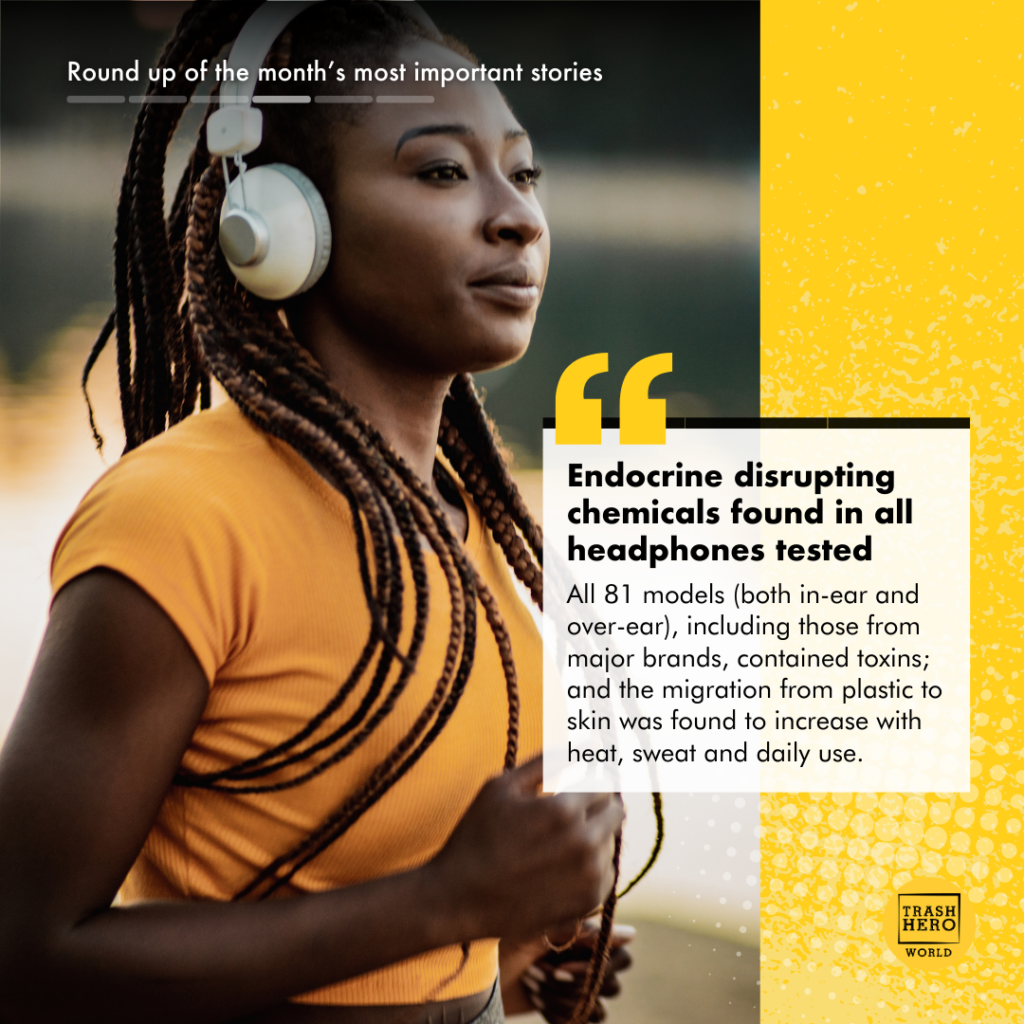
Endocrine disrupting chemicals found in all headphones tested

The Tox Free Life For All project found all 81 models (both in-ear and over-ear), including those from major brands like Bose, Samsung and Panasonic, contained toxic additives; and the migration from plastic to skin was found to increase with heat, sweat and daily use.

The cocktail of chemicals in plastic have been linked to the global rise in rates of cancer, obesity and infertility.

What if 1 in 10 people changed how they eat, drive, heat and shop?

A new AP report focusing on American consumers, says the result would be more than 90 million metric tons less greenhouse emissions in the USA, a remarkable reduction for small lifestyle changes in just 10% of the population.
Now, let’s hear about the impact of 1 in 10 polluting companies changing their ways! That would likely have an even greater impact.

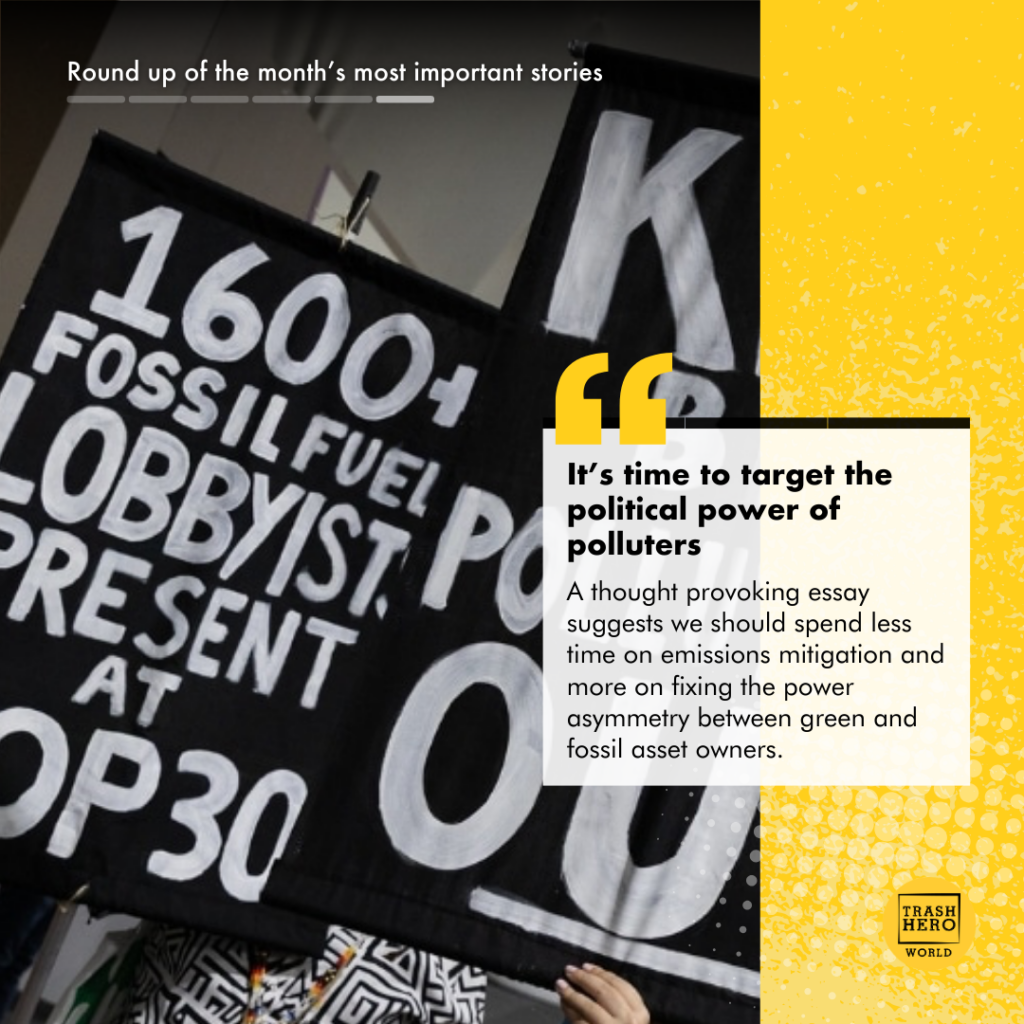
It’s time to target the political power of polluters

A thought provoking essay suggests that to effectively address climate breakdown and environmental pollution we should spend less time worrying about emissions mitigation and more on fixing the power asymmetry between green and fossil asset owners. Read the full analysis here.
Every month we round up the top stories from the world of plastic pollution – and the work being done to stop it. From aquatic pollution to zero waste, you’ll always be up to date with the latest research, trends and greenwashing tactics.

To sign up click here.

read more
SeemaFebruary 2026 : Environment news round-up

This is what showing up looks like

by Seema on 29/01/2026 No comments

Change doesn’t start with promises. It starts with people who show up. 

Every week, Trash Hero volunteers take action in their communities – to clean, educate and change the way people view, handle and prevent waste. This year, we were active in 95 locations in 14 countries (Cambodia, Czech Republic, Germany, Indonesia, Japan, Kuwait, Malaysia, Myanmar, Serbia, South Korea, Switzerland, Thailand, USA, and Vietnam). 

After collating the data logged globally during 2025, we’re proud to share what we achieved together in this short video:

Below, we break down the impact of each of our core programmes.

Action and Awareness

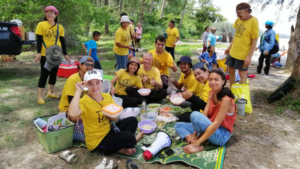
In 2025 alone, Trash Hero volunteers organised 2,071 community cleanups, mobilising 37,089 volunteers, including 10,922 under 16s. Together, they collected 115.1 tonnes of trash.

This brings the total impact of our Action and Awareness programme from December 2013 to December 2025 to:

  • 25,378 cleanups organised
  • 599,248 volunteers mobilised (including 165,842 under 16s)
  • 2,716,807 kg of trash collected 

Trash Hero Communities 

Thanks to their consistent and reliable action, our volunteers are often given opportunities to share their knowledge and perspectives on waste. This includes giving educational presentations, supporting zero-waste events, or joining policy discussions. In 2025, Trash Hero volunteers organised or participated in 237 community events, engaging 14,425 people in the issues surrounding plastic pollution and the actions needed to solve it.

Since 2022, Trash Hero volunteers have engaged 40,110 people in 700 such events.

Our Trash Hero Communities programme also includes our water refill network, which currently consists of 584 participating businesses. In 2025 alone, they have prevented the use of 1.8 million single-use plastic bottles and 98 tonnes of CO2 emissions. Since the project began, it has:

Kids and Education

Our Trash Hero Kids programme engages primary school children in the stewardship of their environment, using a story and activity book to support long term behavioural change. In 2025, 629 new kids enrolled in the programme. We also ran 59 events for kids, introducing 6,856 under 16s to the critical issues of plastic pollution. We started logging these events in 2022; since then we have held a total of 298 kids’ events, involving 21,366 children.

Thank you to everyone over the years who has joined, organised, donated, shared, and believed. You are a vital part of our movement.

We hope you’ll join us again in 2026. 

read more
SeemaThis is what showing up looks like

January 2026 : Environment news round-up

by Seema on 29/01/2026 No comments

Our round-up of the month’s most important stories.

Plastic emissions could double health damage by 2040

A major new study in The Lancet predicts rising harm driven by the production of new plastic, through greenhouse gas emissions, air pollution and the release of toxic chemicals.

Researchers identified risks at every stage of the plastics life cycle and concluded that only radical systems change, including limits on production, could reduce the anticipated health burden.


Landfill collapses in Cebu City, Philippines, burying dozens of workers alive

“Preventable tragedy” claims lives of 36 waste workers and injures 18 more, leading to calls for an independent investigation and drastic system change.

This article gives the inside story of “living and dying on the edge of the dump.”


Ghost recycling: how Big Oil rebrands fossil fuels as “green” plastic

A major new investigation reveals the world’s largest plastic producers are mislabelling mainly virgin plastic as “recycled” and selling it to brands who use it to promote their sustainable credentials to shoppers. Not only that, but the EU seems to be caving to pressure to both legalise and subsidise the misleading practice.


Why plastic bans aren’t working and what needs to change

The EU banned multiple items of single-use plastic in 2021. So why are they still around?

Global markets, weak enforcement and legal loopholes are all to blame, says a new report by Deutsche Welle.


Burning plastic waste for household fuel puts millions of lives at risk

The global trends of excessive plastic production, waste export (overseas dumping) and urban poverty are converging to create conditions where families are eating and heating with toxic trash, according to new research.

The survey looked at low-income households in 26 countries across the Global South and found the same disturbing patterns; the researchers called for more attention to this “hidden problem”.

Beyond cleanups: a Sunday with Trash Hero Jakarta

The Jakarta Post features the work of our Indonesian volunteers, and how it is helping to tackle the real problems upstream.

“Knowledge from the ground, rooted in lived experience, has the power to shape policy,” concludes the reporter.

Every month we round up the top stories from the world of plastic pollution – and the work being done to stop it. From aquatic pollution to zero waste, you’ll always be up to date with the latest research, trends and greenwashing tactics.

To sign up click here.

read more
SeemaJanuary 2026 : Environment news round-up

December 2025 : Environment news round-up

by Seema on 25/12/2025 No comments

Our round-up of the month’s most important stories.

Reuse schemes could help eliminate plastic pollution in 15 years, says new report

97% of packaging pollution could be stopped by 2040 with investments in reuse infrastructure and replacement of plastic with safer alternative materials, according to the Pew Foundation, whose Breaking the Plastic Wave 2025 report also predicts that if nothing is done, plastic pollution will double in the same timespan.


Nike, Lacoste and Superdry ads banned for greenwashing

The UK Advertising Standards Agency finds the brands were making exaggerated and unsubstantiated claims about the environmental benefits of their clothing in Google Ads published earlier this year.


“Upcycled” clothing worsens microplastics problem

Recycled polyester, promoted as a sustainable material by big brands like Patagonia, Zara and H&M, has been found to shed 55% more microplastic fibres than regular polyester, in lab testing carried out by Changing Markets Foundation. Its increasing use is worsening the pollution it set out to solve.


Veteran activist takes on another petrochemical chemical giant

The formidable Goldman Prize winner, Diane Wilson, has filed an intent to sue Dow for “untold quantities of plastic nurdles and other pollutants” her organisation has found leaking from its Seadrift, Texas plant into the surrounding waters and lands.


Villages around Hanoi recycle the world’s waste, but pay with their health

Excessive dumping and minimal regulations have left all residents exposed to dangerous toxins, leading to a life expectancy a full decade less than the national average in Vietnam.

Why global environment negotiations keep failing – and what we can do about it

We need to modernise a system that was built for a different era and different problems than the complex, interconnected ones we face today, says a UCL scientist in this interesting thought piece.

Lisbon to expand reusable cup scheme

The CopoMais deposit and return service piloted this year will be rolled out across the city centre in the first quarter of 2026, making Lisbon one of the first European cities to enable reuse at scale and saving millions of single-use takeaway cups.

Every month we round up the top stories from the world of plastic pollution – and the work being done to stop it. From aquatic pollution to zero waste, you’ll always be up to date with the latest research, trends and greenwashing tactics.

To sign up click here.

read more
SeemaDecember 2025 : Environment news round-up