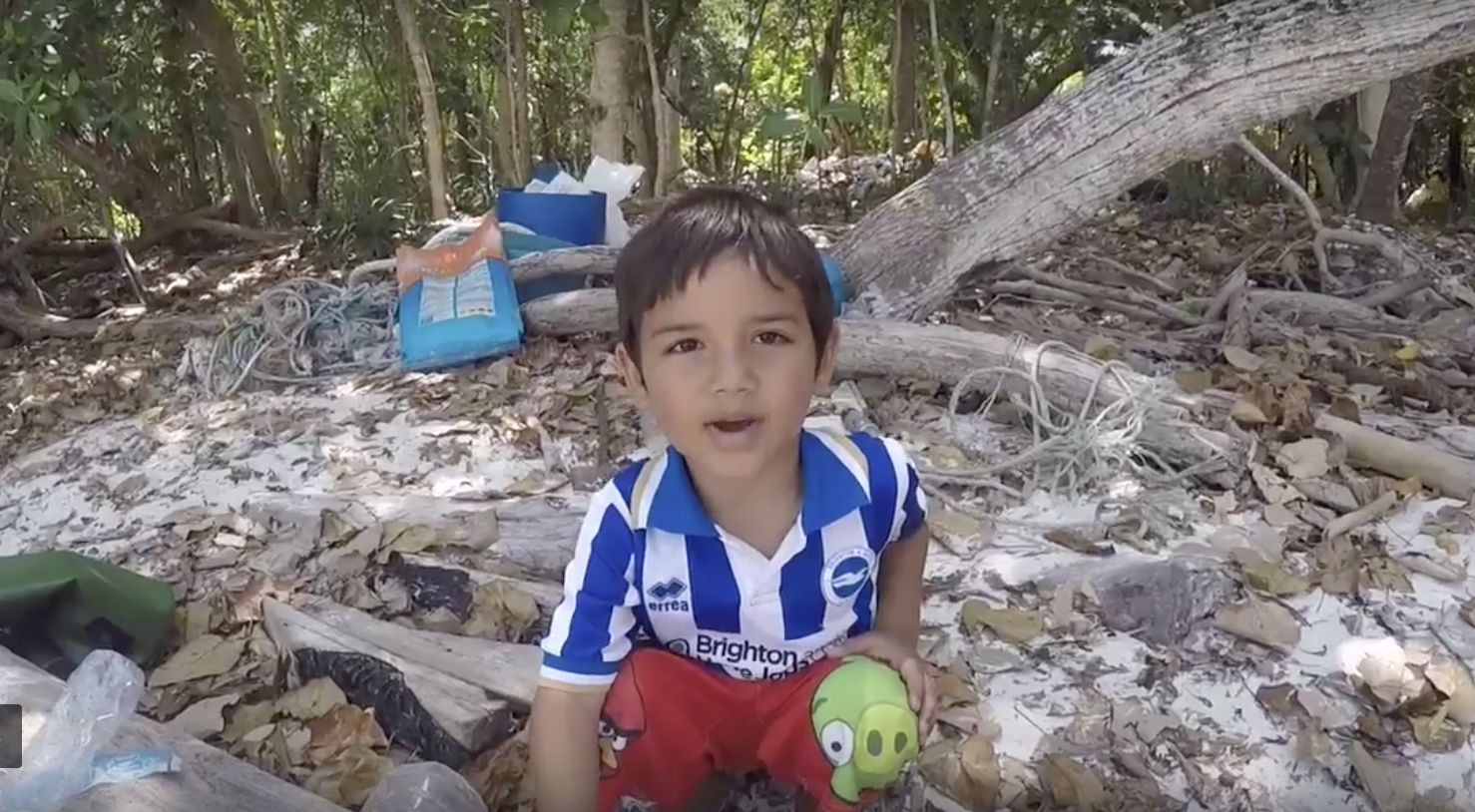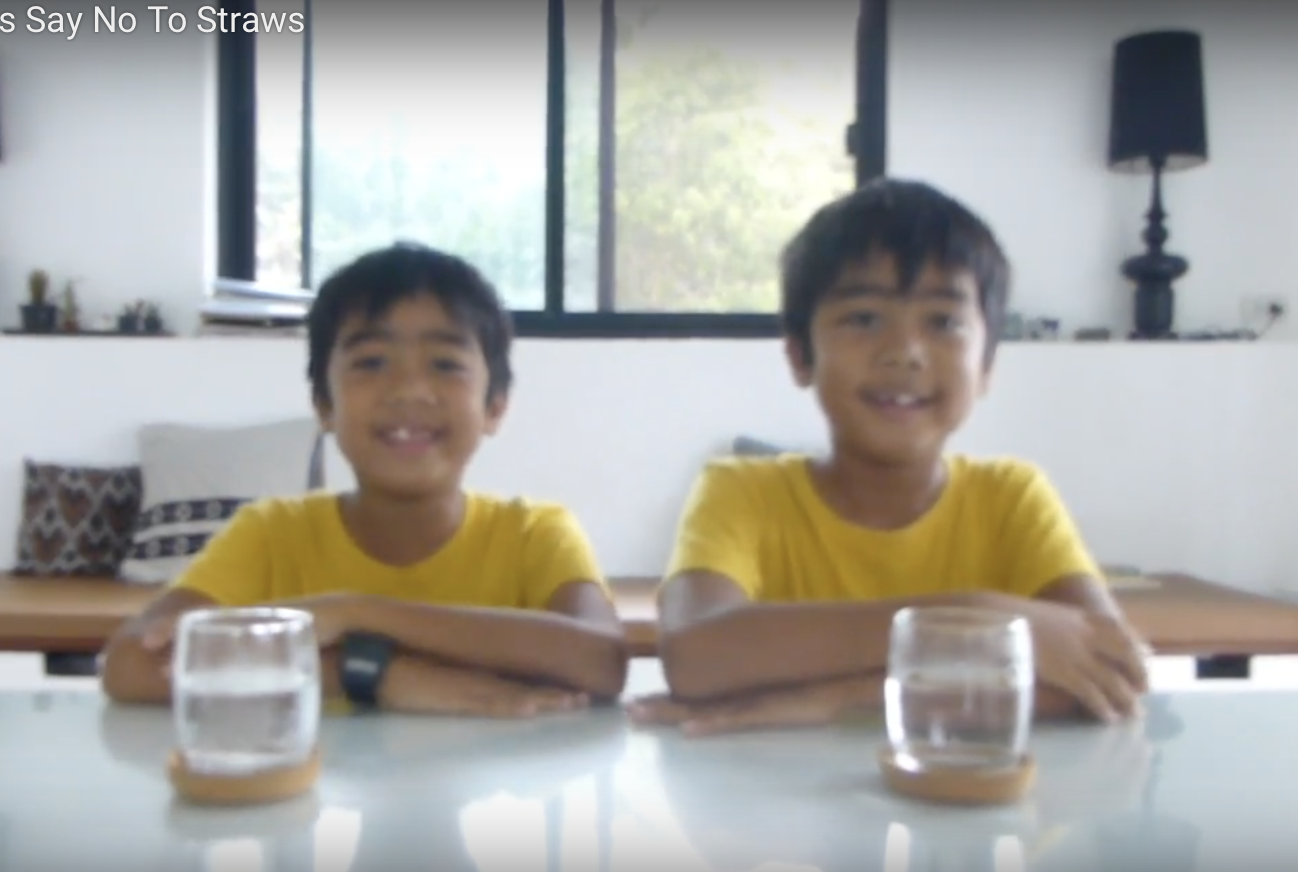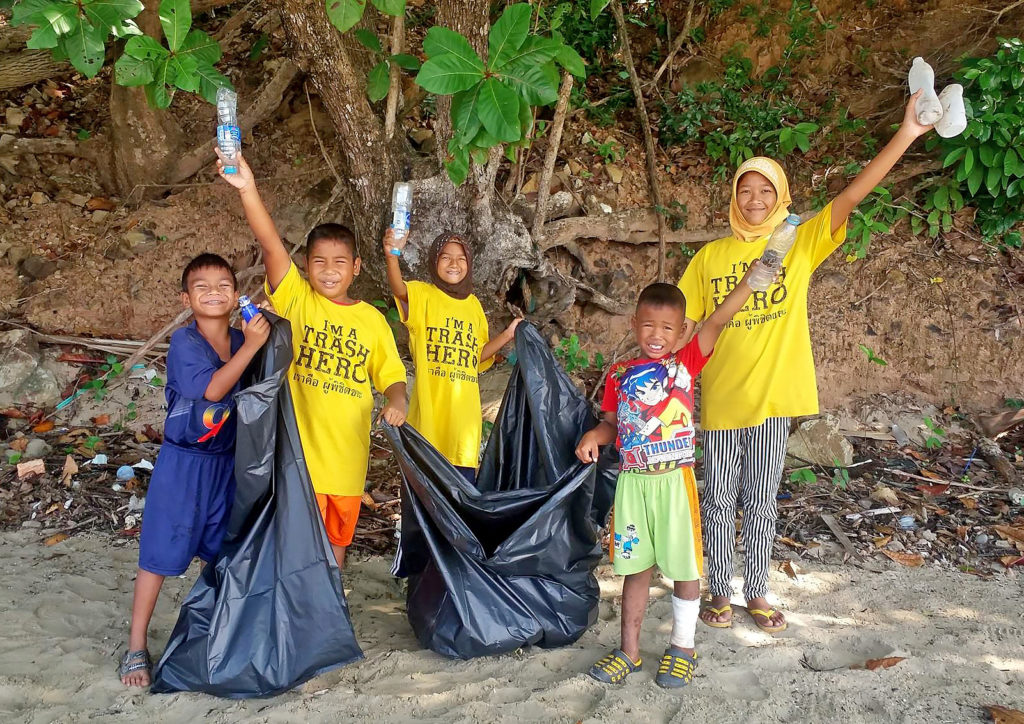
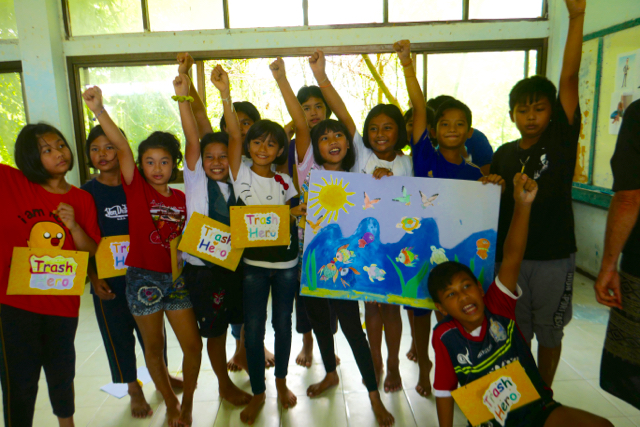
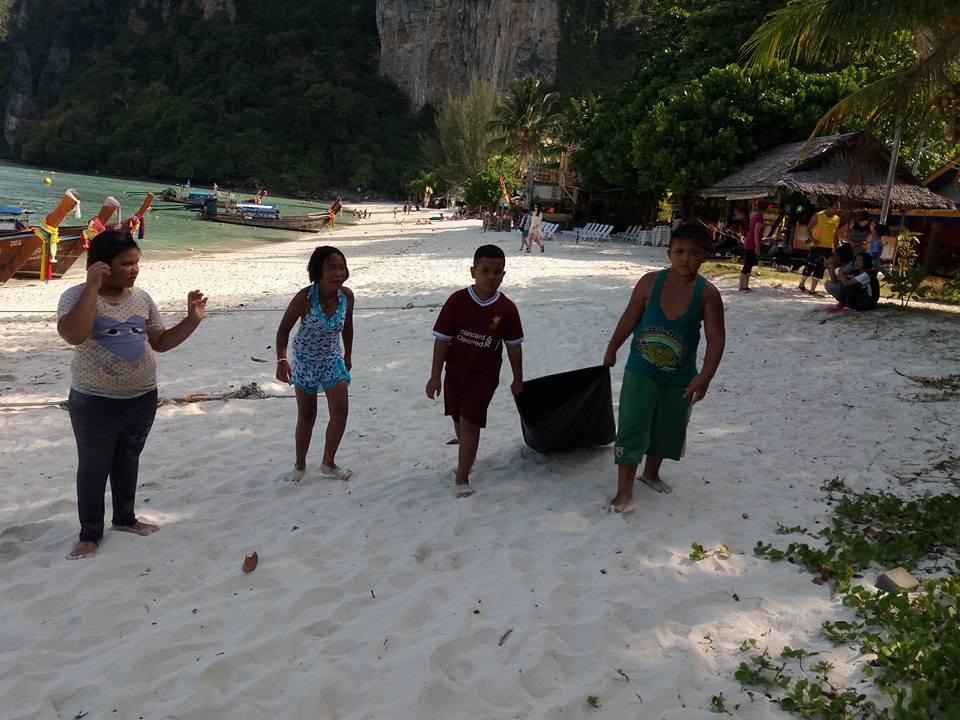
Trash Hero kids on Koh Jum, Thailand
It’s easy to be a Trash Hero! All you have to do are 3 things:
1) Stop using “convenience” plastic whenever you can
“Convenience” plastic is the stuff we use when we’re on the go. You have probably used some today – things like plastic bags, plastic spoons, plastic cups, plastic-wrapped plastic straws and plastic bottles. They are cheap (so cheap that shops give them away free!), lightweight, and don’t need washing – just eat, drink and throw them away when you have finished with them! Sounds great, right?
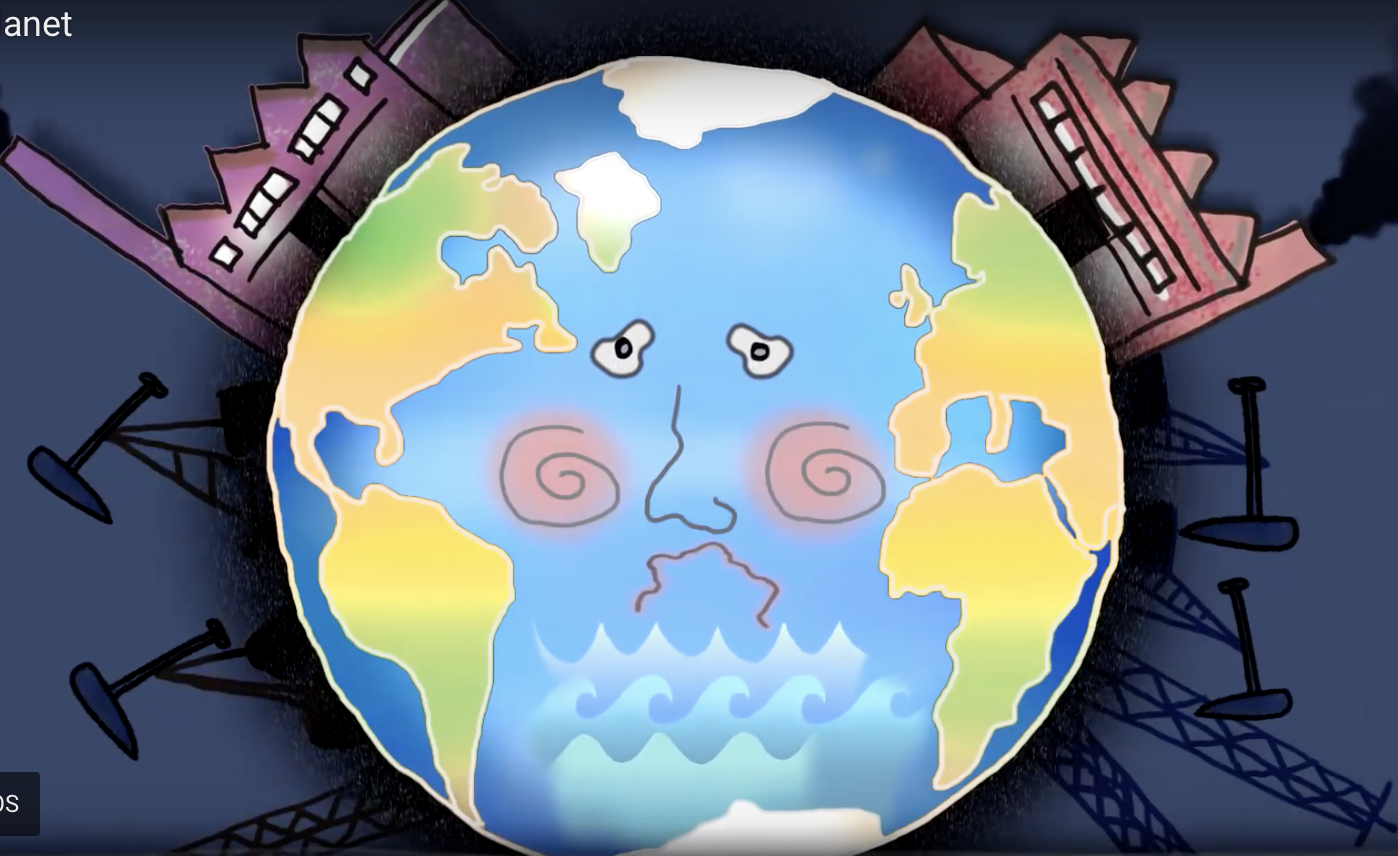
Well, the problem is that most plastic is made from fossil fuels. It does not biodegrade, which means it does not break down naturally after we throw it away. Instead it hangs around in the environment for hundreds of years.
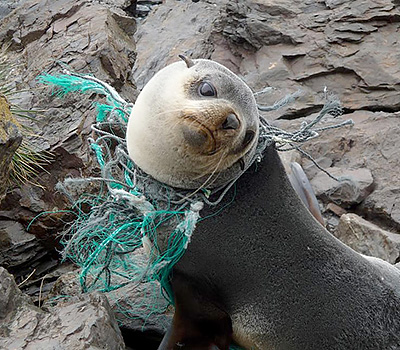
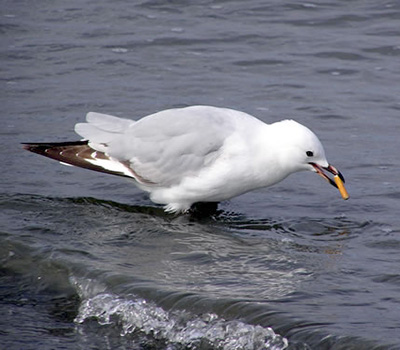
Plastic is easily carried by the wind, and it floats, so a lot of it ends up in the ocean where it entangles and poisons sea creatures and birds. Sunlight cracks plastic, breaking it into smaller and smaller pieces. This releases toxic chemicals into the soil, the water, and animals who eat it.
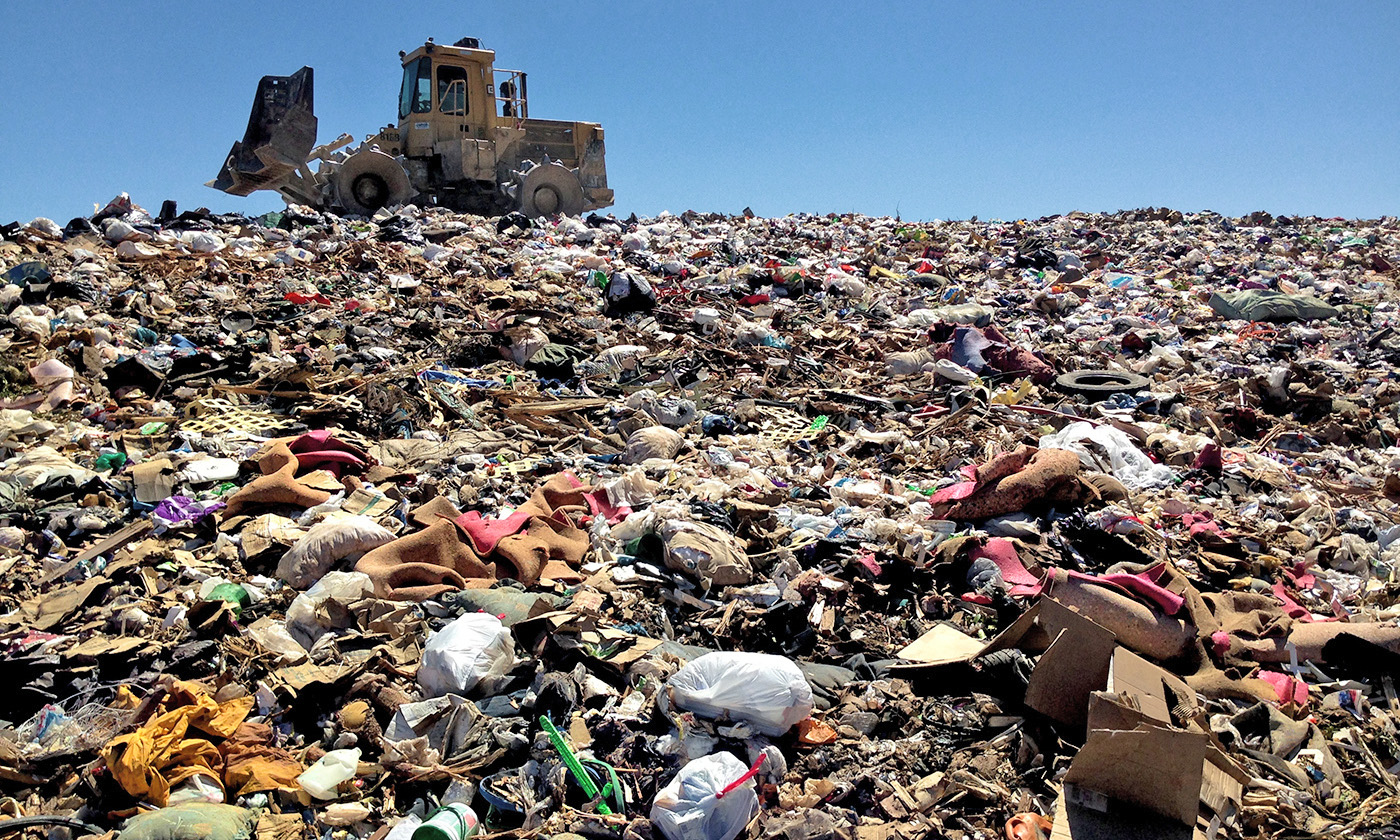
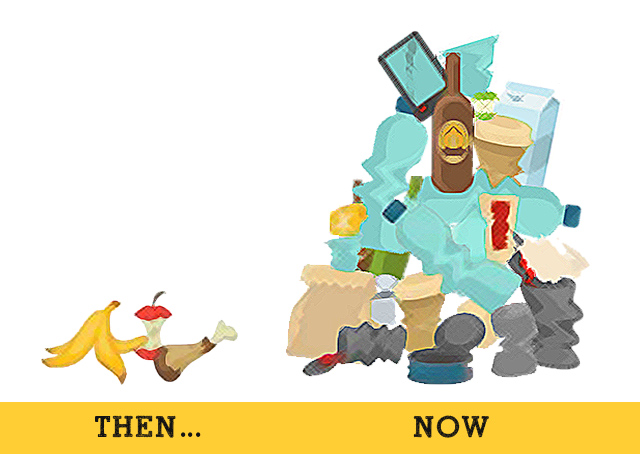
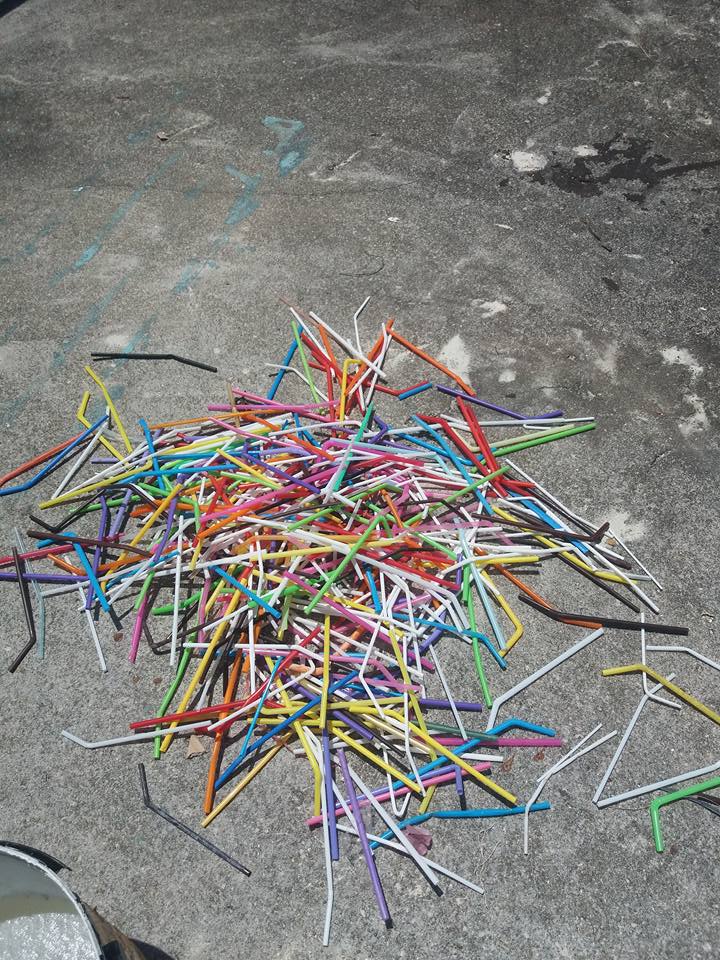
Think about a plastic straw. You’ll use it once for a few minutes before you throw it away, but that straw will be on the Earth longer than you and any of your grandchildren! The amount of this “convenience” plastic that we use is increasing every day, filling up landfills, and polluting the oceans for generations to come. So it might be convenient for us, but it’s not really very convenient for the planet…
The good news is, that it’s very easy to stop using this stuff. You just need to plan ahead 🙂
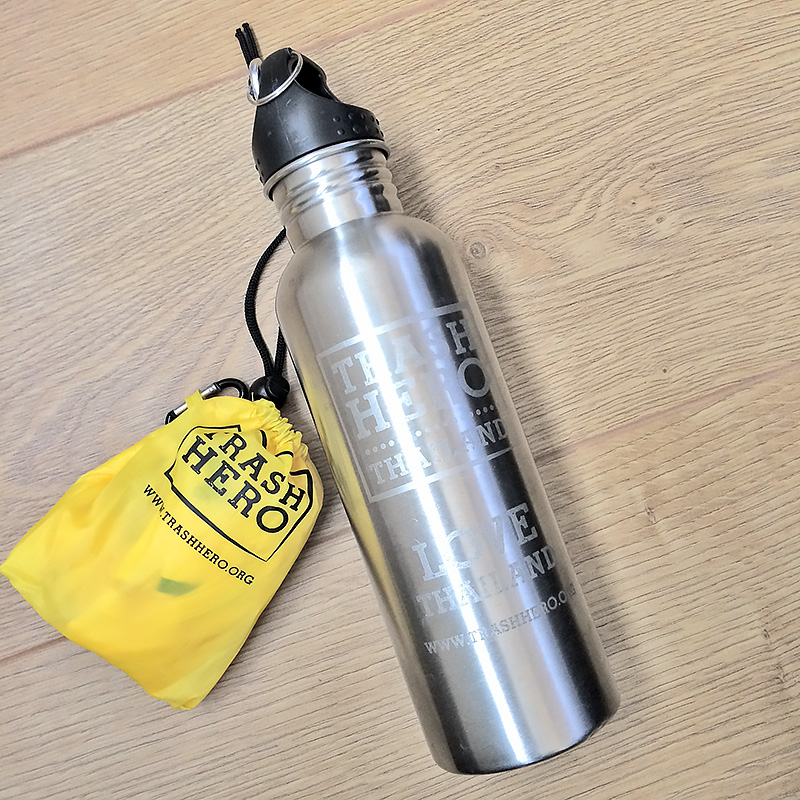
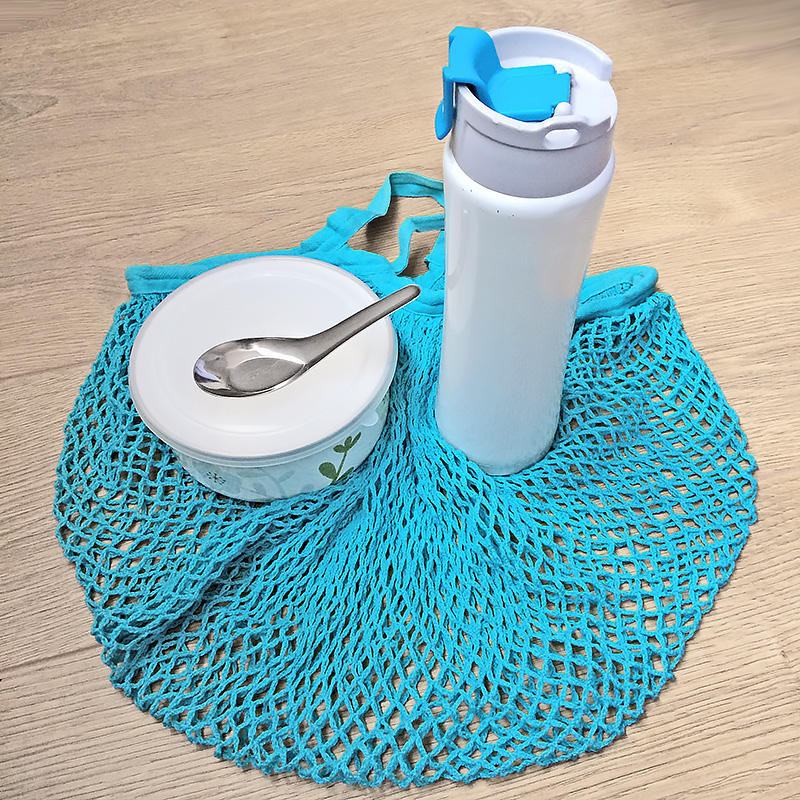
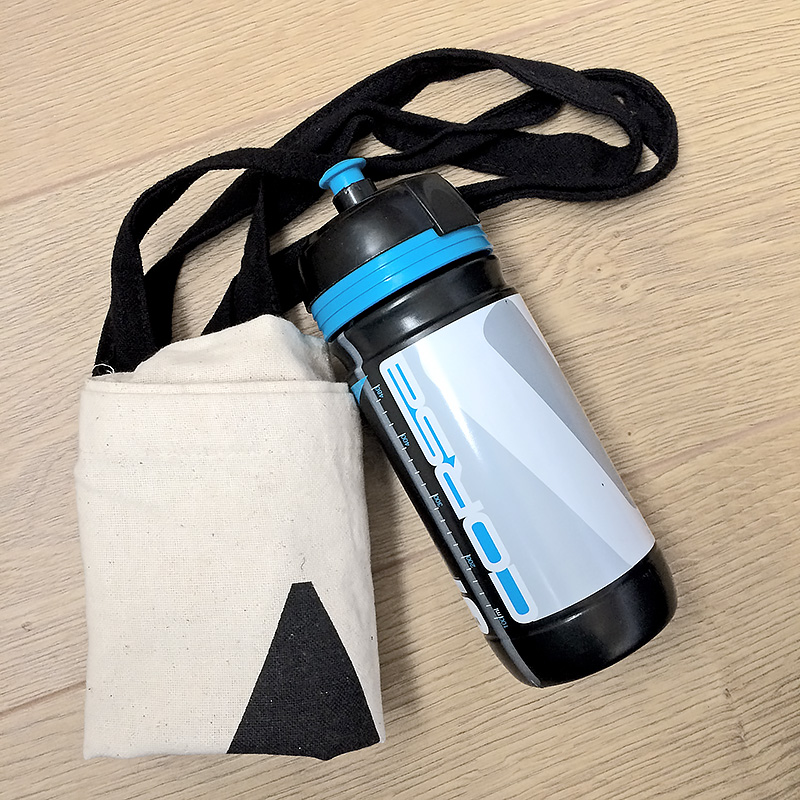
Make yourself an eco-pack, and carry it with you wherever you go. An eco-pack is:
- A reusable water bottle (can be used for other drinks too)
- A reusable shopping bag
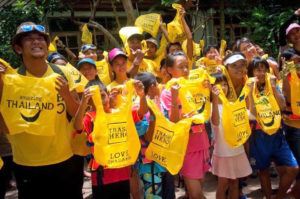
Take your bag with you every time!
If you’re going to be eating out, or ordering take-away food, also pack:
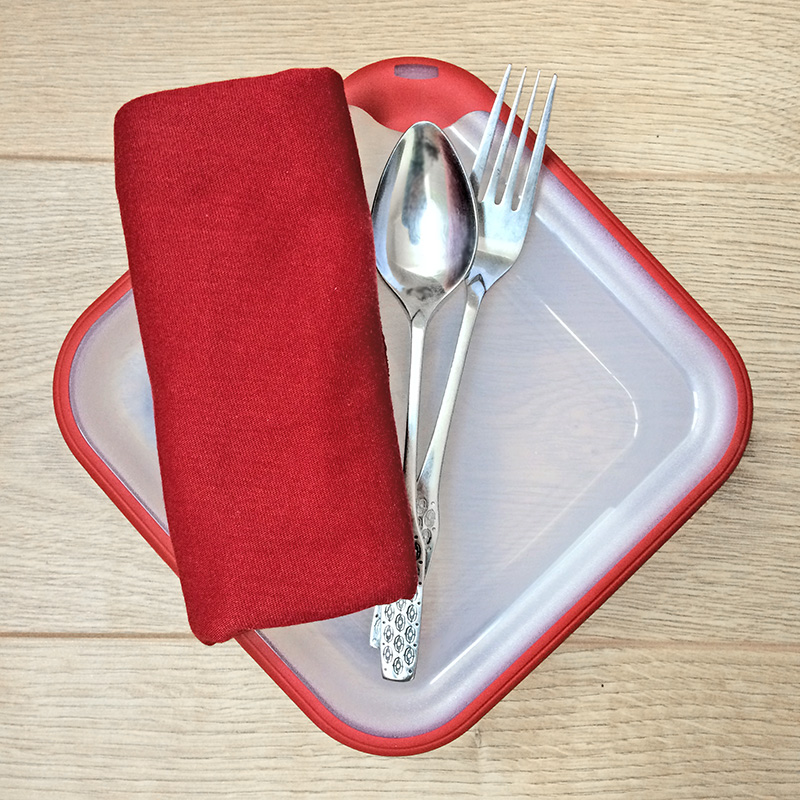
- Some reusable cutlery
- A reusable box for the food
This way, whenever you go out, you won’t have to use any “convenience” plastic. Take your eco-pack home and wash the items, so they are ready to reuse – it takes a few seconds, and it means no animals will be harmed. Now, that really is convenient!
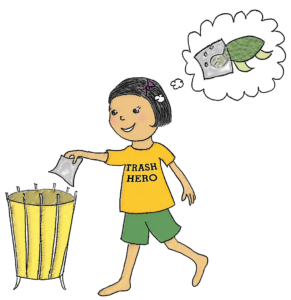
2) Always put your trash in a bin
You’ve probably heard lots of adults say: “Don’t litter!”
But why do they make such a big deal about it? It’s just one chocolate wrapper, and the world is huge!
That’s true, but if everyone in the world thought like that, that would mean BILLIONS of chocolate wrappers (and loads of other stuff) thrown on the ground every single DAY!
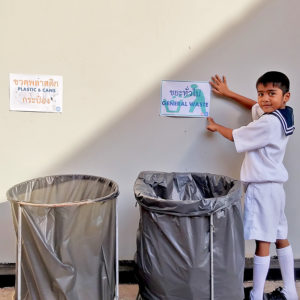
Hold on to your trash until you find a bin!
And, did you know?
Litter harms animals
Plastic waste can reach the ocean even from thousands of miles inland. It gets washed into drains, that lead to rivers, that eventually carry the litter out to sea. There, animals can get tangled up in it, or even eat it. It can block their stomachs or poison them.
Litter harms people
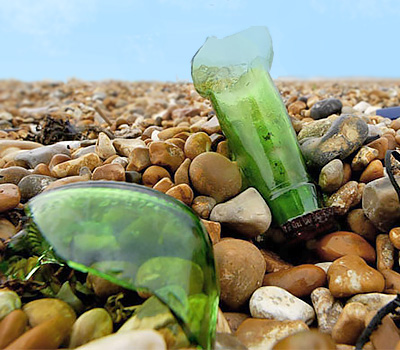
It makes the environment look dirty, and sharp objects like broken glass can cut your feet. Because of this, an area might get fewer visitors and local people will have less income from tourism. If litter gets into water sources, it can pollute them and cause disease.
That’s why it’s really important to put your trash in the bin. If you don’t see a bin when you want to throw something away, just keep it with you. Holding on to your trash for a few minutes until you find one means your town will stay safe and beautiful and no animals will be harmed. Nice work, hero!
TOP TIP If you can, try to separate your trash so that some of it can be reused or recycled. See the section on recycling and upcycling for ideas!
3) Pick up any litter you see
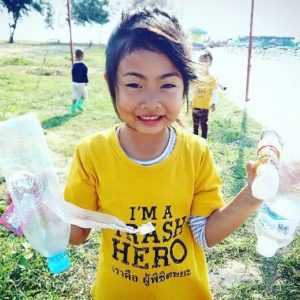
If you see it, pick it up!
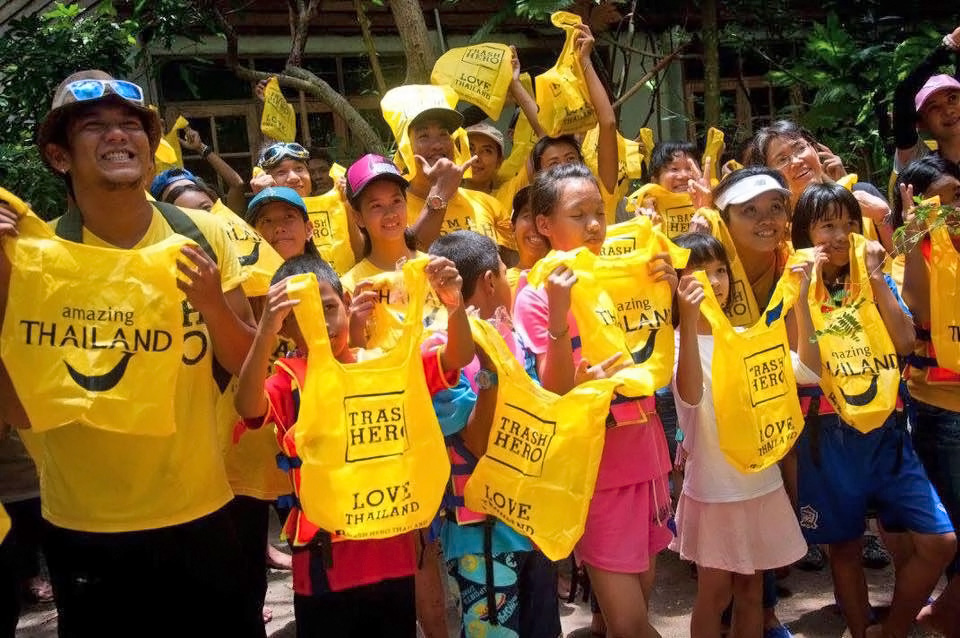
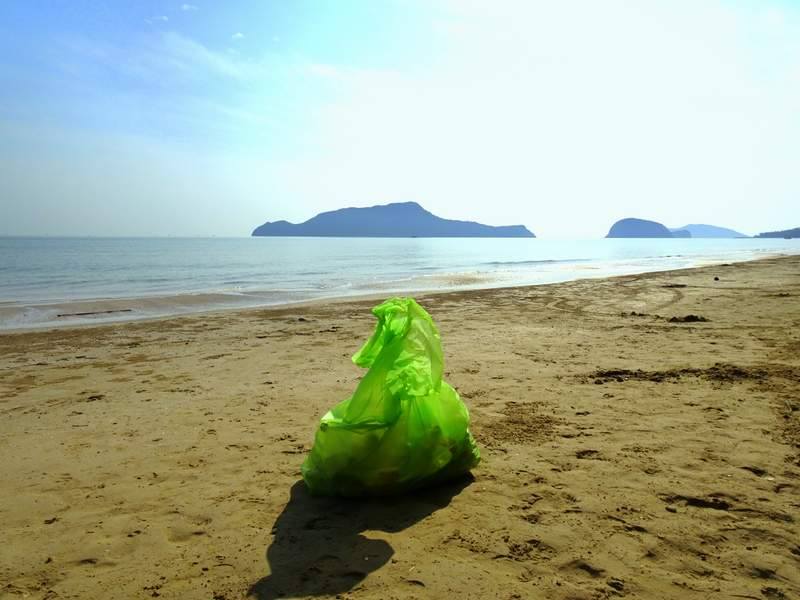
Trash Heroes often get together with people in their area to clean up places like beaches, parks and neighbourhoods to make them nice and safe for everyone. Check if you have a Trash Hero chapter near you that you can join. If you don’t, maybe you can ask your parents or school if they would like to start one?
Even if you can’t do that, you can still be a Trash Hero by picking up litter you see when you are out and about. If everyone in the world picked up one piece of trash every day, the world would be clean in no time!
Remember that if you are not wearing gloves to protect your hands, you should not pick up sharp objects like broken glass, or any dirty trash like diapers, food or cigarette butts.
Put the litter you find in a bin, and wash your hands afterwards. You did a great job!
- If you are doing these three things, you are already a Trash Hero! We’d love to hear how you did it – your story can inspire other kids around the world to do the same. Ask your parent or teacher to send us a photo of your eco-pack, or a cleanup you did to kids@trashhero.org, and we’ll publish them in “You are #awesome!“.
- Find out about more ways to be a Trash Hero in our activities section, or read up about the issues in our learning centre.
read more

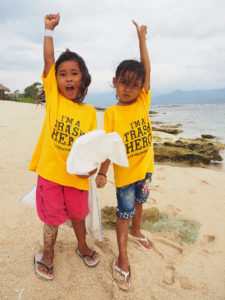 Write down all the good work you are doing to earn points and rewards like a cool t-shirt that says “I’m a Trash Hero”! This means you are part of the club that helps to take care of the planet 😎. There are kids like you all around the world who are doing awesome things to clean up and reduce the trash we produce every day.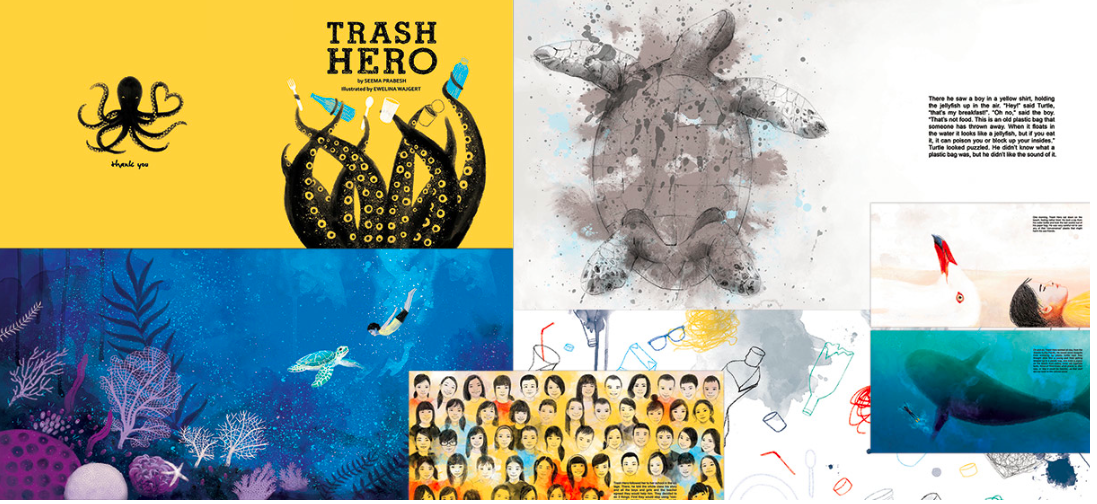
 WHAT CAN I DO TO HELP?