How to maximise the impact of single-use plastic bans?

by Lydia on 13/02/2023 No comments

Last month England joined the growing list of countries that ban various single-use plastic items. Starting in October 2023, items such as plastic plates, cutlery, takeaway food containers and more will no longer be available in restaurants, retailers or the hospitality industry. The government is hoping it will drastically reduce the amount of single-use plastic used in England. 

Single-use plastic bans are becoming increasingly popular as pressure mounts to reduce plastic pollution worldwide – and they are undoubtedly a step in the right direction. However, successful results are not guaranteed. 

California’s plastic bag ban in 2014 led to an 85% drop in single-use plastic bag use in stores and a 60% reduction in plastic bags found polluting rivers. On the other hand, when Kenya introduced a similar ban in 2017, a black market for plastic bags developed. The country struggled to prevent these hard-to-recycle bags from plaguing the streets and waterways. 

So why does some legislation result in a reduction in plastic pollution and others not? What can be done to ensure that a ban is having the desired effect?


What is being banned? 

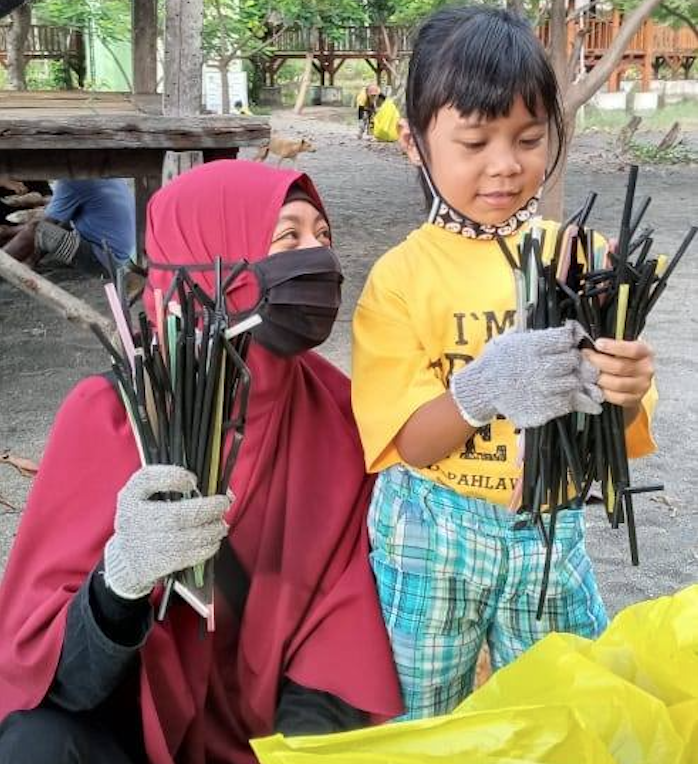
Many single-use plastic bans target low-hanging fruit such as straws, thin plastic bags or cutlery. In reality, these types of items make up just 2-3% of the single-use plastics produced, so the impact is naturally limited. 

In July 2022, India introduced such a ban. It has mainly affected local market stalls and street food sellers. With low profit margins and no resources to switch to alternatives, these members of the community have struggled to adhere to the new regulations. The ban in India has, so far, not produced the desired effect

Critics have suggested that the ban should instead have targeted the far greater amounts of plastic packaging created by supermarkets and multinational companies, for everyday items such as toiletries and food. This packaging is often multi-layer, making it impossible to recycle, and is often designed with branding and cost-cutting (as opposed to functionality or sustainability) in mind. Big companies also have greater resources to make such a change.

In France, the government did target retailers with a ban on plastic fruit and vegetable packaging in January 2022 and, more recently, banning the use of takeaway containers when eating inside a restaurant. This has proven much more effective, although it has not been easy: some sectors of the fast-food industry have used the energy crisis as an excuse not to invest in the changes needed to meet the new regulations. 

What should replace the banned items?

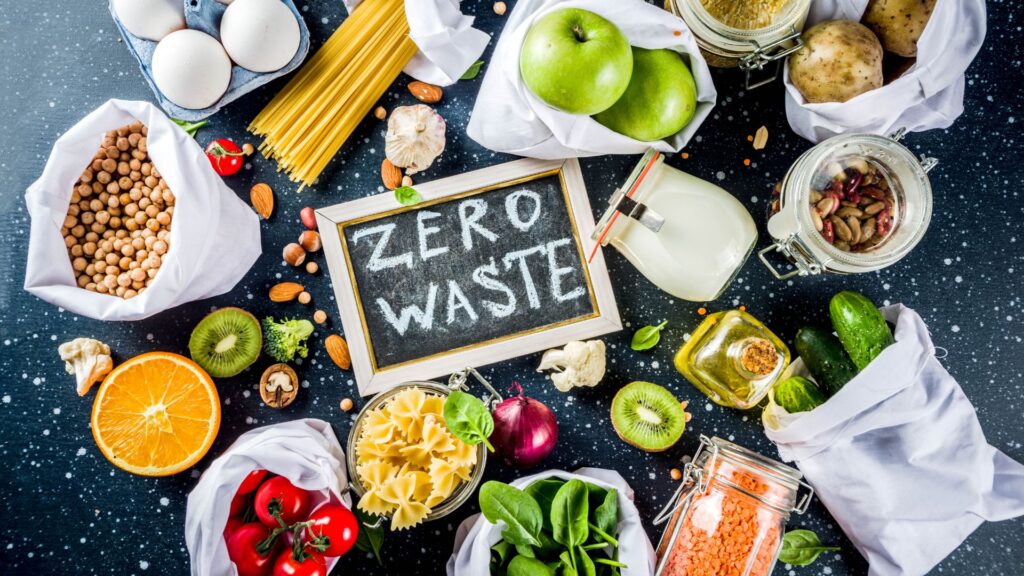
The temptation, following the announcement of a plastic ban, is to immediately search for a paper or “compostable” version of what was previously used. Ideally however, a ban should be part of a long-term transition towards a zero waste economy. It should be seen as an opportunity to target the throwaway culture in general. Rather than replacing plastic with more single-use items, a ban should support reuse systems for producers, retailers and consumers. 

By encouraging companies to innovate, such systems can be created, tested and evaluated before the ban is implemented. People and businesses will have time to prepare, ensuring less resistance to the new regulations. These changes can further be supported by providing subsidies for investments in reusables and deposit return schemes. 

How is the ban communicated?


Any ban needs to have a clear communication strategy for producers, retailers and consumers. If you don’t know about a ban, or you don’t understand it, how can you follow it? Bans are often portrayed as restrictions on freedom or consumer choice. By helping the public understand the reasons for the ban and framing it as an opportunity, governments can help people feel they are an essential part of a movement towards a better and cleaner world – which they are!

Once a ban has come into force, it is also vital to share its success and show people the positive impact they are having with their actions. A great example of a well-communicated media campaign is in Morocco. The government used artists, celebrities and community cleanups to help introduce its plastic ban in 2016.

Is the ban enforceable?

People and businesses affected by a ban will often try to find exceptions or loopholes that will allow them not to cooperate. 

Generally, governments use fines against law-breakers, but these can be costly and very difficult to enforce on a large scale. For example, in New York, USA, a plastics ban was introduced in 2020, but very few of the businesses failing to meet the regulations have suffered any consequences. Therefore, people continue to use the items that have been banned.

The key to consistent enforcement is social pressure. If a ban is generally accepted by the public and the reasons for it understood, any violations will naturally be called out. This reduces the investment needed by governments to monitor and chase up infringements.

This of course goes hand-in-hand with a good communication strategy, as mentioned above.

Single-use plastic bans are essential in reducing plastic pollution worldwide and play a significant role in shifting towards a zero waste society. However they need to be done in the right way. With the correct items included in the ban, support for systemic change, a well-communicated campaign and social enforcement, they can be transformative rather than an expensive waste of time.

read more
LydiaHow to maximise the impact of single-use plastic bans?

Winter is coming, plastic has to go: how the ongoing fuel crisis is linked to the plastics industry

by Lydia on 20/10/2022 No comments

A fascinating new report, ‘Winter is coming’ by Break Free From Plastic and CIEL, explores how the ongoing fuel crisis is linked to the plastics industry. 

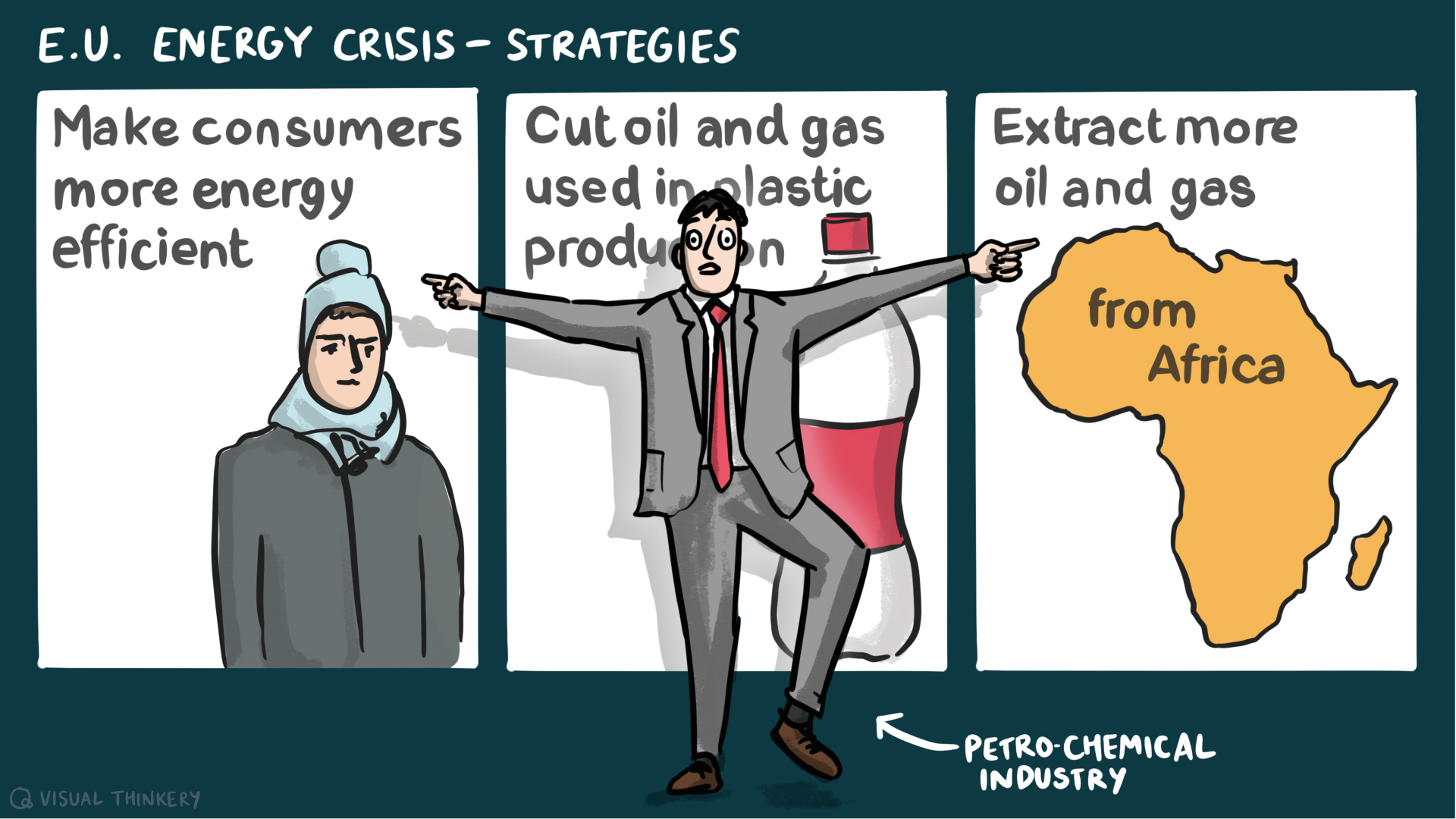
The Russian invasion of Ukraine in February 2022 has affected energy supplies and, consequently, prices worldwide. This is especially true for European countries that rely on Russia for oil and gas – in 2020, Russia supplied 38% of the EU’s gas and 22% of their oil. By August 2022, it became clear to the EU that they were facing a severe energy crisis and limited supplies of oil and gas meant that prices continued to soar. There have been warnings of power cuts lasting up to 3 hours to try and save energy, and millions of people are concerned about how they can afford to stay warm over what could be a freezing winter. 

In response to these concerns, the EU set a target for all member countries to reduce their energy consumption by 15% by 31 March 2023. To help achieve this, governments have been advising consumers about how they can reduce their energy use. For example, Germany recommended that its citizens take cold showers and limit the use of their heating.  However, industrial use of oil and gas continues unabated, with no government advice or restrictions to date. 

So how does this relate to plastic? 

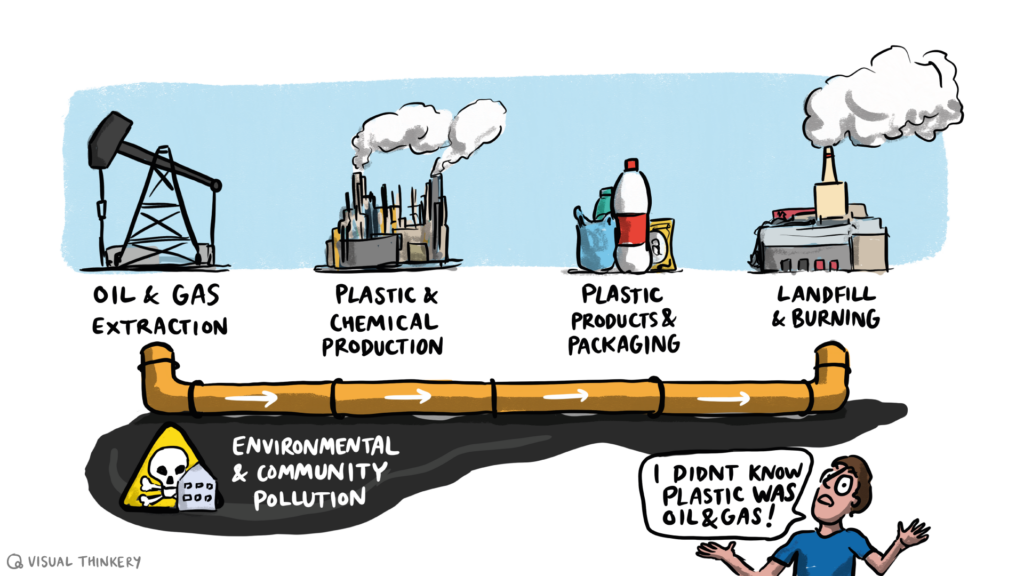
Currently, the plastics industry is the largest consumer of oil and gas in the EU, accounting for 8% and 9% of the EU’s final consumption in 2020, respectively [efn_note]Page 4, ‘Winter is Coming‘ [/efn_note] . It overshadows any other industry, including steel, automobile manufacturing, machinery, food, and beverages. Within the plastics industry in the EU, over 40% of end-market plastics produced are instant waste – single-use plastic packaging. 

The EU and its member states have been leaders in tackling the plastics crisis. In 2018 the EU released its Plastics Strategy, which aims to ‘transform the way plastic products are designed, produced, used and recycled’ and is described as ‘a key element of Europe’s transition to a circular economy’ [efn_note]European Commission Plastics Strategy [/efn_note] . In 2019 they announced the Single Use Plastics Directive that set a collection target of 90% for recycling single-use plastic bottles by 2029. [efn_note] European Commision Single Use Plastics Directive [/efn_note] This leadership was particularly evident at the United Nations Environment Assembly (UNEA) in March 2022, when there was a historic advance in negotiations for a global agreement to tackle plastic pollution.

Despite all that the EU has tried to do to reduce plastic pollution, there has been no mention of placing a cap on the production of unnecessary plastic or restricting the activity of the petrochemical industry. This, despite their significant contribution to climate change and their continuing depletion of precious oil and gas reserves. 

The report found that if plastic packaging was reduced by 50% and the target of 90% recycling was achieved, this would lead to a reduction of 6.2 billion cubic metres (bcm)  of fossil gas and 8.7 million tonnes of oil at the EU level compared to 2020. These figures are equivalent to the oil and gas consumption of the entire Czech Republic in 2020.[efn_note] Page 5 ‘Winter is Coming‘[/efn_note]

The report concludes that, rather than seeking new trade deals for fossil fuels, this situation presents the EU with a unique opportunity to address the energy, climate and plastic crisis. Immediate and drastic action should be taken to reduce the production of unnecessary and excessive virgin plastic by implementing the Plastics Strategy from 2018 and the Single Use Plastics Directive from 2019. In turn, this would significantly reduce greenhouse emissions, reduce plastic pollution and free up the limited energy supplies. The oil and gas that would have been used to produce plastic could instead supply millions of people with reliable and more affordable energy over the winter. 

You can read the Executive Summary of the report or the full report

Footnotes & further reading:

read more
LydiaWinter is coming, plastic has to go: how the ongoing fuel crisis is linked to the plastics industry

Ocean Conservancy withdraws damaging 2015 report

by Lydia on 25/08/2022 4 comments

On 10 July 2022, the influential US non-profit organisation, Ocean Conservancy, issued a formal apology to more than 700 organisations for the damage their report, ‘Stemming the Tide’, has caused since it was released in 2015. In addition, they rescinded the report, removing it from their website and have ceased all promotion of and reference to it. 

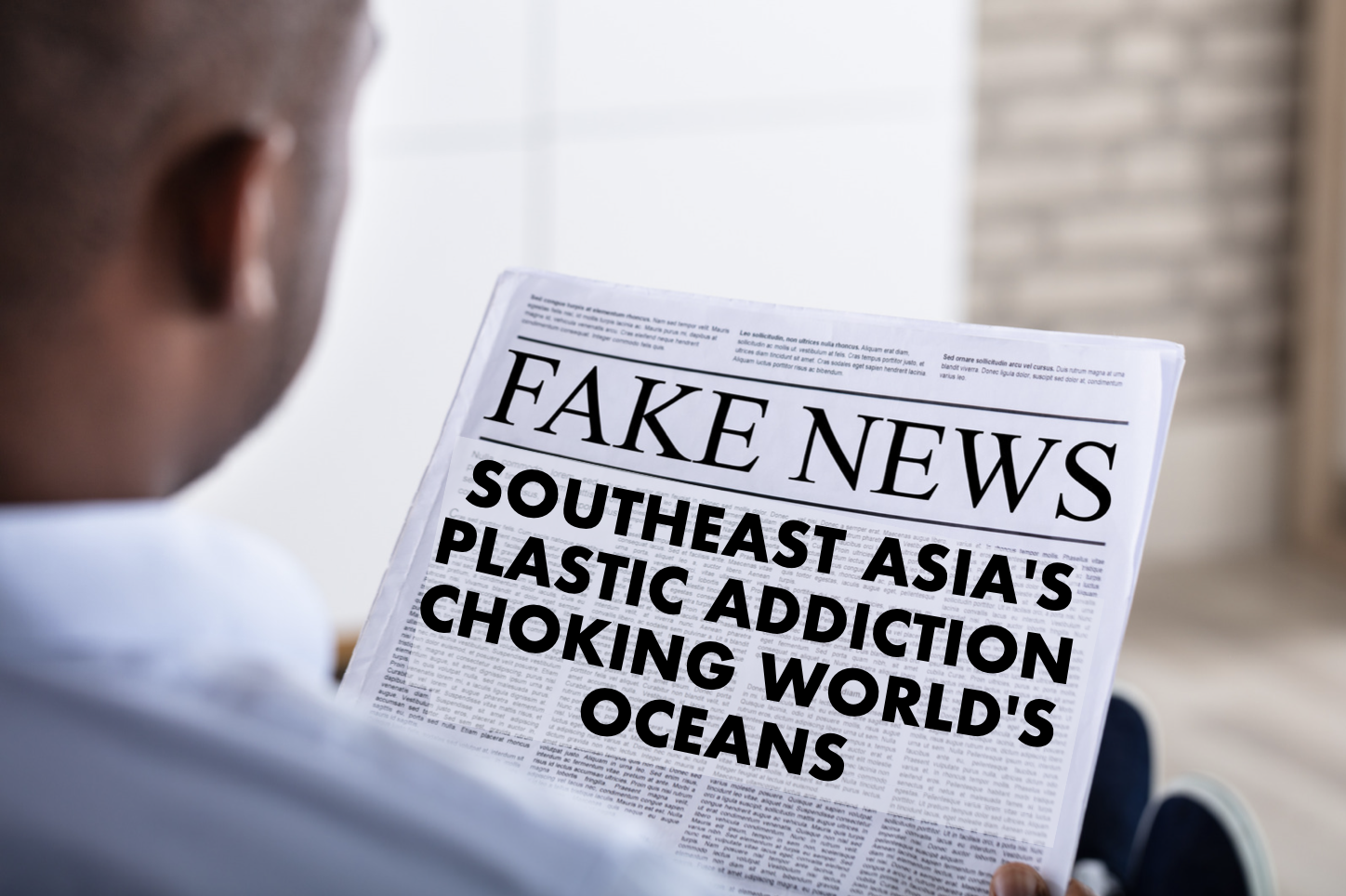
The prominent and oft-cited report claimed that the majority of plastic entering the ocean came from a small geographical area in East and Southeast Asia. It named five Asian countries (China, the Philippines, Indonesia, Vietnam and Thailand) as those responsible for more than half of the plastic polluting the world’s oceans. It created a damaging narrative that would influence the response to the plastic pollution crisis for years to come.

Alongside their apology, the Ocean Conservancy shared two peer-reviewed journals that more accurately highlighted the roles and responsibilities of all nations in preventing plastic pollution from entering the ocean and examined holistic solutions founded on the principles of circular economy [efn_note]““Evaluating scenarios toward zero plastic pollution” Lau et al & “The United States’ contribution of plastic waste to land and ocean’ Law et al [/efn_note].

Why was the report so damaging?

The report presented a flawed analysis of the problem – focusing on reducing ‘leakage’ rather than reducing production. It ultimately failed to recognise the sizeable contribution of wealthier, more developed countries to the ongoing plastic crisis, as well as promoting incineration and other false solutions

For decades, countries in the Global North have overproduced plastic and promoted recycling, rather than reduction, as a long-term solution. Sadly, “recycling” systemically involves large quantities of waste being exported to developing countries for processing, putting immense pressure on waste management systems that are already struggling. The report failed to recognise this practice and its impact, instead creating a narrative that Asian countries were responsible for the crisis. This enabled the Global North and plastic producers to continue business as usual, as the problem lay elsewhere.

The Ocean Conservancy also promoted false solutions in the report, primarily the incineration of plastic, which was a cause for concern in many ways. Incineration contributes to climate change by releasing dangerous levels of toxins and greenhouse gasses into the atmosphere, leading to health problems for those exposed to or living close to, the incineration plants [efn_note] ‘Plastic and Climate’ CIEL report, page 57 [/efn_note]. It also traps municipalities into producing more waste to feed the machine, disincentivising waste separation and encouraging more use and production of plastic.

By condoning this ‘solution’ in the report, governments were galvanised to adopt and promote it. It undermined the hard work of many NGOs in the region who were fighting incineration and created severe obstacles to positive change that would help reduce plastic pollution.

Why was the report retracted?

In 2015, in response to the report being released, over 700 organisations, signed an open letter that critiqued the report and pointed out the potential impacts such an inaccurate report can (and did!) have. Environmental groups worked hard to try to correct the narrative. They provided evidence about the organisations that largely came from the Global North, that were responsible for the thousands of tonnes of plastic waste entering the environment. They also worked hard to debunk false solutions such as waste incineration, ‘waste to energy’ and chemical recycling. 

You can read more about the science behind these here – a new website by Break Free From Plastic that analyses proposed ‘solutions’ and uses science to debunk greenwashing and myths surrounding how we should be dealing with plastic pollution.

Thanks to their hard work, and the perseverance of many organisations, including GAIA and Break Free From plastic, the Ocean Conservancy finally rescinded the report and recognised its failings and inaccuracies: 


“In Stemming the Tide, Ocean Conservancy focused solely on minimizing the amount of plastics entering the ocean. We investigated and included incineration and waste-to-energy as acceptable solutions to the ocean plastic crisis, which was wrong. We failed to confront the root causes of plastic waste or incorporate the effects on the communities and NGOs working on the ground in the places most impacted by plastic pollution. We did not consider how these technologies support continued demand for plastic production and hamper the move to a circular economy and a zero-carbon future. Further, by focusing so narrowly on one region of the world (East and Southeast Asia), we created a narrative about who is responsible for the ocean plastic pollution crisis – one that failed to acknowledge the outsized role that developed countries, especially the United States, have played and continue to play in generating and exporting plastic waste to this very region. This too was wrong.”

What happens now?

Since the Ocean Conservancy released the apology and retraction, many organisations have been working with them to help repair the damage done. 

Froilan Grate, Regional Director of the Global Alliance for Incinerator Alternatives (GAIA), has said that they are, along with the members and allies from the #breakfreefromplastic movement, “taking steps with the OC to restore the much-needed justice for the impacted communities in Asia.” 

You can read GAIA and Break Free From Plastics’ full response to the apology here.

As an organisation with an active presence in Southeast Asia, Trash Hero World is delighted to see this report being retracted. While these countries are indeed on the front lines of the plastic crisis, blaming them for the situation was unfair and unwarranted. We look forward to the work Ocean Conservancy will do to repair the damage done and hope that they – and others – will now support the good work towards real, zero waste solutions that is being done in the region.

If you see this narrative anywhere – of these countries being blamed for ocean plastic or the promotion of incineration as a solution to plastic waste – then please help to debunk this myth and share this blog post so we can finally stop this false perspective from spreading. 

Footnotes:

read more
LydiaOcean Conservancy withdraws damaging 2015 report

5 tips to reduce plastic waste in the wider world

by Lydia on 01/08/2022 3 comments

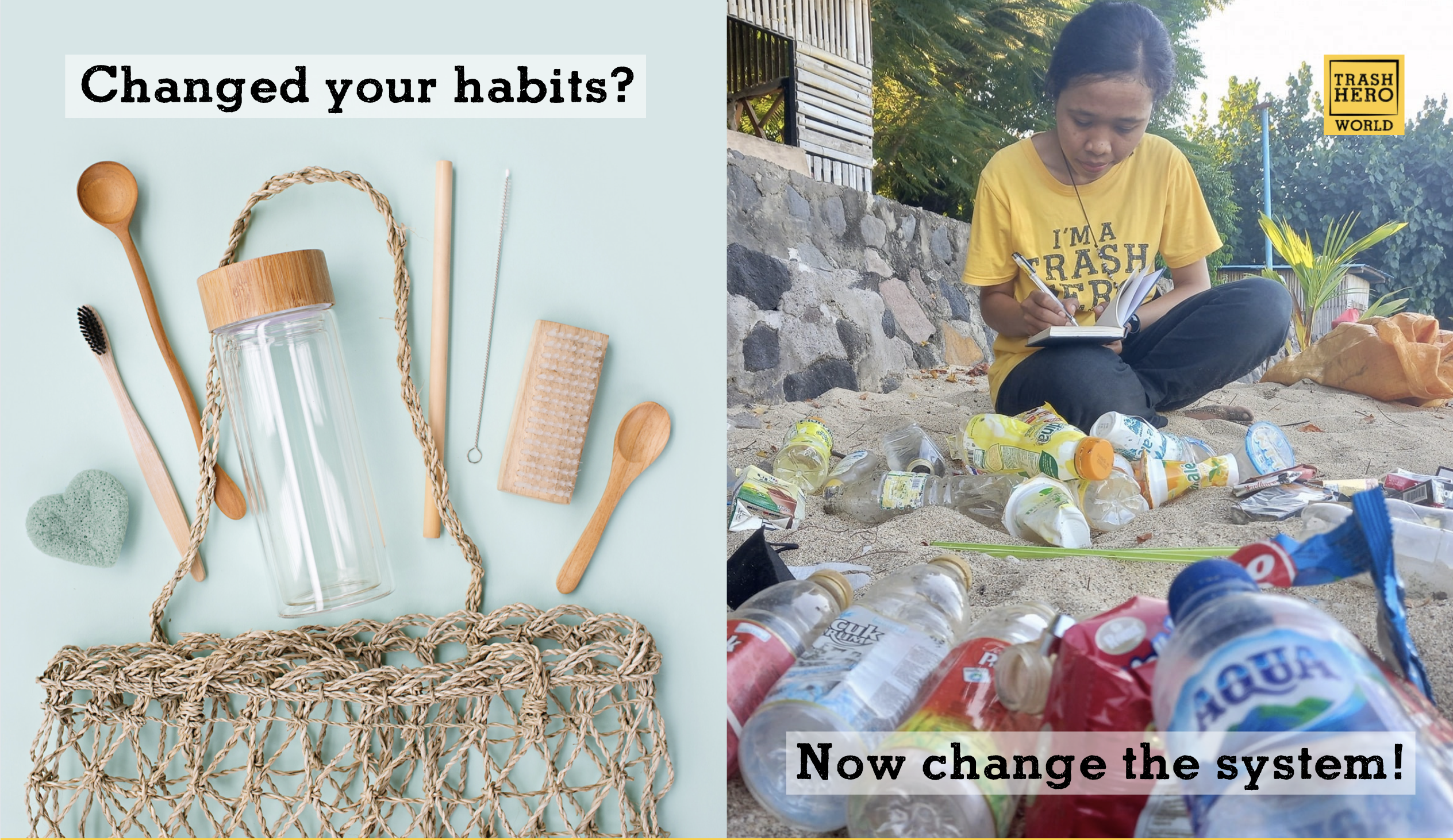
Changed your habits? Now it’s time to change the world!

Lists of advice on how to reduce your plastic use are all over the internet. If you’re reading this, perhaps you already own a bamboo toothbrush, carry a reusable bottle and bag and shop at refill stores. Maybe you separate your waste like a pro and made other zero waste swaps that have reduced the amount of plastic you use in your day-to-day life. In which case, congratulations! It’s not always easy, but being the change you want to see and leading by example are the best way to start your journey to reduce plastic pollution.

Everything you do in this respect helps to normalise the concepts of reuse and refill and hopefully inspires others to do the same.

But although you are doing your part, it might feel like nothing is changing in the wider world: in the news, you see there are still millions of tonnes of plastic being produced each year. Other than avoiding plastic in our own lives, what can we do to stop this? 

As individuals it may feel like there is not much we can do. But at Trash Hero, we have found there are there are many easy actions that can help get companies, communities and governments on board to support the reduction of single-use plastic. 

We’re happy to share them with you here. If you are ready to go a step further on your zero waste journey, read on for our five top tips to reduce plastic in the world around us.

1. Learn to spot greenwashing 

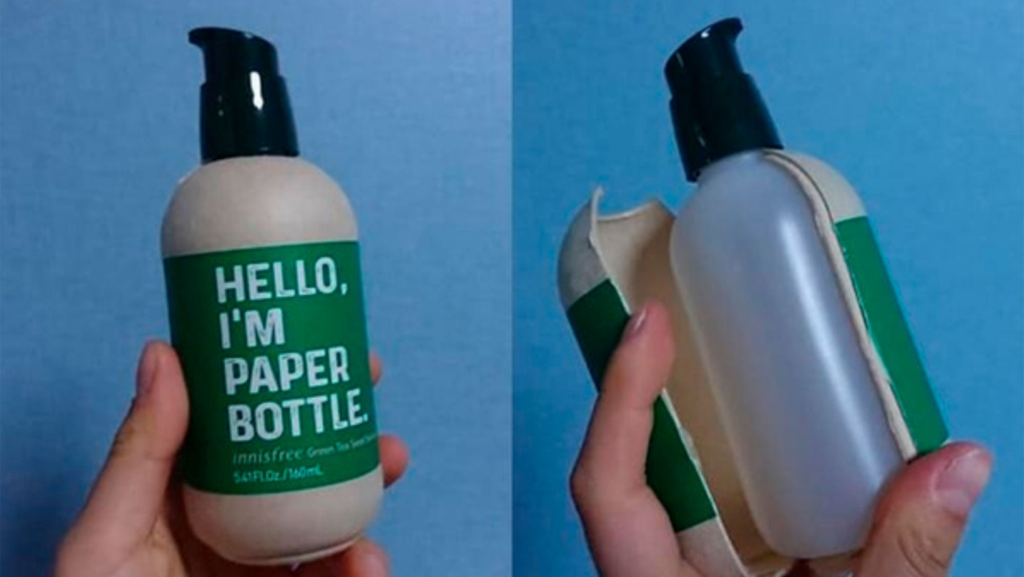
the image on the left shows a bottle that says 'hello I'm a paper bottle' the image on the left shows that label being removed to show a plastic bottle underneath

Greenwashing is when a business promotes its products or practices as “eco-friendly” or “sustainable” when actually they are not. Many cases of greenwashing are easy to spot, but some are much harder. 

When a big company uses green colours, or images or language suggesting “nature” to market a product in throwaway packaging, this is a sure sign of greenwashing. But it can also be more subtle. Many fashion brands put out “sustainable” clothing lines and boast about their eco-credentials, when these products make up only a tiny percentage of their output.

You can find more examples and information on our greenwashing factsheet

Other resources include our handy toolkit for spotting greenwashing and a new website dedicated to the topic.

Why do we need to spot greenwashing at all? Because the practices give people the impression that something is being done about issues like plastic pollution and climate change. They allow companies to get away with doing, in reality, very little to solve environmental problems. Greenwashing is so prevalent and considered so serious that many companies are now being sued for making false claims about their sustainability.

If we can spot greenwashing and expose it to those around us, it helps to keep the pressure on companies to make real changes to the way they operate. You could even share your observations on social media!

2. Change the story 

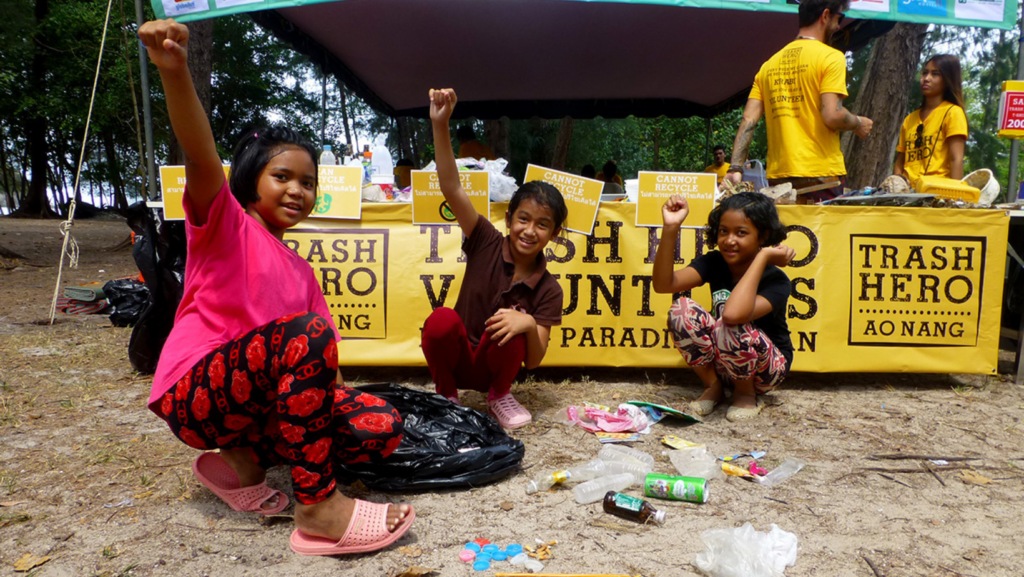
Three girls from thailand are crouching on the floor putting an arm in the air triumphently. They are smiling at the camera in front of a trash hero Ao Nang sign


Since the 1970s companies have been pushing the blame for the pollution they cause onto consumers and governments. With single-use plastic, they tell a story about “litter” and “irresponsible people” and say the problem can be solved with education, better recycling and waste management.

The reality is that many multinational companies have designed pollution into their packaging and delivery systems. They continue to produce single-use plastic in the face of evidence that it is toxic, not easily recycled, damages our environment and causes climate change. Why? Because it is cheaper for them to do so: the old reuse and refill systems (that single-use plastics replaced) required having employees and infrastructure. Now, we are expected to throw packaging away and let someone else deal with it.

It is important that people understand they are not to blame for the current crisis. Instead, plastic pollution needs to be stopped at its source. Large companies can change the way they package their materials, ‘turning off the tap’ of plastic, not relying on public services to mop up their mess. 

A great way to help others understand about the wider changes needed to solve the problem of plastic, is to share this short animation, The Story of Plastic. If you would like to know more, search for the full-length documentary version, which explores the issue in depth.

3. Do a brand audit 

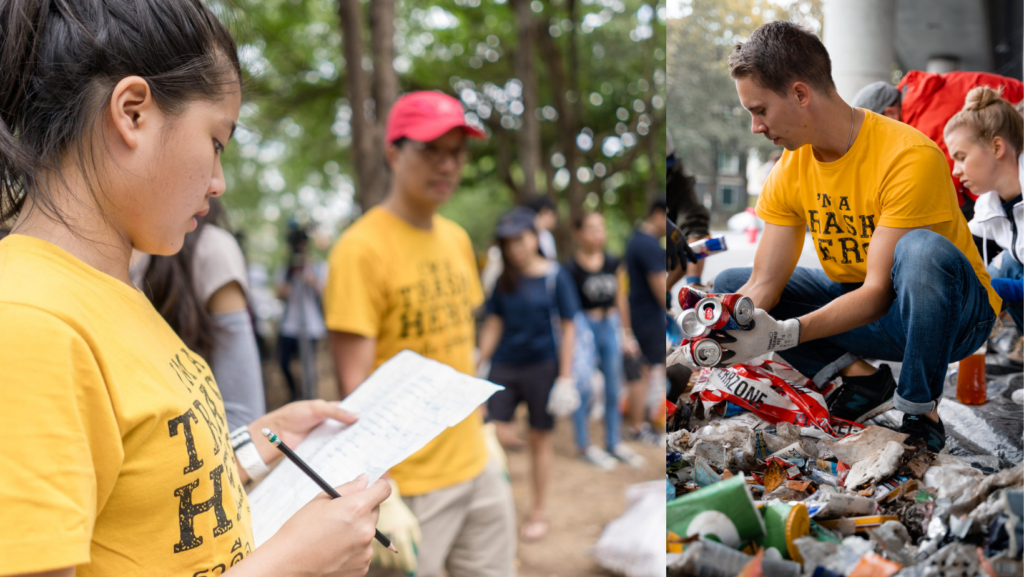
Two images. One shows a girl with a piece of paper filling in information and one shows a man crouching down and collecting cans. There are also plastic bottles in the picture


Another effective way of holding multinational companies accountable is to collect data about them. There is an easy way for individuals to get involved in this, in the Brand Audit Report, a global citizen science project organised by Break Free From Plastic.

A brand audit is ideally carried out on litter picked up at a cleanup, but it can also be done on items in your household trash. It involves recording the brand and type of each plastic item found. For example, how many plastic Coke bottles or how many plastic Nestle sachets there are. Break Free From Plastic have been organising brand audits since 2018 and from the data they collect they produce a report that identifies the top polluters. These yearly reports have played a huge part in shifting the narrative from plastic waste being the responsibility of citizens to that of the producers. 

Contributing to this data is a fantastic way to increase the pressure on the top polluters to change the way they package their products. 

Get in touch with your local Trash Hero chapter to see when they are next doing a brand audit or conduct your own! This year, you can send in your contribution up to the end of September.

4. Support a zero waste business

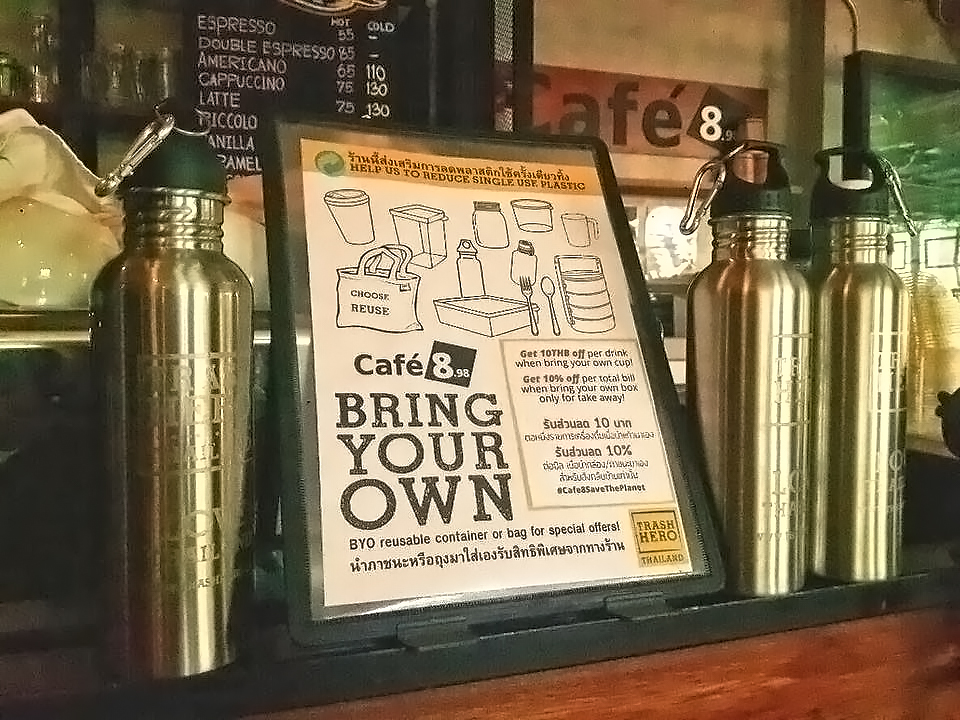
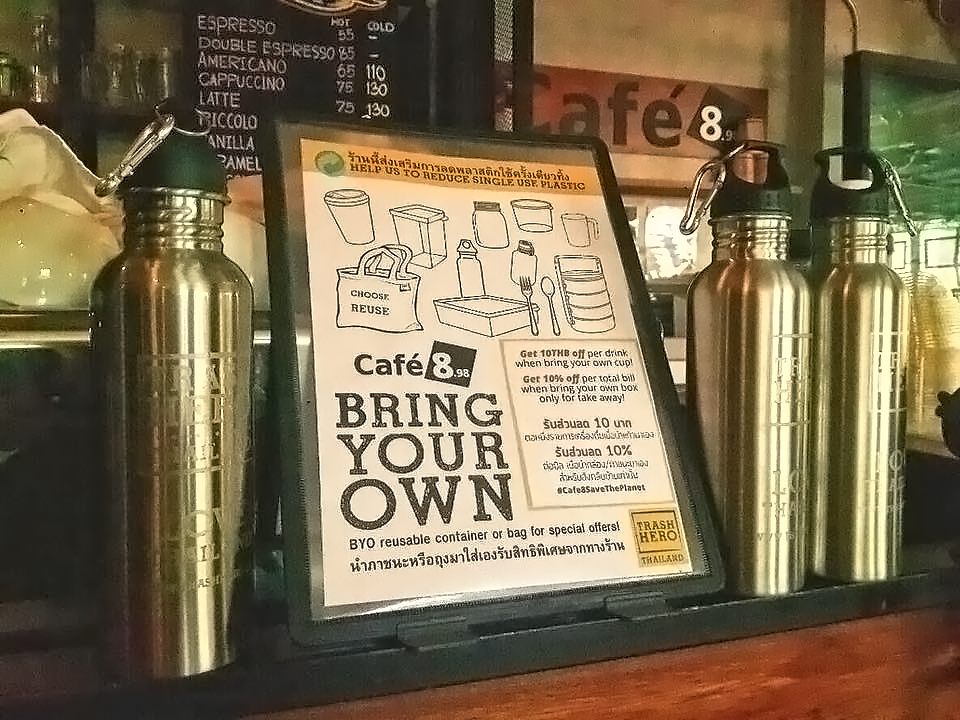
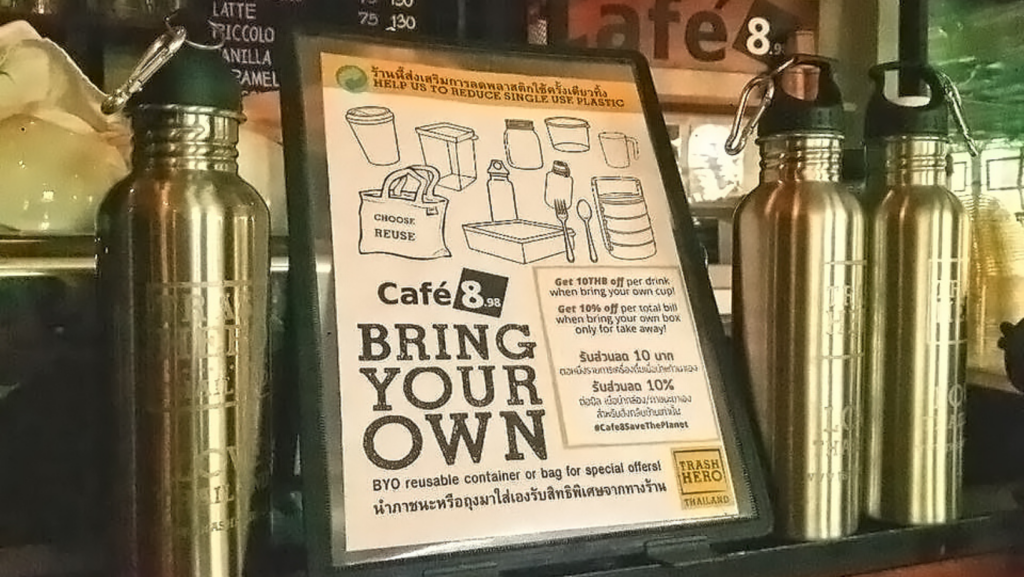
Trash Hero bottles next to a sign in a cafe that says 'bring your own'


Maybe your favourite cafe gives a discount for bringing a reusable cup, or you have a local deli that lets you bring your own container for cheese or cooked meats. Businesses such as these are encouraging people to use less plastic and supporting a sustainable business model that undoubtedly has a positive impact on the environment. 

When you find such a place, it’s a great idea to support them. Some ways to show support are to tell your friends about it, share their page on your social media or tell the staff that you support and love what they are doing. If you don’t have such a shop in your area, why not try starting a conversation about refills by asking if you can use your own cup or container and explaining why.  

The more we support businesses that are implementing real solutions to the plastics crisis, the more that will open! And, consequently, more pressure will be put upon larger companies to do the same.

5. Become a Trash Hero

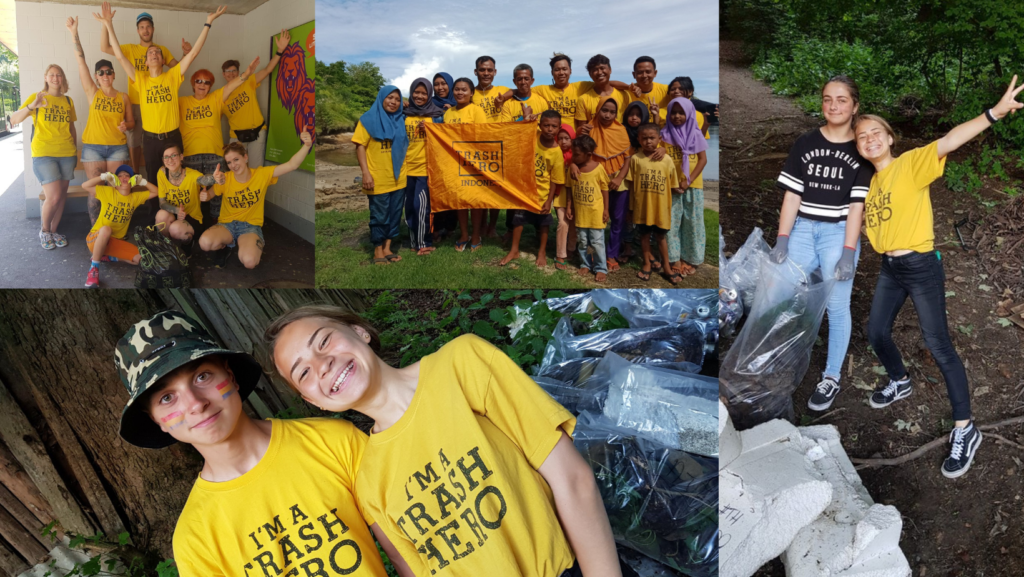
four photos with groups of people smiling and looking at the camera, they are all wearing trash hero t-shirts. A mix of adults and children, some are collecting plastic


No cost, no sign up – just show up! It is that easy to become a Trash Hero. 

Our Trash Hero chapters do weekly cleanups which have an immediate and positive impact on the environment. After each cleanup the volunteers come together to discuss the waste they have just removed and think about where it came from.

These activities allow us to engage with a wide range of people from the local community, which is a great way to get everyone from schools, businesses, families and local government thinking about waste – and hopefully, start to implement real changes to reduce the plastic they use. 
Find a Trash Hero near you or get in touch to find out how to set up your own chapter.


Whatever you chose to do beyond changing your own lifestyle, the most important thing is that you are doing something. It can feel a little overwhelming at times, but remember small changes done by many people lead to big impacts! To keep yourself inspired make sure to follow us online and tag us in any tips you have to reduce plastic across the globe!

read more
Lydia5 tips to reduce plastic waste in the wider world

Growing Plastic Plants: Microplastics in Agriculture

by Lydia on 06/06/2022 No comments

Plastic coming into contact with our food has been a source of concern for many years, but it would seem the contamination starts much earlier than the final packaging

It is common knowledge that microplastics pose a serious threat to environmental and human health. Not only have microplastics been found in our drinking water, food supply and even the air we breathe, but recent studies have also found microplastics in human blood and lung tissue (you can read more about that here). Their presence in the cosmetic industry has been exposed and many countries have introduced, or are working to introduce, microplastics bans in cosmetic products such as toothpastes and face washes. However, something that has not been much discussed is the presence of plastic and microplastics in the agricultural industry. The Centre for International Environmental Law (CIEL) recently published a report on the role of microplastics in agriculture, and the information is concerning. 

The use of plastic is visibly prevalent in agriculture – it is used to cover crops, package products, and construct greenhouses and landscaping. This use of plastic is obvious and clear for everyone to see. However, what is not so obvious is that microplastics are being intentionally used as part of the fertilisation process.

Marketed as being key to sustainable and ‘climate friendly’ agriculture, fertilisers are coated in microplastics to help control their release once in the soil. This is achieved through microencapsulation, the process of wrapping a nutrient or chemical in a synthetic polymer material (a form of plastic) to create a small pellet. Controlled-release fertilisers (CRFs) use these coatings to slowly release their contents over a longer period of time. The coatings remain in the soil once the fertiliser has been released and  does not degrade. The toxins they contain accumulate in the soil, ready to be absorbed by the crops, or leaked into the air and water supply

This CRF technology is not new –  it was introduced in 1970 [efn_note]‘Volume 1, Development and evaluation of controlled release formulations of pesticides’- International Atomic Energy Agency[/efn_note] – but recently producers have been strongly pushing its use  as a ‘planet-safe option’. No mention is made in the new-style marketing of the impact on the soil and food chain; instead they claim greater efficiency, without any solid data to back this up. In fact, according to the CIEL report, these plastic-coated fertilisers are unnecessary. There are effective and more climate-friendly alternatives that exist,  methods that reduce the use of synthetic (fossil- fuel- based) pesticides and fertilisers altogether

How much microplastic is being used?

It will likely come as a surprise to hear that it is not the cosmetics industry that is responsible for the majority of primary microplastics currently being used (primary microplastics are microplastics that are intentionally produced, secondary microplastics are those that come from plastic breaking down). In a 2019 report from the European Chemicals Agency (ECHA) it was found that microplastics intentionally added to fertilisers, pesticides and seed coatings accounted for an estimated half of the 51,500 tonnes of microplastics used each year in the European Economic Area (EEA). They estimated that 22,500 tonnes were used in fertilisers and 500 tonnes used in pesticides [efn_note] ECHA, Annex XV Restriction Report – Microplastics, Table 15[/efn_note]. These numbers show that, within the EEA, the agricultural sector uses more microplastics than any other industry. 

Not only are they using more microplastics than any other industry, but these microplastics are being placed directly into the natural environment, affecting our health as well as that of the fauna and flora worldwide. 

How do microplastics impact us?

These plastic-coated agrochemicals directly introduce microplastics into the environment and potentially into our food supply. Even prior to being coated in plastic, there are risks to the environment and our health from using synthetic fertilisers and pesticides – much like plastic itself they are derived from oil and gas and are seen as some of the most harmful and toxic substances used globally.[efn_note]Executive Summary, CIEL Report, Growing a Plastic Planet[/efn_note]

Some of the health concerns from microplastic exposure include: increased cancer risk, cellular mutations or cell death, heart disease, chronic inflammation, rheumatoid arthritis, diabetes and more. [efn_note]For more information about plastics affecting our health you can read this article from the Guardian or this report [/efn_note]

What can be done? 

Primary microplastic pollution is preventable, however regulation is severely lacking.

‘The current level of action is not yet adequate for addressing sound management of intentionally added microplastics’

An Assessment Report on Issues of Concern,
UNEP[efn_note]An Assessment Report on Issues of Concern: Chemicals and Waste Issues Posing Risks to Human Health and the Environment [/efn_note]

It is vital that as we go forward, as we continue our war on plastic, that those with the power to implement regulations and rules in regards to microplastics across all industries do so. The use of primary microplastics must be stopped in the agricultural sector, and indeed across all manufactured products. This cannot just be on the national level, but something that must be implemented globally. Global treaties are the key to impactfully reducing plastic and a comprehensive global approach must be developed and enforced. 

Read the full report: Sowing a Plastic Planet – How Microplastics in Agrochemicals Are Affecting Our Soils, Our Food, and Our Future

[Update 29.06.23] Further reading on this topic can be found here: Why agri plastics are bigger threats than they appear to be

See more updates from CIEL :

Footnotes:

read more
LydiaGrowing Plastic Plants: Microplastics in Agriculture

Are we all plastic people now?

by Seema on 14/04/2022 No comments

Until recently, coverage of the impact of plastic pollution has tended to focus on marine debris and harm done to wildlife. Recent developments, however, indicate that the species most widely affected by plastic could well be us: humans.

A series of reports published over the last month highlight how far plastic has travelled – not only into the Antarctic, or the Mariana Trench, but deep inside our own bodies.

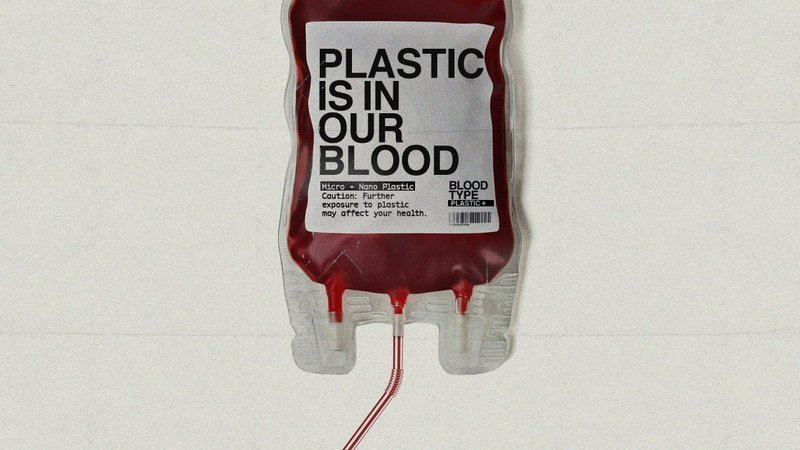
On 24 March, it was announced that 4 out of 5 people may already have tiny pieces of plastic circulating in their blood. 77% of the samples tested in a study funded by the NGO Common Seas came back positive for plastic – mainly PET, polystyrene and polyethylene – common plastics found in clothing and food packaging.

Common Seas admits the finding raises more questions than answers. Does the plastic accumulate in our bodies over time? Can it travel into our organs? Will it trigger diseases such as cancer? It has called on the UK government to invest £15 million (USD 19.7 million) in further research to uncover the links between plastic and our health. This research is urgently needed as many scientists believe that plastic may be the next public health crisis, much like asbestos and smoking in the past. Findings in lab conditions have already shown that microplastics cause damage to human cells.

In early April, another British study found that 11 out of 13 people sampled had microplastics lodged deep inside their lungs. The study was the first of its kind conducted on tissue from living people, who were undergoing surgery. Here, the most common particles found were polypropylene (23%) and PET (18%), again both common types of plastic to which we are exposed on a daily basis. Two previous studies had found microplastics at similarly high rates in lung tissue taken during autopsies.

Although it has been known for some time that microplastics can be inhaled, this is the first time that they have been found in the lower regions of the lungs. According to one of the report’s authors, Laura Sadofsky, they should normally have been trapped or filtered out of the airways before getting that far.

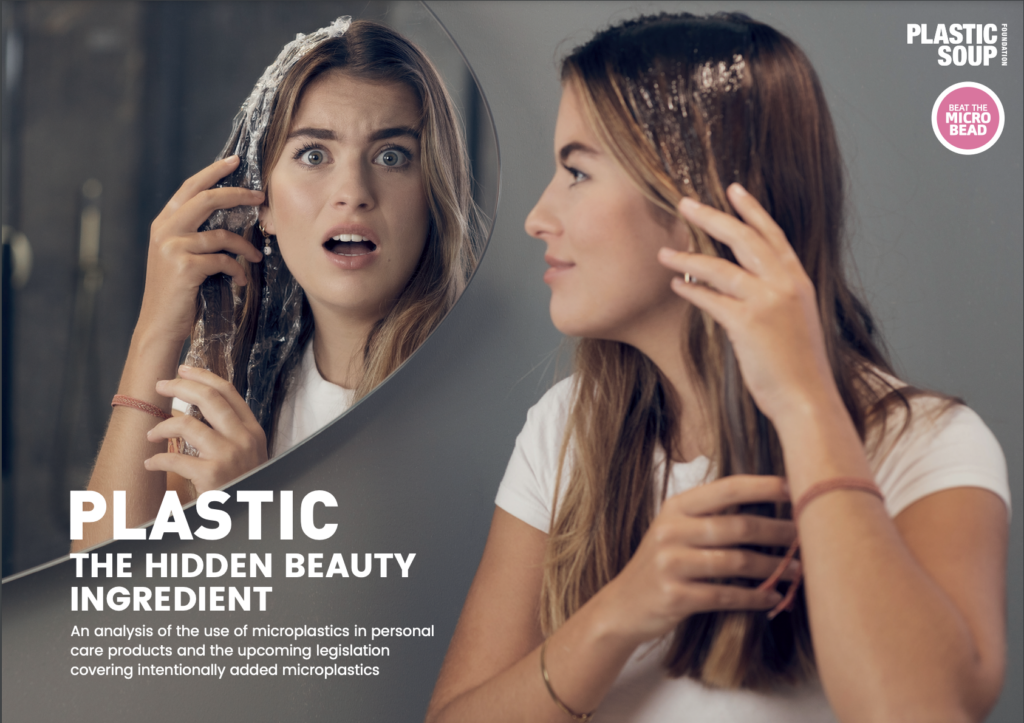
The final report, released by Plastic Soup Foundation (PSF) on World Health Day, 7 April, gives us an indication of another way plastic may be entering our bodies. We are literally rubbing it into our skin, hair and teeth! PSF’s analysis of 7,704 cosmetic products from popular brands in the EU revealed that 9 out of 10 contained some form of microplastics.

Microplastics are commonly defined as solid particles, under 0.5mm in length. They usually come from textiles (fibres shed from synthetic clothing, carpets etc.), larger pieces of plastic that have degraded, or – in the case of cosmetics – “microbeads”. Microbeads are tiny pieces of plastic (usually polyethylene and polymethyl methacrylate) added to products to aid exfoliation.

What PSF discovered was that there are also plenty of invisible microplastics in our products. Liquid and semi-liquid polymer-based ingredients are routinely and deliberately added to help foam, smooth and bulk out various toiletries and treatments. As these are blended in, they can’t be seen: they are only discovered by reading the small print on the ingredient list. In some cases, up to 90% of a cosmetic product may be comprised of microplastic ingredients.

In the report, Plastic: The Hidden Beauty Ingredient, PSF calls for the EU to expand its current definition of microplastics, which will be used to regulate the cosmetics industry, to include liquid and semi-liquid plastics as well as solid plastic particles. This will, they say, close glaring loopholes and make our personal products safer for both the environment and our health.

The cosmetic industry in Europe alone uses 8,700 tonnes of microplastics every year, with an estimated 3,800 tonnes going down the drain and into the waterways. At least some of the rest will be in our bodies – and the health impacts remain unclear. Right now, reducing the amount of plastic we produce and use, in both products and packaging, is the safest option to protect ourselves and future generations from harm.

If you’d like to take further action, both Common Seas and Plastic Soup Foundation have petitions to which you can add your voice. Click on their names to sign.

read more
SeemaAre we all plastic people now?

It’s snowing plastic in the Alps

by Martyna Morawska on 16/02/2022 No comments

In a new study, Empa researcher Dominik Brunner, together with colleagues from the Utrecht University and the Austrian Central Institute for Meteorology and Geophysics, investigated the amount of plastic present in precipitation over the period of a month. 

According to the study, nanoplastics can spread aerially over a 2,000-kilometre radius resulting in around 43 trillion tiny plastic particles ending up in Switzerland every year. This could equate to 3,000 tons of nanoplastics annually, ranging from the remote Alps to the urban lowlands. “These estimates are very high relative to other studies, and more research is needed to validate them”, according to Empa. Nonetheless, the results of Brunner’s work are the most accurate assessment of nanoplastic air pollution ever made. 

To count the plastic particles, Brunner and his colleagues developed a method that determines the level of contamination in collected samples. The scientists examined a small area at an altitude of 3,106 metres at the top of the Hoher Sonnenblick mountain in the Austrian Hohe Tauern National Park. Every day and in all weather conditions, they removed part of the top layer of snow at 8am and carefully stored it to check for plastic residue.

The origin of the tiny particles was traced using European wind and weather data. It was established that the largest emission of nanoplastics into the air happens in densely populated, urban areas. About 30 percent of the measured nanoplastic particles on the mountaintop came from a radius of 200 kilometres, mostly from cities, while around ten percent of the particles were blown in from more than 2,000 kilometres away, partly from the Atlantic. 

It is estimated that more than 8.3 billion tons of plastic have been produced worldwide, around 60 percent of which has ended up either in a landfill or the natural environment. This plastic is eroded by weather effects and abrasion into micro (less than five millimetres in diameter) and nanoparticles (less than 100 nm in diameter). Due to their size, their movement in air can be best compared to gas. This means they are easily inhaled into our lungs, as well as ingested through contaminated food and water sources. Once in the body, their size allows them to potentially cross the cell-blood barrier and thus enter the bloodstream. The health implications of this are only beginning to be studied.

read more
Martyna MorawskaIt’s snowing plastic in the Alps

The triple threat of single-use masks

by Seema on 04/08/2021 No comments

One of the main – and most effective – measures to control the spread of COVID-19 is the use of face masks. Placed over the nose and mouth, their function is to contain respiratory droplets which transmit the virus and stop them spreading to other people. There are various grades of mask, but it is widely accepted that outside of a clinical situation, fabric, non-medical masks provide an acceptable level of protection – single-use, surgical masks are not necessary.

Yet globally we are using an estimated 129 billion single-use masks every month. Assuming each of these weighs 4 grams, that’s 516,000 metric tons of unrecyclable, hazardous waste generated every 30 or so days. If only 1% of this ends up as litter (a conservative estimate), that means 23 billion masks have entered our rivers, oceans and forests in the 18 months since the pandemic began. And of course, there are hundreds of thousands of tons of additional contaminated waste for municipalities to handle, assuming they have the capacity to do so.

These are frightening statistics – and ones that are borne out by our experience doing cleanups all over the world in 2020 and 2021. Trash Hero chapters pick up single-use masks and other PPE every week – and their findings have been covered in the media. This month, we put in place a system to record the number of masks we find at the network level, in order to raise awareness about what we see as the triple threat of single-use masks.


Research has shown that single-use masks not only have devastating impacts on the environment, but also on society and on our health.


WHERE DO THEY GO?
Single-use masks are made from plastic, usually polypropylene or polyurethane, and are considered unrecyclable. But they should not be disposed of loose in the general waste, due to the risk of contamination. According to the World Health Organisation, they need to be double bagged in yet more plastic.

Cities and local communities have had to deal with the outcomes: the health risk from incorrect disposal as well as a huge burden of non-recyclable waste – if a waste management infrastructure even exists, which is not the case in much of the Global South.

Face masks used in a clinical setting are handled by special waste management facilities that deal with medical waste – usually through incineration. It is unusual for separate PPE collection facilities to exist for the general public, but if they do, it means rates of unsustainable and toxic incineration have increased proportionally.


HEALTH RISKS
A recent study has shown that tiny microplastics are shed from single-use masks both during and after use. Aside from the wearer inhaling these microplastics at close range (with unknown impacts on their health), contaminated nano-particles are being released into the surroundings. Once airborne, these particles can be carried up to 95km away from the source.

The SARS-CoV-2 virus (responsible for COVID-19) is able to survive much longer on the surface of plastic (around 3 days) than in respiratory droplets (around 3 hours). This means that single-use mask fibres are a transmission vector for the virus, extending its reach over longer times and distances. According to the report’s authors, “the transmission route through airborne microplastics is expected to influence, not only individual countries, but also larger regions and the whole world.”


ENVIRONMENTAL RISKS
Finally the impact on the natural environment from single-use masks is much the same as any other plastic. Wherever they end up, on land or in the ocean, they can entangle wildlife and cause poisoning through ingestion (that is carried up the food chain). Their slow demise into microplastics happens over centuries, all the while leaching toxic chemicals into the water or soil.


ALL OF THIS IS AVOIDABLE!.
When not in a clinical environment, or not clinically vulnerable, switch to a reusable mask: wear, wash and repeat. If made from multi-layered thick cotton, a reusable mask can be used safely for years and has minimal impact on the environment, especially if made from material you already have.

read more
SeemaThe triple threat of single-use masks

Staying on track: our tool to separate real and false solutions to the plastic crisis

by Seema on 12/07/2021 1 comment

As Trash Heroes, we come across many ideas on how to “solve” plastic pollution. Every week some new technology or product is heralded by the media as the way out of the plastic crisis. And our inboxes are filled with companies requesting to work with us or promote their latest “sustainable initiative”.

It can get confusing, especially with the marketing hype that often surrounds these innovations. Plant plastic! Chemical recycling! Clothes from plastic bottles! Plastic as fuel! Plastic offset! There are, of course, many others.

To understand which measures will really work in the long term, it’s important to look at the bigger picture and put them in the context of a zero waste model. And that’s exactly what we have been doing in the second round of our Zero Waste Communities volunteer training, which ran from May – June 2021 in Thailand, Indonesia and Malaysia.

The four-part series – again held with the support and expertise of GAIA Asia-Pacific, Let’s Do It Foundation, YPBB Bandung and Zero Waste Europe – looked at the topics of waste separation, greenwashing and the dos and don’ts of recycling at the systemic level. We also started to explore waste as a complex or “wicked” problem, with participants going on to map the issues where they live. With this know-how they will better be able to assess – and eventually address – the waste situation in their local area.

As part of the course content, we created a tool to help anyone evaluate a proposed waste management solution and decide whether or not it was worth pursuing (click on the images above to see it in detail).

Participants used it to assess some popular ideas – and were surprised to discover that most failed the test. Although the conclusions may be uncomfortable, the tool allows people to understand the reasons why these are so-called false solutions. In essence, they do not reduce or prevent waste. They merely offer a delayed or alternative means of disposal, or a different material to throw away. They distract from the problem with quick fixes, rather than deeper, structural change.

In the live sessions, we also learned what would pass the test and be considered a real solution – and that these are often very simple ideas that do not get the same media coverage. It’s part of our mission at Trash Hero to make sure these real solutions are more widely known and adopted.

We’ll publish the full course in four languages on social media and here on this site over the coming weeks. In the meantime, we are sharing the PDF version of the tool here in different languages for anyone to use. We’d love to hear how you get on – ping us @trashheroworld. Please do read the notes before you attempt any assessment, and remember this is only a guide!

False Solutions Tool – English
Petunjuk Solusi Palsu – Bahasa Indonesia
เครื่องมือประเมินแผนการปลอดขยะ – ภาษาไทย

Our thanks to Dr. Enzo Favoino from Zero Waste Europe, Kadri Kalle from Let’s Do It Foundation, Miko Aliño from GAIA Asia-Pacific and Dr. Nattapong Nithi-Uthai of Trash Hero Pattani, whose input in shaping the final version of the tool was invaluable.

read more
SeemaStaying on track: our tool to separate real and false solutions to the plastic crisis

The Story of Plastic

by Seema on 22/04/2021 No comments


To celebrate Earth Day, we are sharing this great animated short from The Story of Stuff Project. It is a companion to the feature length documentary, “The Story of Plastic”, released last year.

It shows how litter on beaches and straws in turtles’ noses are just a tiny visible part of the problem with plastic. Discover the rest of the story here – and then check out how you can watch the full documentary.

read more
SeemaThe Story of Plastic